
Granite procession
Men, horses and a boat.
Fernando Soares de S… — CC BY-SA 3.0 · Governo do Estado de São Paulo — CC BY 2.0 · Photograph by Mike Peel (www.mikepeel.net). — CC BY-SA 4.0 · Jacobphotos2016 — CC BY-SA 4.0 · CC BY-SA 3.0
At the northern entrance to Ibirapuera Park stands São Paulo's best-known monument: a huge granite procession of men and horses hauling a boat inland, carved by the Italian-Brazilian sculptor Victor Brecheret to honour the «bandeiras», the expeditions that pushed from São Paulo deep into Brazil in the 17th and 18th centuries. Brecheret began designing it in 1920, aged 26, but politics held it up for thirty-three years, and it was unveiled on 25 January 1953 as part of the celebrations for the city's 400th anniversary. It faces the 9 de Julho Palace, seat of the state legislature, and is one of the city's defining landmarks. It is also contested: the bandeirantes killed and enslaved indigenous people, so the monument is sometimes splashed with red paint to symbolise blood, and some call for its removal. It takes a few minutes from the pavement and pairs easily with the nearby Obelisk and with Ibirapuera Park and its museums.
Men, horses and a boat.
Start of a park walk.
The bandeirantes' history.
Praça Armando de Salles Oliveira, Ibirapuera Park entrance, São Paulo
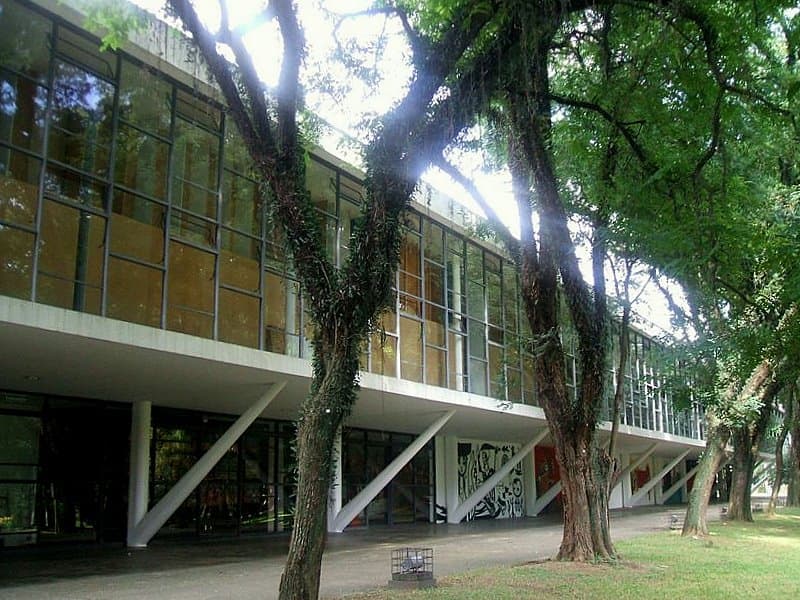 Museu Afro BrasilThe Museu Afro Brasil, in Ibirapuera Park, is dedicated to the history, art and 6 minutes walk4.7
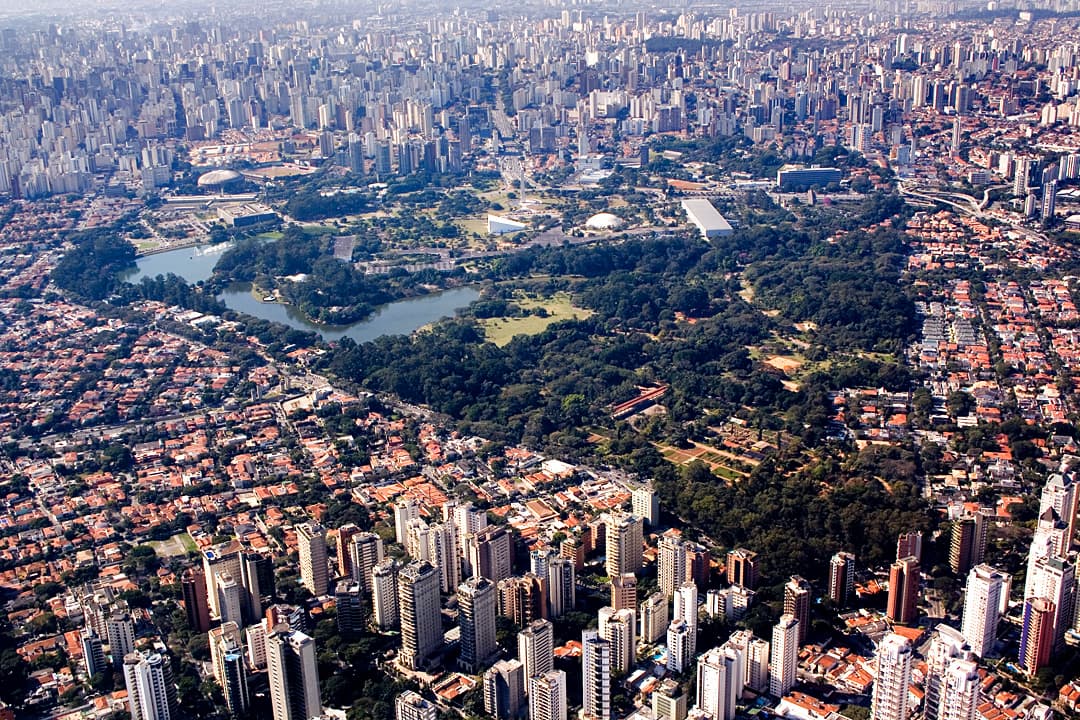 Ibirapuera ParkIbirapuera is São Paulo's best-known park and the most visited urban park in Sou9 minutes walk4.7
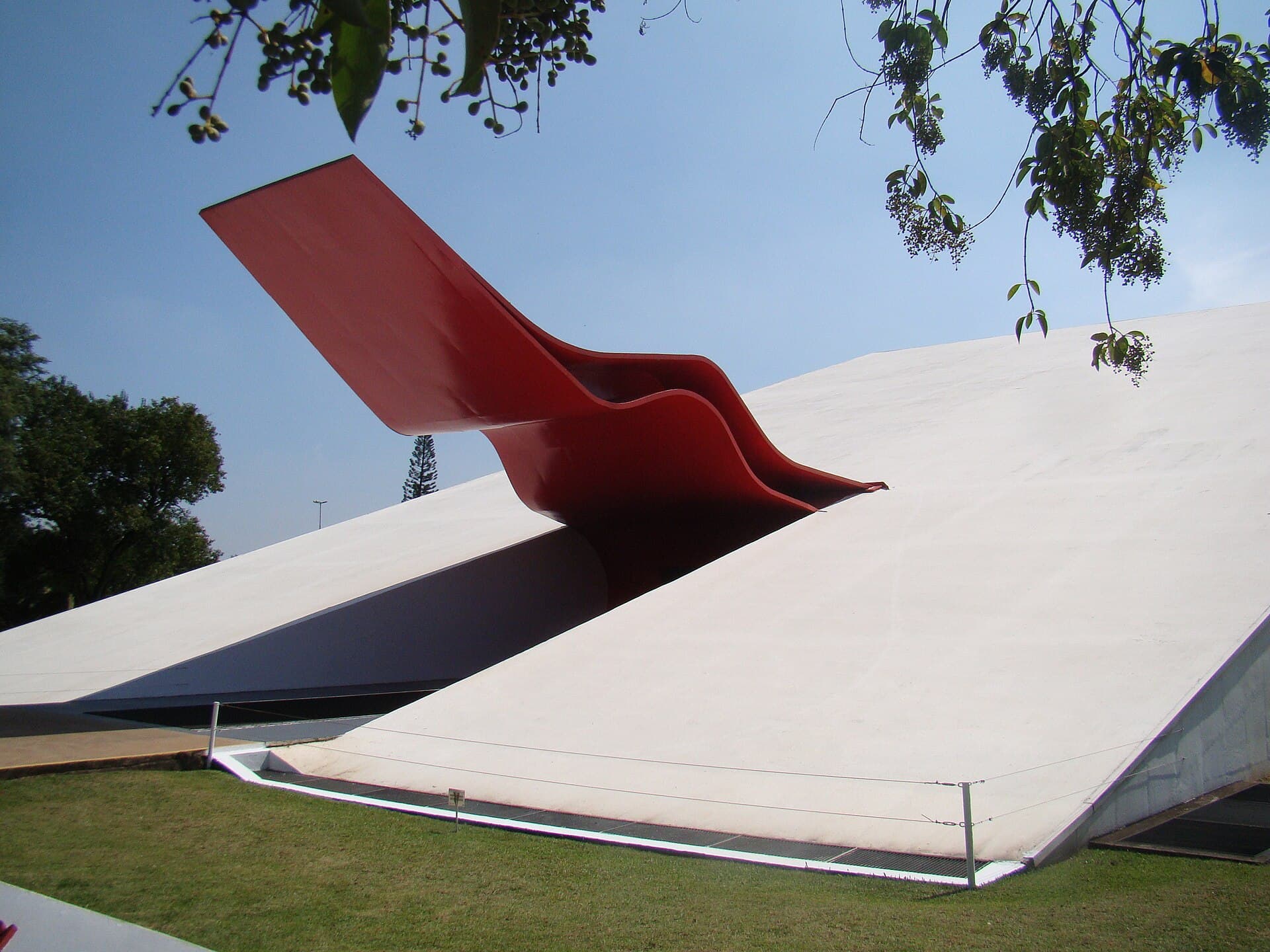 Ibirapuera AuditoriumThe concert hall in Ibirapuera Park is by Oscar Niemeyer, the last piece of the 9 minutes walk4.9
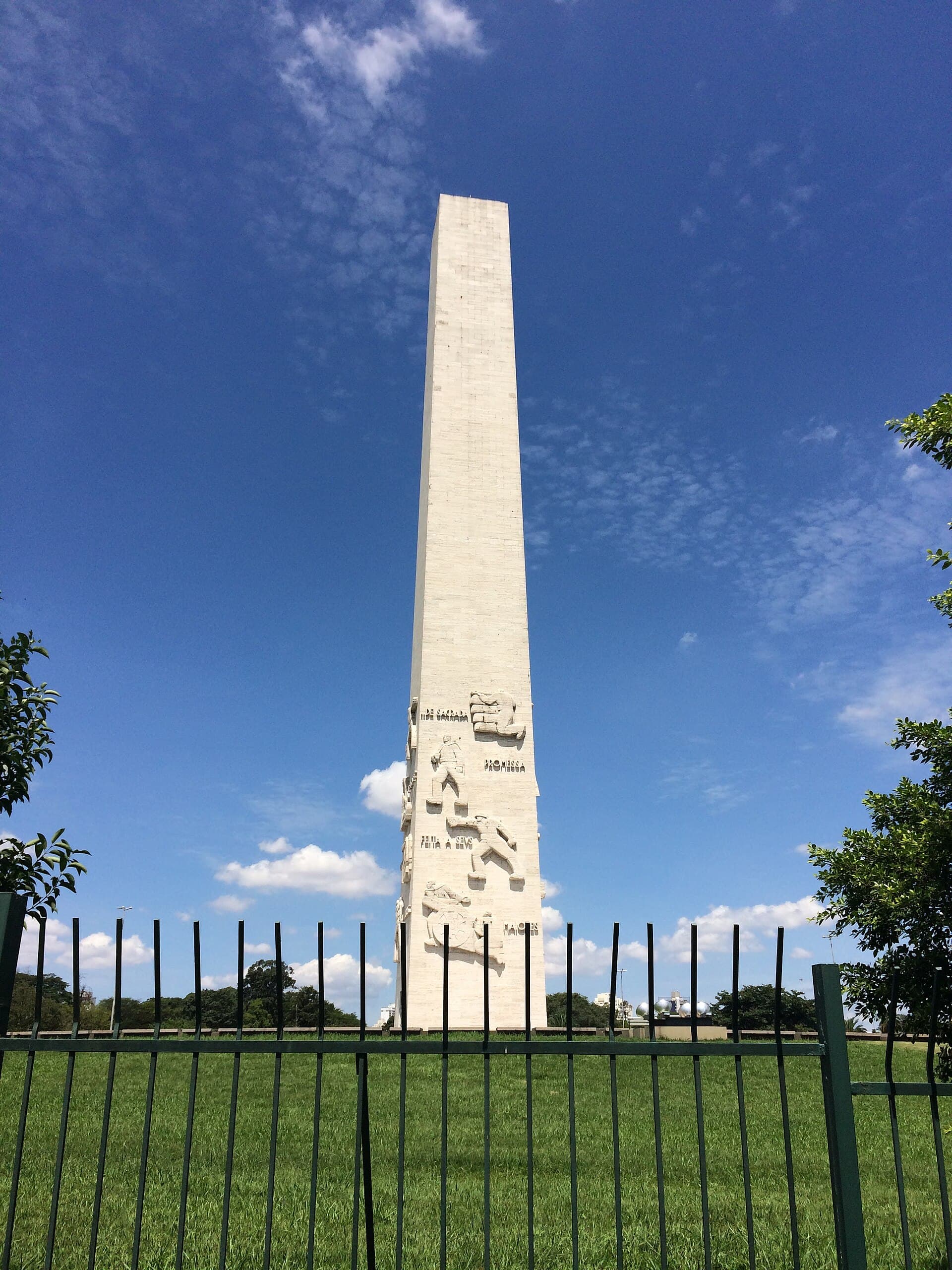 Obelisk of São PauloThe Ibirapuera Obelisk, officially the «Mausoleum of the Heroes of 32», is São P10 minutes walk
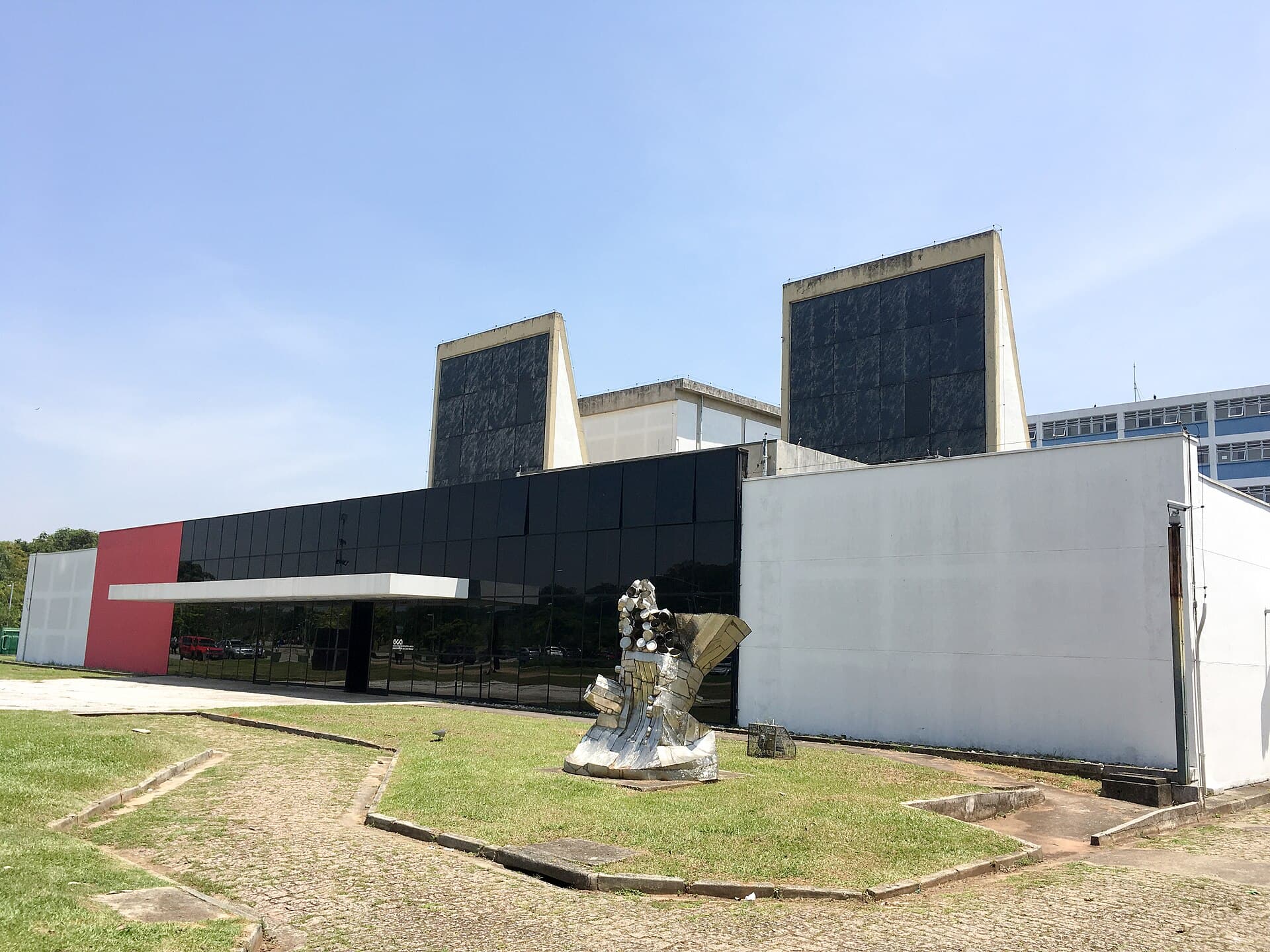 MAC USPThe Museum of Contemporary Art of the University of São Paulo was founded in 19618 minutes walk4.8
The bandeirantes it honours killed and enslaved indigenous people, so it is sometimes painted red and some people call for its removal.