
The obelisk
The city's tallest monument.
Danielbeoni — CC BY-SA 4.0 · Dornicke — CC BY-SA 3.0 · Photograph by Mike Peel (www.mikepeel.net). — CC BY-SA 4.0 · Clau Garcia — CC BY-SA 4.0 · Danielbeoni — CC BY-SA 4.0
The Ibirapuera Obelisk, officially the «Mausoleum of the Heroes of 32», is São Paulo's tallest monument at 72 metres and the symbol of the 1932 Constitutionalist Revolution, when the state of São Paulo took up arms against the government of Getúlio Vargas to demand a new constitution. Beneath it a mausoleum holds the remains of soldiers who fell in that conflict, and it honours 713 of the dead. It was designed by the Italian-Brazilian sculptor Galileo Ugo Emendabili and clad in travertine marble. Building began in 1947 and it was inaugurated on 9 July 1955, a year after Ibirapuera Park opened, though the work was only finished in 1970. Both the state and city heritage councils have listed it, and the mausoleum reopened in 2014 after twelve years closed for restoration. The Obelisk stands across the avenue from the Monument to the Bandeiras, and the two are best seen on one walk; check the mausoleum's opening times before you go.
The city's tallest monument.
Soldiers of 1932.
One walk for both.
Avenida Pedro Álvares Cabral, next to Ibirapuera Park, São Paulo
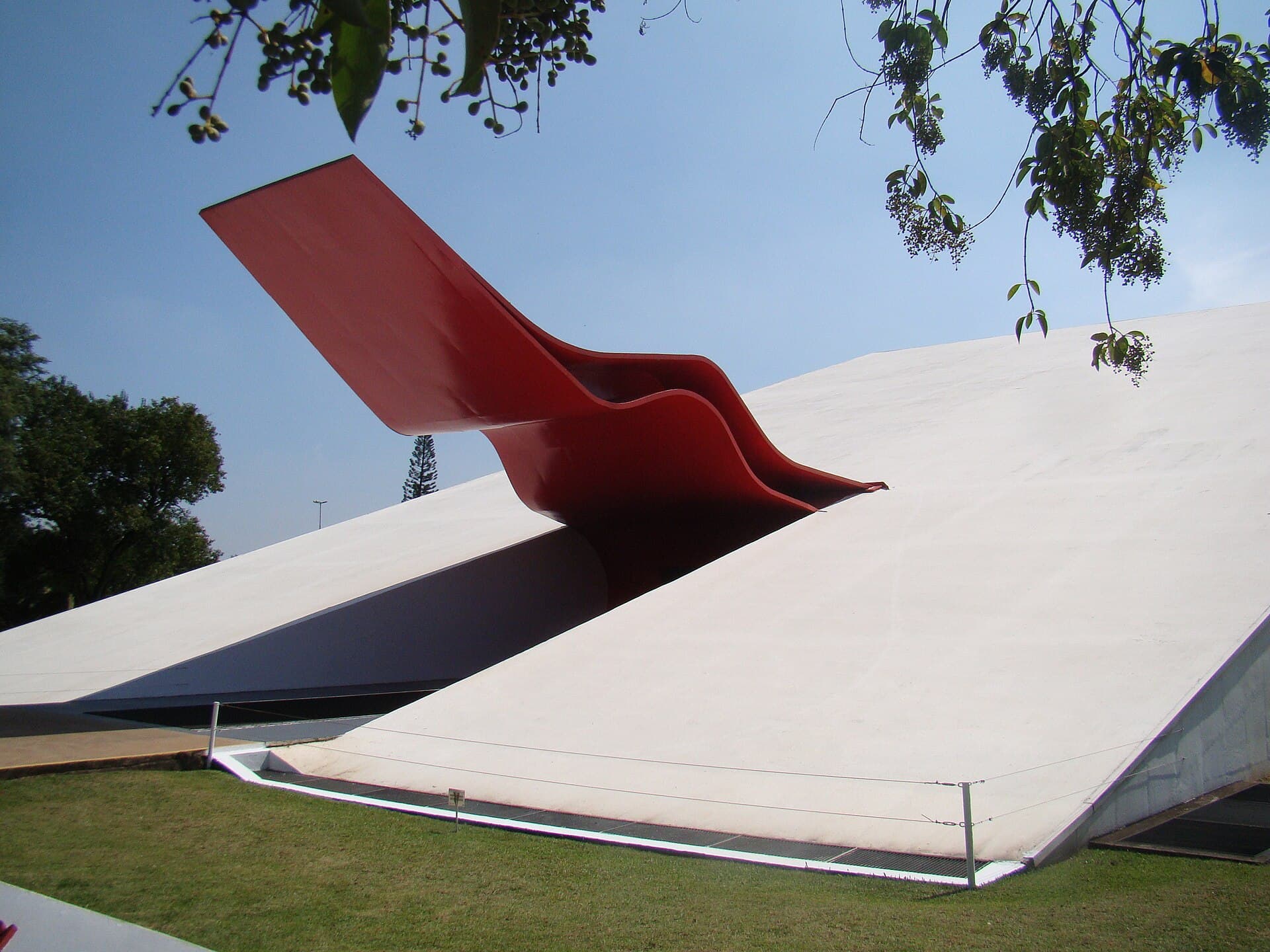 Ibirapuera AuditoriumThe concert hall in Ibirapuera Park is by Oscar Niemeyer, the last piece of the 3 minutes walk4.9
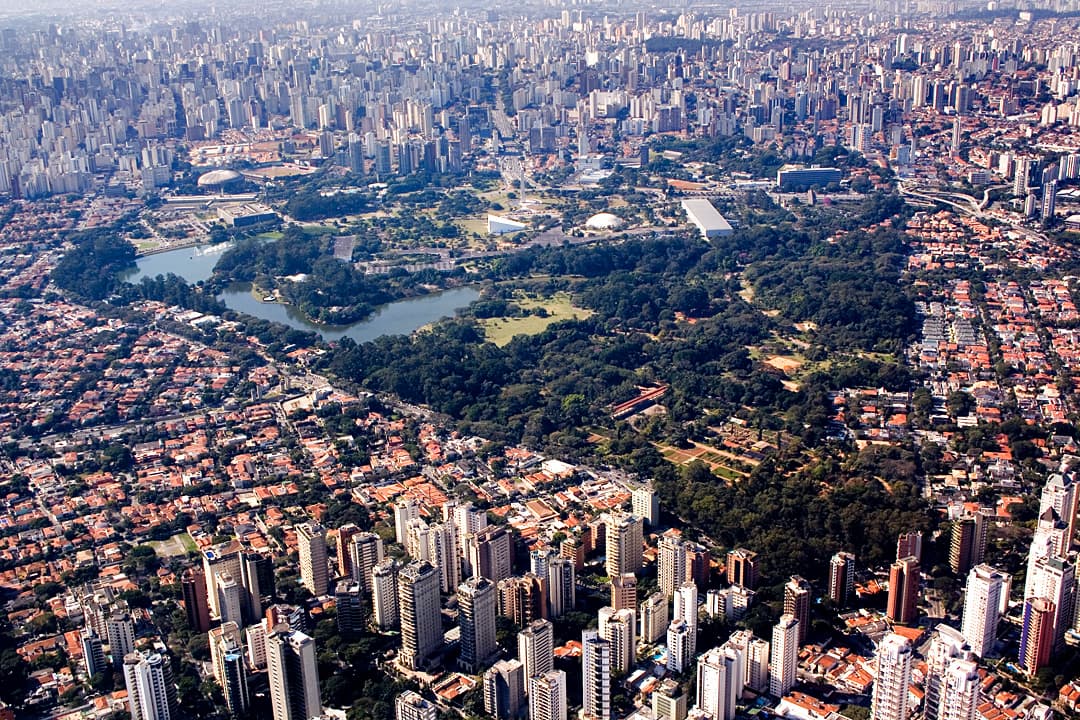 Ibirapuera ParkIbirapuera is São Paulo's best-known park and the most visited urban park in Sou5 minutes walk4.7
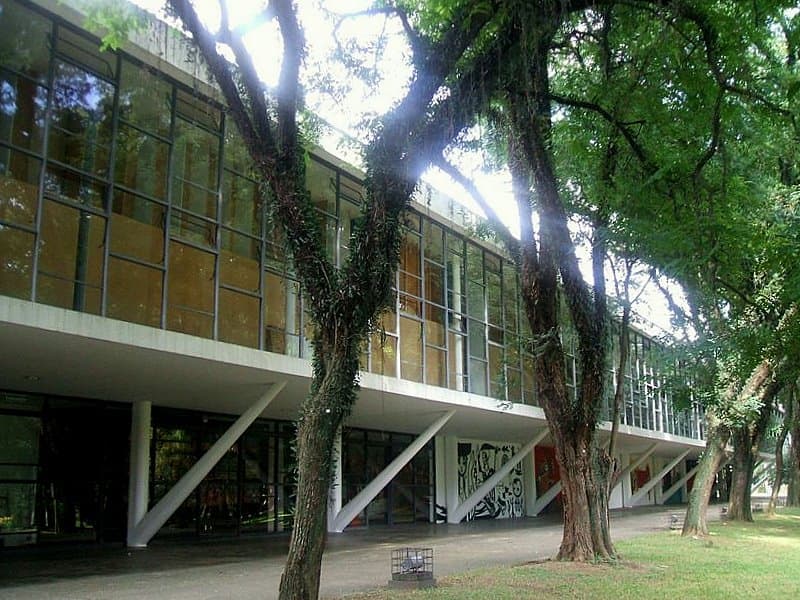 Museu Afro BrasilThe Museu Afro Brasil, in Ibirapuera Park, is dedicated to the history, art and 6 minutes walk4.7
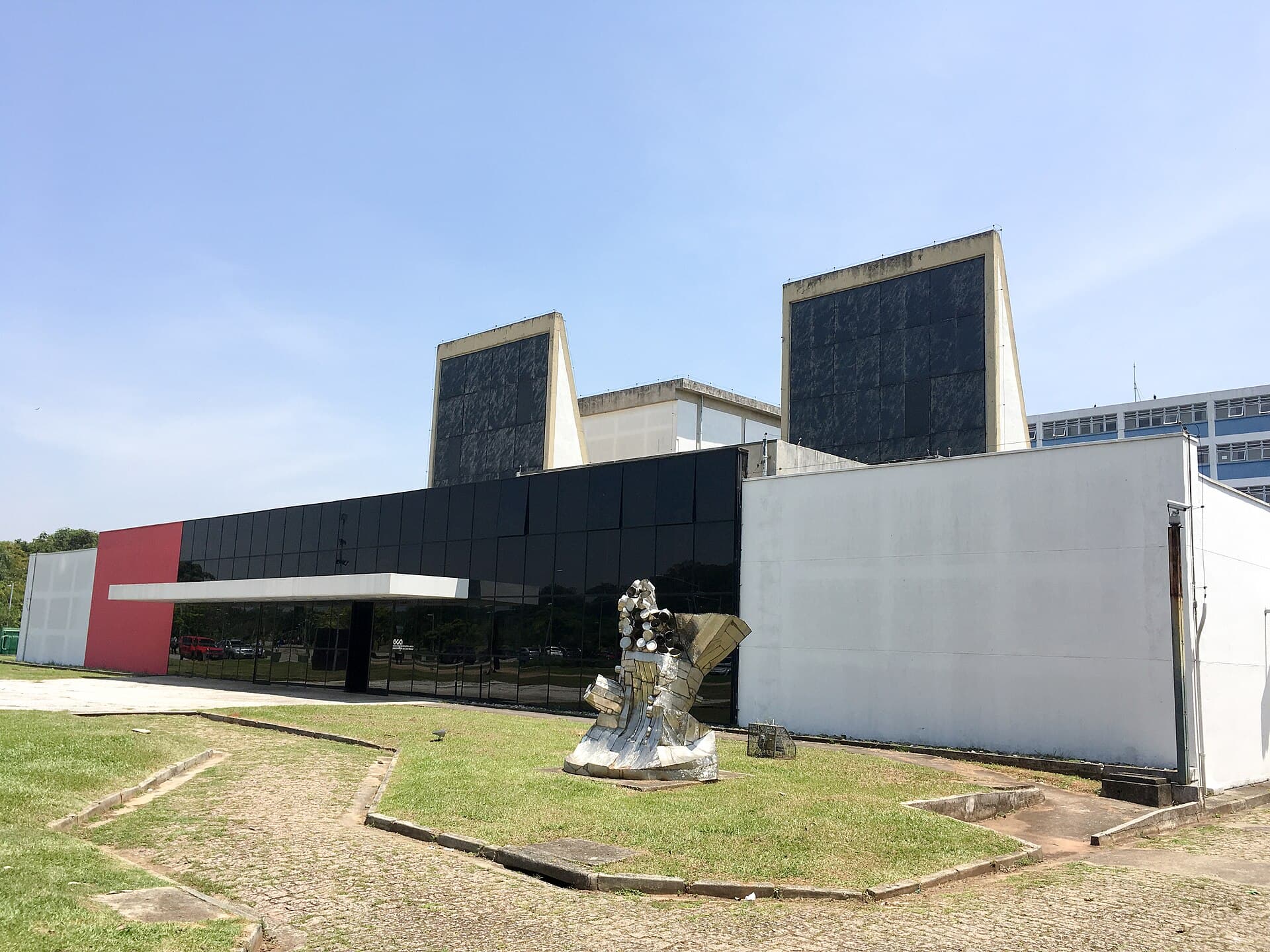 MAC USPThe Museum of Contemporary Art of the University of São Paulo was founded in 1968 minutes walk4.8
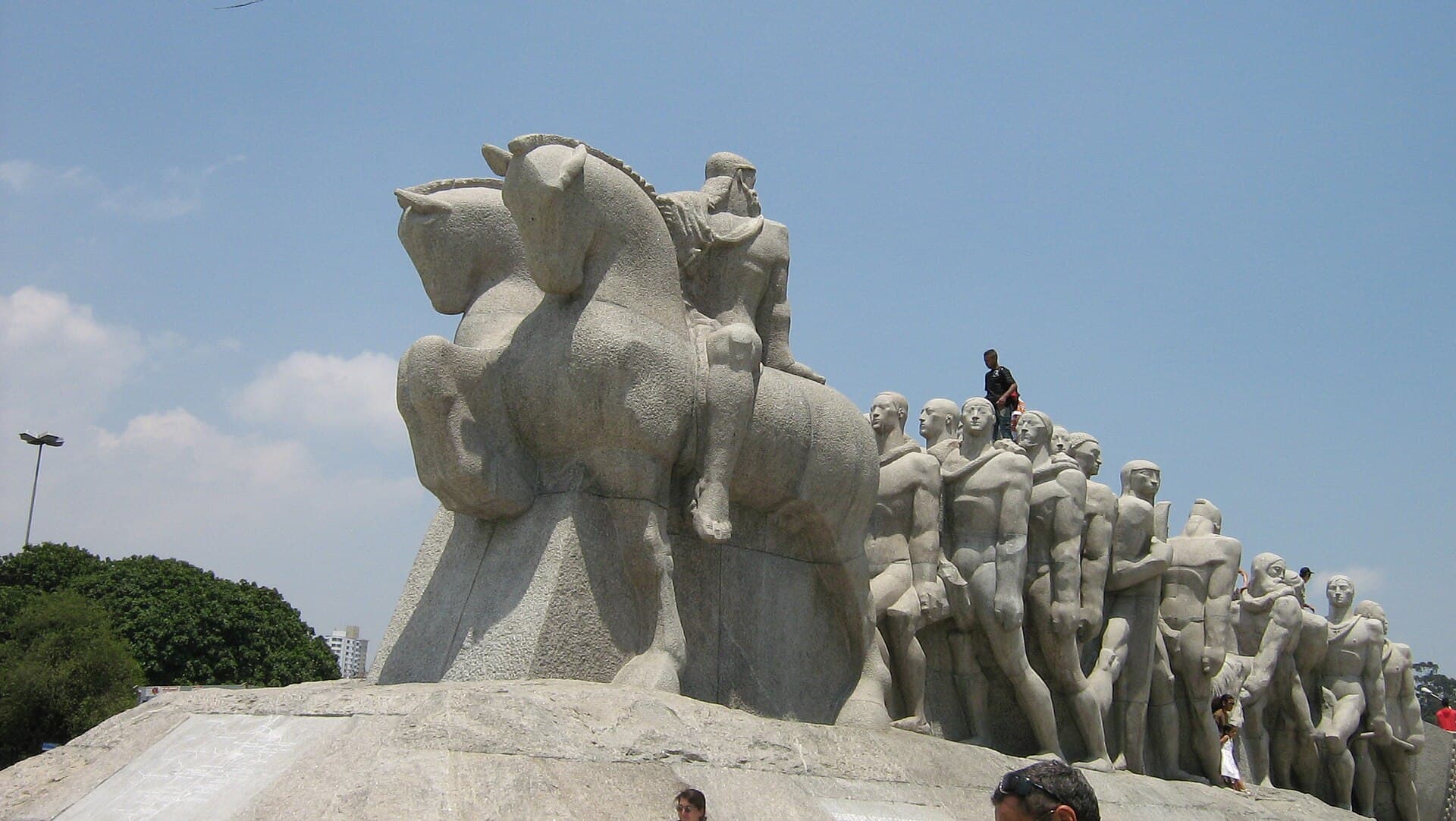 Monument to the BandeirasAt the northern entrance to Ibirapuera Park stands São Paulo's best-known monume10 minutes walk4.6
The Constitutionalist Revolution of 1932; its mausoleum holds the remains of soldiers who died in it.