
Casts from real bodies
Moulded directly from patients a century ago, then coloured to match.
Paebi — CC BY-SA 4.0 · Roland zh — CC BY-SA 3.0 · Juerg.hug — CC BY-SA 3.0 · Roland zh — CC BY-SA 3.0
A medical museum in Zurich University Hospital showing moulages: wax models of skin diseases made in the late nineteenth and early twentieth centuries for medical teaching. Before colour photography, teaching skin disease was a problem: words are not enough and drawing gives no texture. The solution was casting moulds directly from patients' bodies and then colouring them with extreme precision to match the original. The result is pieces accurate to a disturbing degree: limbs and faces with skin and venereal diseases, coloured as they were on real people a century ago. This should be entirely clear: the content is medically explicit and hard to look at for many people, and suits neither children nor every adult. The museum presents it with scientific seriousness rather than as a thrill, but that does not make it easy. Its value to anyone interested in the history of medicine is real: you see how doctors learned before photography, and you also see diseases that are now rare or entirely treatable. Hours are very limited — often only a few a week. Check before going.
Moulded directly from patients a century ago, then coloured to match.
How doctors learned diseases that words and drawings cannot convey.
Much of what is shown is now rare or entirely treatable.
Zurich University Hospital
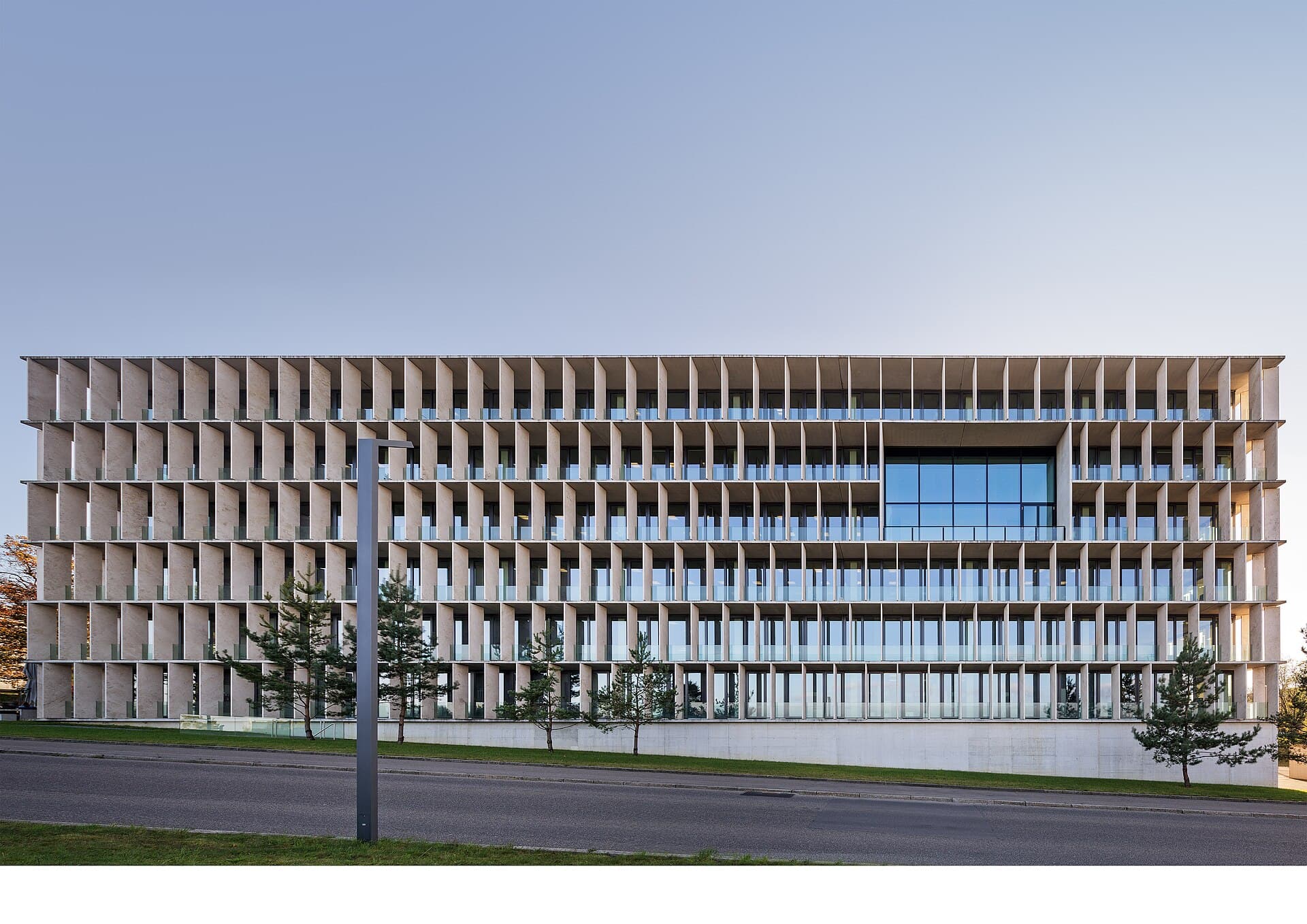 ETH Zurich and the PolyterrasseIt began in **1855** as the federal technical school known as the Polytechnic, a6 minutes walk4.8
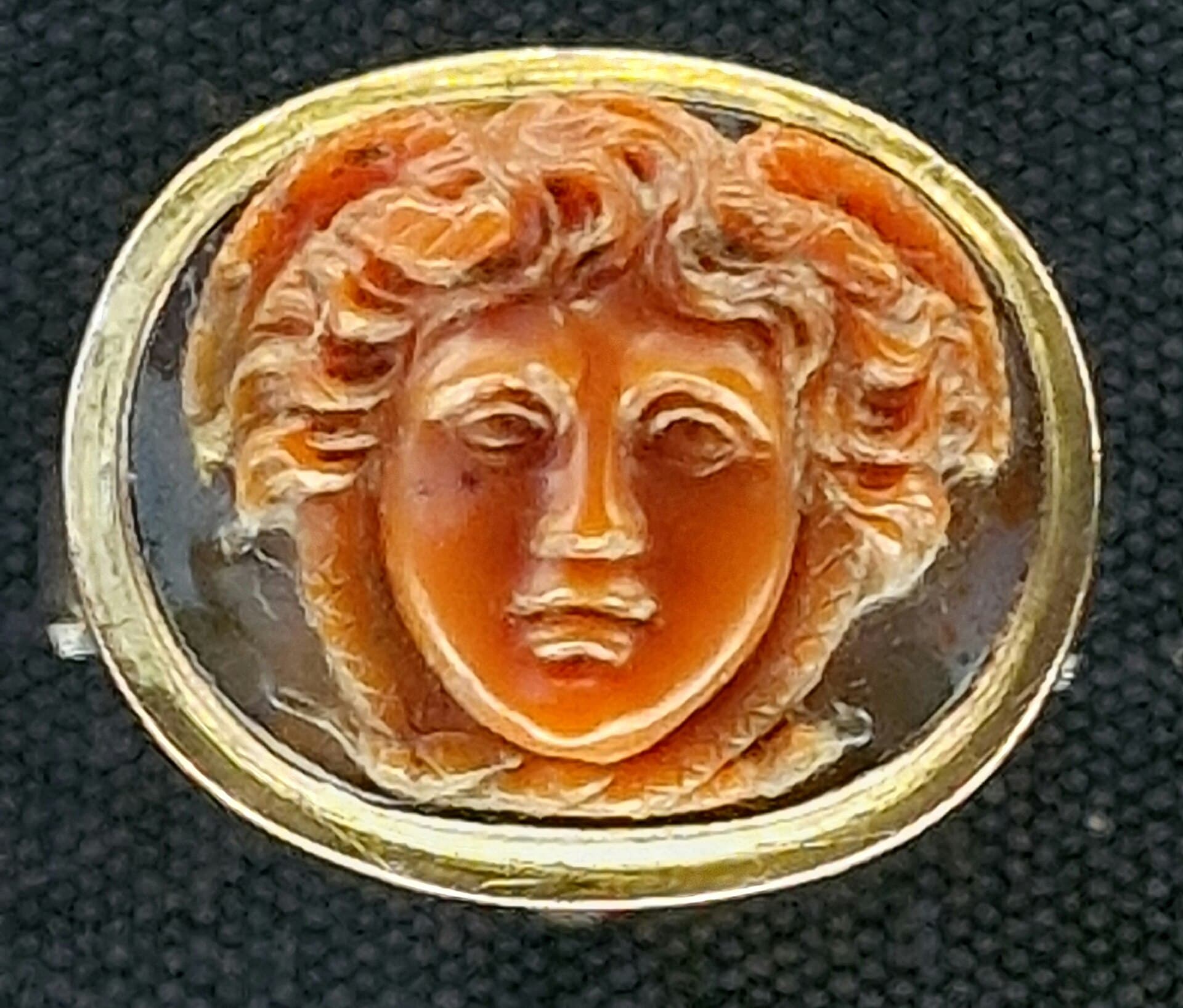 Swiss National MuseumOpposite the main station stands what looks like a storybook castle of towers — 8 minutes walk4.5
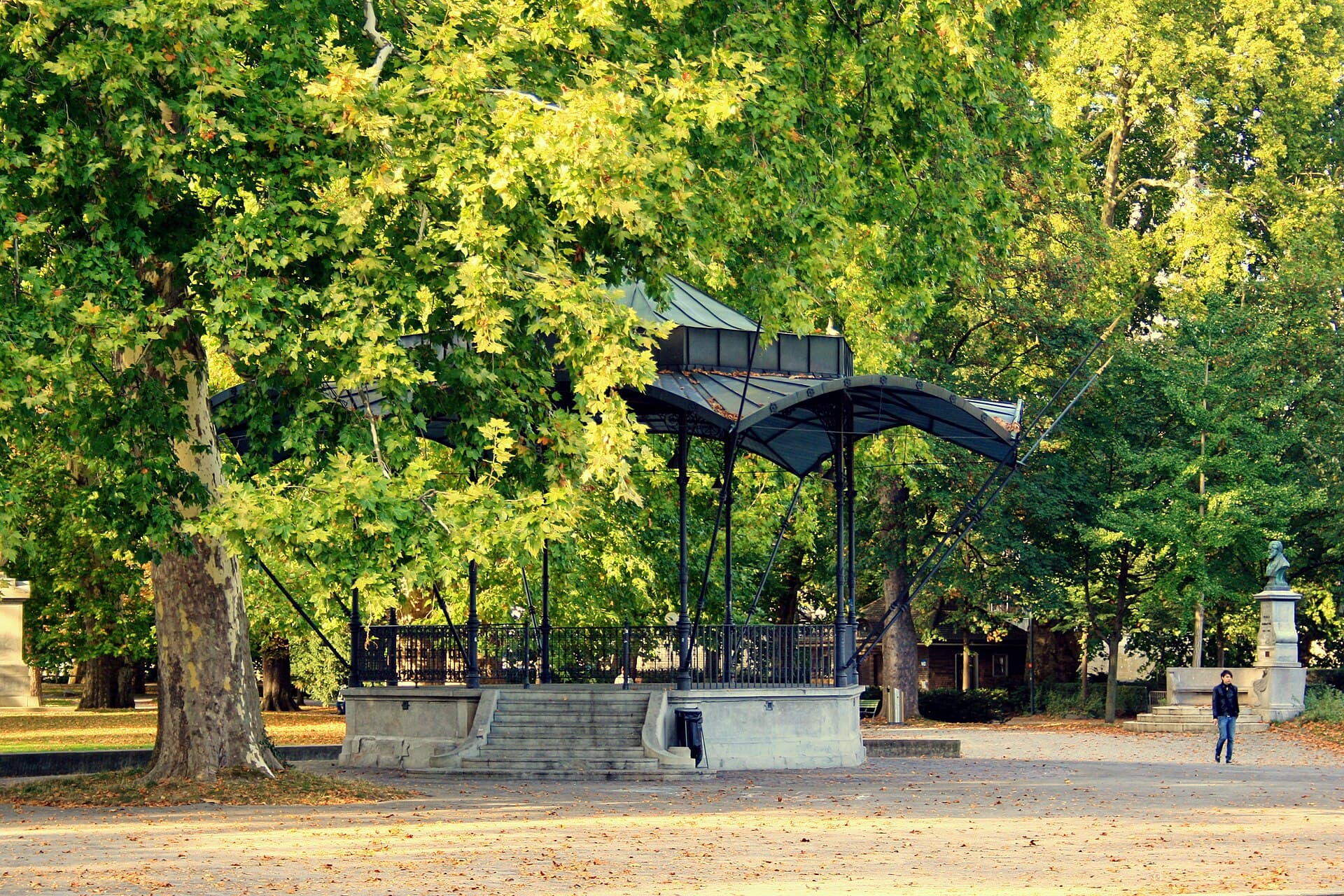 Platzspitz ParkA triangular park at the confluence of the **Limmat and the Sihl**, behind the S8 minutes walk4.6
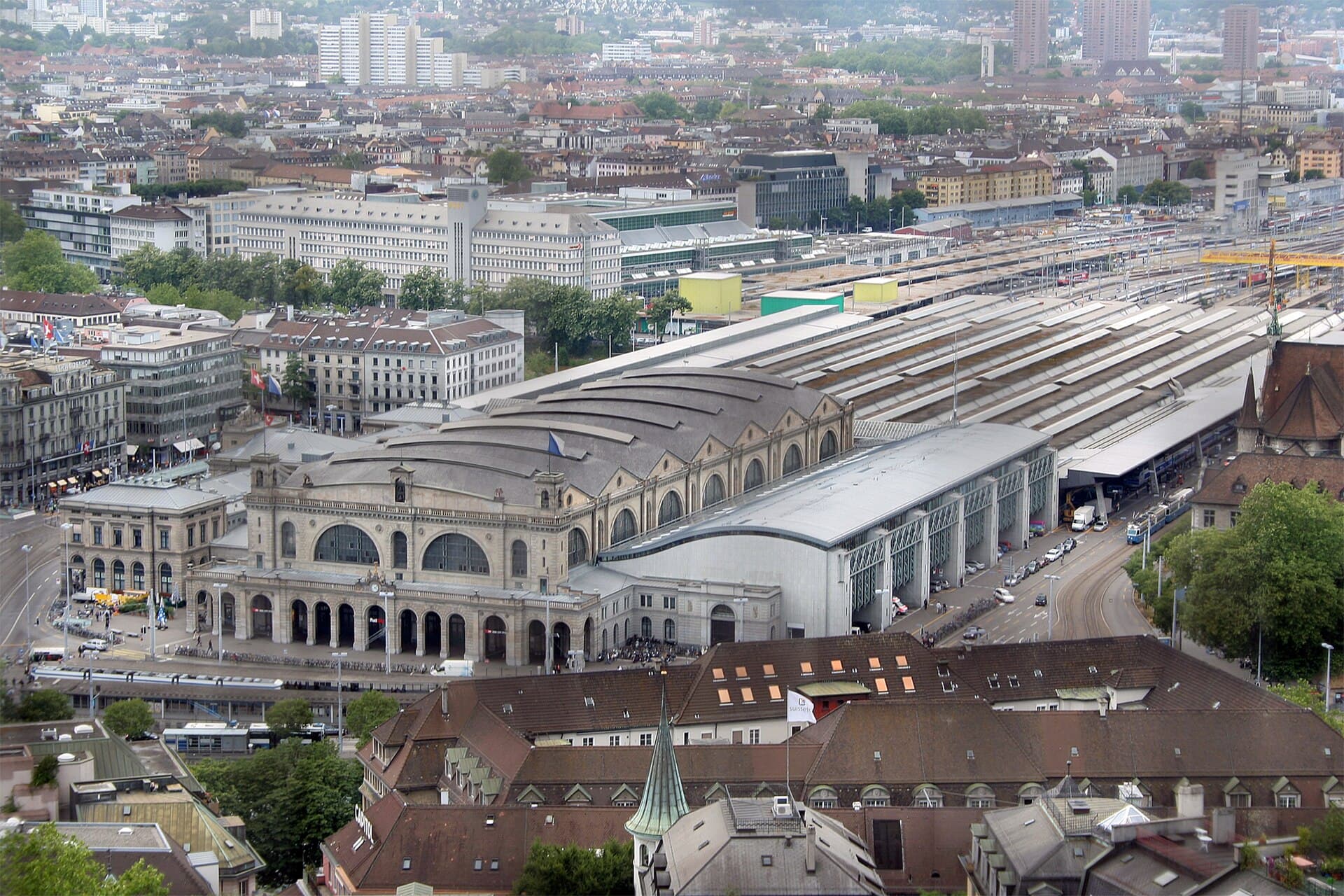 Zürich Main StationSwitzerland's largest railway station and one of Europe's busiest: twenty-six tr9 minutes walk4.6
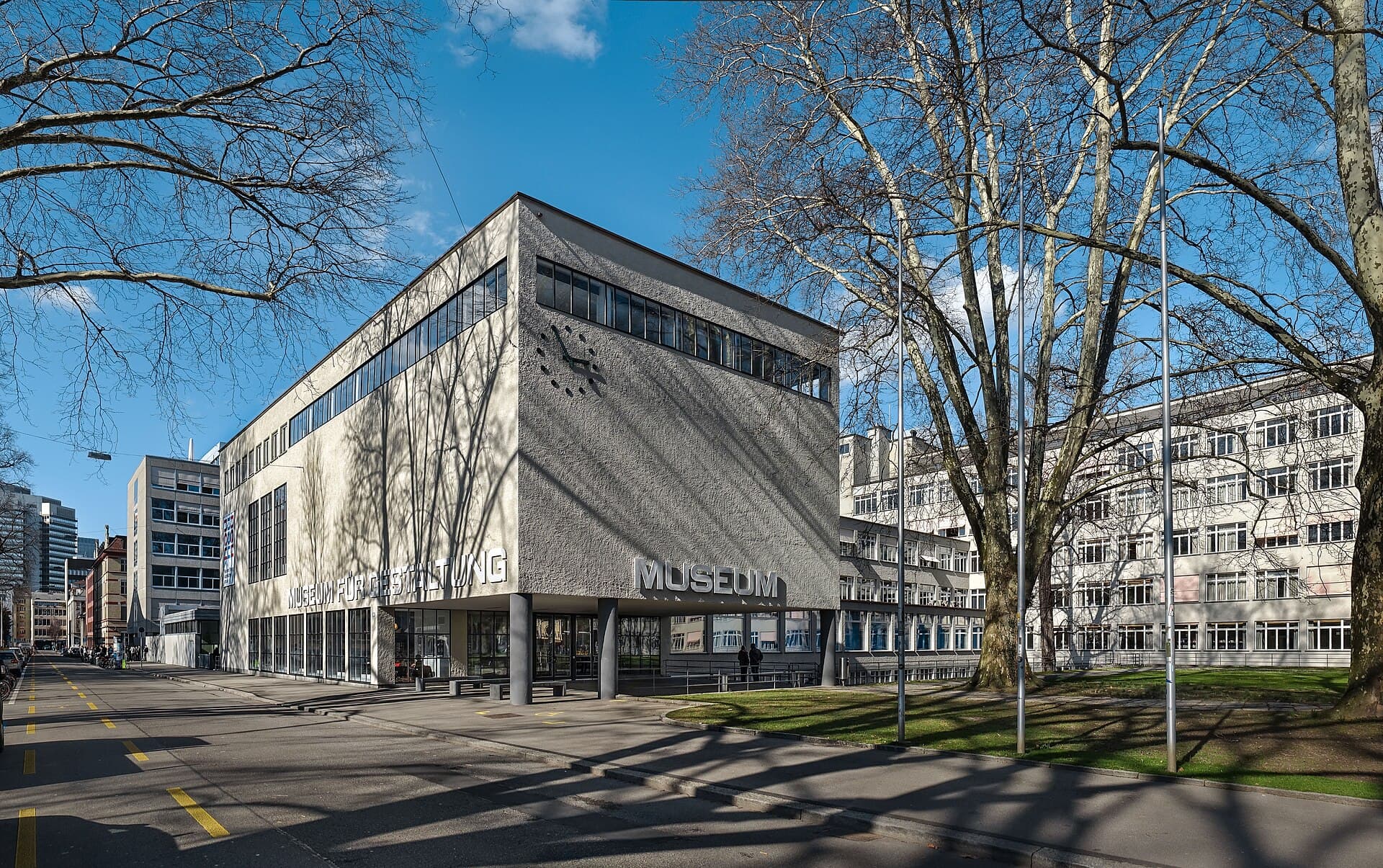 Museum für Gestaltung (Museum of Design)One of Europe's most important museums of design and visual communication, with 12 minutes walk4.6
Genuinely difficult. The models are accurate to the point of looking real, showing advanced skin and venereal diseases on faces and limbs. Anyone sensitive to medical imagery will find the visit distressing. It is not a freak show, but it is not easy, and you should decide before going in rather than after.
Because medical teaching needed an accurate visual reference before colour photography. A doctor cannot bring a patient to every lecture, and verbal description does not convey colour, texture and scale. The moulage was the answer: a permanent accurate copy that could be studied and compared. The need vanished with photography.