
The cancan
The dance born here that became an emblem of Paris.
Juanedc from Zaragoza, España — CC BY 2.0 · MOULIN ROUGE SA — CC BY-SA 3.0 · Dennis G. Jarvis — CC BY-SA 2.0 · Maria Eklind — CC BY-SA 2.0
The red windmill on the Boulevard de Clichy at the foot of Montmartre, and the most famous cabaret in the world. It opened in **1889** — the year of the Eiffel Tower and the great Paris exposition — in the working-class Pigalle quarter, and was a bold idea: a place where aristocrat mixed with labourer and dancers performed on a stage lit by the new electricity. Here the French **cancan** was born in the form we know: a loud, fast dance of wide skirts and high kicks, scandalous in its day and now an emblem of Paris. **Henri de Toulouse-Lautrec** documented it in his posters and paintings — he drew its dancers and its clientele in a sharp, satirical line, and those posters became among the best-known works of modern art, shaping the cabaret's image in people's minds more than the cabaret itself. The show today is a **large-scale revue**: dozens of dancers, costumes of feathers and sequins, changing sets, and circus and variety acts between the numbers — performed roughly twice each evening. ⚠ It is **expensive**, and it sits in **Pigalle**, a quarter known for sex shops and night tourism, so know the character of the area before planning around it.
The dance born here that became an emblem of Paris.
The art that shaped the cabaret's image.
The lit frontage on the Boulevard de Clichy — free to photograph.
82 Boulevard de Clichy, 75018 Paris
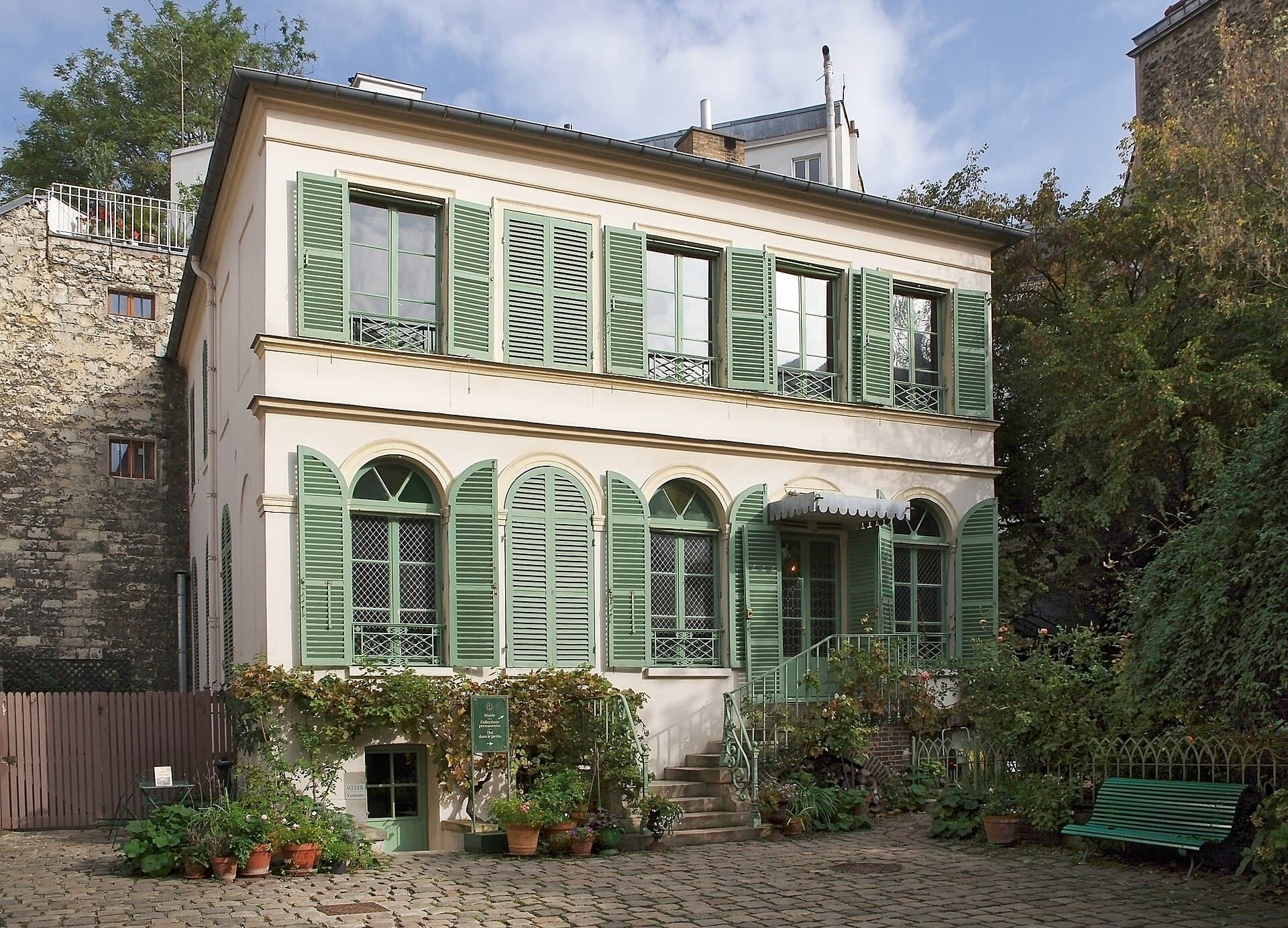 Musée de la Vie RomantiqueA small country house with green shutters at the end of a gravel lane, hidden be4 minutes walk4.2
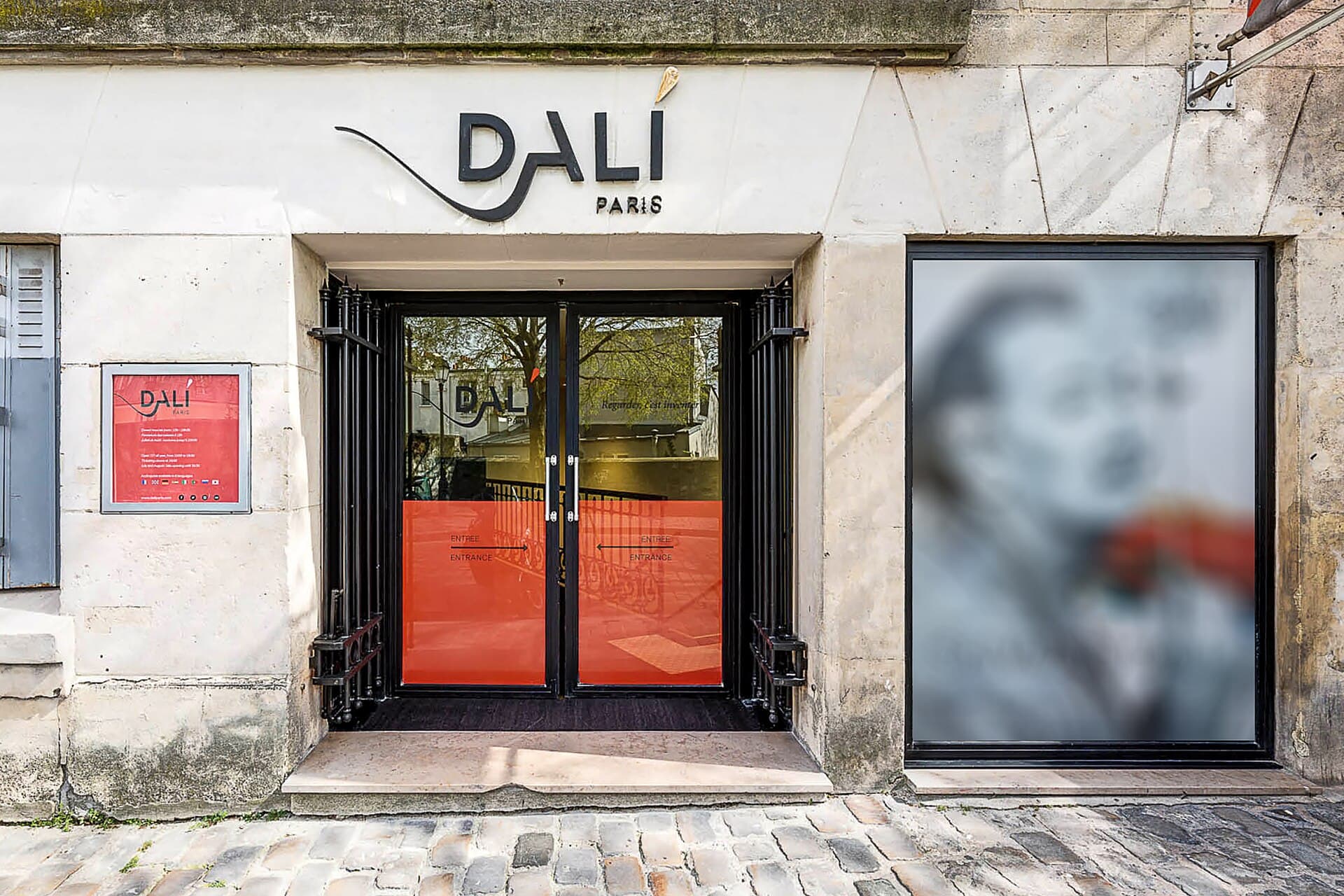 Dalí Paris, MontmartreA private museum in Montmartre devoted to Salvador Dalí, steps from Place du Ter8 minutes walk4.4
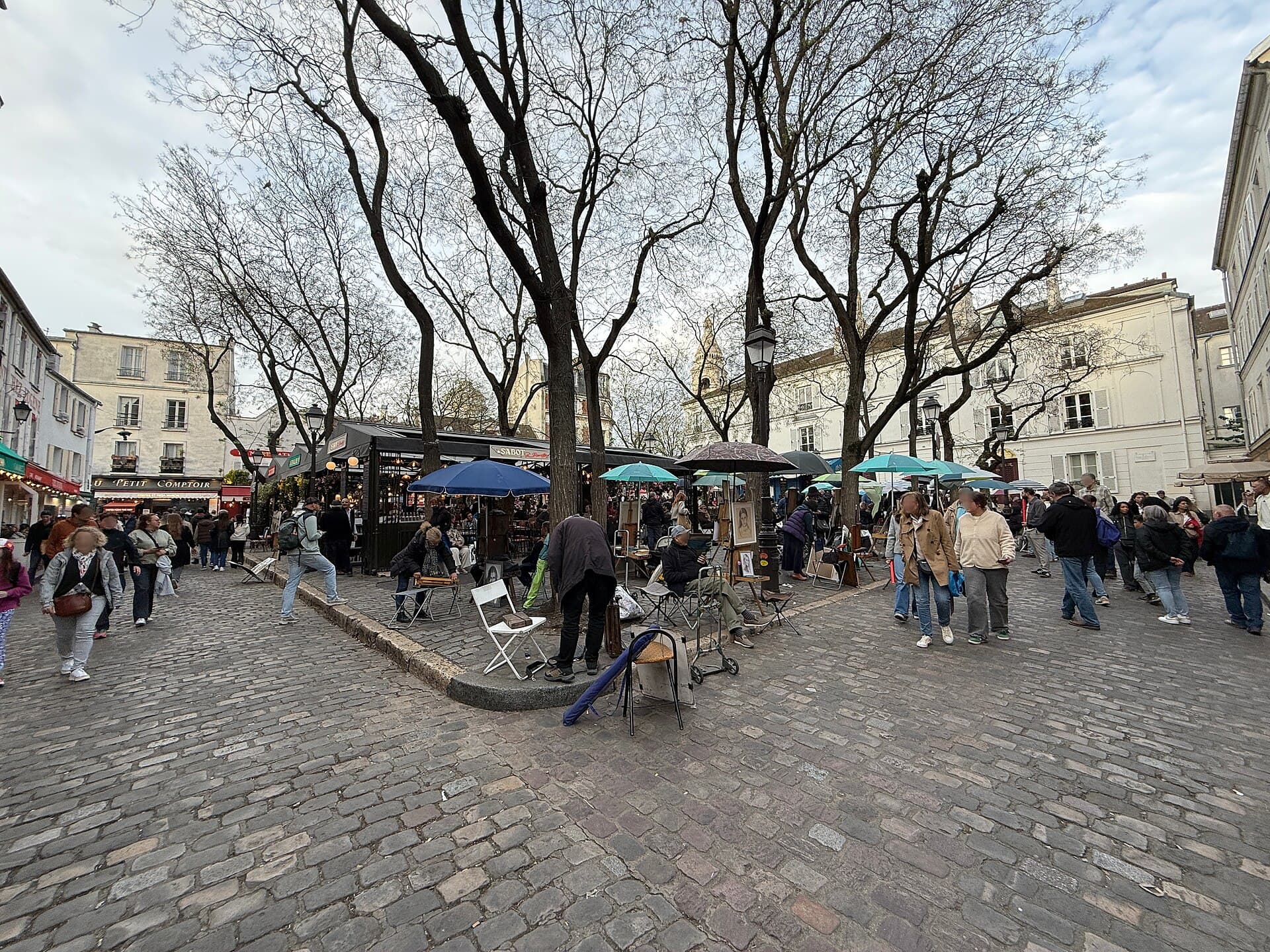 place du TertreSteps behind Sacré-Cœur beats the old village square of Montmartre: the Place du9 minutes walk4.6
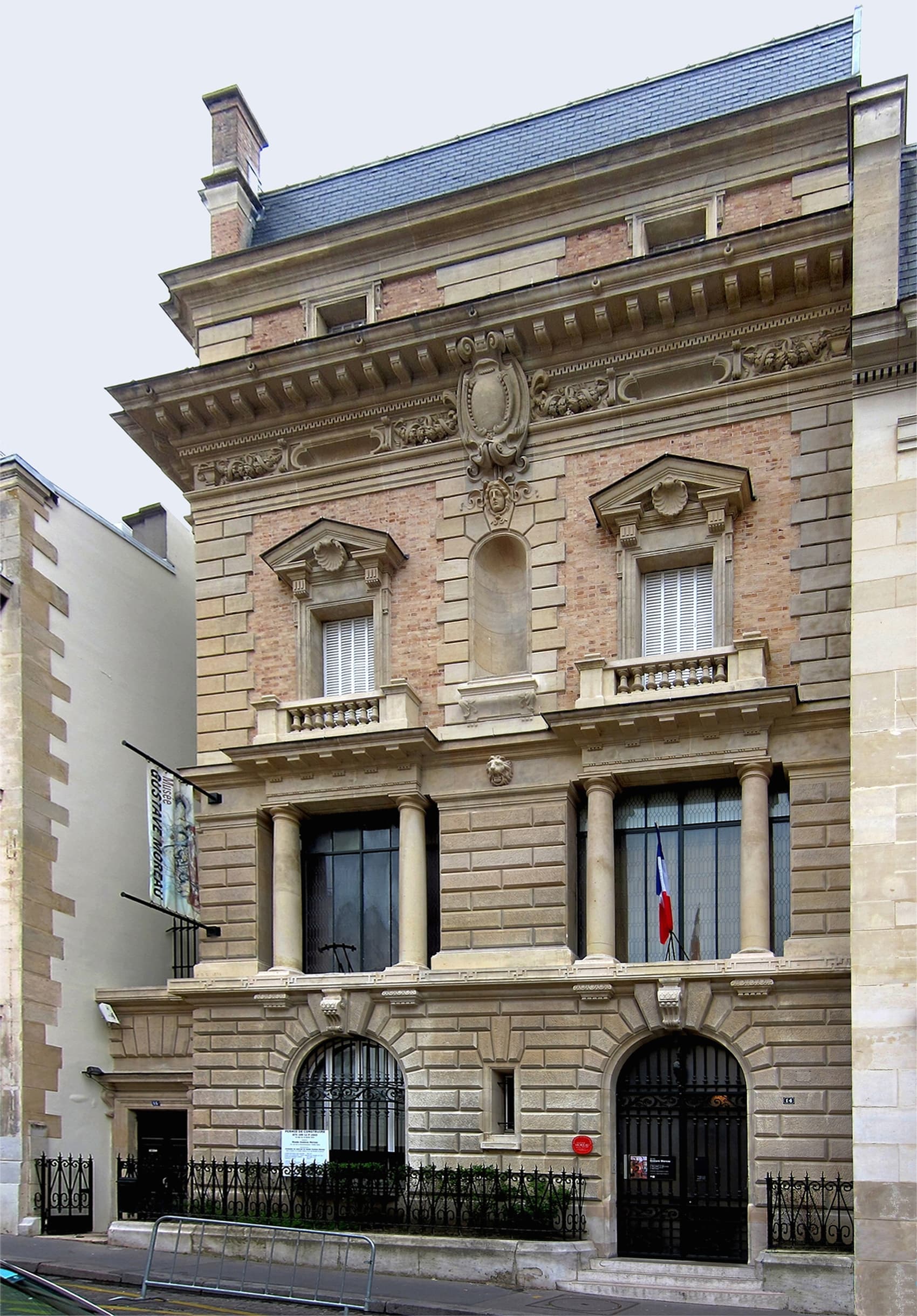 Musée Gustave MoreauA museum an artist built for himself before he died — which is what makes it uni9 minutes walk4.3
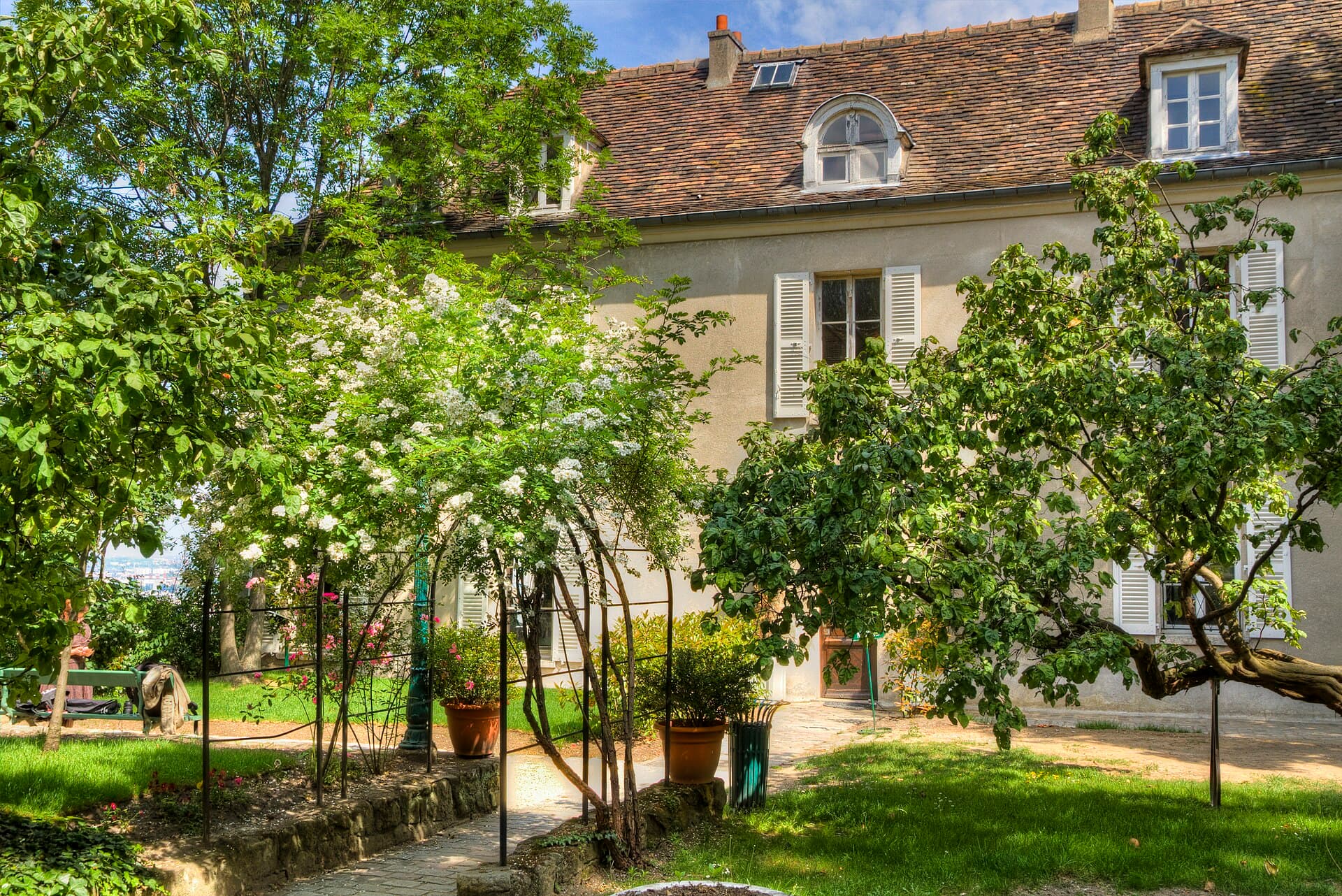 Musée de Montmartre and the Renoir GardensThe oldest house in Montmartre, and one of the calmest places in a quarter that 9 minutes walk4.5
Looking for halal food near Moulin Rouge? There are several options nearby, from Moroccan and Indian kitchens to quick casual spots and places with a view. Confirm the halal status and opening hours before you go — these can change.
It depends what you want. If you want a **large-scale revue** with costumes, feathers, live music and a tradition a century and a third old, then yes — the production really is of a high standard and the hall is historic. If you want **value for money**, no: prices are very high, and the dinner option in particular costs several times more for merely average food. The practical advice: book **show only, or show with champagne**, and eat beforehand at a restaurant of your choosing in Montmartre — you save a great deal and eat better.
Four things. **Content**: the show includes dancers in revealing costume and partial nudity per the historic tradition, has a **minimum age** and is not suitable for children — know this before booking for a family. **Dress**: no shorts or trainers; smart dress is required and you can be refused entry. **Photography**: completely forbidden inside the hall. **Booking**: essential weeks ahead in season, and seats vary in price — ask where a seat actually is, not just its category.