
The spiral staircase
One of the best-known interior images of Paris.
Velvet — CC BY-SA 3.0 · Gustave Moreau — Public domain · Musée Gustave Moreau / Jean-Yves Lacote — CC BY-SA 4.0 · Rémih — CC BY-SA 4.0
A museum an artist built for himself before he died — which is what makes it unique. **Gustave Moreau** (1826–1898), a leading French Symbolist, spent his last years turning his house and studio in the ninth arrondissement into a museum, arranged his own works, and left it to the state to be opened as it stood. The result is a space like no other museum: **two enormous studios** on the upper floors whose walls are covered with paintings from floor to ceiling with almost no gap — hundreds of works side by side like a single wall — linked by a spectacular **iron spiral staircase** that has become one of the best-known interior images of Paris. On the lower floor is his private apartment, with its furniture and possessions as he left them. His manner: mythological and biblical scenes in rich colour with detail encrusted like jewellery — Salome, Oedipus, the unicorn, a dense and obscure poetry. He influenced the Surrealists later, and **Matisse** and **Rouault** were among his pupils. ⚠ A **small and very dense** museum — not for quick browsing.
One of the best-known interior images of Paris.
Hundreds of works side by side with almost no gap.
His furniture and possessions as he left them in 1898.
14 Rue de La Rochefoucauld, 75009 Paris
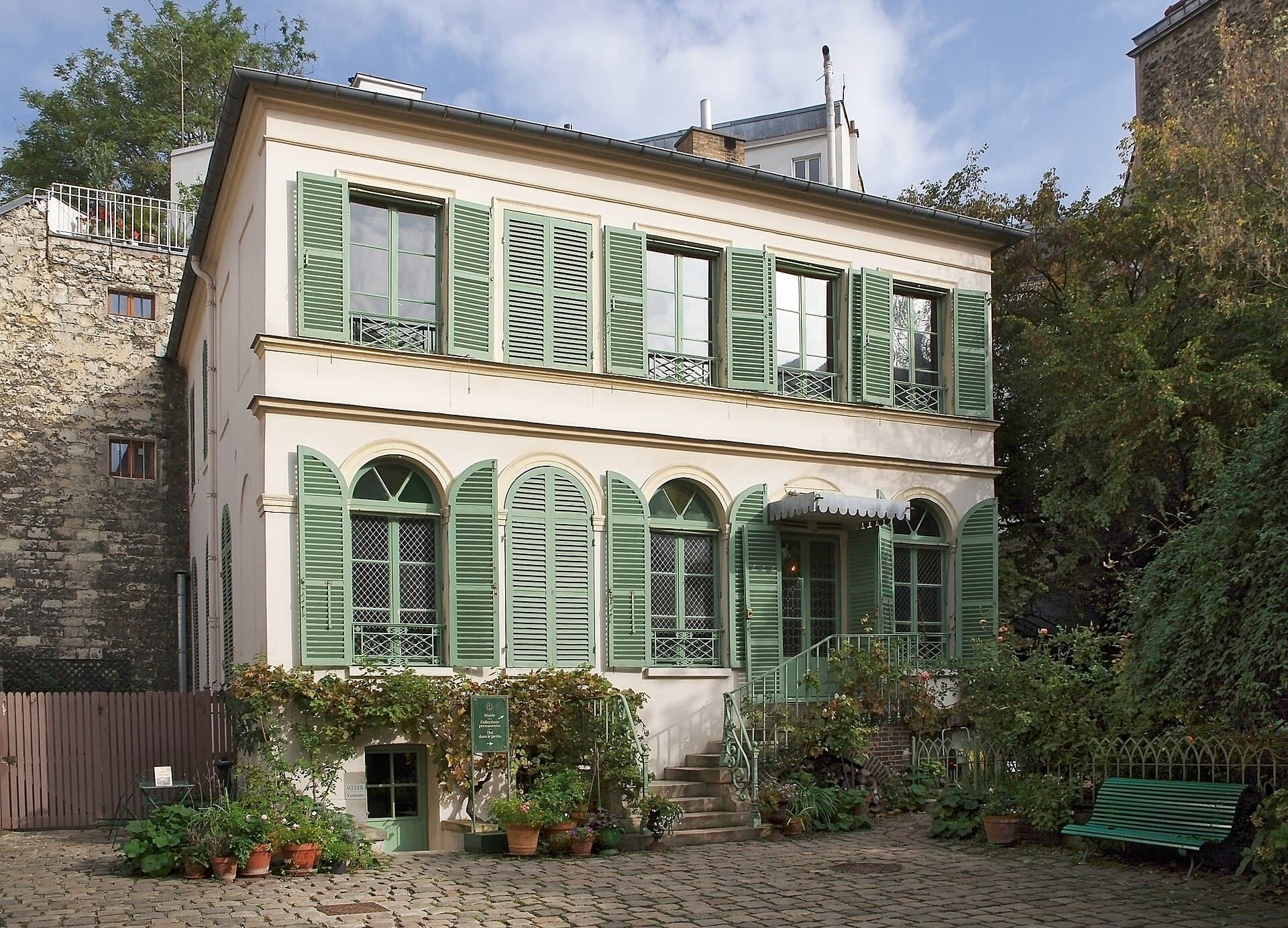 Musée de la Vie RomantiqueA small country house with green shutters at the end of a gravel lane, hidden be4 minutes walk4.2
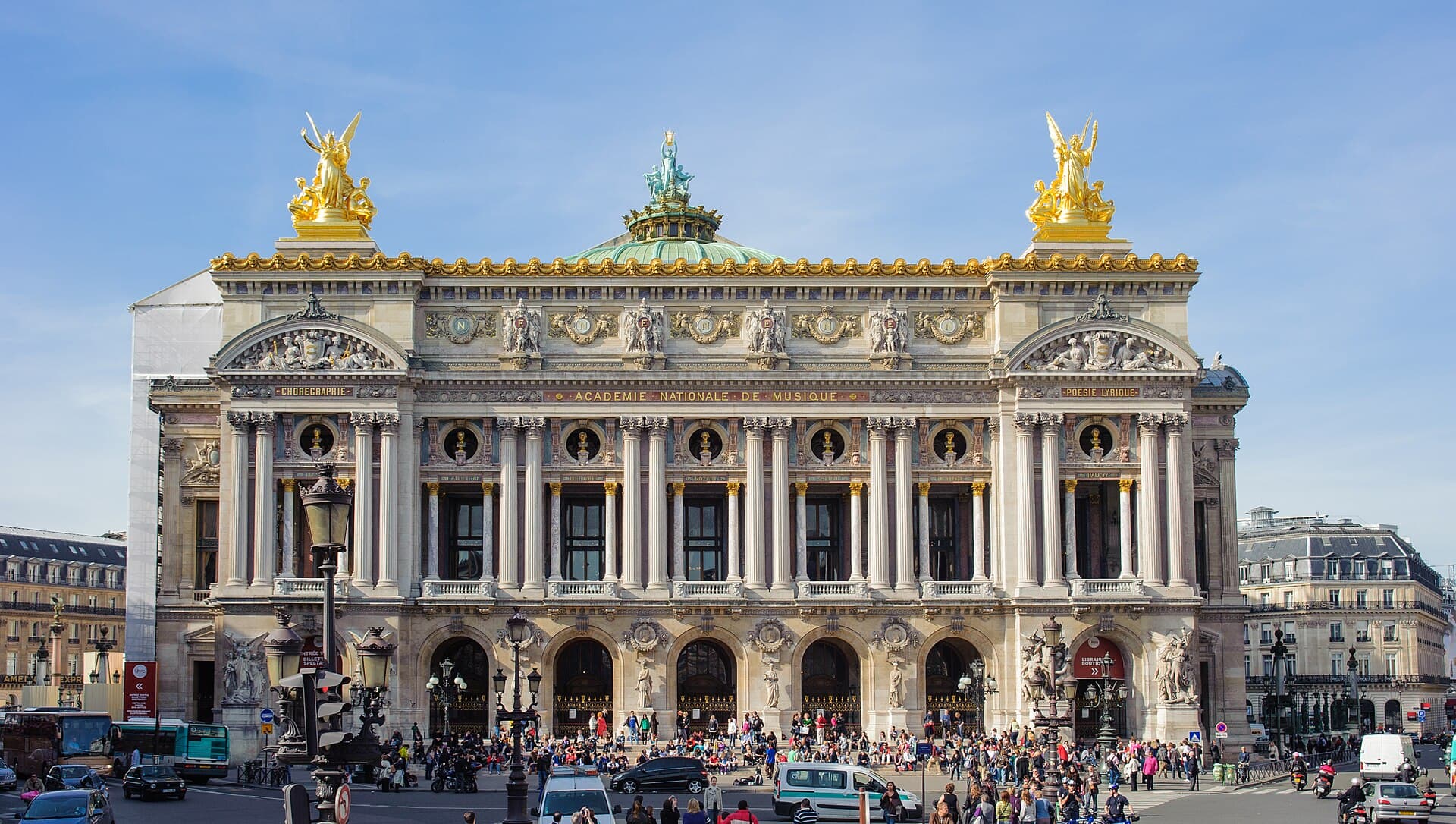 Palais GarnierAsked what style his building was, architect Charles Garnier replied: "It is Nap9 minutes walk4.8
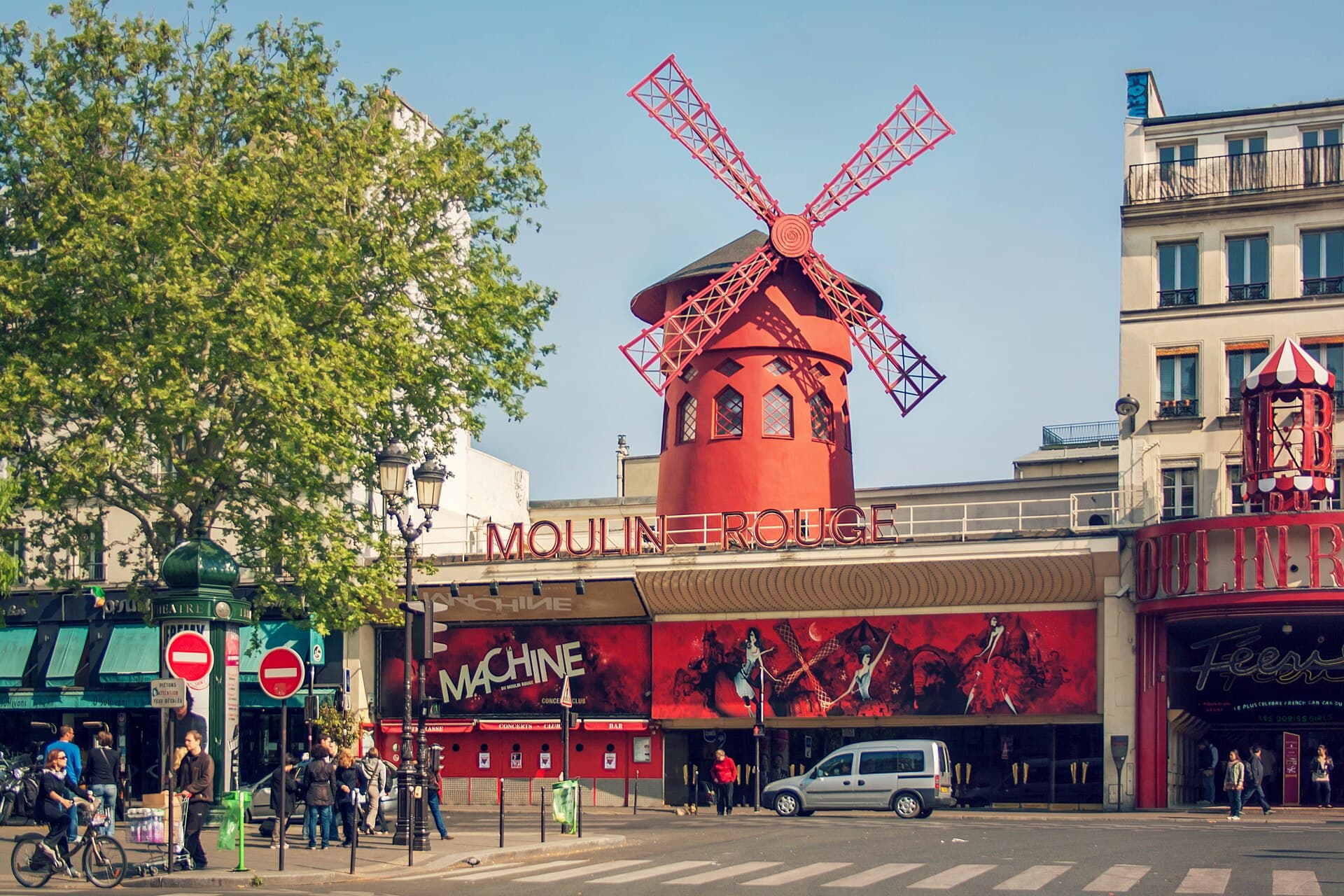 Moulin RougeThe red windmill on the Boulevard de Clichy at the foot of Montmartre, and the m9 minutes walk4.3
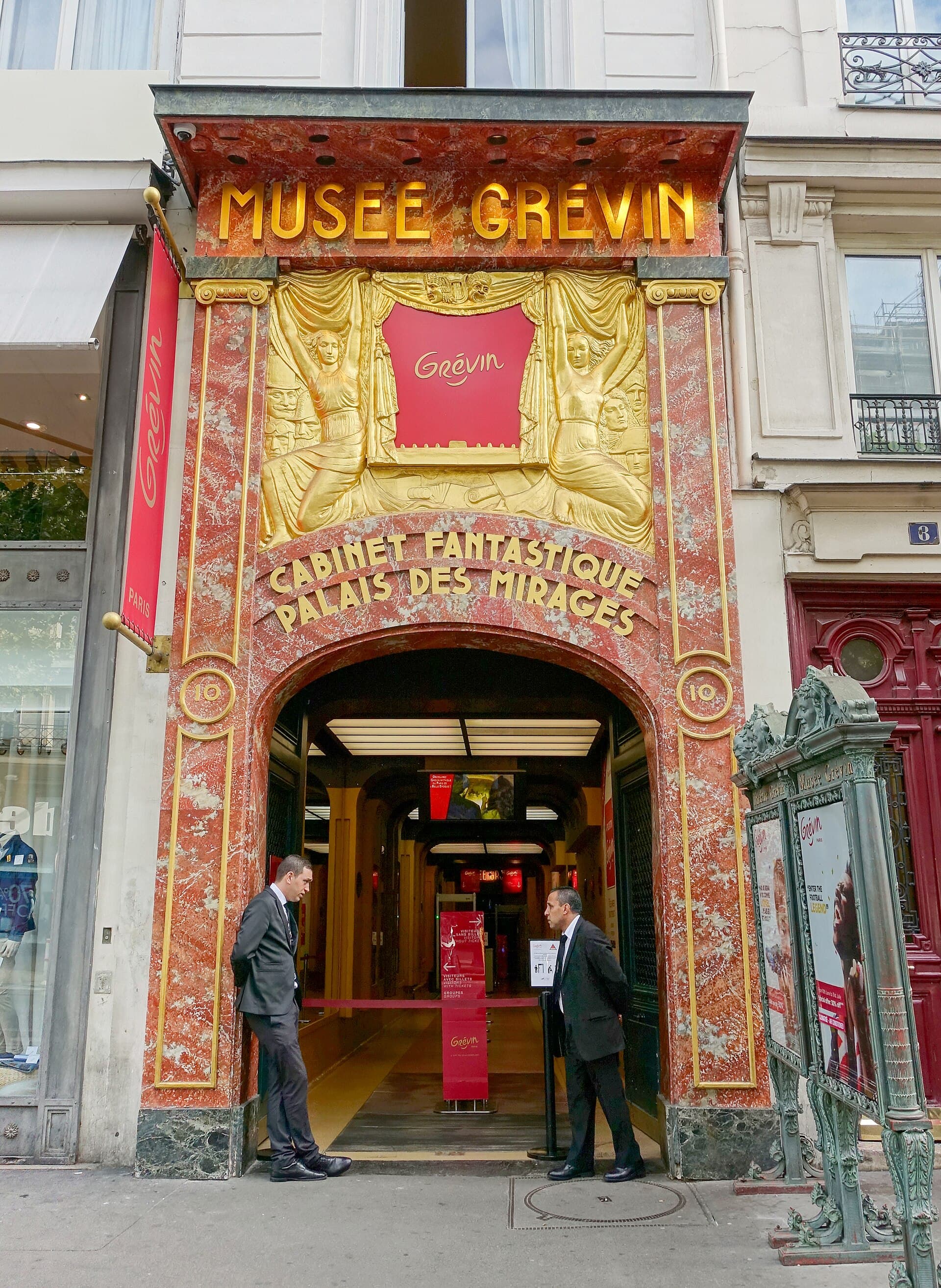 Musée GrévinSince 1882, Grévin has been casting Paris's celebrities in wax — a full generati11 minutes walk4.3
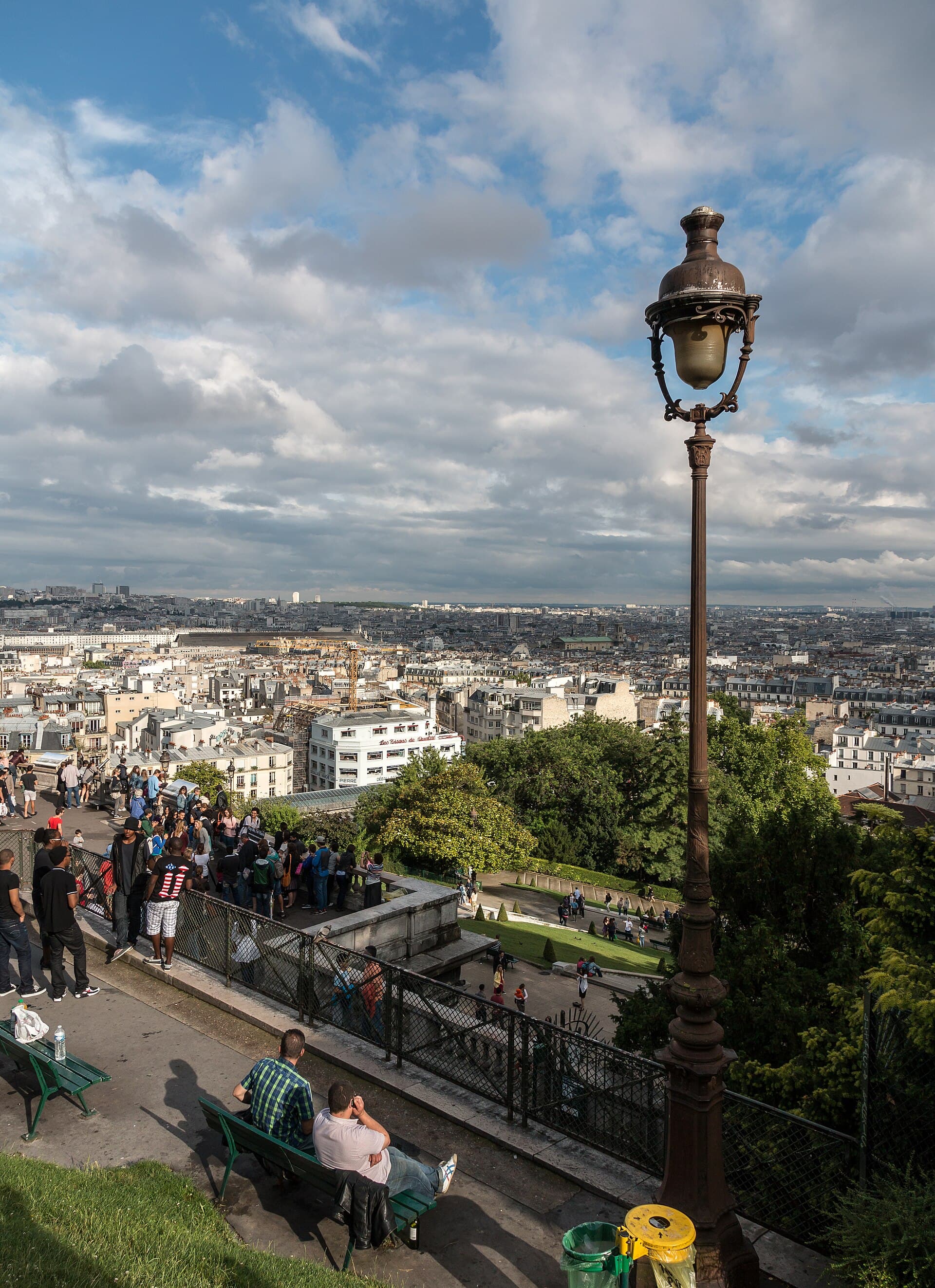 square Louise-MichelThe green carpet unrolled at Sacré-Cœur's feet: Square Louise Michel — named for13 minutes walk4.4
Looking for halal food near Musée Gustave Moreau? There are several options nearby, from Moroccan and Indian kitchens to quick casual spots and places with a view. Confirm the halal status and opening hours before you go — these can change.
Yes, because **the place itself** is the experience before the paintings. You enter a house its owner converted with his own hands into a museum and arranged entirely himself, so you see an artist's taste in organising his work rather than a curator's. Walls covered completely in paintings, an iron spiral staircase, an apartment with its furniture — all of that reads without any knowledge of Symbolism. The works are mythological scenes, richly coloured and densely detailed, which many people take to at first sight. And the museum is **small and cheap**, so the risk is low: one hour.
The **Musée de la Vie Romantique**, minutes away on foot in the same quarter, which is **free** and has a garden and café — the two together make an excellent quiet half-day away from tourist Paris. The neighbourhood around them (the Nouvelle Athènes, in the ninth) was the Romantics' own: Chopin, Sand and Delacroix lived here. Add that you are minutes from **Montmartre** to the north and the **Opéra Garnier** to the south, so this can be the calm stretch of a busier day.