
Three layers
Air defence, then shanty town, then heritage site — the story outweighs the view itself.
Toniher — CC BY-SA 3.0 · Felix König — CC BY 3.0 · Mickey Løgitmark — CC BY 3.0 · Mickey Luigi Løgitma… — CC BY 3.0
A hill overlooking Barcelona from the north-east, with the remains of an anti-aircraft gun battery on its summit, installed in 1937 during the Spanish Civil War to defend the city against air raids. After the war the site was used for something else entirely: migrants arriving from southern Spain built an improvised shanty settlement here that lasted into the 1980s, when it was cleared ahead of the 1992 Olympics. The concrete foundations of those houses are still visible between the gun emplacements. That layering, air defence then a squatter district then a heritage site, is what makes the place more than a viewpoint, and it is what the interpretive trail run by Barcelona's city history museum explains. The view itself is among the widest in the city: the centre, the coast, the Sagrada Família and Montjuïc in one frame. The climb is free and open but hard work: a long stepped ascent from the metro, and the site is exposed with no shade.
Air defence, then shanty town, then heritage site — the story outweighs the view itself.
Concrete from the shanty settlement is still visible between the gun emplacements.
The centre, the coast, the Sagrada Família and Montjuïc in one frame.
Turó de la Rovira, El Carmel, Barcelona
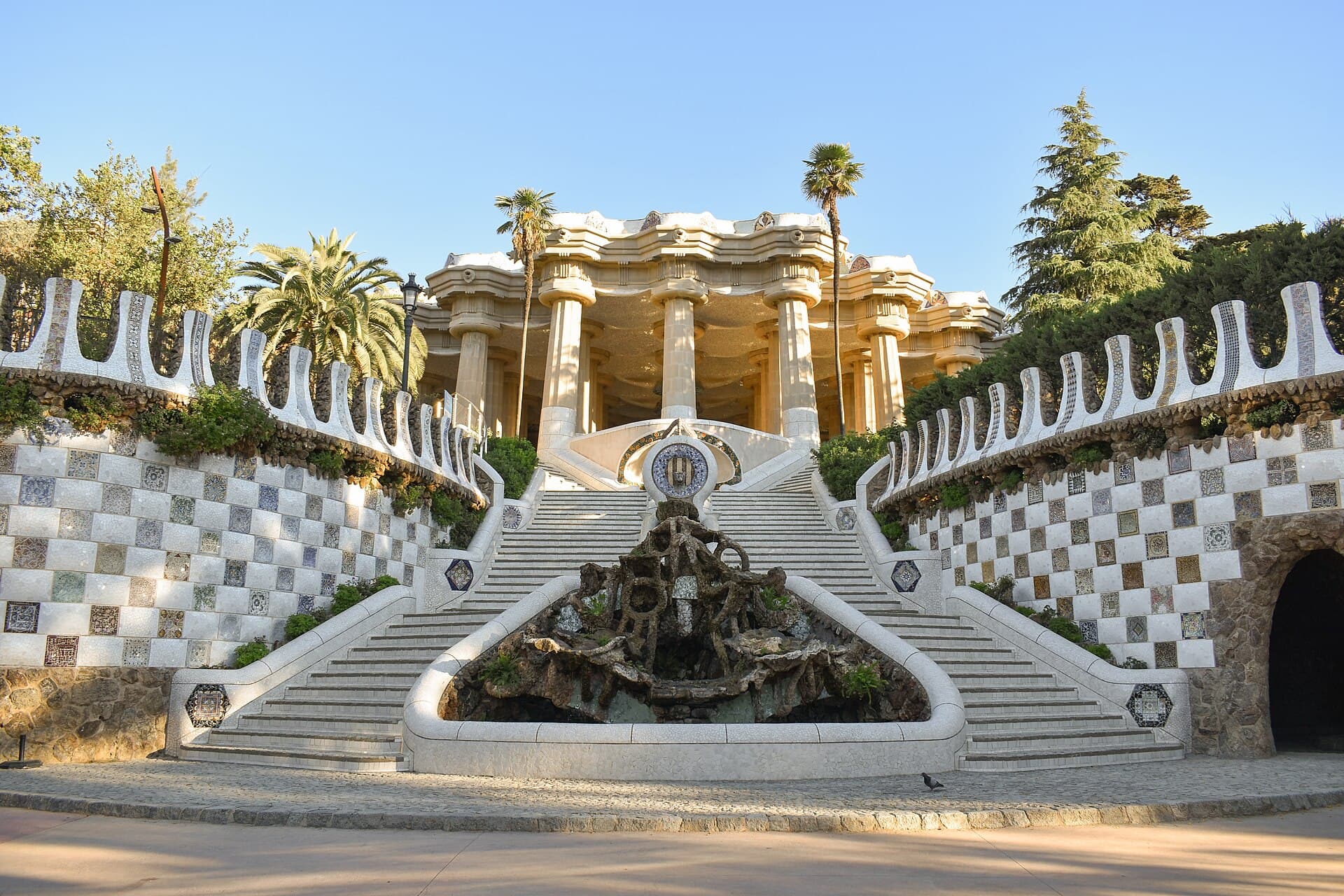 Park GüellPark Güell is Gaudí in the open air: a garden-city venture that failed commercia12 minutes walk4.3
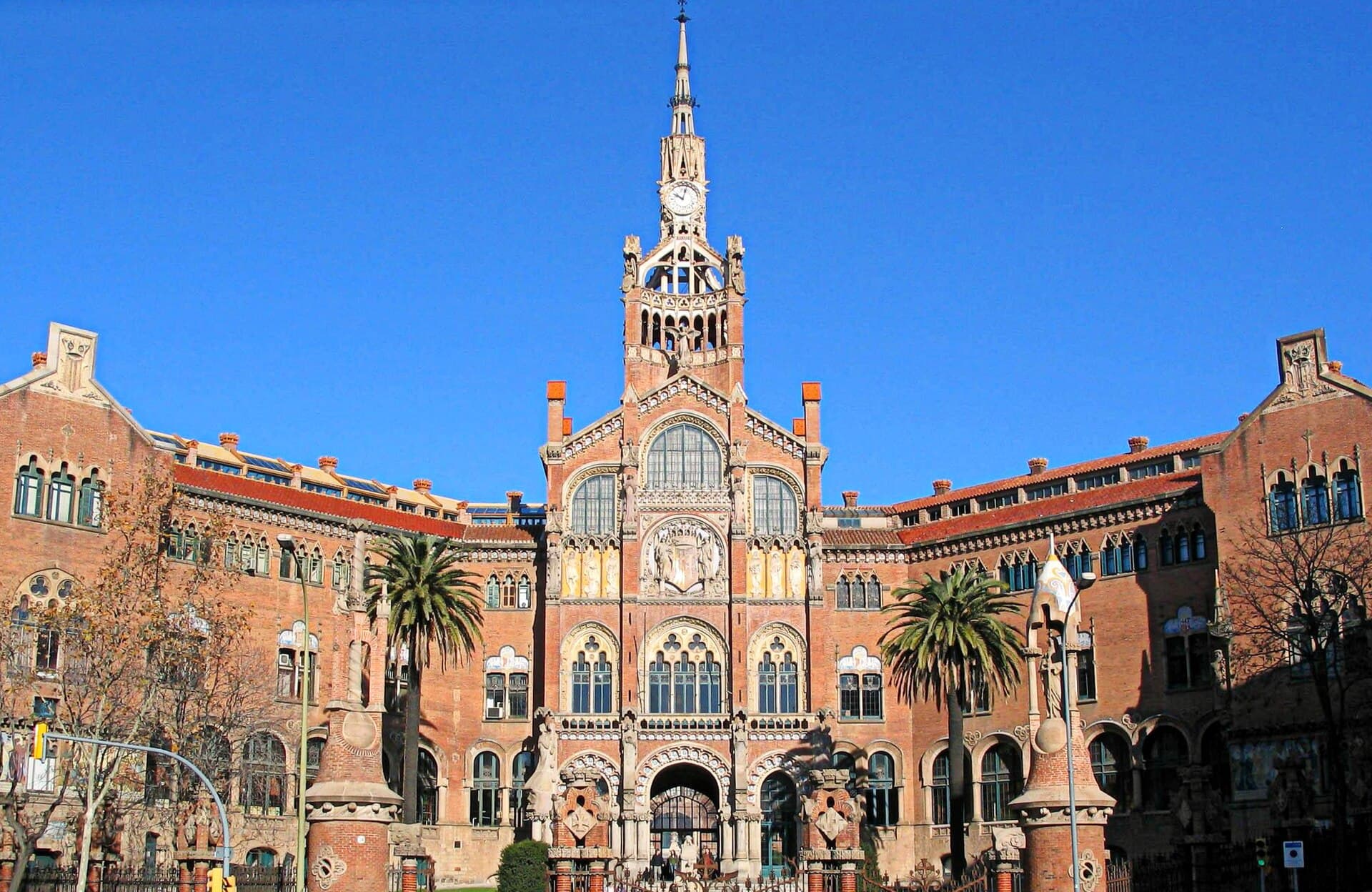 Recinte Modernista de Sant PauSant Pau is not Gaudí. It is by his contemporary — and his teacher at the archit16 minutes walk4.5
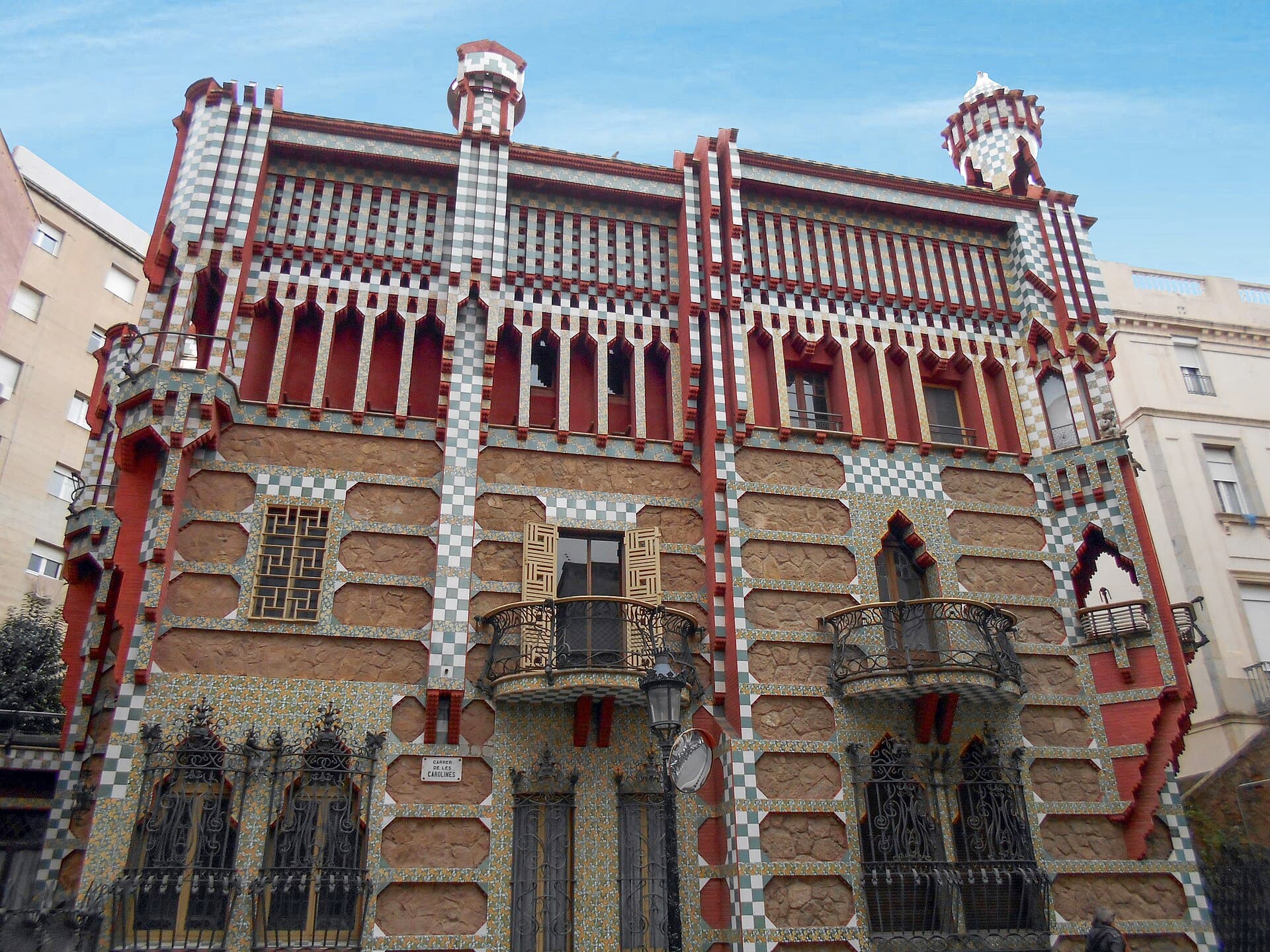 Casa VicensCasa Vicens is the absolute beginning: the first house Gaudí ever built (1883-8525 minutes walk4.6
Metro to El Carmel or Alfons X, then an uphill walk of about twenty minutes on steps and slopes. Nothing goes to the summit directly. Anyone who finds the climb difficult will get a closer and easier, if narrower, view from Park Güell.
Yes, it has become a known sunset spot and fills in the evening in summer. Early morning is far quieter and the light is also good for photographing towards the city. There are no facilities at the top, so bring what you need.