
The serpentine bench
The world's longest mosaic bench embracing city and sea.
Canaan — CC BY-SA 4.0 · Baikonur — CC BY-SA 3.0 · Bewahrerderwerte — CC BY-SA 4.0 · Bewahrerderwerte — CC BY-SA 4.0
Park Güell is Gaudí in the open air: a garden-city venture that failed commercially a century ago, leaving Barcelona Europe's loveliest storybook park — the mosaic salamander at the stair, the hall of leaning Doric columns like a grove, and above it the great terrace whose serpentine bench, the world's longest in mosaic, embraces a view of the city to the sea. The Monumental Zone — Gaudí's heart — runs on timed, capped tickets, so advance booking is essential in season. Around that core spreads a free pine woodland of paths and lookouts worth lingering in, holding the pink house where Gaudí lived twenty years (a small museum on its own ticket). It all sits on a hill and the ascent is a journey: buses or a taxi spare you the long stairs, and early morning beats the waves.
The world's longest mosaic bench embracing city and sea.
The little mosaic dragon on the stair — Barcelona's most famous photo.
A grove of leaning columns bearing the terrace — the market of the city that never was.
The pink house he inhabited for twenty years amid the park.
08024 Barcelona
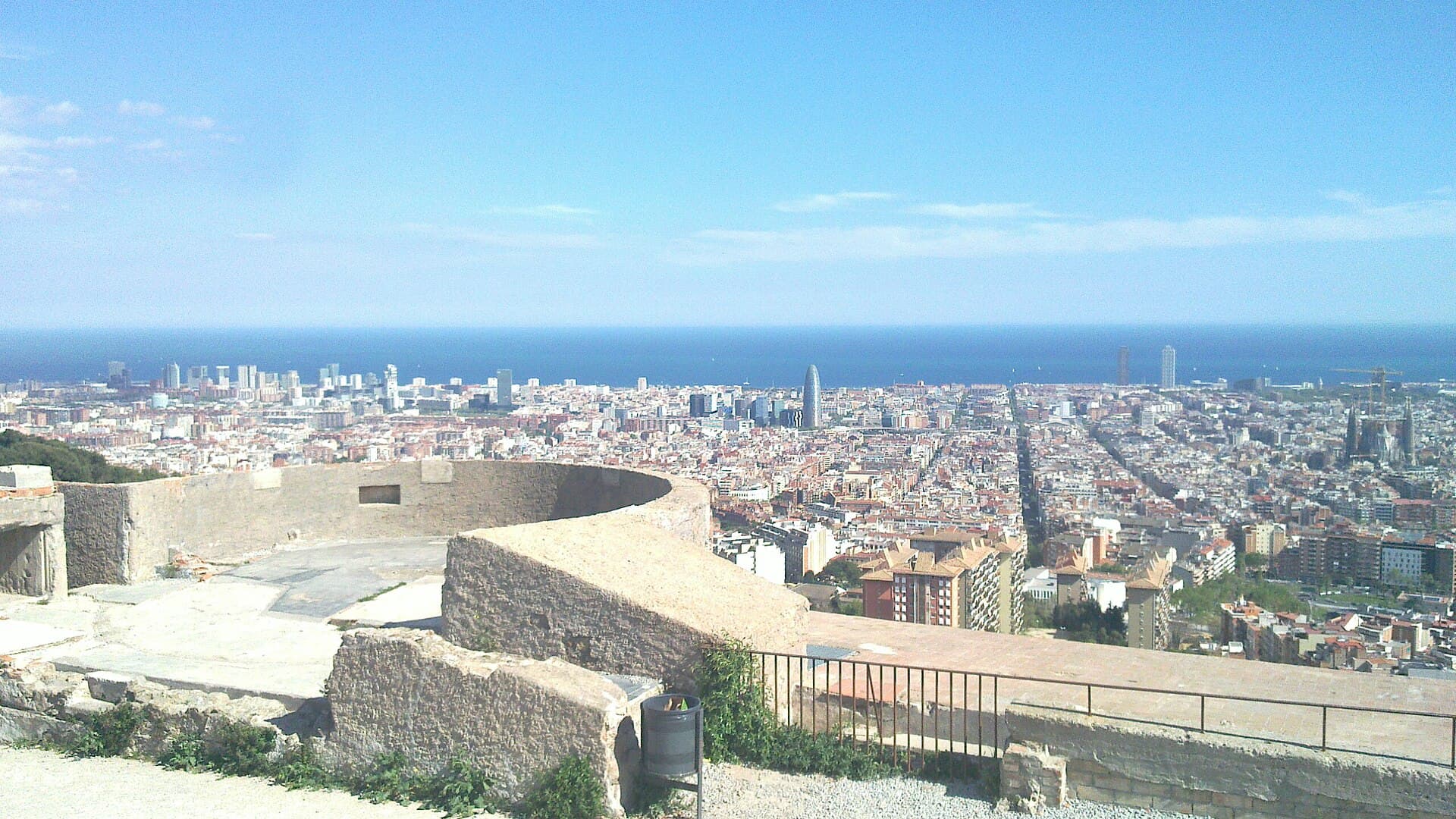 Turó de la Rovira and the BunkersA hill overlooking Barcelona from the north-east, with the remains of an anti-ai12 minutes walk4.5
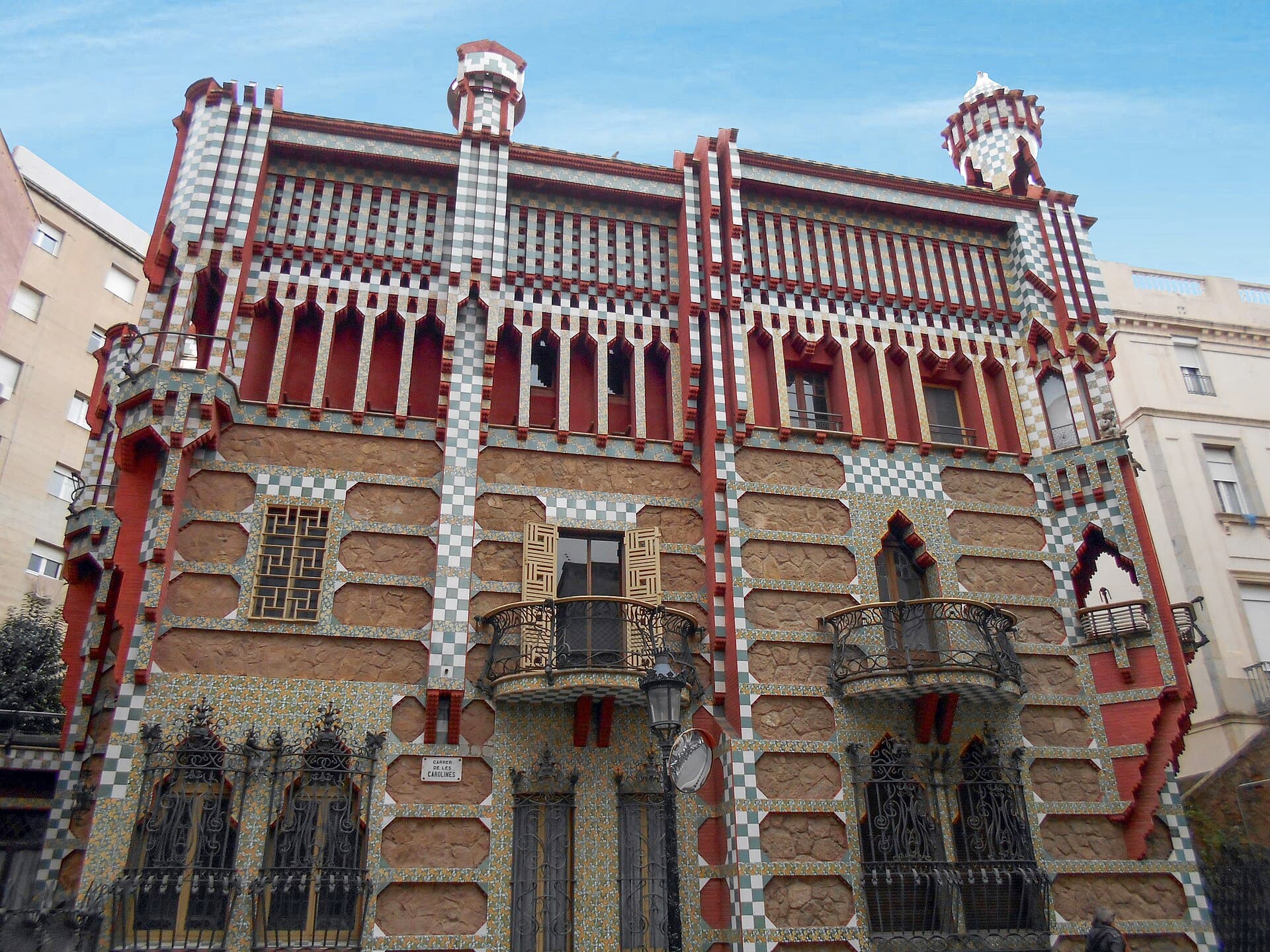 Casa VicensCasa Vicens is the absolute beginning: the first house Gaudí ever built (1883-8514 minutes walk4.6
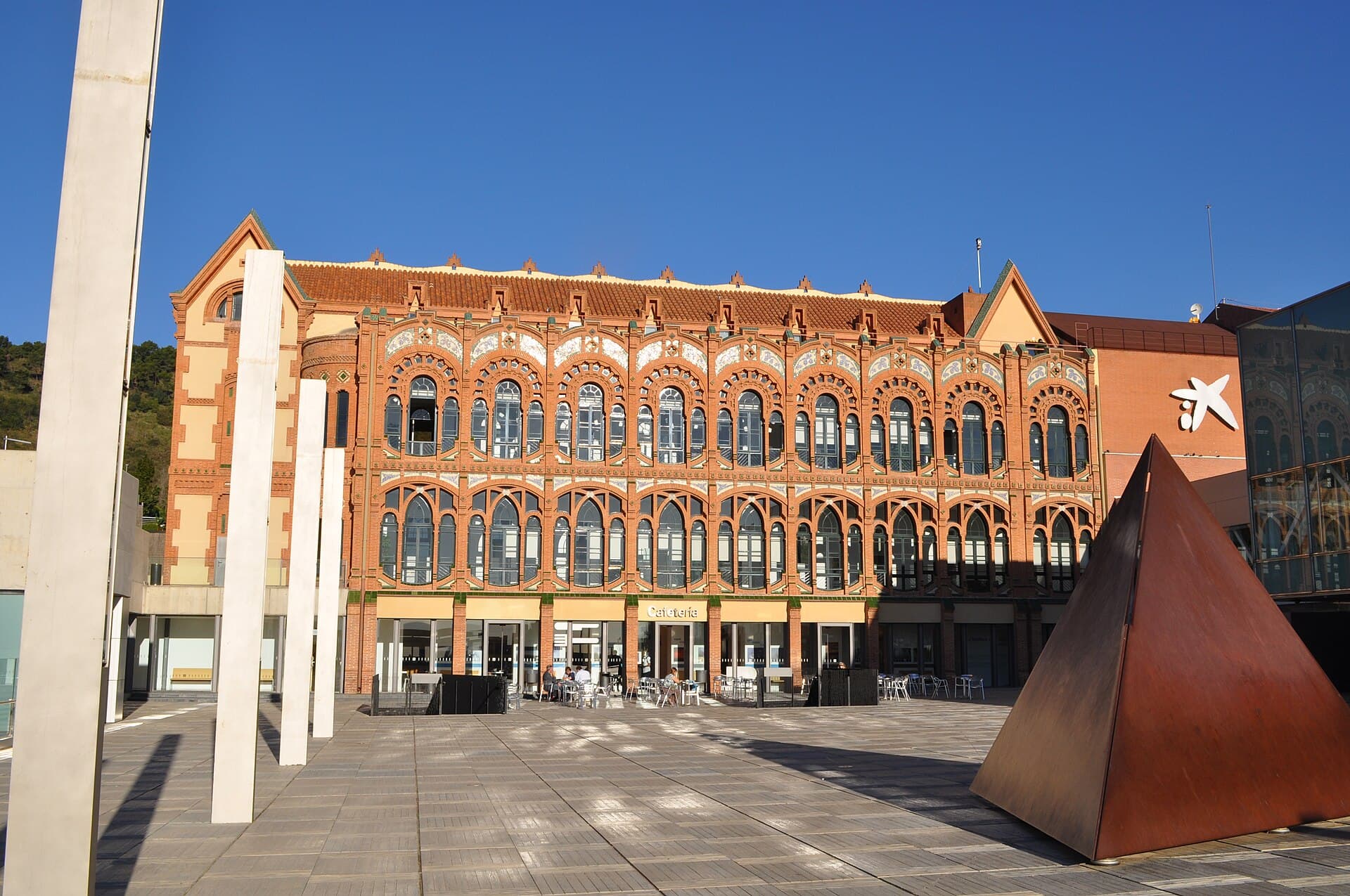 CosmoCaixa Science MuseumCosmoCaixa is among Europe's best science museums and its most generous — a six-23 minutes walk4.8
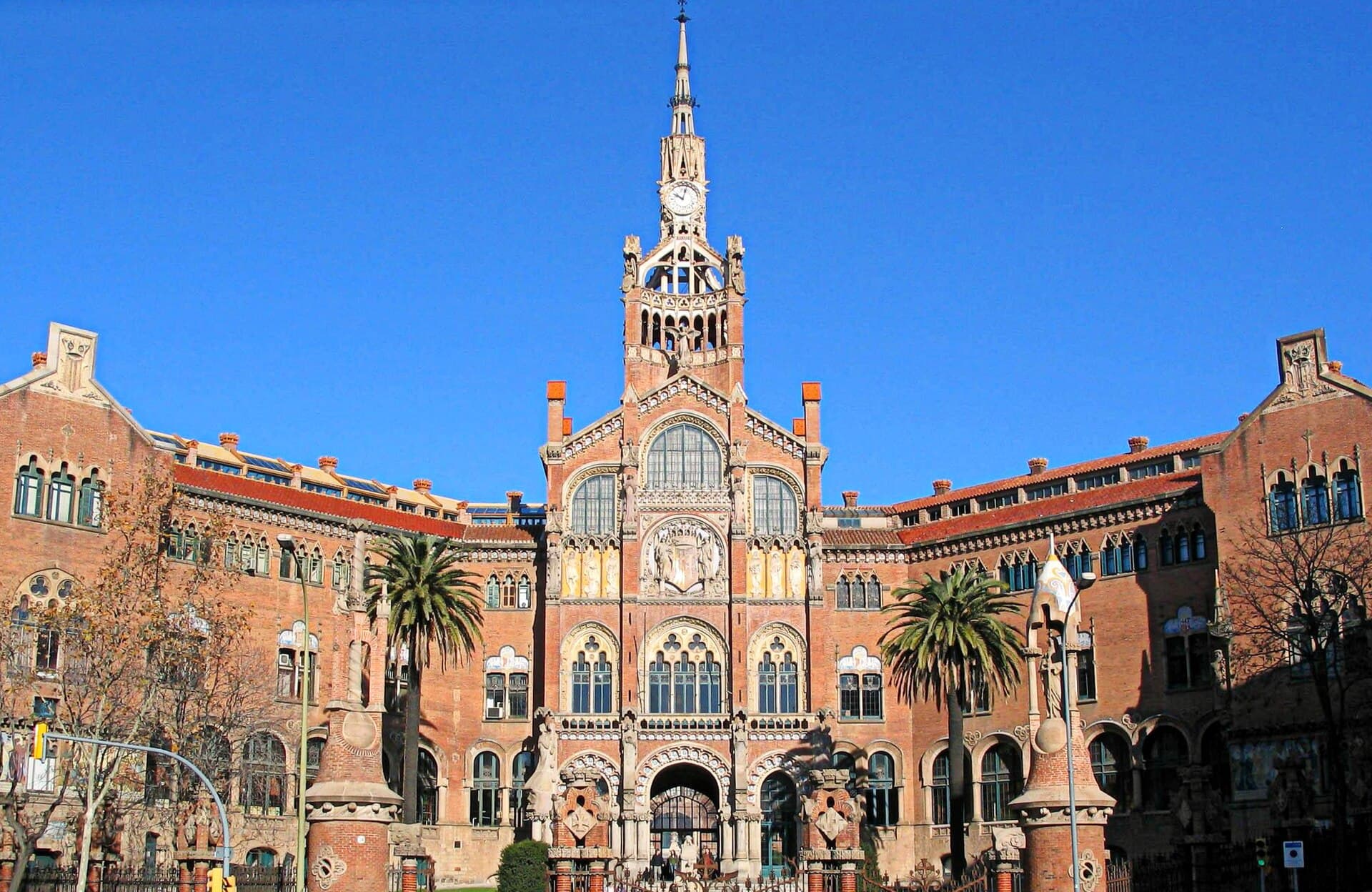 Recinte Modernista de Sant PauSant Pau is not Gaudí. It is by his contemporary — and his teacher at the archit23 minutes walk4.5
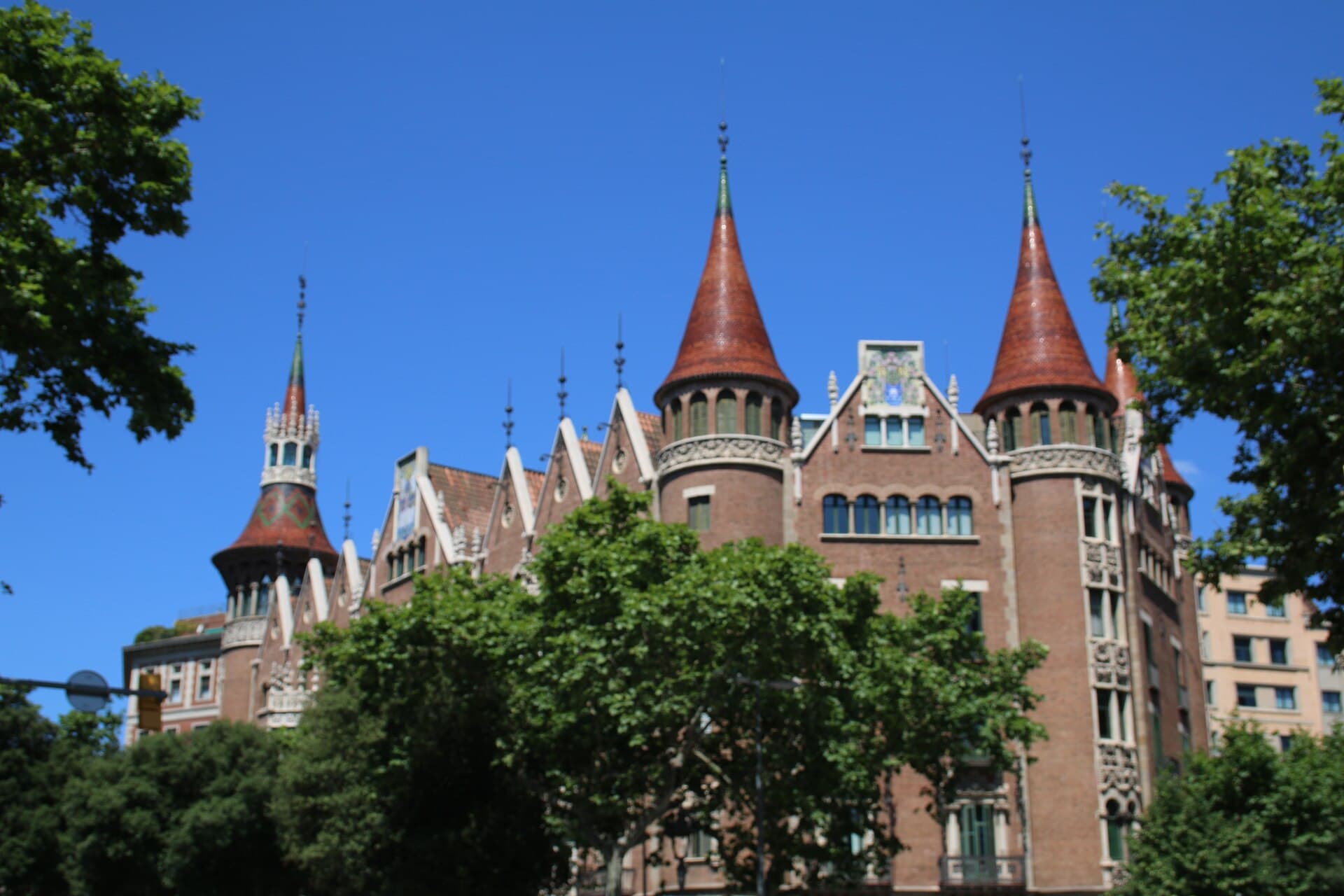 Casa de les PunxesA modernista apartment block on the corner of Avinguda Diagonal, on its own tria25 minutes walk4.3
Crowds nearly swallowed it, so in 2013 the city ringed Gaudí's core with slots and a visitor cap — a decision that genuinely saved it: busy inside, but bearable. The woodland stayed free, and its lookouts alone reward the climb if tickets are gone.
Bus 24 from Passeig de Gràcia drops you near the upper gate — the smart way. Metro plus walking means long climbing stairs (some escalators). A taxi up is justified luxury, walking down through pretty Gràcia the reward.
An hour for the Monumental Zone, another for woodland and lookouts — an ideal half-morning, closed with lunch in Gràcia below.