
The tunnels underneath
Underground passages once moved patients between pavilions out of the rain; one restored, lit stretch is open on the visit route.
Matinibz — CC BY-SA 3.0 · Txllxt TxllxT — CC BY-SA 4.0 · Txllxt TxllxT — CC BY-SA 4.0 · Txllxt TxllxT — CC BY-SA 4.0
Sant Pau is not Gaudí. It is by his contemporary — and his teacher at the architecture school — Lluís Domènech i Montaner: an entire hospital, begun in 1902, laid out not as one block but as a village of decorated pavilions in gardens, on the theory that light, air and greenery were part of the cure. It ran as a hospital until 2009, when medicine moved to a modern building behind and the old pavilions were restored for visitors. You walk between façades of mosaic, brick and ceramic, go down into a restored stretch of the tunnels that once carried patients between pavilions out of the rain, and see a ward furnished as it was. It is UNESCO World Heritage listed alongside the same architect's Palau de la Música Catalana. Its real advantage is calm. After the queues at the Sagrada Família and Casa Batlló, you get space, benches and photographs without strangers' heads in them — ten minutes' walk from the basilica along Avinguda de Gaudí, the avenue drawn to link the two. With one day, the basilica comes first; from two days up it is an easy addition, cheaper than the Gaudí houses.
Underground passages once moved patients between pavilions out of the rain; one restored, lit stretch is open on the visit route.
The most decorated corner of the site: mosaic and stained glass beneath its ornamented tower.
The complex sits at an angle to the Eixample grid, and Avinguda de Gaudí runs from its gate to the basilica.
Carrer de Sant Antoni Maria Claret 167, 08025 Barcelona
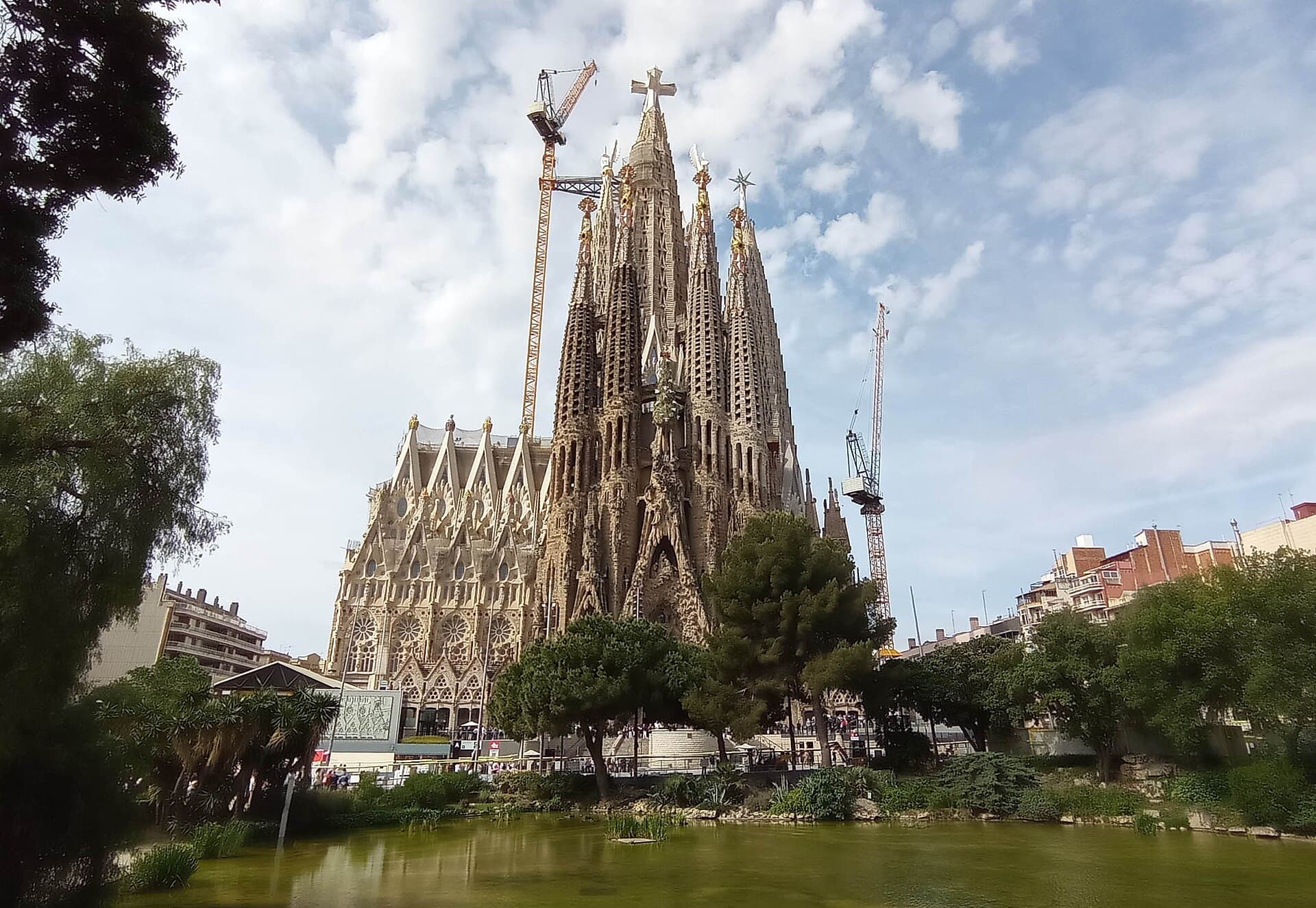 Sagrada FamíliaThe Sagrada Família is the world's most famous unfinished building — Antoni Gaud13 minutes walk4.7
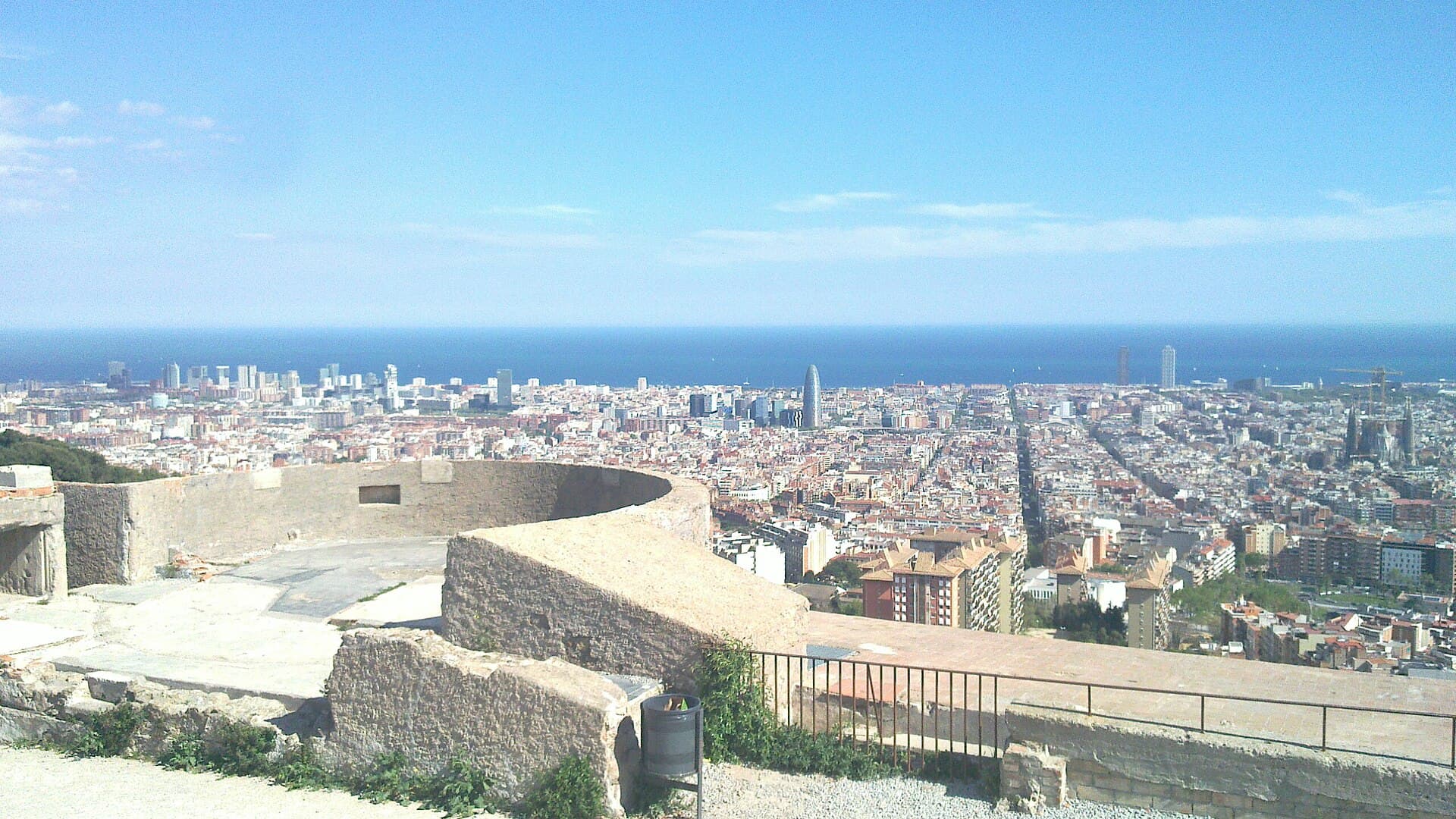 Turó de la Rovira and the BunkersA hill overlooking Barcelona from the north-east, with the remains of an anti-ai16 minutes walk4.5
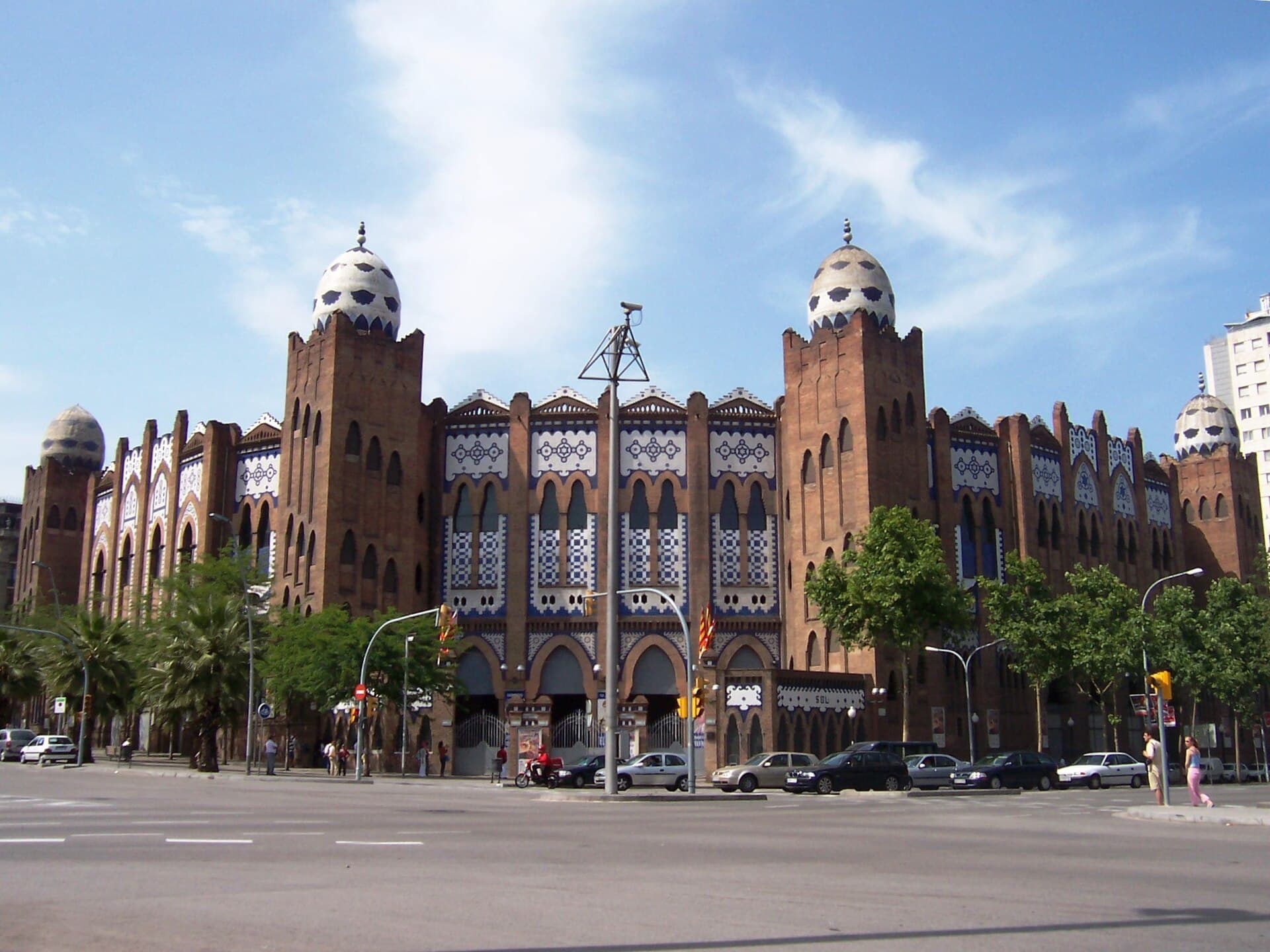 La MonumentalA vast early twentieth-century building on the Gran Via, formerly the last worki19 minutes walk4.3
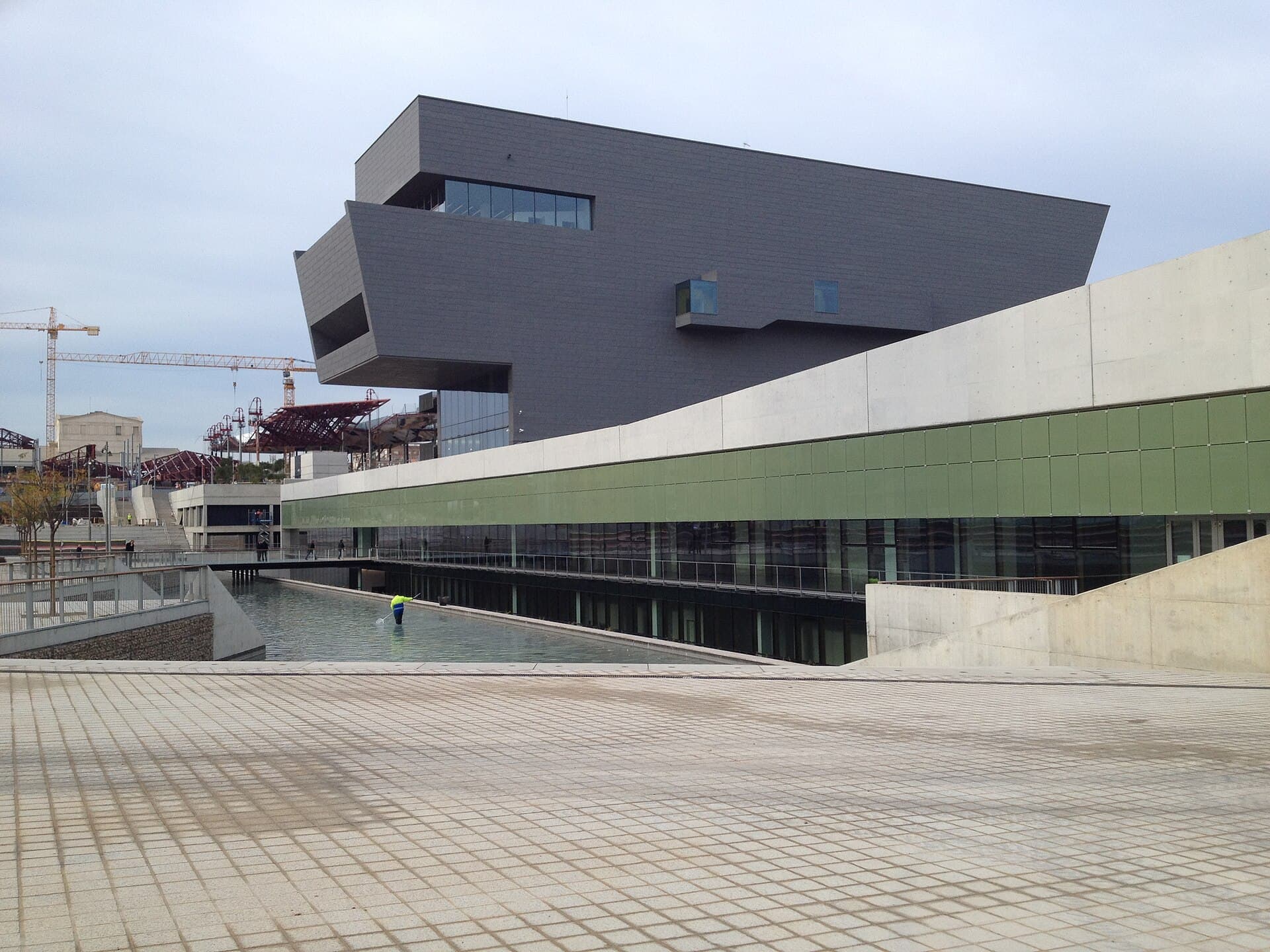 Design Museum of BarcelonaThe Design Museum sits on Plaça de les Glòries in a heavy grey block, one end of20 minutes walk4.4
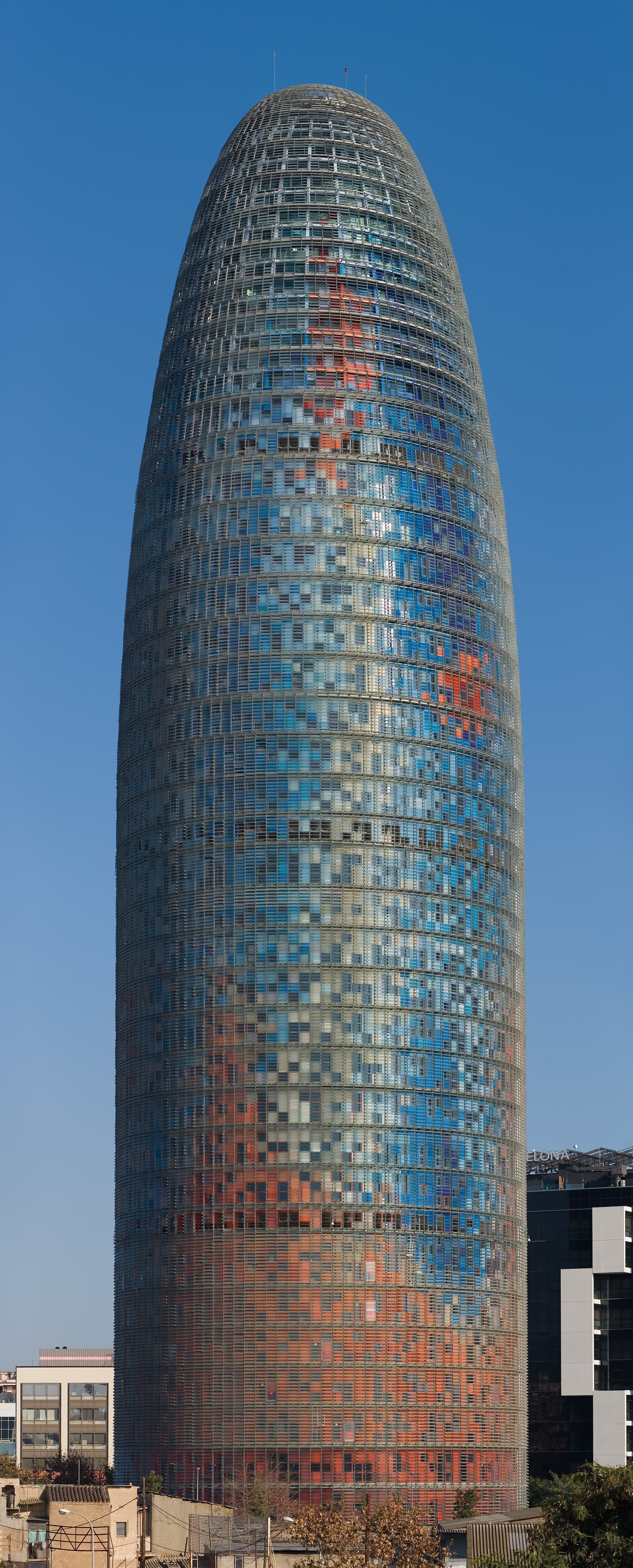 Mirador Torre GlòriesTorre Glòries is the bullet-shaped tower that has become one of modern Barcelona20 minutes walk4.6
Yes, because it is a different architect in the opposite mood: the Gaudí houses are carved, crowded and walked on a fixed indoor route, while here you get gardens, space and pavilions to wander between without a queue. The difference is in the experience, not only the style, which is why it works better after them than before.
Usually not. Demand here is far lower than at the Sagrada Família or Casa Batlló, and tickets are usually available at the gate. Opening hours do change between summer and winter, so check the official site on the day rather than trusting old times.
Book the basilica for the first morning slot, then walk ten minutes uphill along Avinguda de Gaudí to Sant Pau: Administration Pavilion first, then the tunnels, then the pavilions and gardens, ending at the front terrace where the avenue frames the basilica's towers in the distance. Reverse the order if your church slot is in the afternoon. Nearest station: Sant Pau | Dos de Maig (L5).