
Almost nothing remains
The ghetto was demolished entirely with explosives after the rising.
Adrian Grycuk — CC BY-SA 3.0 pl · Adrian Grycuk — CC BY 3.0 pl · Nelson Pérez — CC BY-SA 3.0 · Adrian Grycuk — CC BY-SA 3.0 pl
An original section of the Warsaw ghetto wall, preserved in an inner courtyard between residential buildings on Sienna street. Reaching it is not obvious: you enter through the doorway of an ordinary block and cross a courtyard to find the brick wall standing with a memorial plaque. There are no large signs and no formal entrance — which is itself part of the place's effect. The Warsaw ghetto was the largest in occupied Europe: about four hundred thousand people were confined in an area of no more than three and a half square kilometres. Tens of thousands died there of hunger and disease before the deportations to Treblinka began in the summer of 1942. In April 1943 the ghetto uprising broke out — the first major armed civilian rising in occupied Europe. It held out about a month before being crushed, and the ghetto was then demolished entirely with explosives. This is why almost nothing of it remains: this section and a few others. A public space, free to see.
The ghetto was demolished entirely with explosives after the rising.
April 1943, holding out about a month.
You enter an ordinary block and cross a courtyard to find it.
An inner courtyard on Sienna street
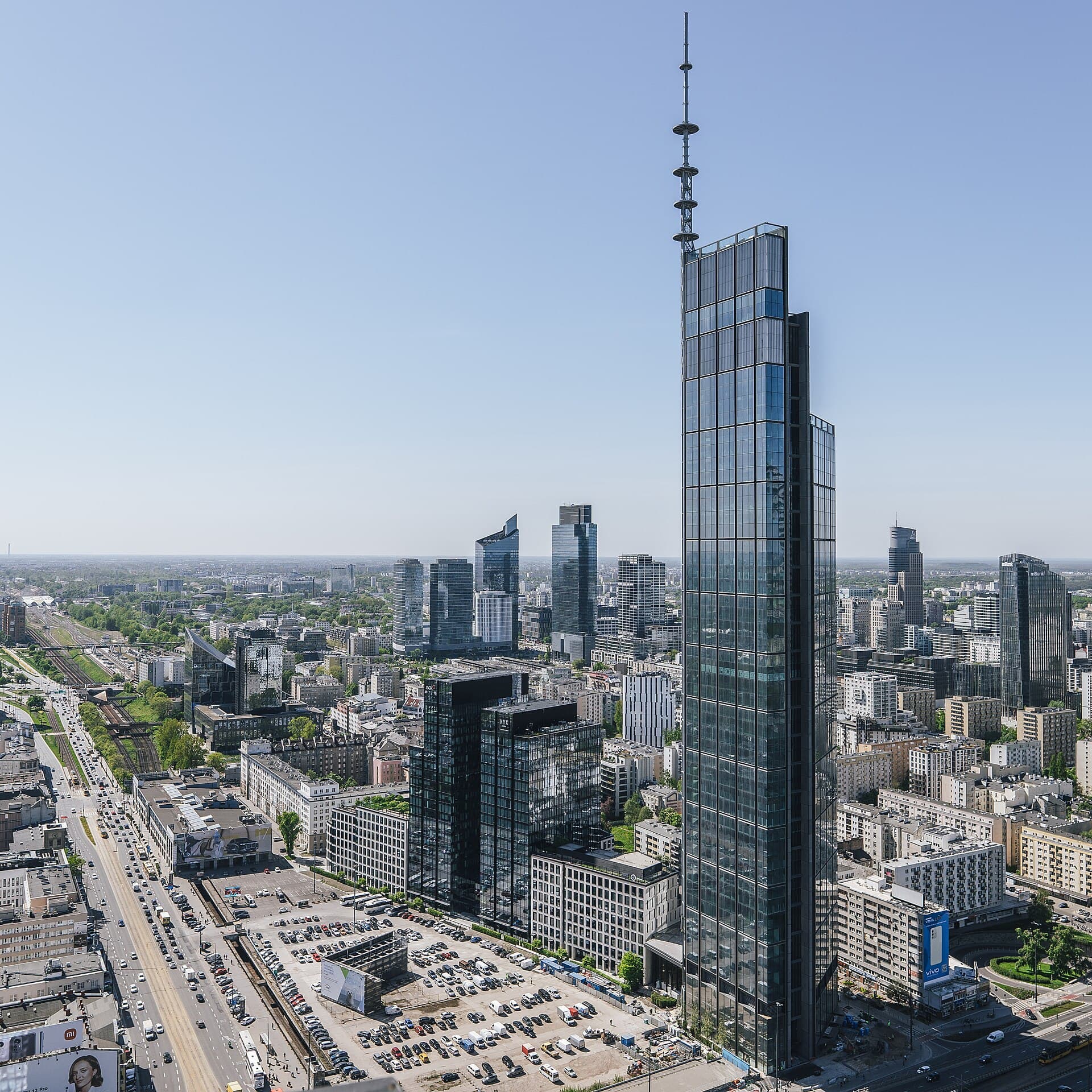 Varso TowerThe tallest building in the European Union at three hundred and ten metres inclu3 minutes walk4.6
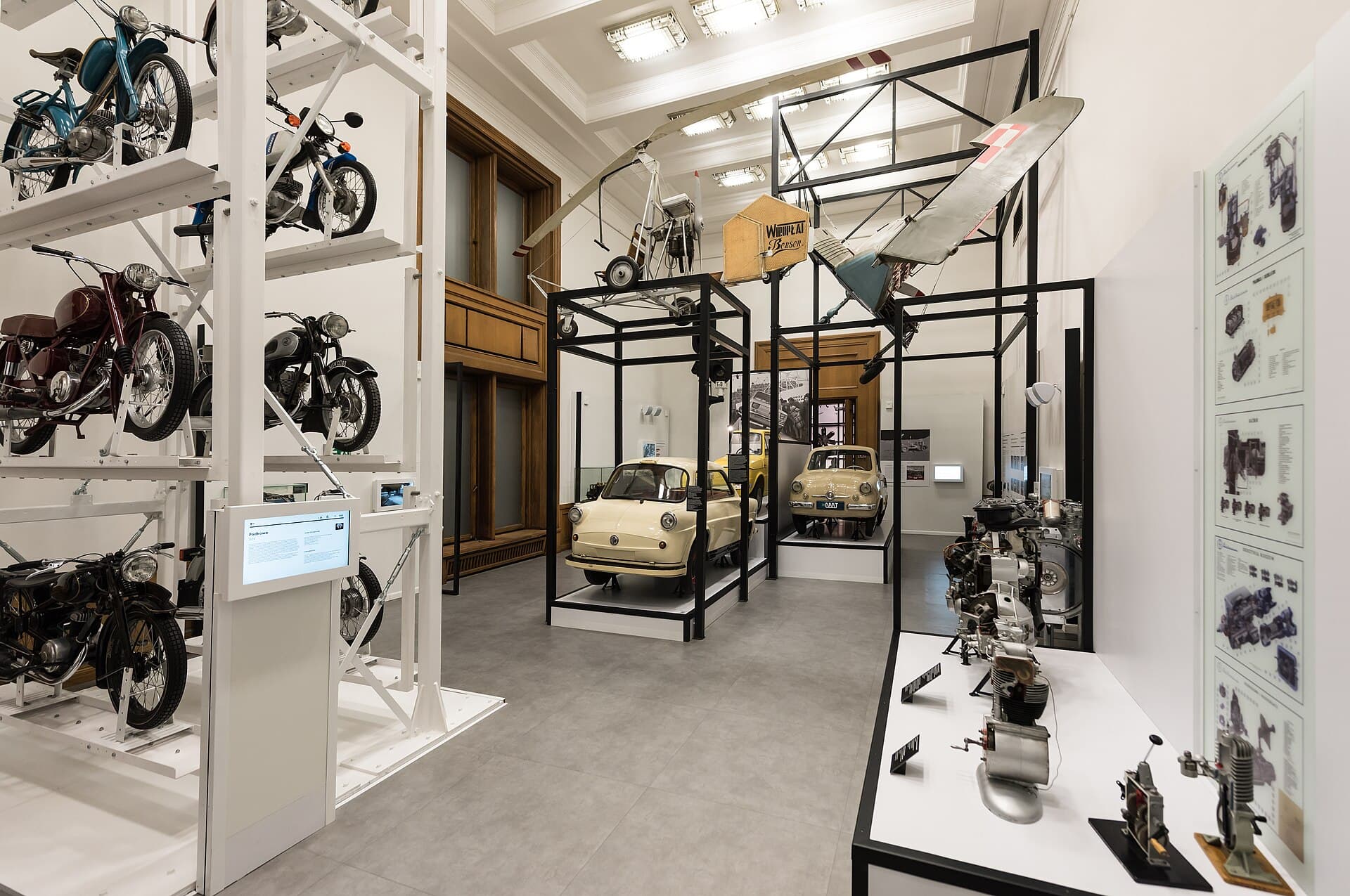 National Museum of TechnologyA museum of technology and industry inside Warsaw's Palace of Culture and Scienc6 minutes walk4.6
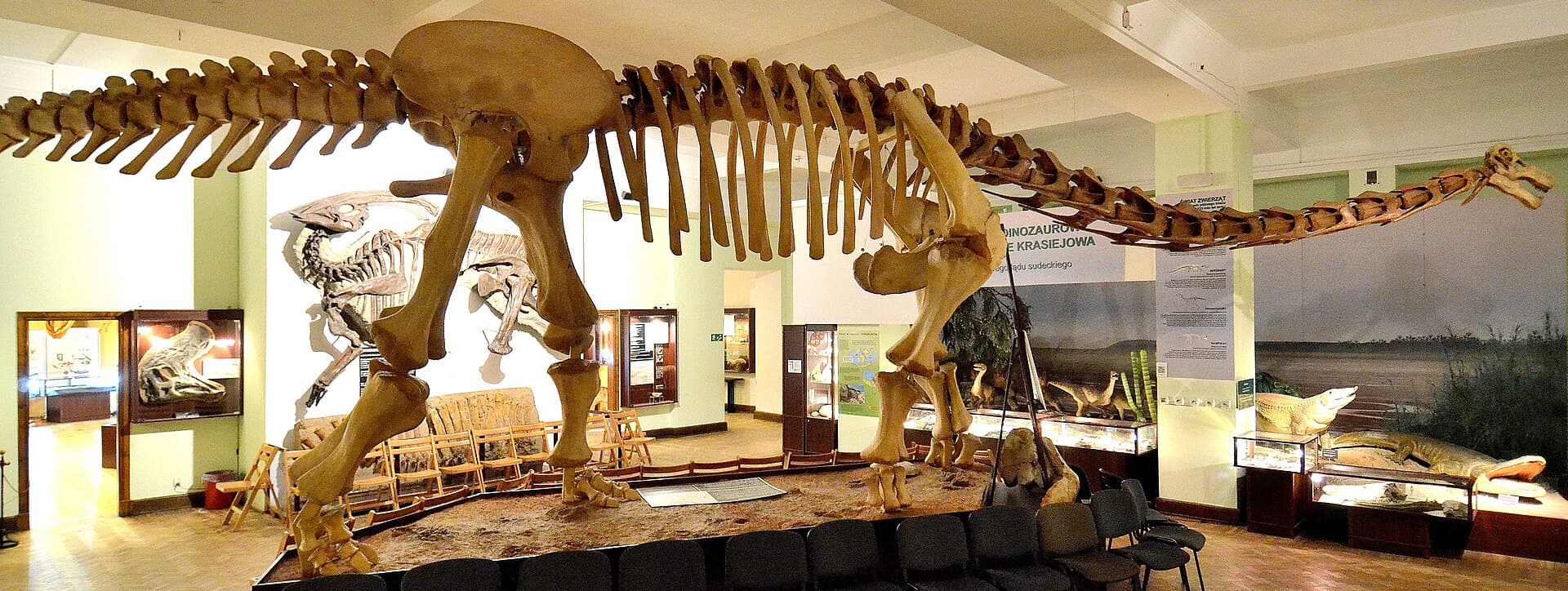 The Museum of EvolutionA palaeontology museum belonging to the Institute of Paleobiology of the Polish 6 minutes walk4.3
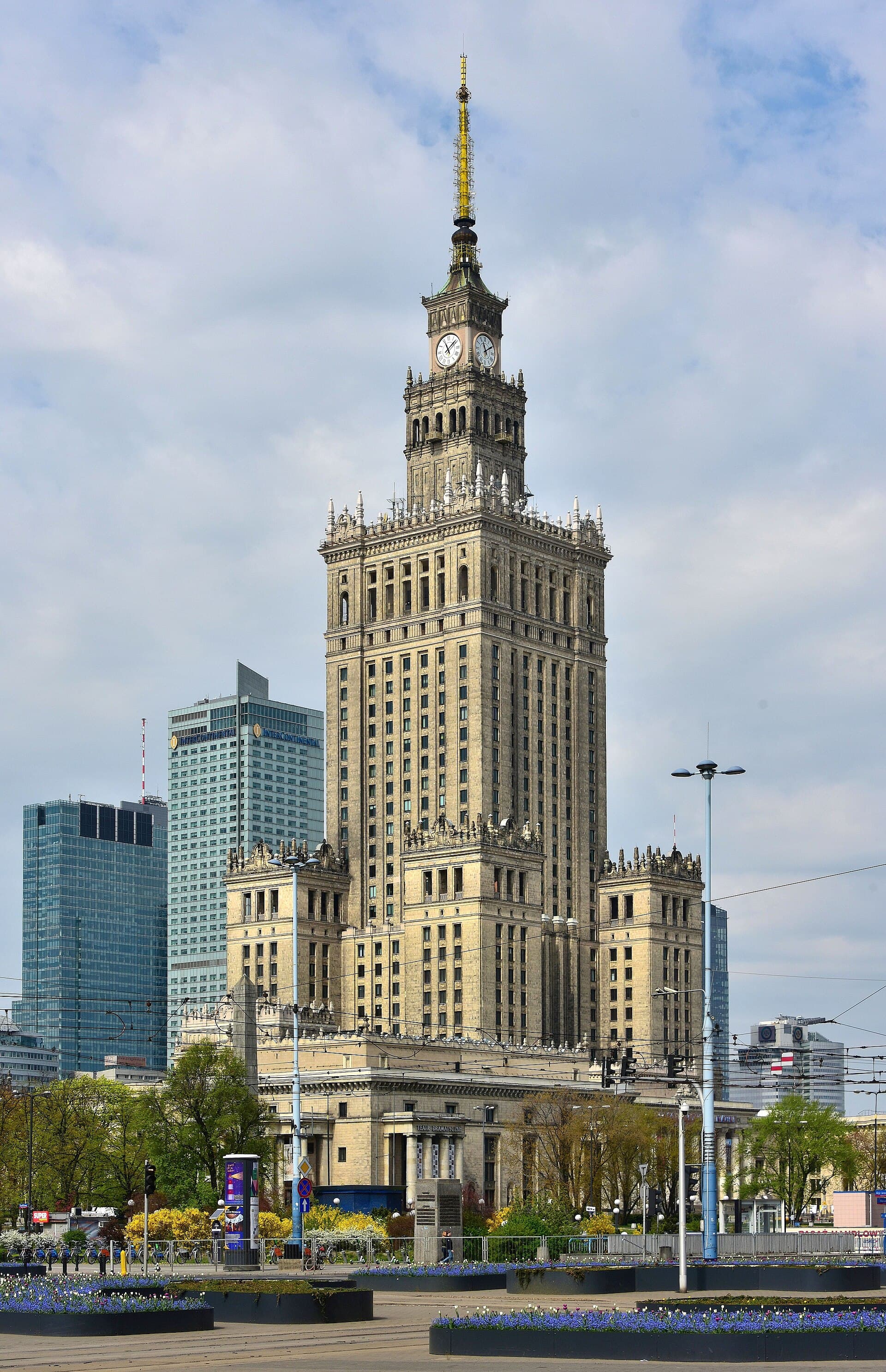 The Palace of Culture and ScienceThe Palace of Culture is Warsaw's argumentative giant: 237 metres of Stalin's gi6 minutes walk4.7The Invisible ExhibitionAn exhibition in Warsaw whose entire tour takes place in total darkness, led by 11 minutes walk4.7
Two different events often confused. The Ghetto Uprising of April 1943 was fought by Jewish fighters inside the ghetto when the deportation of those remaining began, a desperate resistance with no hope of victory that ended in the ghetto's destruction. The Warsaw Uprising of August 1944 was fought by the Polish resistance, the Home Army, across the whole city, lasted sixty-three days and ended with Warsaw almost entirely destroyed. Each has its own museum and memorial.
The POLIN Museum of the History of Polish Jews — a striking contemporary building in the heart of what was the ghetto, whose permanent exhibition covers a thousand years of Jewish history in Poland rather than the Holocaust alone, and is among Europe's finest museums. Before it stands the Ghetto Heroes monument. The Umschlagplatz memorial marks the point from which people were deported to Treblinka. And a trail of ghetto boundary markers is set into the pavements across the city.