
The Fighting Dinosaurs
A Velociraptor and Protoceratops that died locked together in a sandstorm.
Adrian Grycuk — CC BY-SA 3.0 pl · Adrian Grycuk — CC BY-SA 3.0 pl · Adrian Grycuk — CC BY-SA 3.0 pl · Lamminiaz — CC BY-SA 4.0
A palaeontology museum belonging to the Institute of Paleobiology of the Polish Academy of Sciences, occupying part of the Palace of Culture and Science in central Warsaw. Its location in that building is itself interesting: the Palace of Culture was Stalin's gift to Warsaw, built in the 1950s, and is Poland's tallest building and a contested symbol — many see it as a mark of Soviet domination and have repeatedly proposed demolishing it. The best-known part of the collection is the Gobi Desert dinosaurs: between 1963 and 1971 Poland sent eight expeditions to Mongolia led by the palaeontologist Zofia Kielan-Jaworowska — the first woman anywhere to lead a major fossil expedition. The expeditions returned with more than twenty tonnes of bone, including complete and rare skeletons, the most famous being the Fighting Dinosaurs — a Velociraptor and a Protoceratops that died locked together in a sandstorm. Small, cheap and suitable for families.
A Velociraptor and Protoceratops that died locked together in a sandstorm.
The first woman to lead a major fossil expedition anywhere.
What the expeditions brought back from Mongolia.
The Palace of Culture and Science, central Warsaw
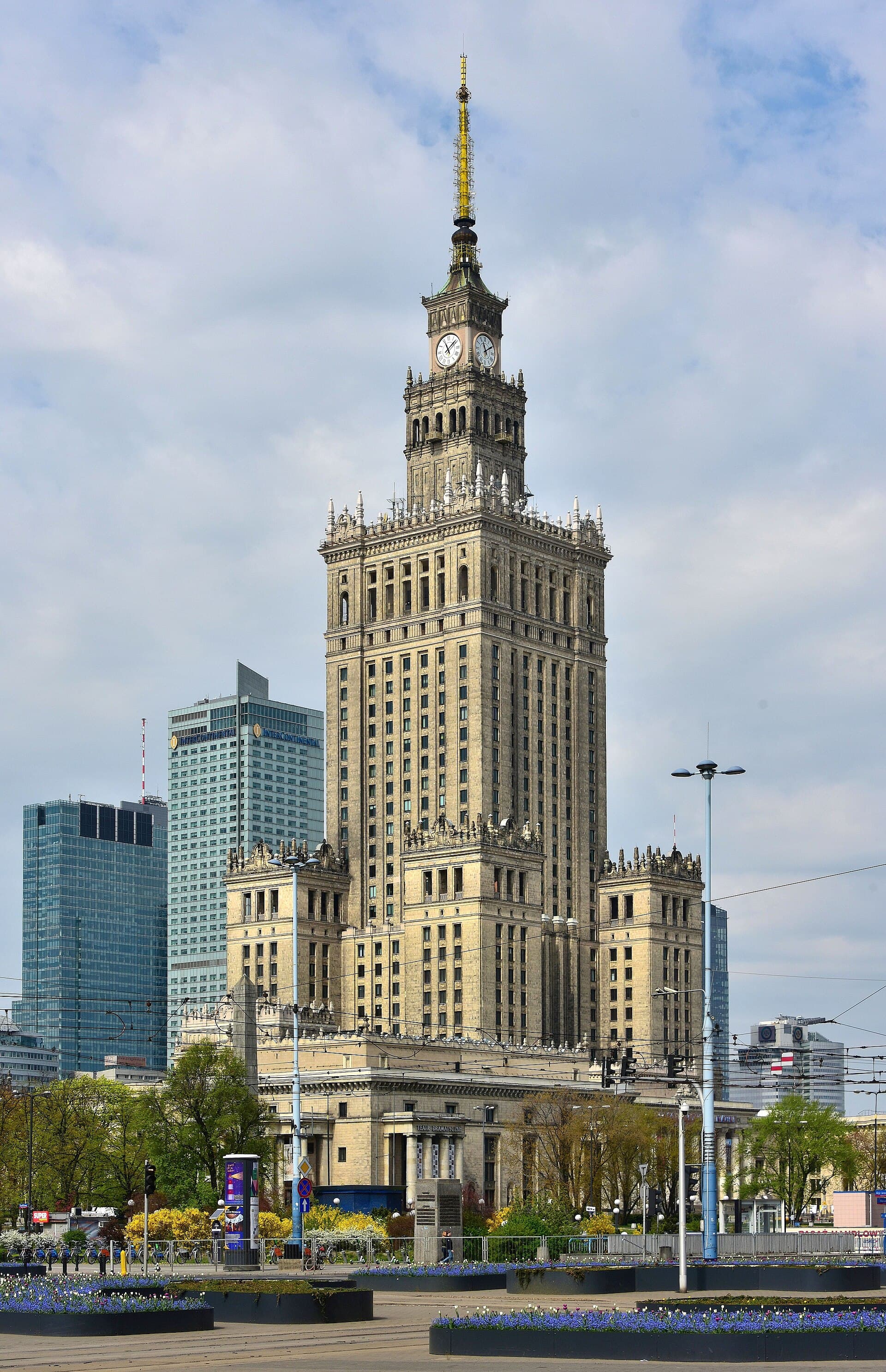 The Palace of Culture and ScienceThe Palace of Culture is Warsaw's argumentative giant: 237 metres of Stalin's gi1 minute walk4.7
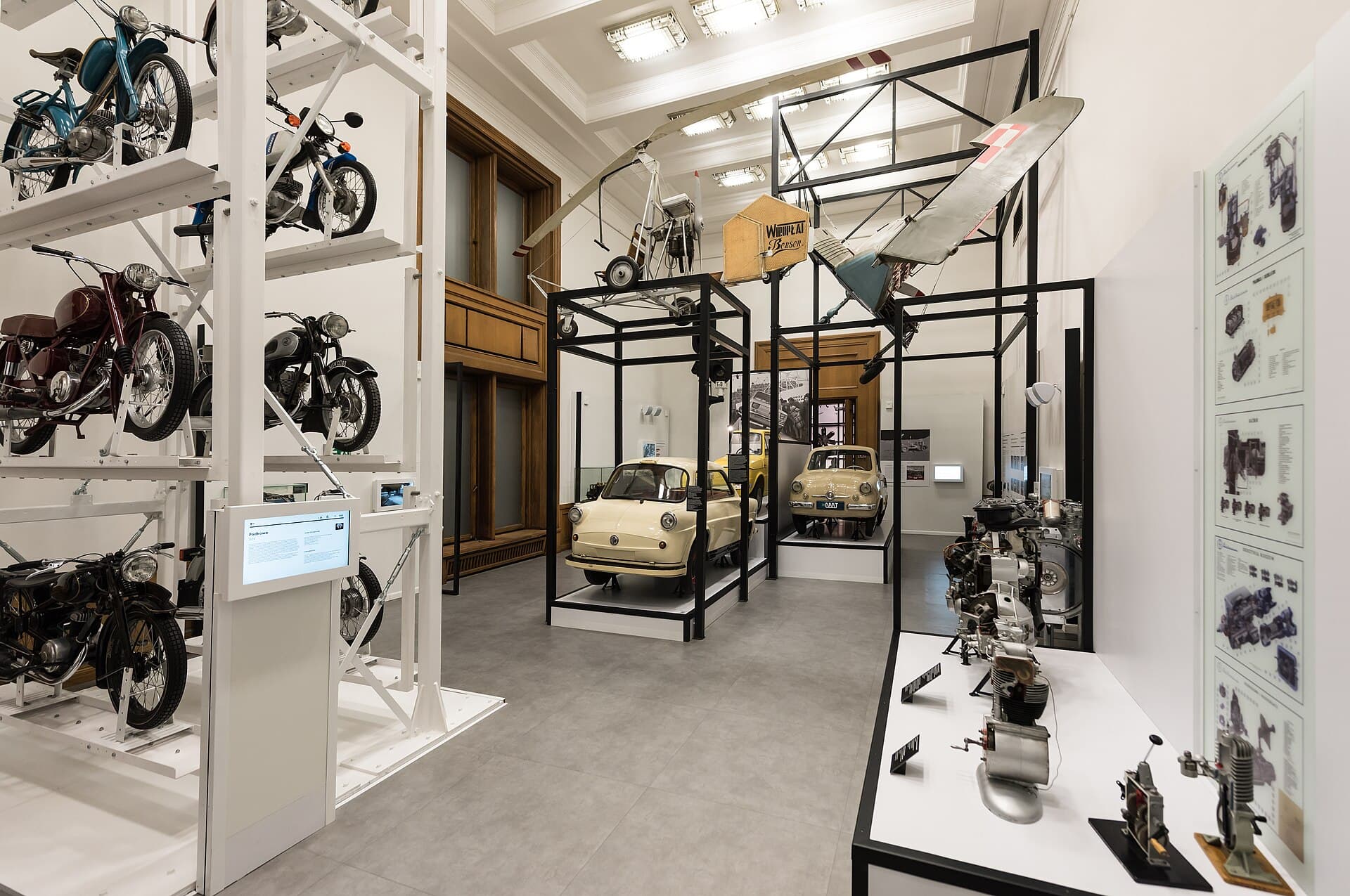 National Museum of TechnologyA museum of technology and industry inside Warsaw's Palace of Culture and Scienc2 minutes walk4.6
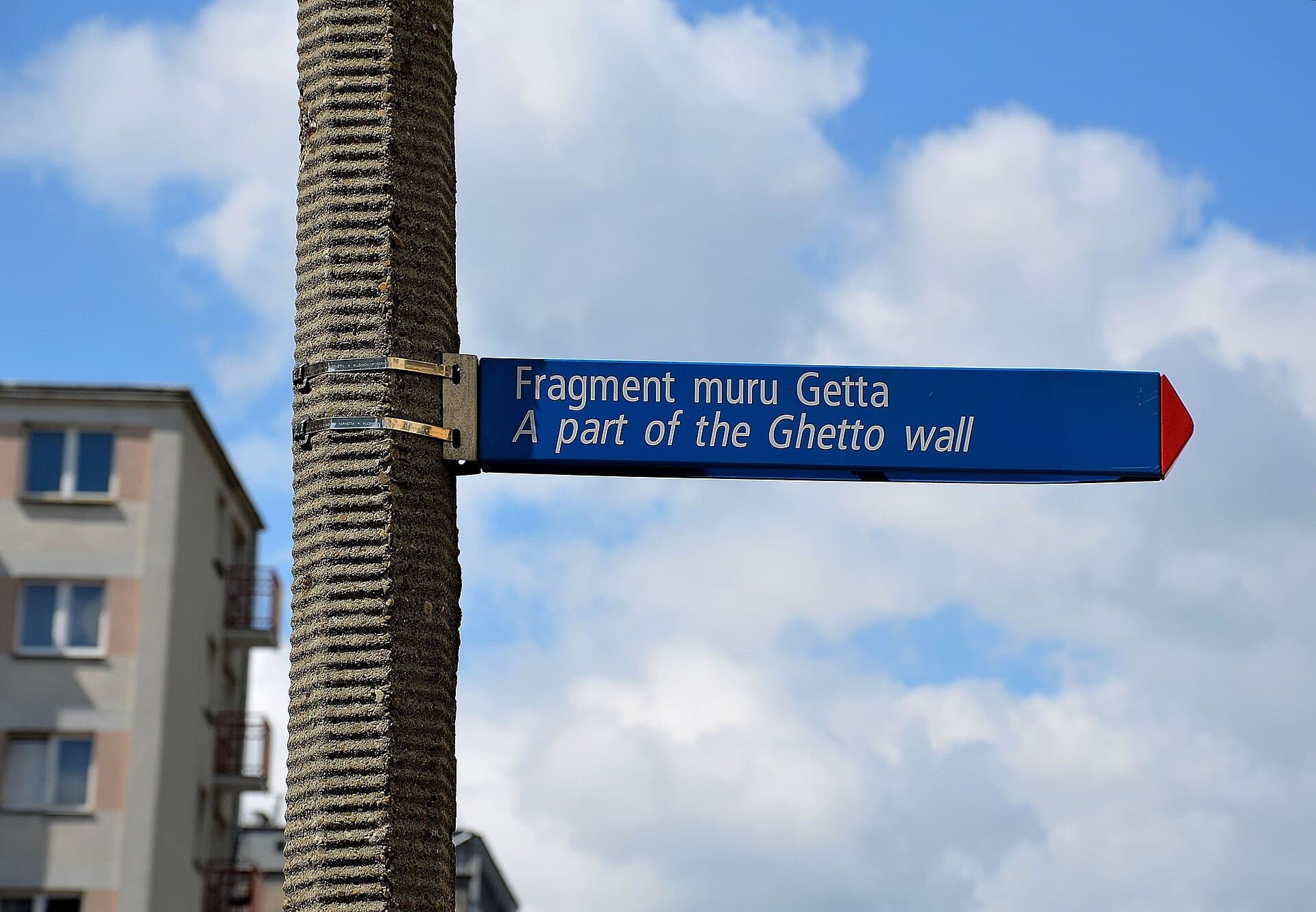 The Remains of the Warsaw Ghetto WallAn original section of the Warsaw ghetto wall, preserved in an inner courtyard b6 minutes walk4.2
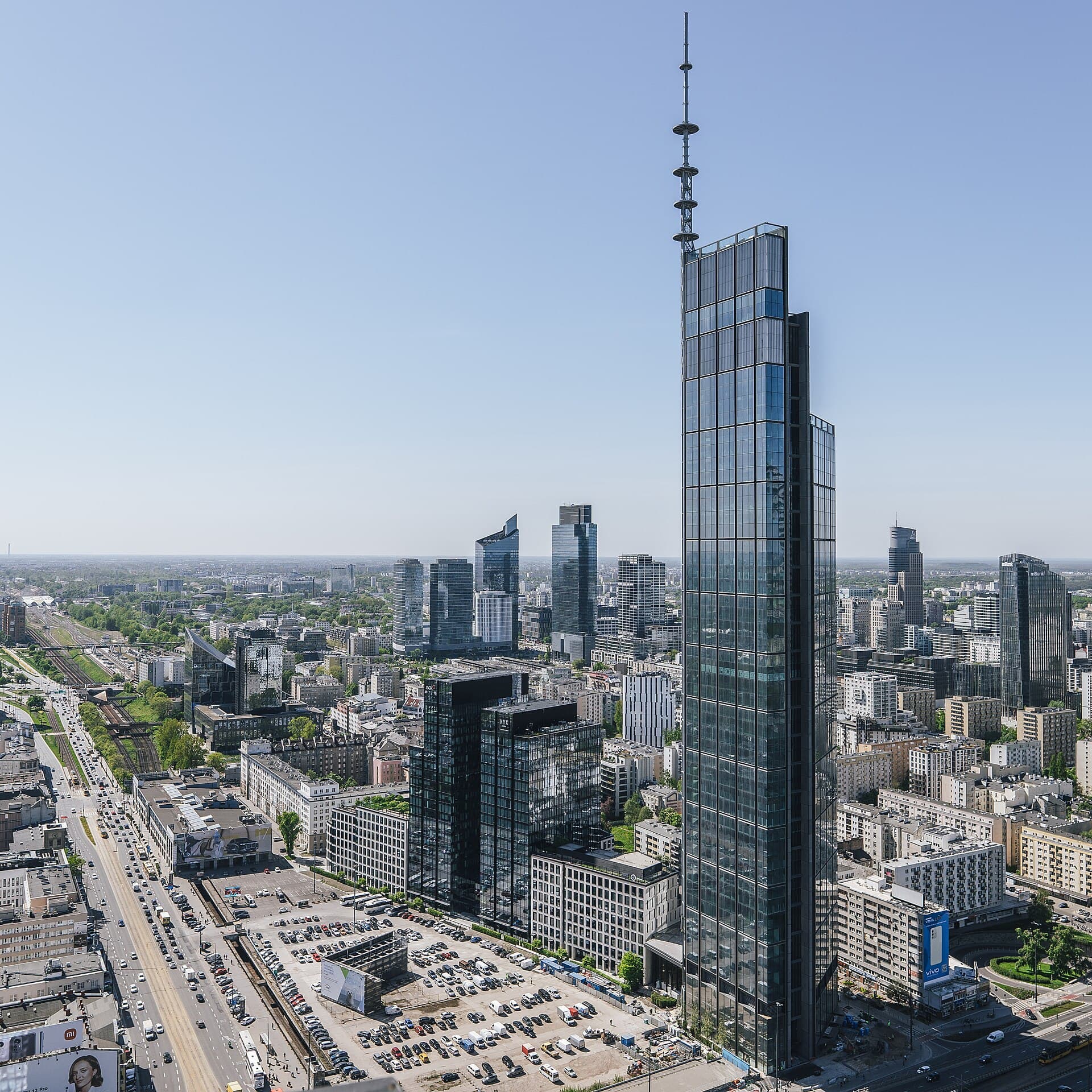 Varso TowerThe tallest building in the European Union at three hundred and ten metres inclu6 minutes walk4.6
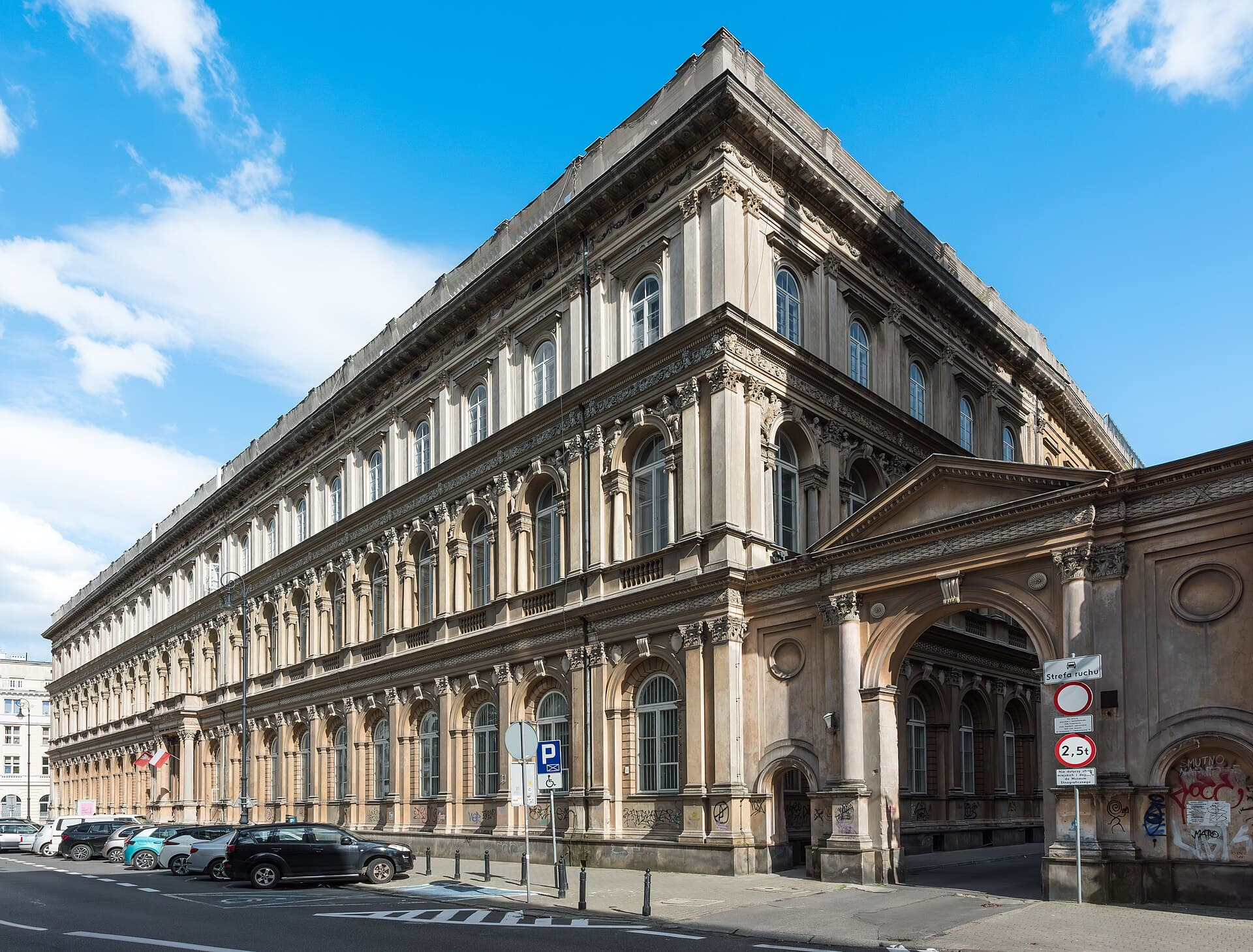 State Ethnographic MuseumA museum of Polish folk culture and non-European cultures, in an 1858 building o10 minutes walk4.5
A tower two hundred and thirty-seven metres high built between 1952 and 1955 as a gift from the Soviet people to the Polish nation, designed by a Soviet architect in the manner of Moscow's seven towers. It remains Poland's tallest building. Varsovians' relationship with it is uneasy: a symbol of Soviet domination on one hand, and the city's best-known landmark on the other. It today holds theatres, museums, a cinema and an observation deck on the thirtieth floor.
Because Poland and Mongolia were in the same Eastern Bloc, so scientific cooperation between them was politically possible at a time when access to the Gobi for western researchers was nearly impossible. Kielan-Jaworowska used that window and led expeditions that changed the world's understanding of Cretaceous mammals. The results were published internationally and became a reference, and the collection is today divided between Warsaw and Ulaanbaatar.