
The city's history in one view
The rebuilt Old Town, the Stalinist tower and the modern district together.
Anty000 — CC BY-SA 4.0 · Igor123121 — CC BY 4.0 · Cybularny — CC0 · Cybularny — CC0
The tallest building in the European Union at three hundred and ten metres including its spire, near Warsaw Central station. It was completed in 2022. The figure needs explaining: its architectural roof height is about two hundred and thirty metres, and the spire adds the rest. On that measure it is the tallest in the European Union — but not in Europe, since towers in Moscow and London are taller on different measures. The ranking depends on what is counted. What matters to a visitor is the observation deck on the upper floors, which gives a view of Warsaw from a height unavailable before 2022: the rebuilt Old Town, the Stalinist Palace of Culture and Science, the modern tower district and the river — all in one sweep that explains the city's history visually better than any museum. The deck opens by ticket at set times and may require booking — check before going, as the arrangements have changed since it opened. The building itself is offices and is not open to visitors beyond the deck.
The rebuilt Old Town, the Stalinist tower and the modern district together.
Tallest in the European Union with its spire, not the tallest in Europe.
This view was not available in Warsaw before 2022.
Chmielna street, near Warsaw Central station
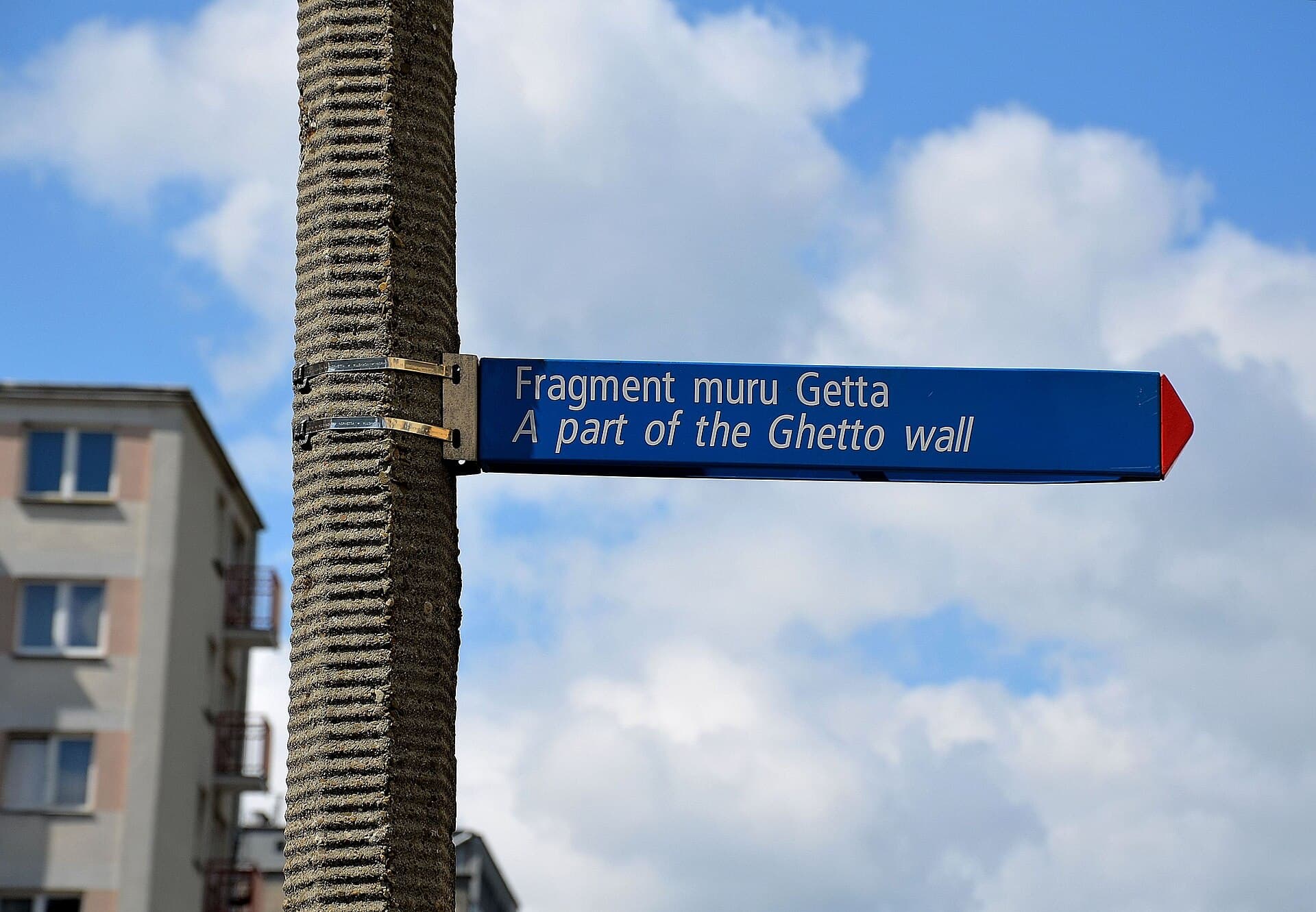 The Remains of the Warsaw Ghetto WallAn original section of the Warsaw ghetto wall, preserved in an inner courtyard b3 minutes walk4.2
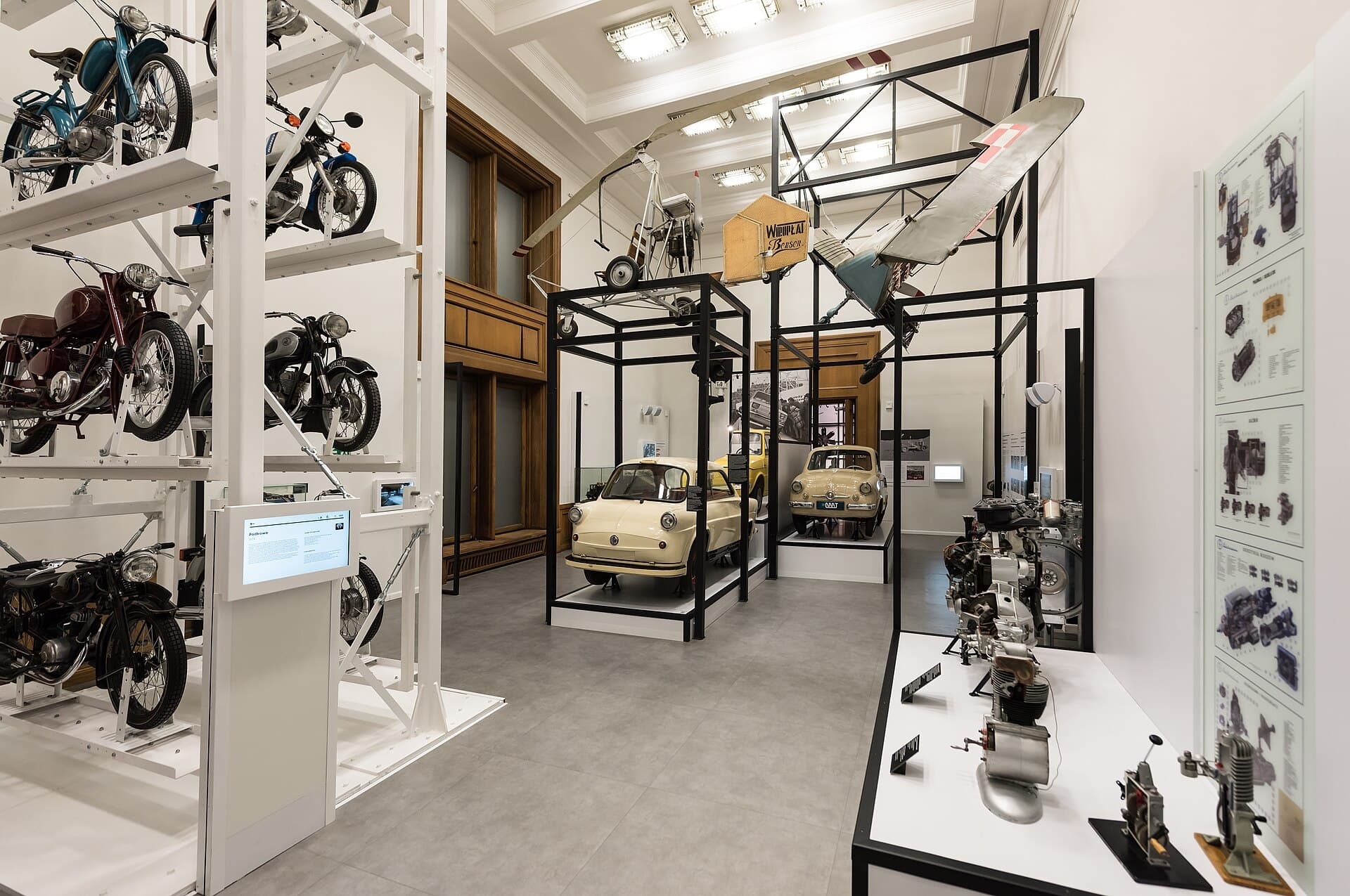 National Museum of TechnologyA museum of technology and industry inside Warsaw's Palace of Culture and Scienc5 minutes walk4.6
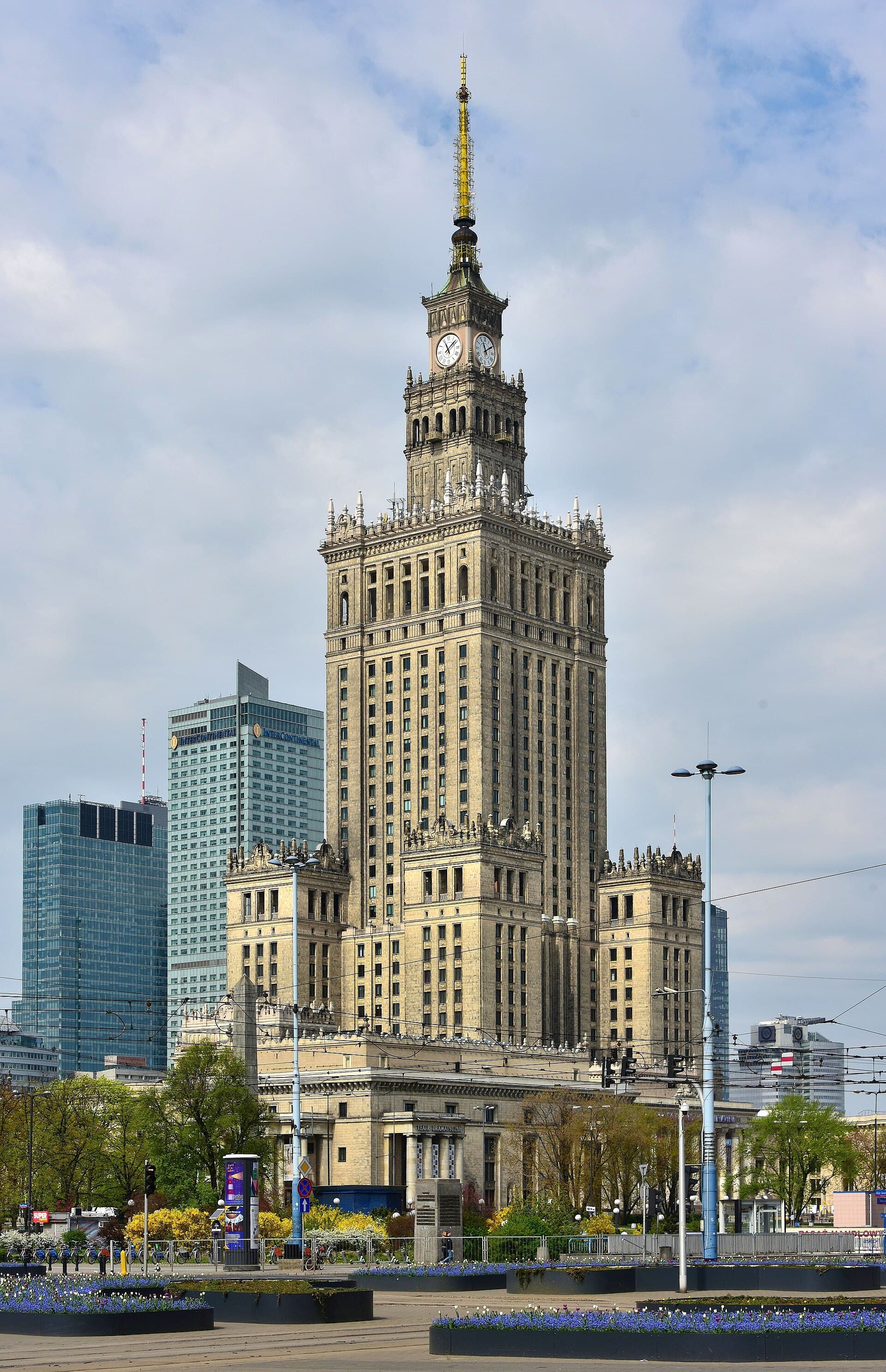 The Palace of Culture and ScienceThe Palace of Culture is Warsaw's argumentative giant: 237 metres of Stalin's gi6 minutes walk4.7
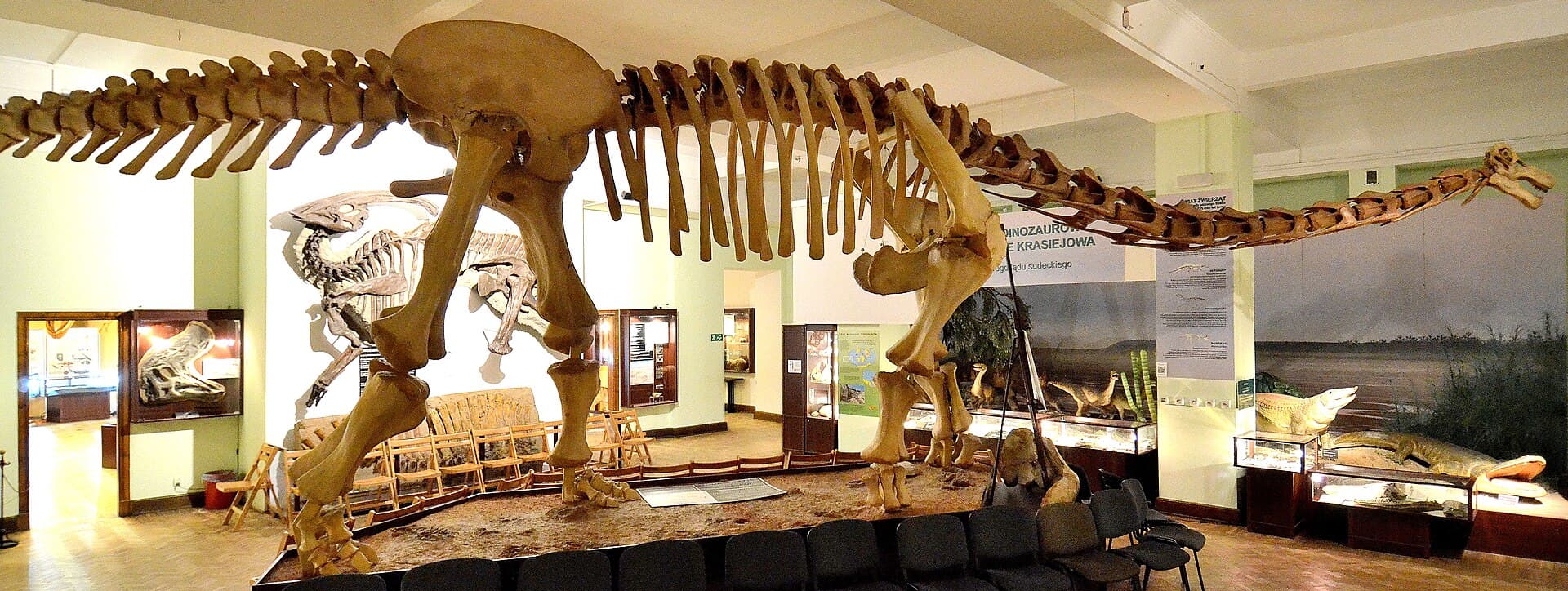 The Museum of EvolutionA palaeontology museum belonging to the Institute of Paleobiology of the Polish 6 minutes walk4.3The Invisible ExhibitionAn exhibition in Warsaw whose entire tour takes place in total darkness, led by 10 minutes walk4.7
Each has its case. The Palace is lower but sits dead centre and its terrace has been open for decades — and crucially, from it you see the city without seeing the Palace, the most argued-over building in Warsaw. From Varso you see the Palace itself in the view. With one ascent, choose Varso for height and modernity or the Palace for position and symbolism.
A tower of about two hundred and thirty-seven metres given to Warsaw by Stalin and completed in 1955, in the manner of Soviet skyscrapers. Poles' relationship with it is complicated: it is the city's most prominent landmark and a symbol of political imposition at once, and there were serious debates about demolishing it after 1989. It stayed, and today is a cultural centre with theatres, museums, a cinema and an observation terrace.