
The ranks of amphorae
Wine and oil jars from the seabed with their makers' stamps.
Aimelaime — CC BY-SA 3.0 · Txllxt TxllxT — CC BY-SA 4.0 · Bengt Oberger — CC BY-SA 4.0 · Jeanne Menjoulet from Paris, France — CC BY 2.0
A small museum inside the **Bastion Saint-André**, one of the strongpoints of the sea wall Vauban built in the seventeenth century — so the museum is an exhibit before you enter it: vaulted, thick-walled chambers below the level of the ramparts. Its contents are two thousand years of the history of Antipolis: material from the first **Greek** settlement founded by the Phocaeans, then the **Roman** town that grew in its place — pottery, glass, coins, inscriptions, everyday tools and architectural fragments. Its most valuable holding is **marine archaeology**: cargoes from wrecks raised from the floor of the bay, the best known being the great **amphorae** that carried wine, olive oil and fish sauce across the Mediterranean. Dozens of them stand in ranks in the hall, some still bearing their makers' stamps. This is a **modest** museum needing no more than an hour, but it gives you the layer beneath the town you are walking through — and explains why Antibes mattered before it was beautiful.
Wine and oil jars from the seabed with their makers' stamps.
Material from the first Phocaean settlement.
The bastion's cellars below the ramparts.
Bastion Saint-André, 06600 Antibes
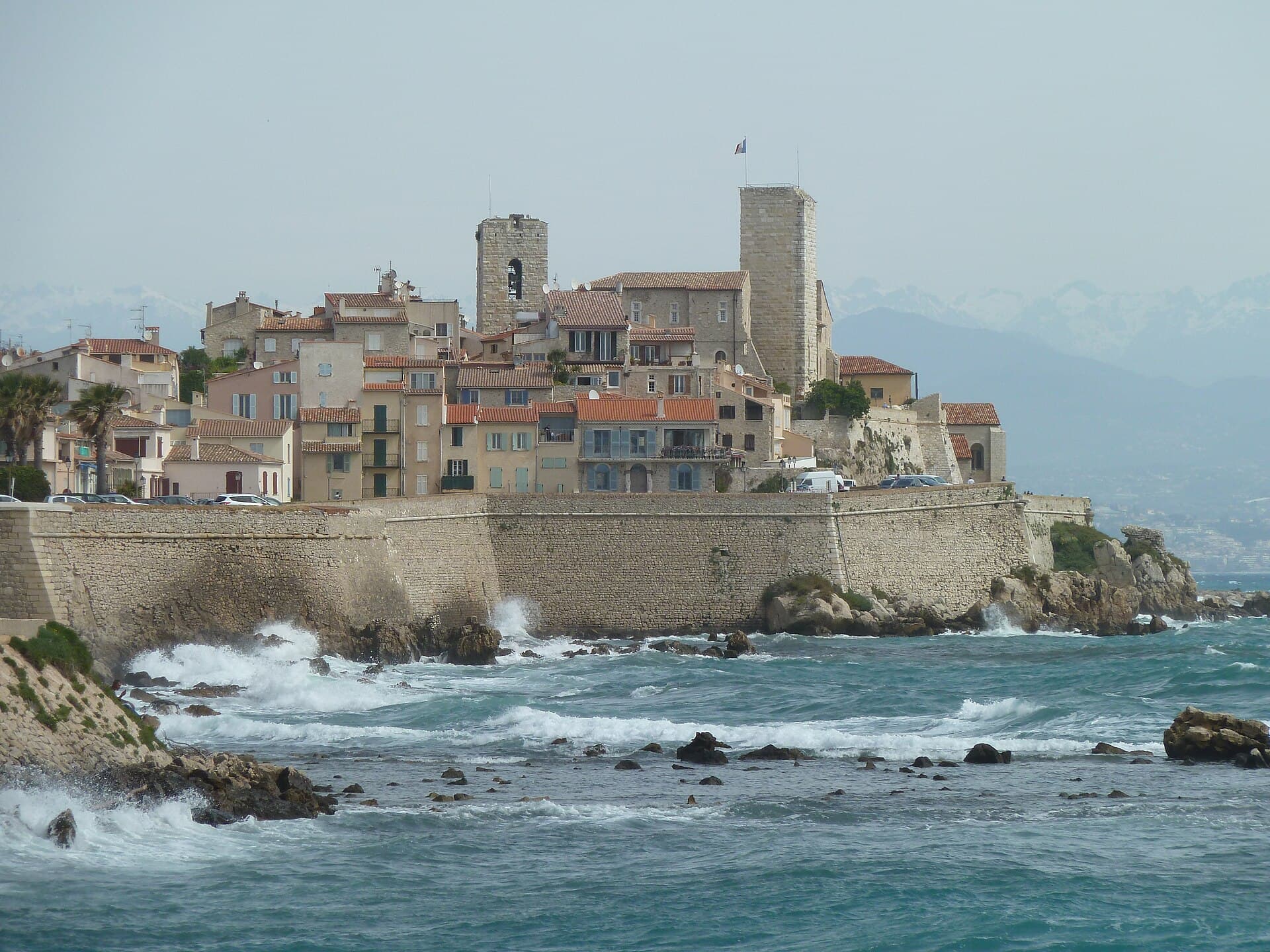 Old AntibesA city Greek in origin like Marseille: sailors from Phocaea founded it and calle5 minutes walk
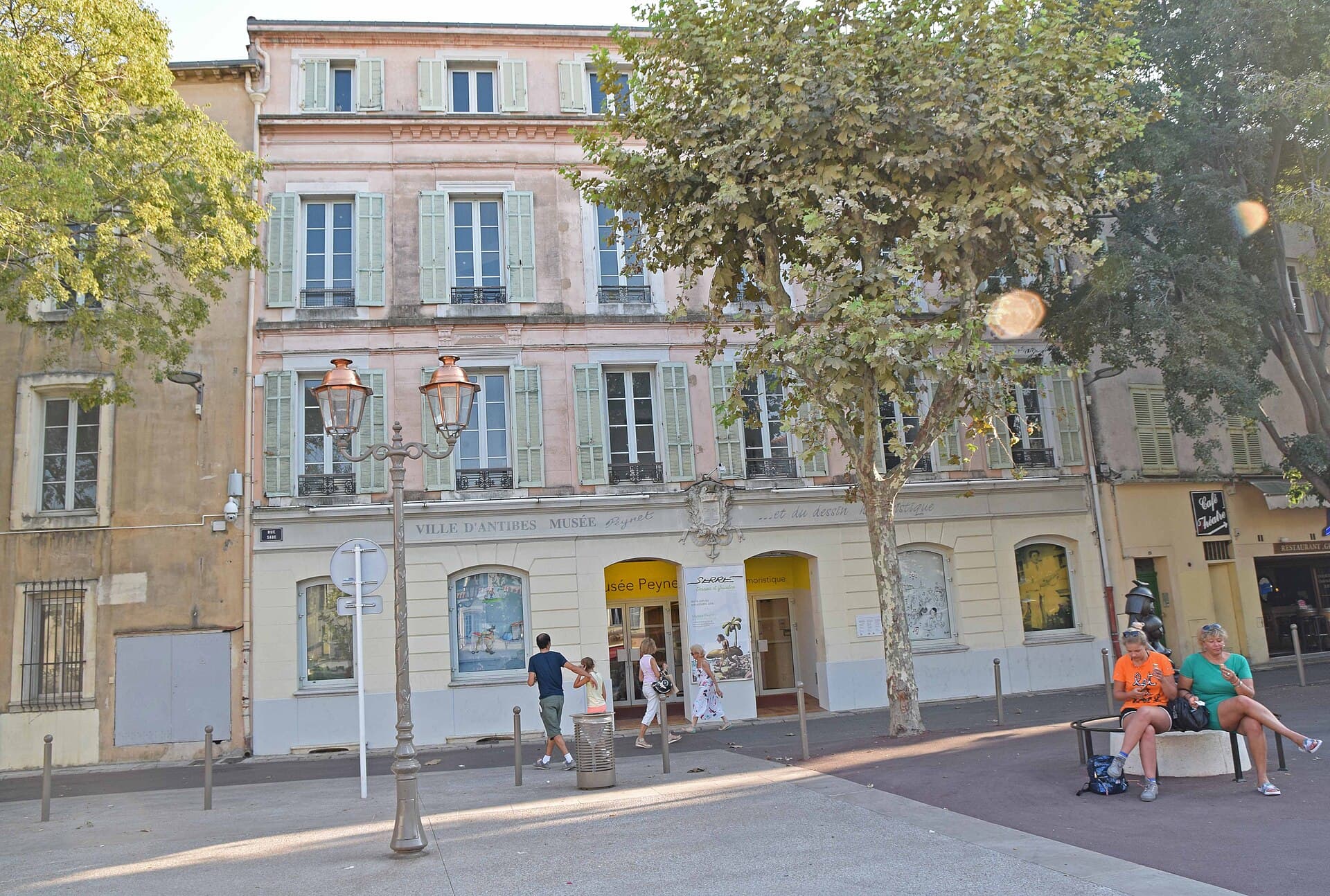 Musée Peynet (Cartoon and Humorous Drawing)A small museum on the Place Nationale in old Antibes devoted to a well-known Fre5 minutes walk4.0
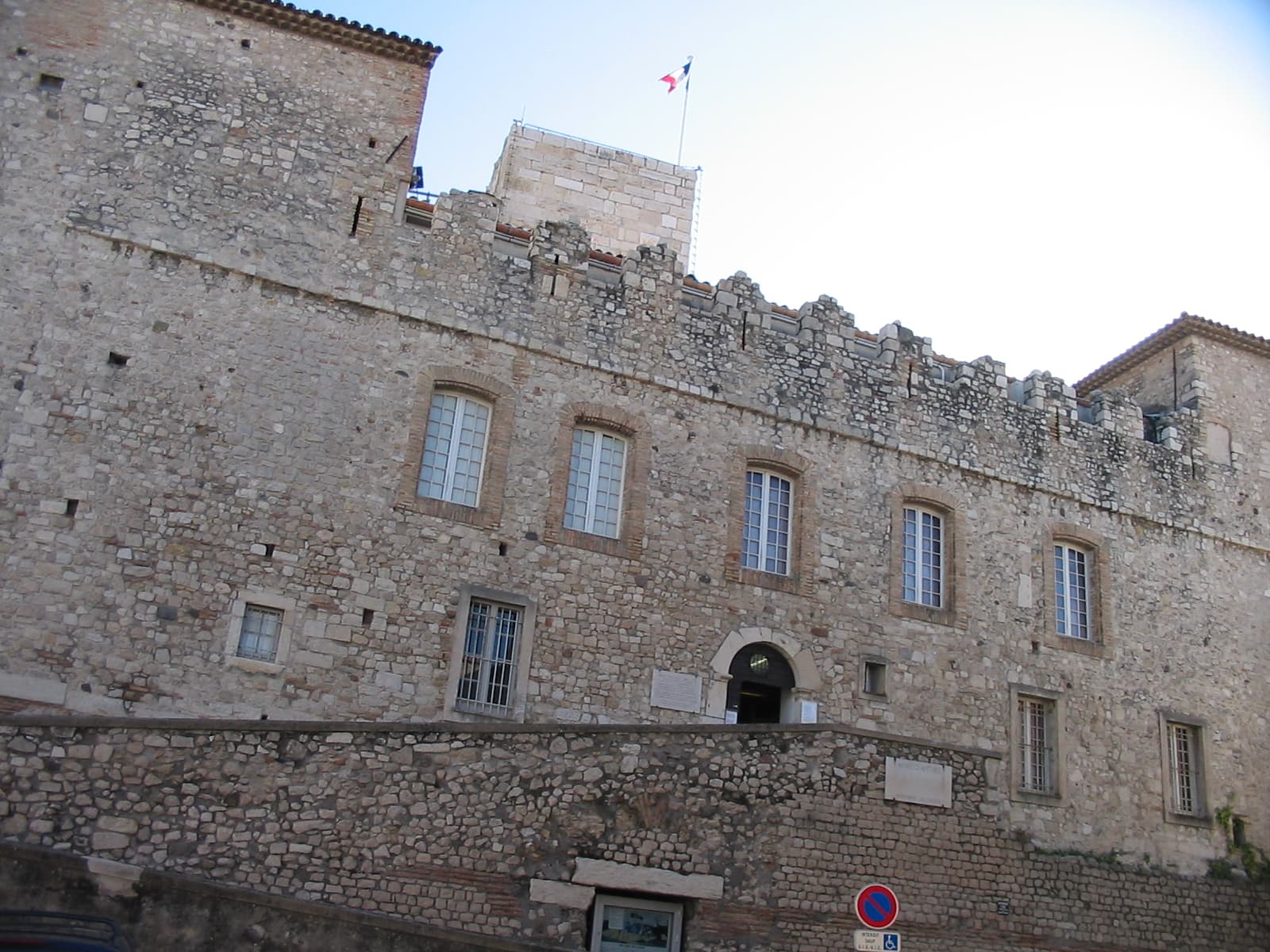 Picasso Museum (Château Grimaldi)A stone castle on a rock directly above the sea, once the seat of the Grimaldi f5 minutes walk4.5
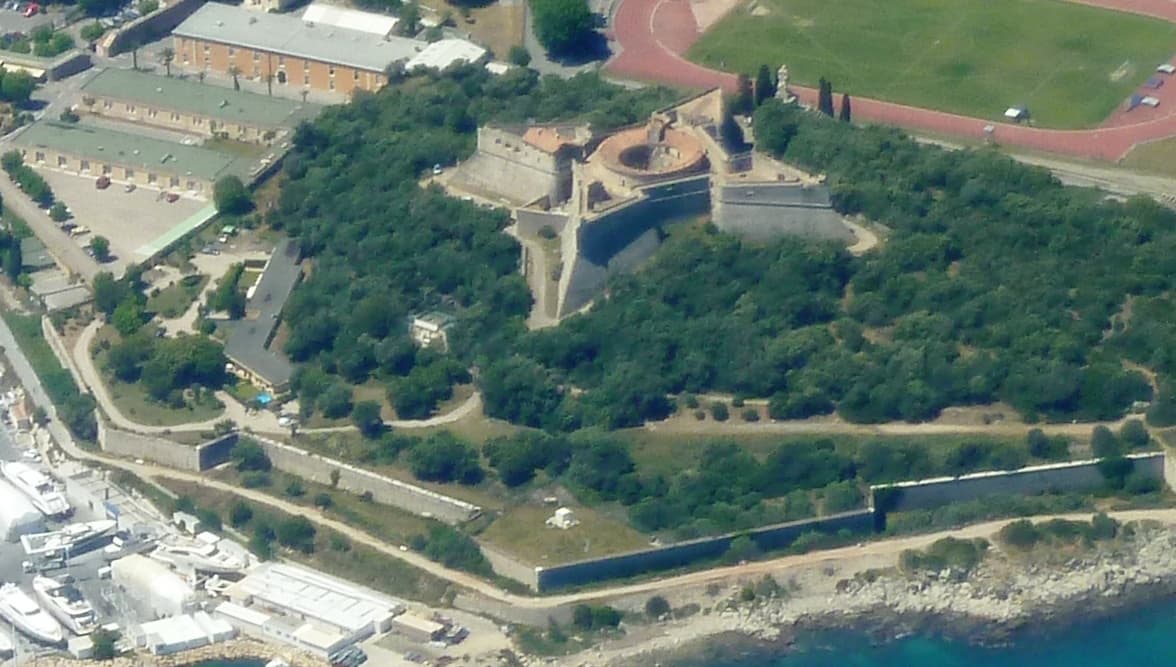 Fort CarréA fort shaped as a **four-pointed star** standing on a rocky hill above Port Vau18 minutes walk4.4
Yes if you have half a day, and no if you have only two hours — in which case **Picasso first, without competition**. But the two are complementary rather than competing: Picasso is about a single moment in 1946, the archaeology about the two thousand years before it on the same spot. They are minutes apart on the seafront, and the **combined ticket** for Antibes's municipal museums makes adding it almost free. The logical order: archaeology first to understand the town, then Picasso.
Partly. The **amphorae raised from wrecks** work well with children — the idea that these jars lay on the seabed for centuries until they were lifted holds them, and they are large and visible. The rest is sherds, coins and inscriptions that need reading and will pass without trace on anyone under ten. The museum is **small**, so little is lost: 45 minutes, then straight out onto the ramparts — walking above the sea entertains them more than any gallery.