
"La Joie de vivre"
The 1946 painting that sums up the post-war release.
Original uploader was Olivier2000 at fr.wikipedia — CC BY-SA 1.0 · Tiia Monto — CC BY-SA 3.0 · MOSSOT — CC BY-SA 4.0 · Abxbay — CC BY-SA 3.0
A stone castle on a rock directly above the sea, once the seat of the Grimaldi family and later a museum — and in **1946** something rare in museum history happened in it: the curator gave the upper floor to **Pablo Picasso** to use as a studio. Picasso had just come out of the occupation years in Paris, and arriving on the coast he found light, sea and life after the war. He spent the **autumn of 1946** here working with unusual intensity, producing what are known as the Antibes works, the most famous being **"La Joie de vivre"** — a painting of dancing figures, nymphs and goats expressing release after black years. When he left he **gave the works to the castle**: some twenty paintings, dozens of drawings and ceramics. It became the first museum in the world to carry Picasso's name, and the work hangs **in the place where it was painted** — the same rooms, the same windows over the same sea he watched while working. The museum also holds work by Nicolas de Staël and Hartung, and a sculpture garden on the terrace above the water.
The 1946 painting that sums up the post-war release.
You see the work from the window he saw while painting it.
A garden of works on the rock above the sea.
Place Mariejol, 06600 Antibes
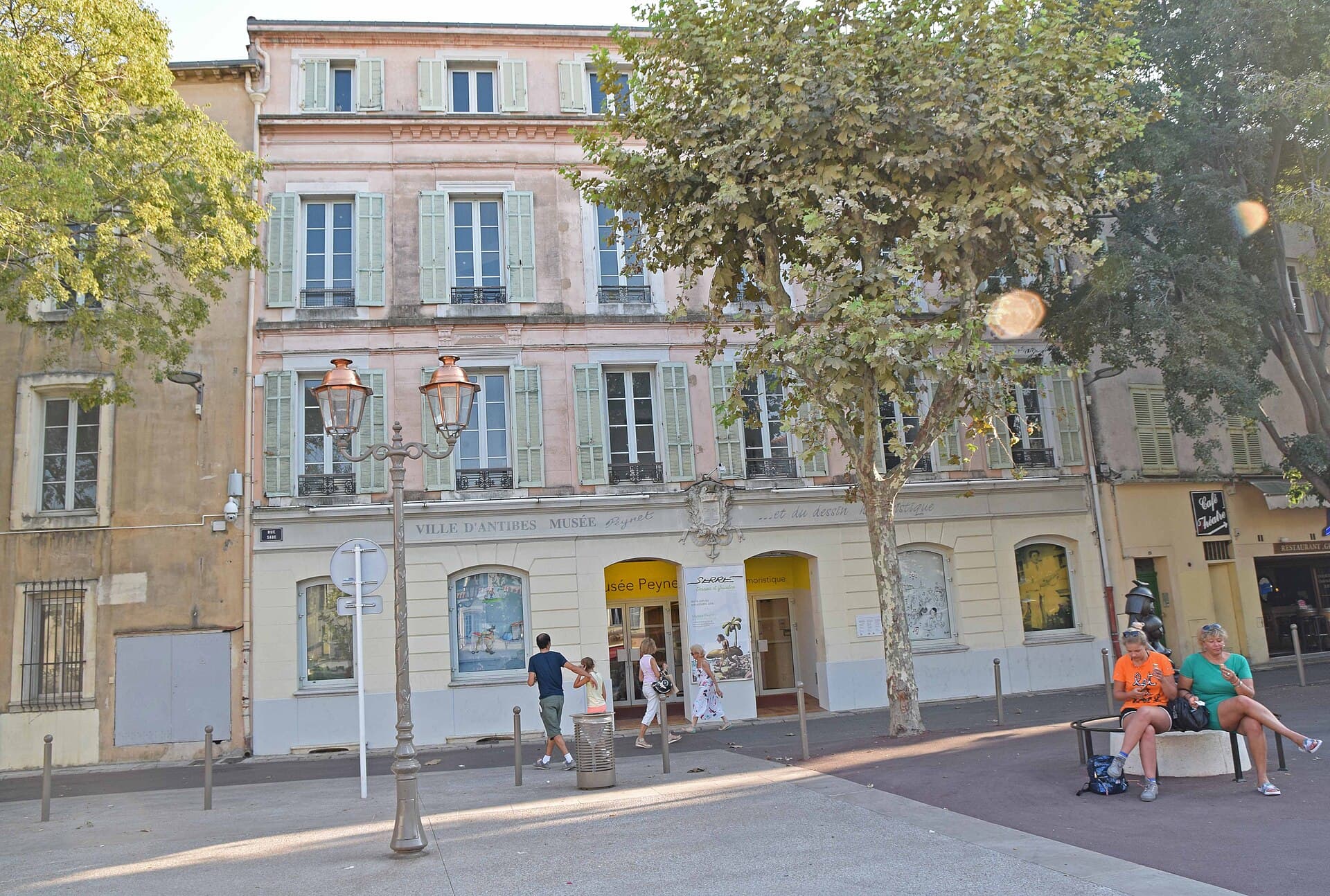 Musée Peynet (Cartoon and Humorous Drawing)A small museum on the Place Nationale in old Antibes devoted to a well-known Fre2 minutes walk4.0
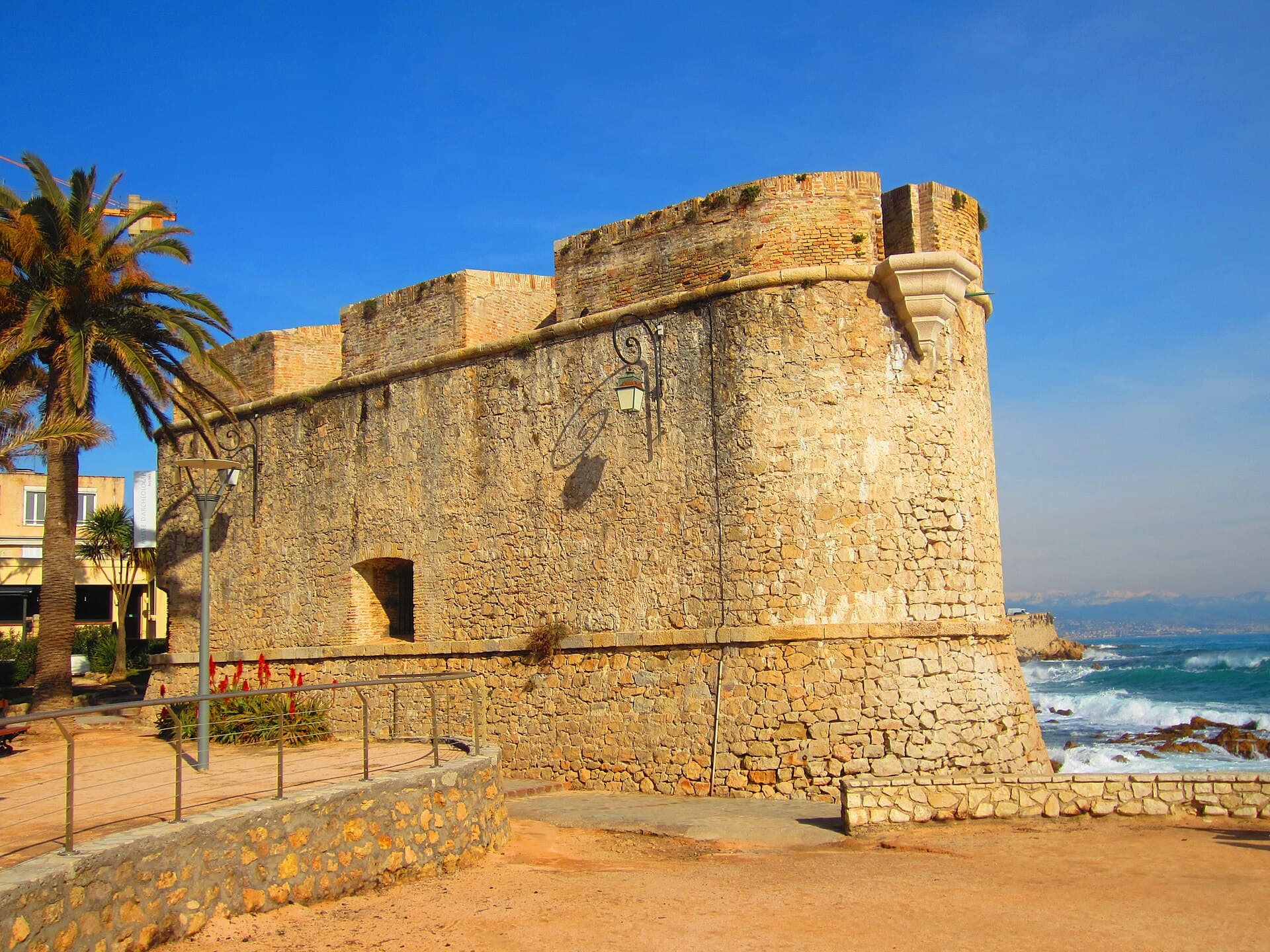 Archaeology Museum (Bastion Saint-André)A small museum inside the **Bastion Saint-André**, one of the strongpoints of th5 minutes walk4.0
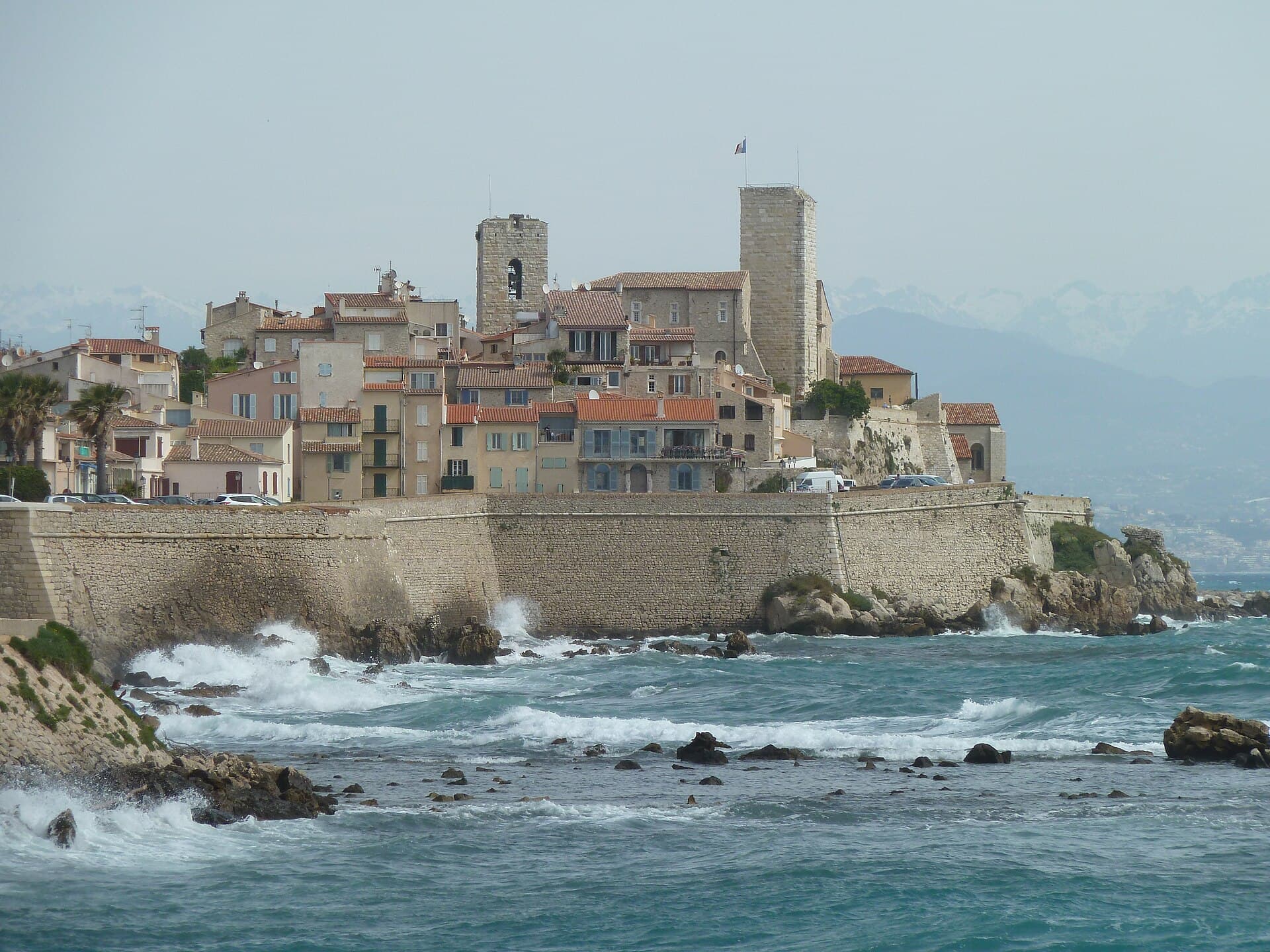 Old AntibesA city Greek in origin like Marseille: sailors from Phocaea founded it and calle5 minutes walk
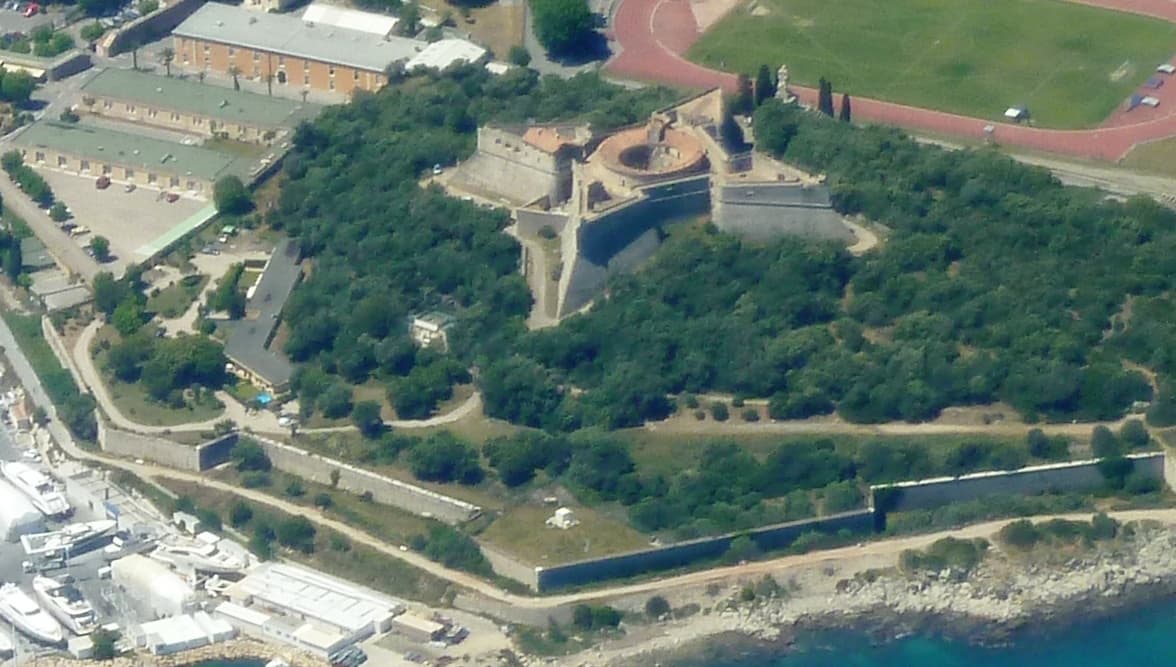 Fort CarréA fort shaped as a **four-pointed star** standing on a rocky hill above Port Vau13 minutes walk4.4
The difference is **fundamental, not just of scale**. Paris and Barcelona hold vast collections spanning Picasso's whole career, assembled and moved into buildings chosen later. Antibes is a **small** museum but it is **the original**: the works on show were painted here, in these rooms, in the autumn of 1946, and given to the castle by the artist himself. Don't come for a comprehensive survey of Picasso — come to see **one moment** of his life in its actual place, which is something the other two cannot offer.
Yes, for two reasons that have nothing to do with art. First, the **building itself** is the medieval Château Grimaldi on a rock directly above the sea, one of the finest settings on the Riviera — the terrace alone is worth the ticket. Second, the **story** reads without any knowledge of art: a man came out of the war years, found sun and sea, painted joy, and left what he painted in the place he painted it. The museum is small and an hour covers it, so the risk is low.