
The building is the exhibit
Separated foundations and concrete blocks to isolate vibration.
Ji-Elle — CC BY-SA 3.0 · Ji-Elle — CC BY-SA 3.0 · Edelseider — CC BY-SA 4.0 · Edelseider — CC BY-SA 4.0
A small museum on the University of Strasbourg campus occupying the seismological observatory building established in 1900, and among the few museums specialising in the field anywhere. The building itself is the most important exhibit: it was designed specifically to isolate the instruments from every external vibration — foundations separated from the walls, massive concrete blocks, and distance from roads and buildings. That engineering is itself a lesson in how to measure what can barely be felt. The display holds seismographs from the early twentieth century: massive brass machines with suspended weights, rotating drums and pens recording on smoked paper. They work on a simple principle — a heavy mass tends to stay still while the ground shakes around it, and the difference between them is what is recorded. Beside them are real historic earthquake records with their jagged traces. Small, with very limited hours.
Separated foundations and concrete blocks to isolate vibration.
Brass instruments with rotating drums from the early twentieth century.
The whole principle: the ground moves, the weight does not, and the difference is recorded.
The historic University of Strasbourg campus
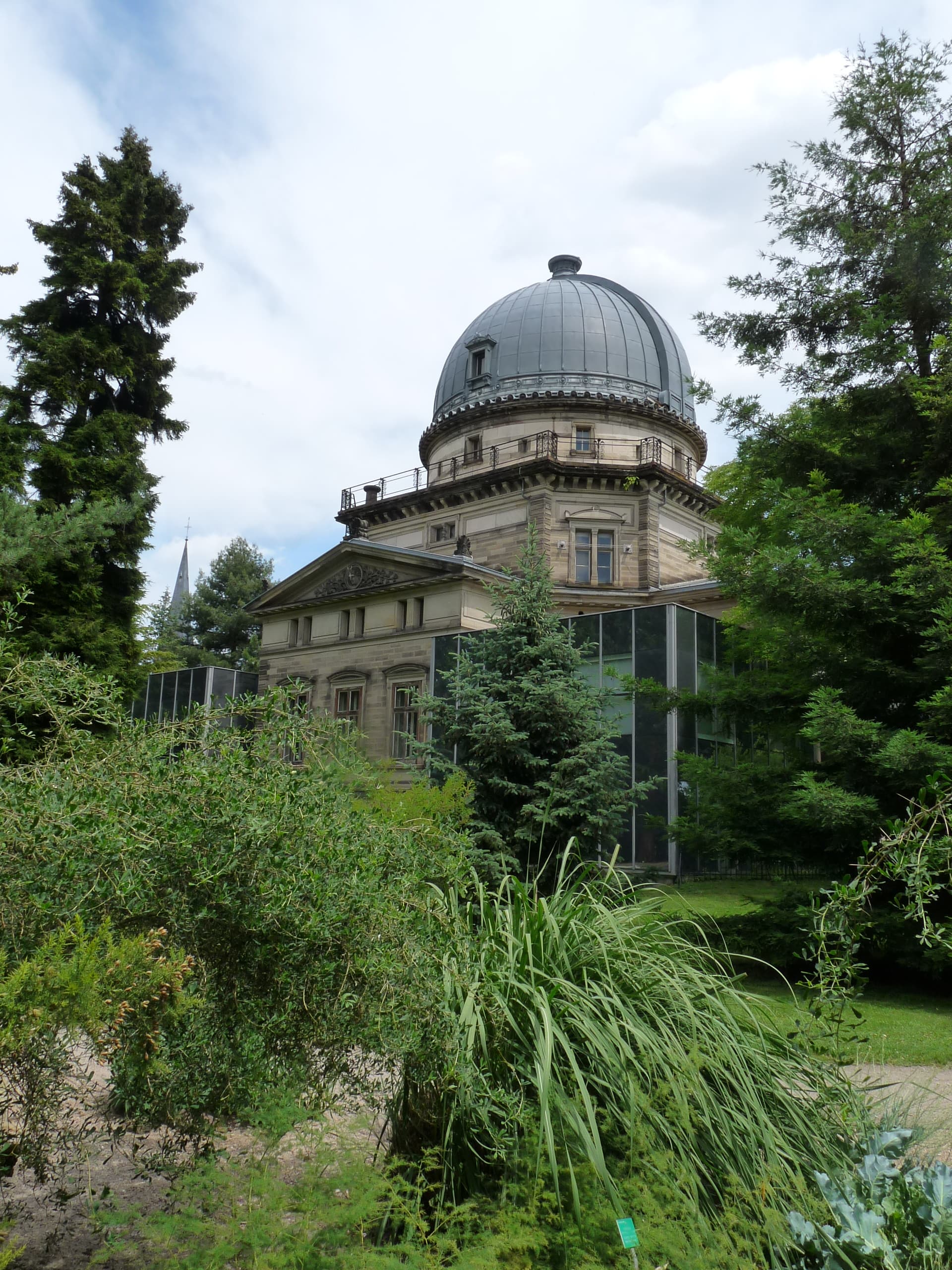 Strasbourg University Botanical GardenA botanical garden of the University of Strasbourg on the historic campus, the s1 minute walk4.3
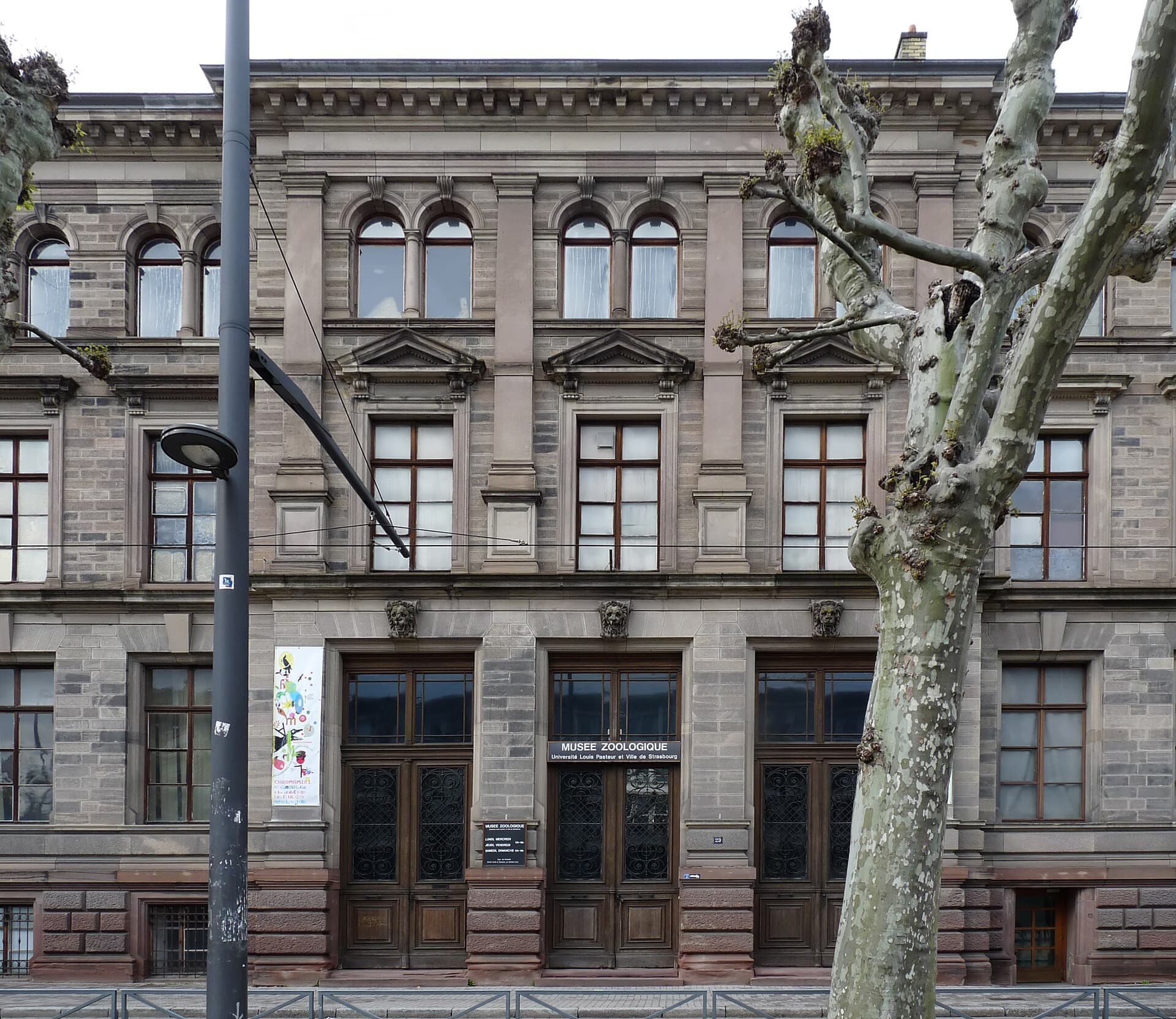 The Zoological Museum of StrasbourgA zoological museum whose collections go back to the eighteenth century, occupyi2 minutes walk4.5
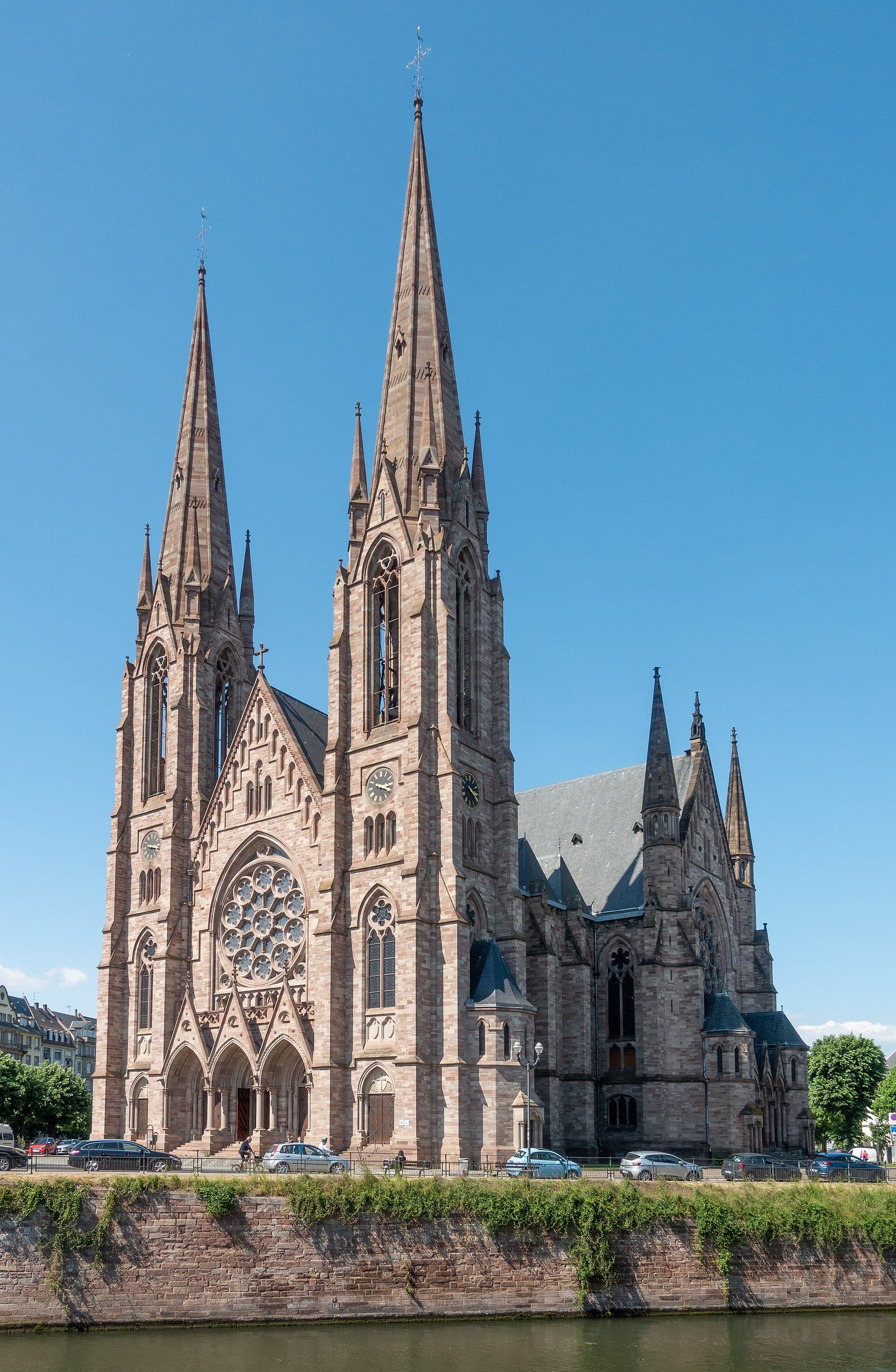 Saint-Paul's ChurchA Protestant church in the Gothic Revival manner on a spit of land where two wat7 minutes walk4.6
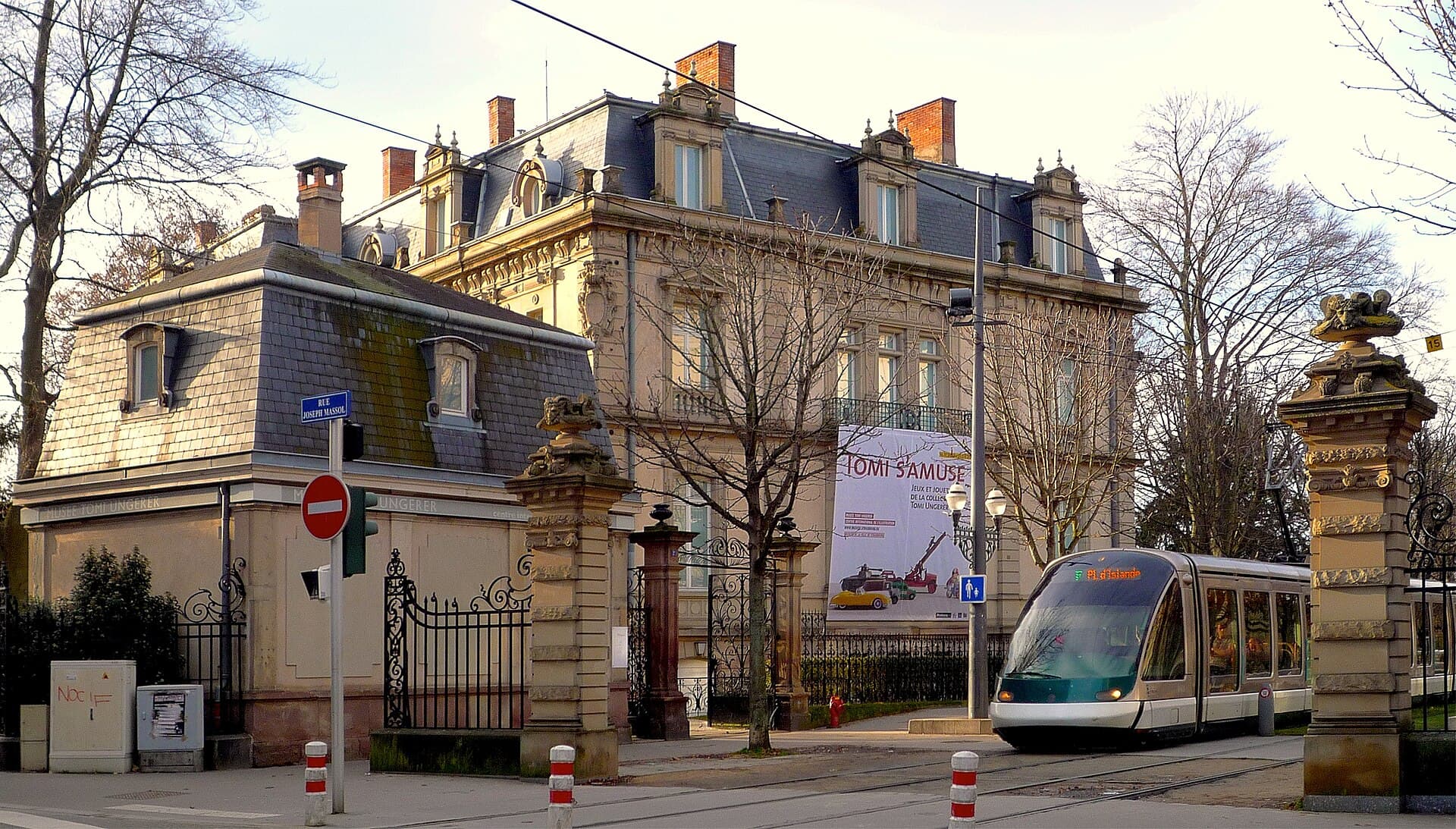 Tomi Ungerer MuseumA museum in a nineteenth-century villa devoted to the illustrator Tomi Ungerer (10 minutes walk4.2
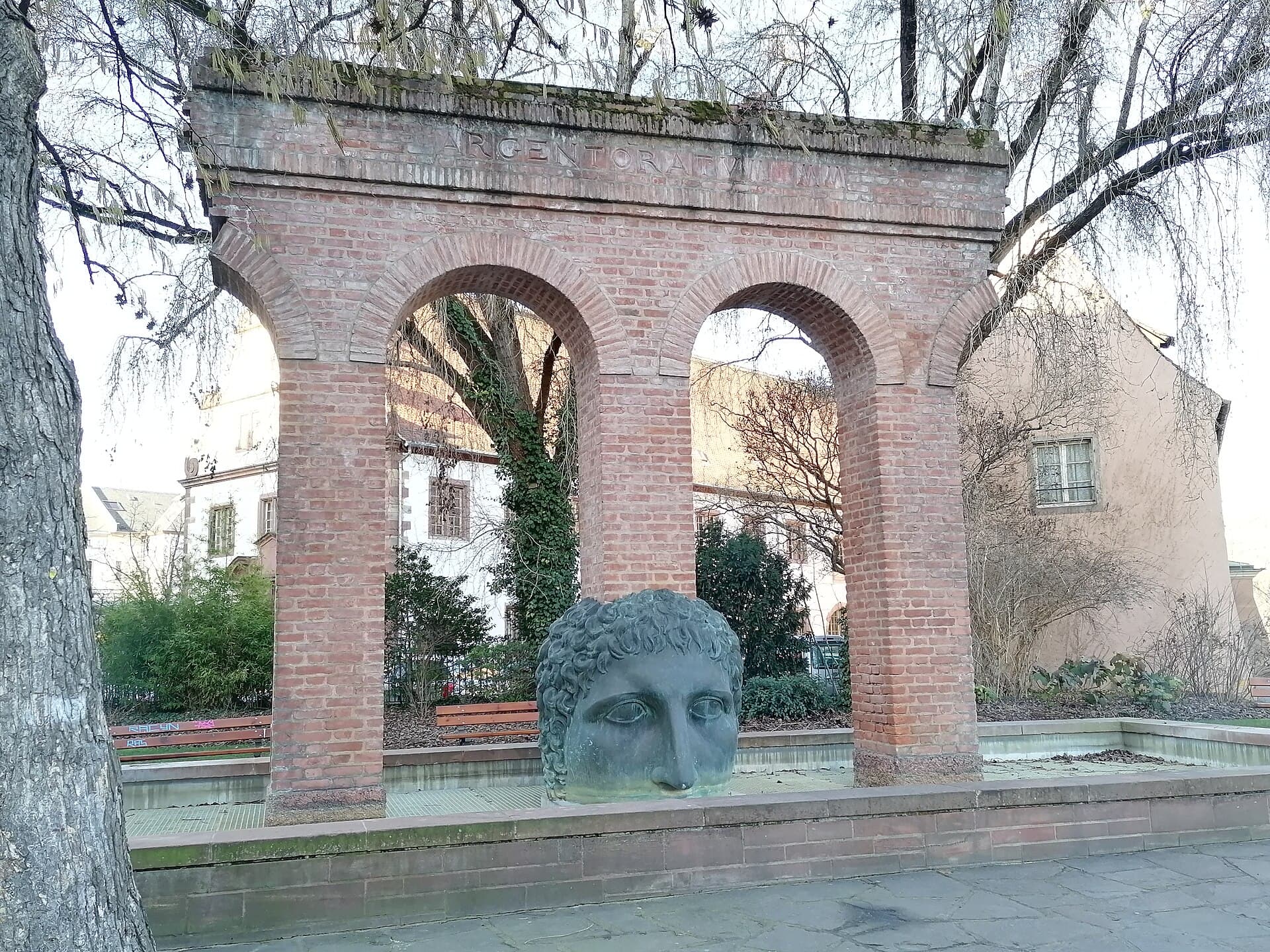 Janus FountainA contemporary fountain of 1988 designed by the artist Jean Tinguely to mark two13 minutes walk4.7
Because the city was German between 1871 and 1918, and the German Empire established a major university there intended as a scientific showpiece — grand buildings were put up for it and equipped with the best then available. The seismological station was part of that project. After Alsace returned to France the station continued working, and the Strasbourg earth physics institute remains an active research centre in its field.
Yes, the region lies on the Upper Rhine Graben and is among the more seismically active areas of western Europe, though its earthquakes are usually moderate. The best-known historical event is the Basel earthquake of 1356, which destroyed the nearby Swiss city and is regarded as the strongest known earthquake in central Europe. In the last decade geothermal energy projects near Strasbourg caused felt tremors that led to their suspension.