
A German building in a French city
Built under annexation, and left standing after the city returned to France.
Kent Wang from Barcelona, Spain — CC BY-SA 2.0 · Flocci Nivis — CC BY-SA 4.0 · Flocci Nivis — CC BY-SA 4.0 · Javier Kohen from Kraków, Poland — CC BY-SA 2.0
A Protestant church in the Gothic Revival manner on a spit of land where two waterways meet, with twin pointed spires, and among the most photographed buildings in Strasbourg after the cathedral. Its story explains the city's history precisely. It was built in the 1880s, after Germany annexed Alsace in 1871, as a garrison church for the German Protestant troops. It is an emphatically German building in a city that became French four decades later. Its position is deliberate: it stands in the new German imperial quarter laid out to extend the city north of the historic centre, a district of wide streets and monumental buildings entirely unlike the lanes of the Petite France. That quarter is inscribed as World Heritage along with the old town, precisely because it documents that moment. Practical points: entry is free and the church is in use. The best angle for a photograph is from the bridge opposite, where the two spires appear with their reflection in the water.
Built under annexation, and left standing after the city returned to France.
Wide streets and monumental buildings, wholly unlike the Petite France.
The quarter is inscribed precisely because it documents that moment.
At the meeting of the Ill and the Aar, Strasbourg
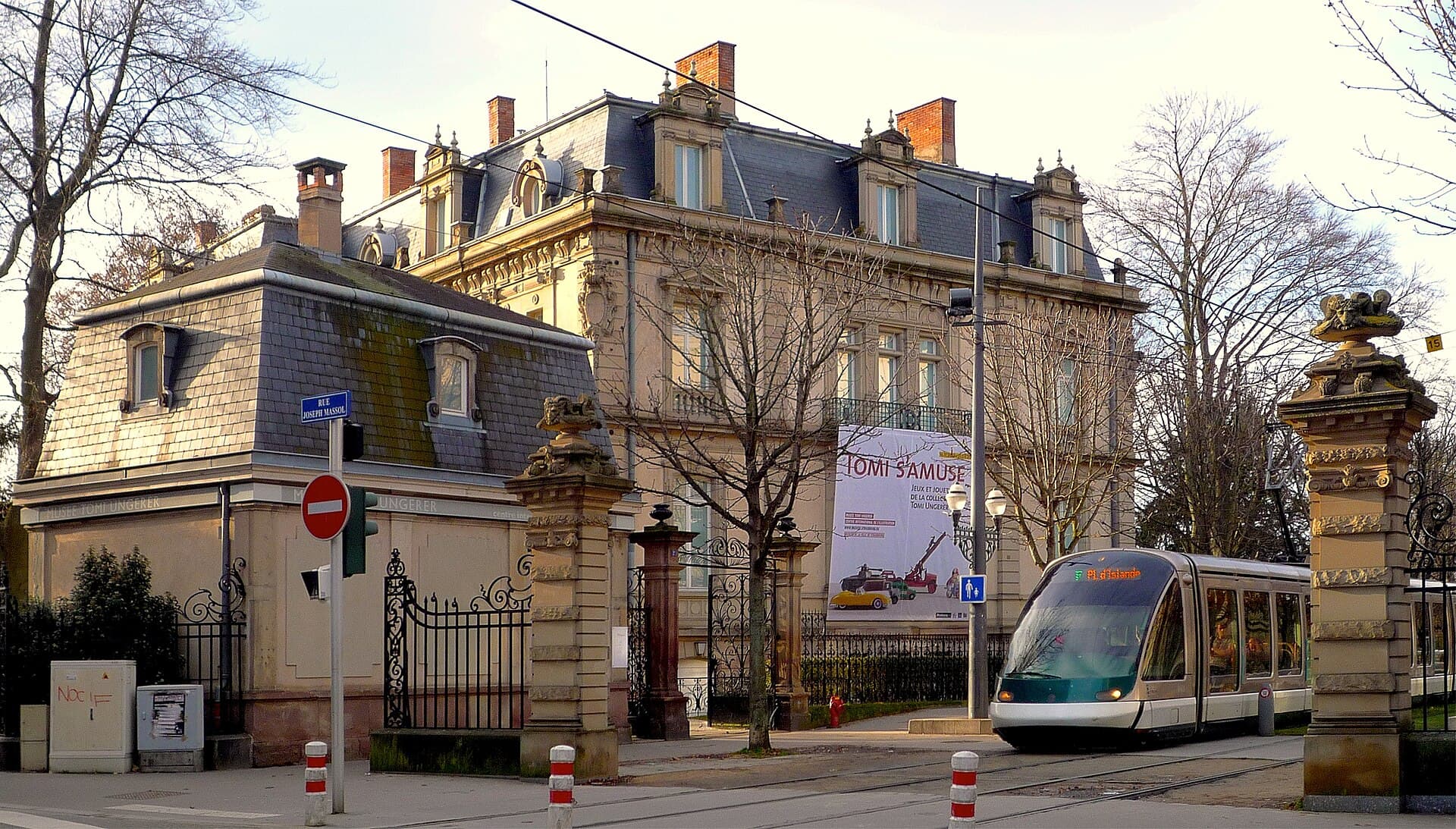 Tomi Ungerer MuseumA museum in a nineteenth-century villa devoted to the illustrator Tomi Ungerer (4 minutes walk4.2
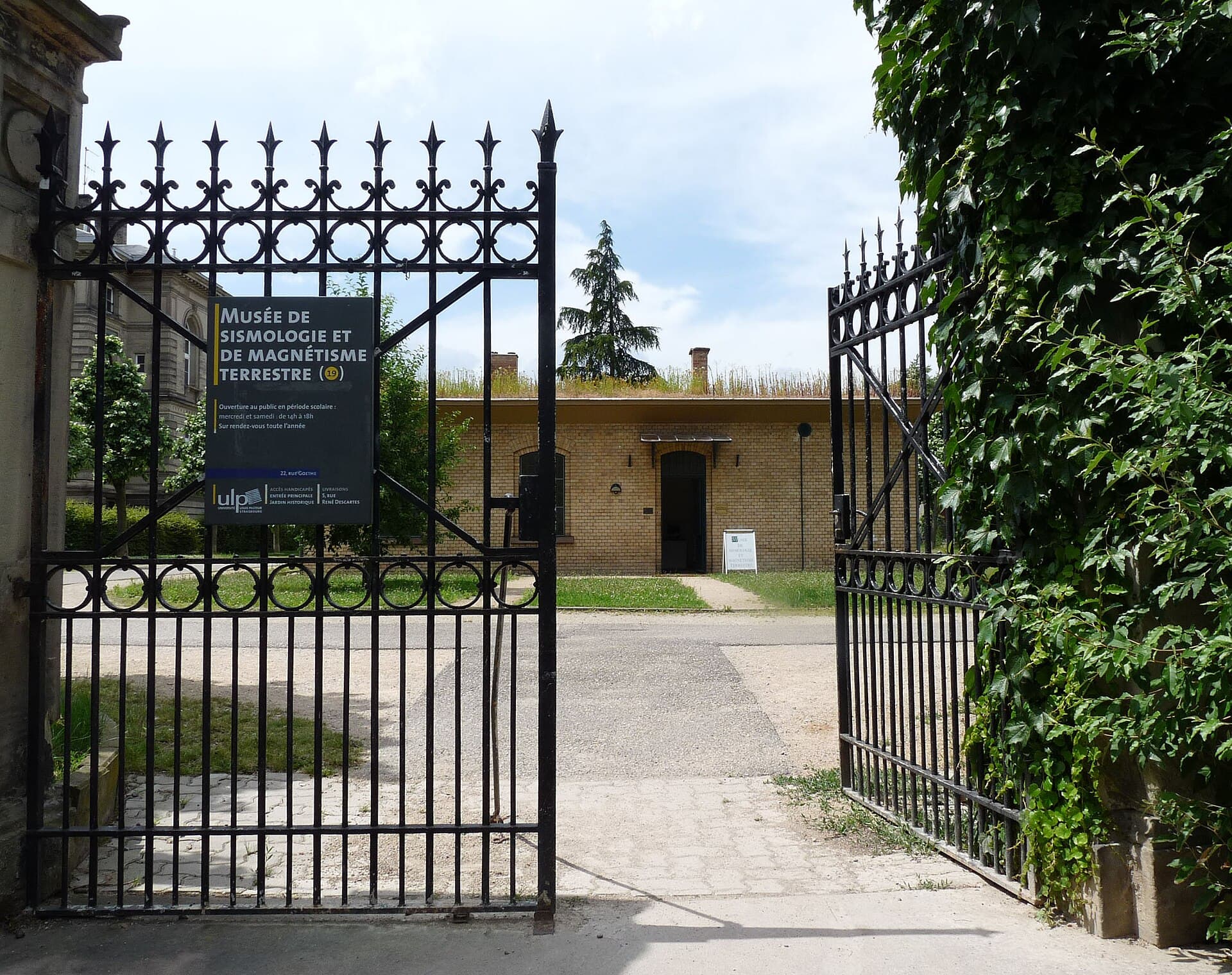 The Museum of SeismologyA small museum on the University of Strasbourg campus occupying the seismologica7 minutes walk4.2
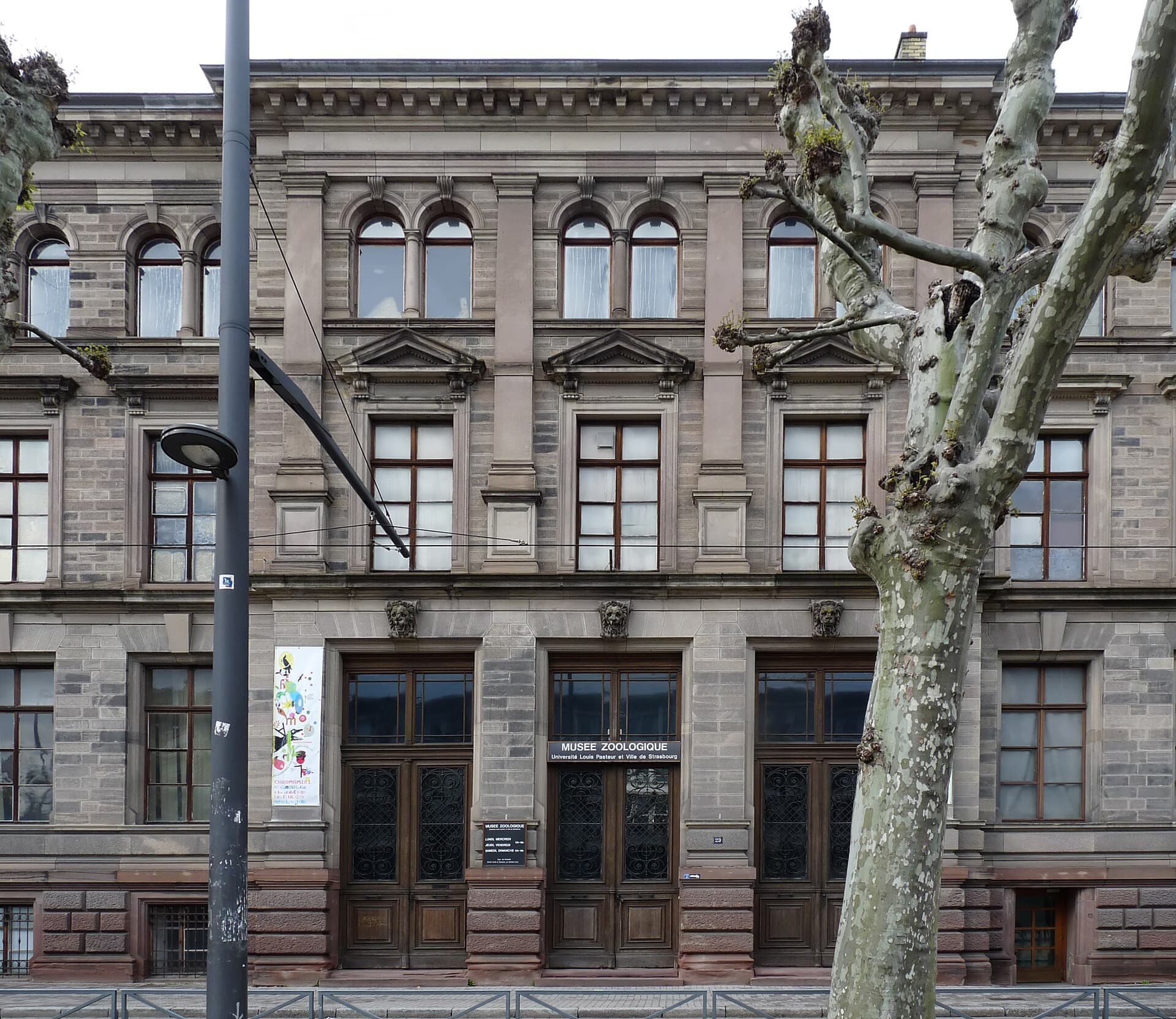 The Zoological Museum of StrasbourgA zoological museum whose collections go back to the eighteenth century, occupyi7 minutes walk4.5
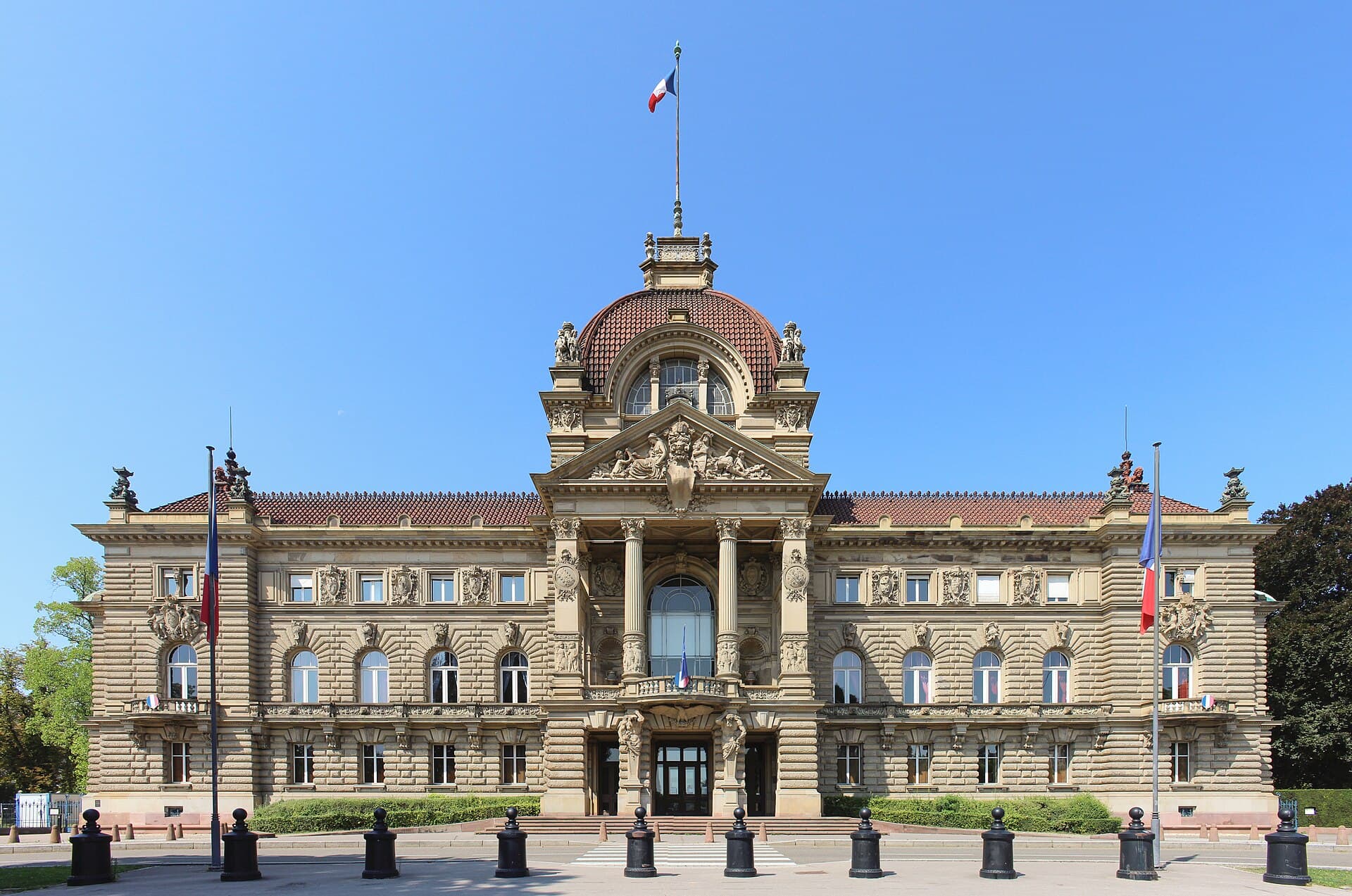 Palais du RhinThe Palais du Rhin is Strasbourg's frank German face: a massive imperial palace 7 minutes walk4.5
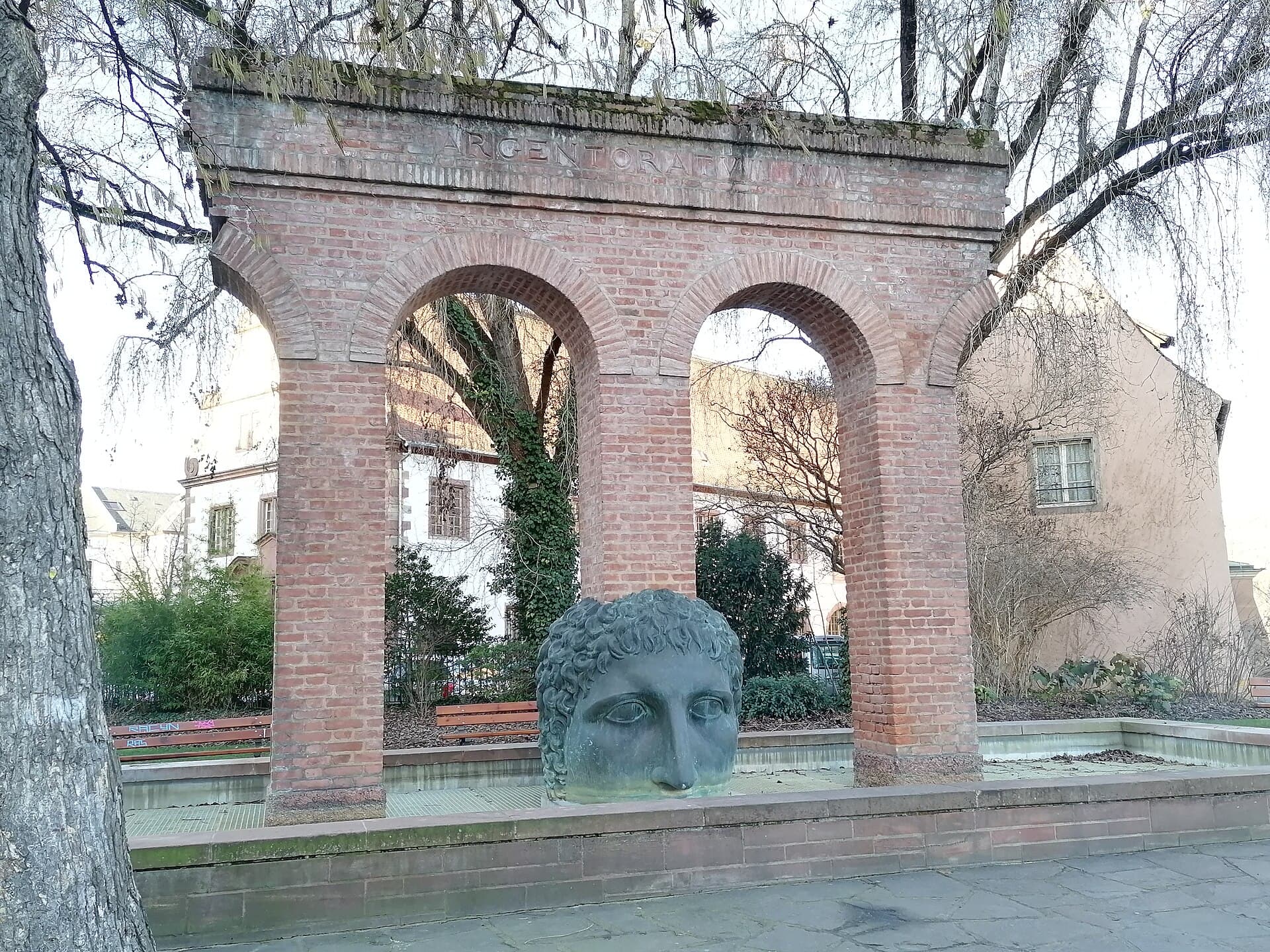 Janus FountainA contemporary fountain of 1988 designed by the artist Jean Tinguely to mark two7 minutes walk4.7
The Neustadt, or new town, an extension planned and built between 1871 and 1918 when Strasbourg was the capital of a German territory. Its streets are wide and its buildings monumental in revivalist styles, including the Palais du Rhin, the university and the national library. It was inscribed as World Heritage in 2017 alongside the Grande Île, because the combination of the two fabrics in one city is rare.
A walk through the Neustadt: from Saint-Paul to the Palais du Rhin, Place de la République and the university. The route takes an hour or two and shows the side of Strasbourg most visitors miss by staying in the old town.