
Historic cases, contemporary narrative
A nineteenth-century display serving a twenty-first-century question.
Ji-Elle — CC BY-SA 3.0 · Thomon — CC BY-SA 4.0 · Thomon — CC BY-SA 4.0 · Valentin R. from France — CC0
A zoological museum whose collections go back to the eighteenth century, occupying a university building in the university district, reopened in 2023 after a thorough seven-year restoration. The collection began as the cabinet of curiosities of Jean Hermann, a Strasbourg physician and naturalist who gathered thousands of specimens in the eighteenth century. The city bought it after his death in 1804 and it became the museum's core. The recent restoration changed the museum fundamentally: the historic wooden cases and their specimens remain, but the narrative was rearranged around contemporary environmental questions — biodiversity, extinction and human impact — rather than formal classification alone. That combination of a nineteenth-century display with a twenty-first-century question is what sets it apart from other old natural history museums. It holds an important bird collection and specimens of extinct species. Suitable for families and needing two hours.
A nineteenth-century display serving a twenty-first-century question.
Specimens of creatures that no longer exist.
Among the museum's foremost sections.
The university district, Strasbourg
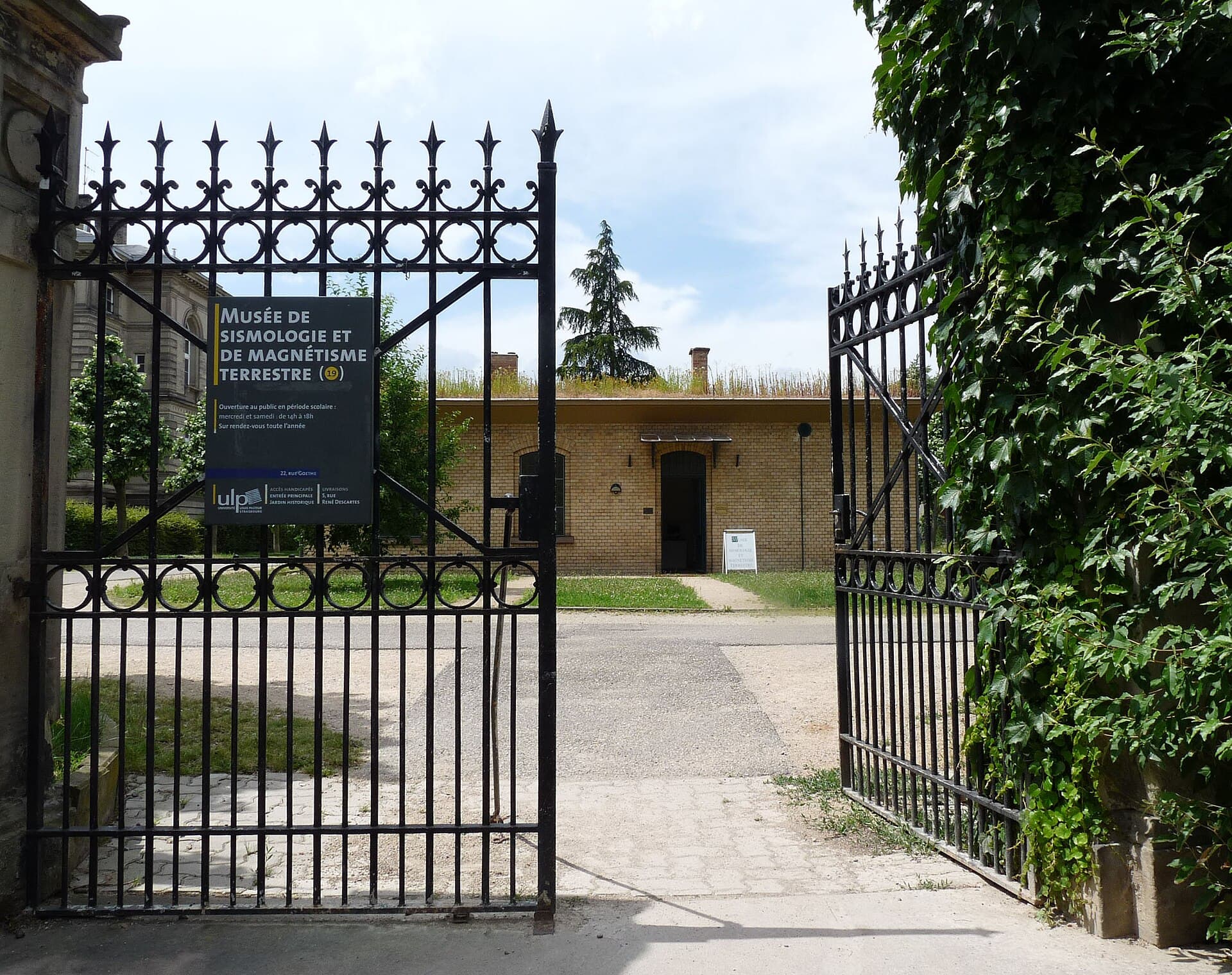 The Museum of SeismologyA small museum on the University of Strasbourg campus occupying the seismologica2 minutes walk4.2
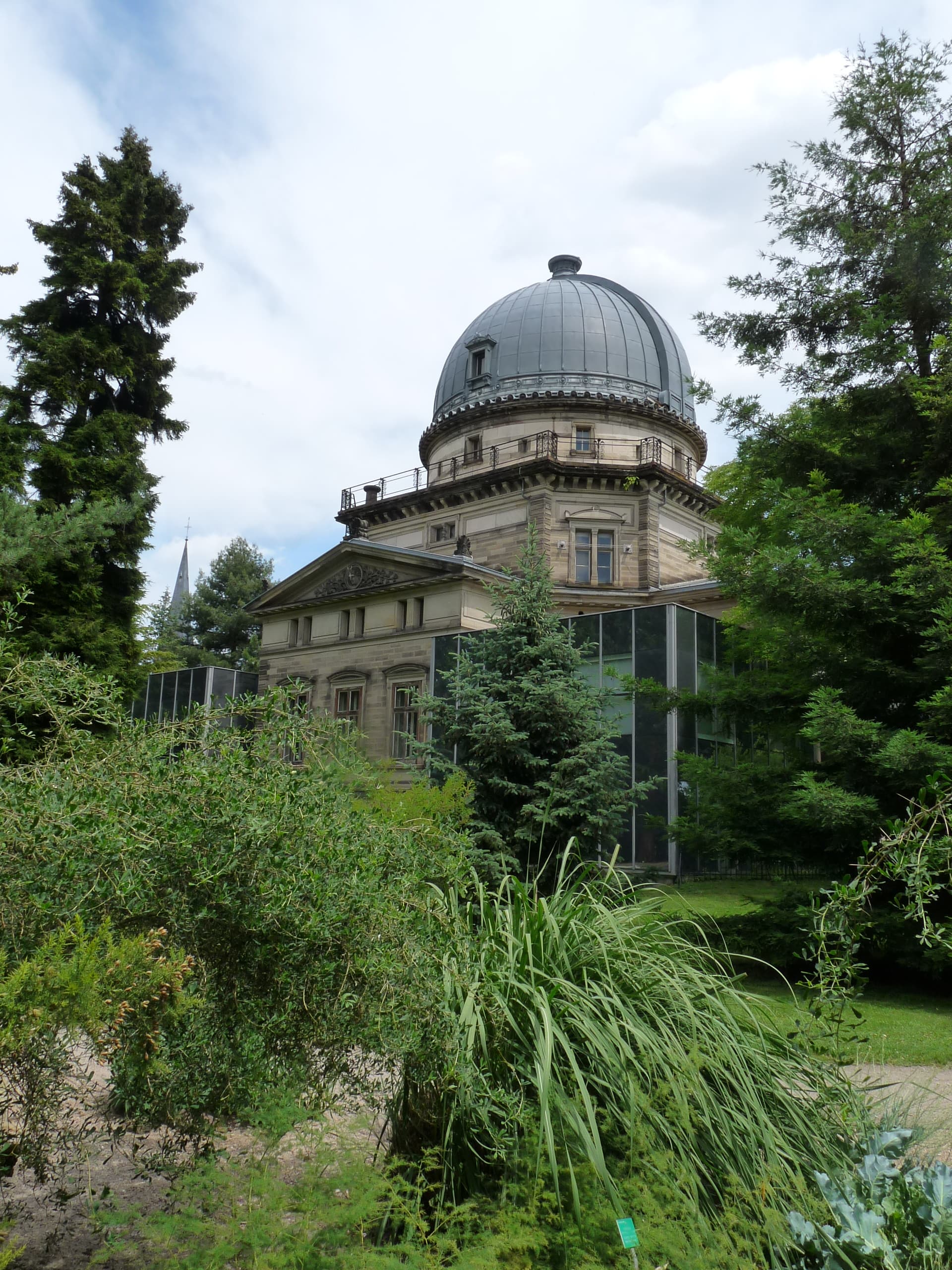 Strasbourg University Botanical GardenA botanical garden of the University of Strasbourg on the historic campus, the s2 minutes walk4.3
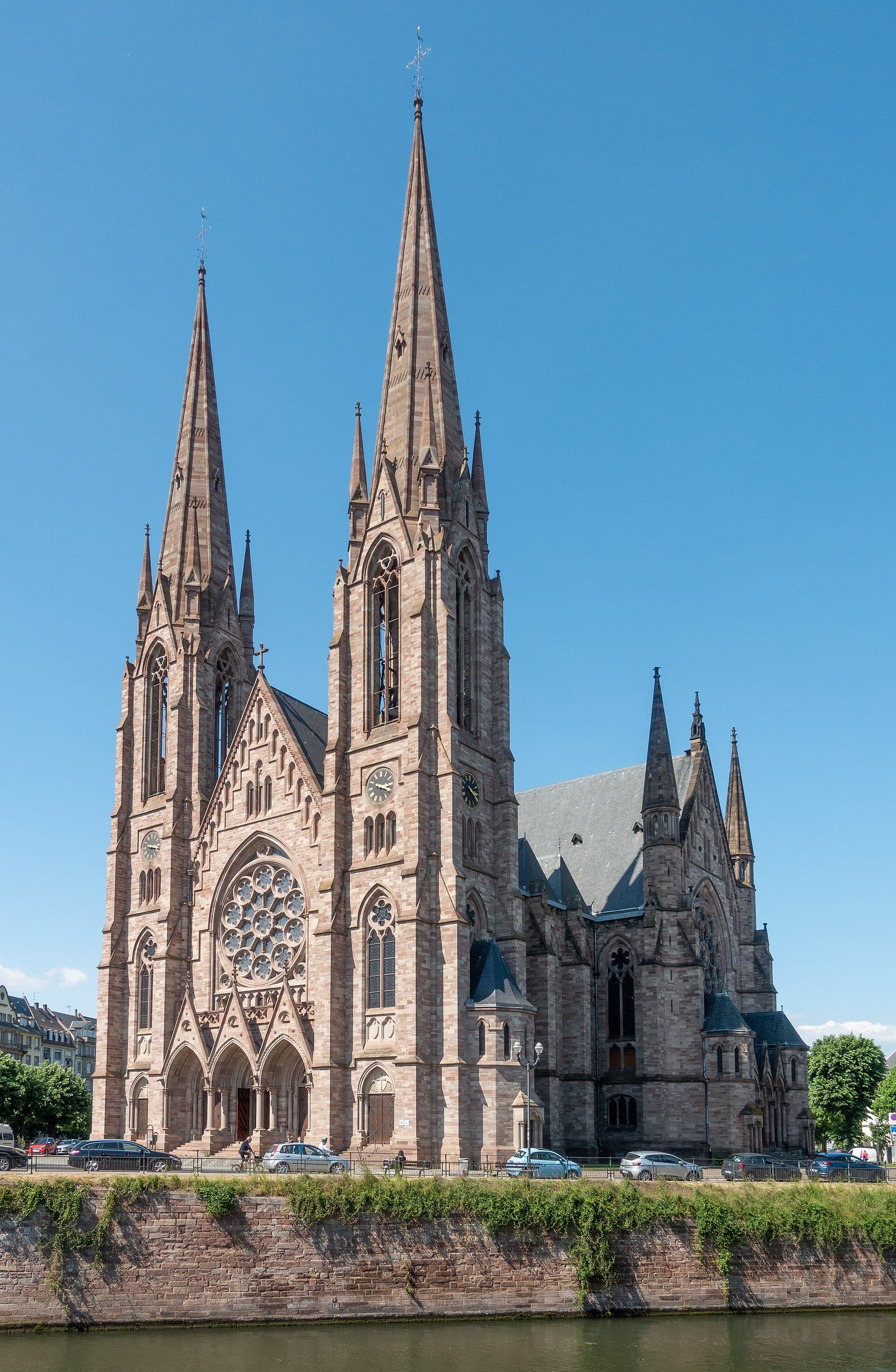 Saint-Paul's ChurchA Protestant church in the Gothic Revival manner on a spit of land where two wat7 minutes walk4.6
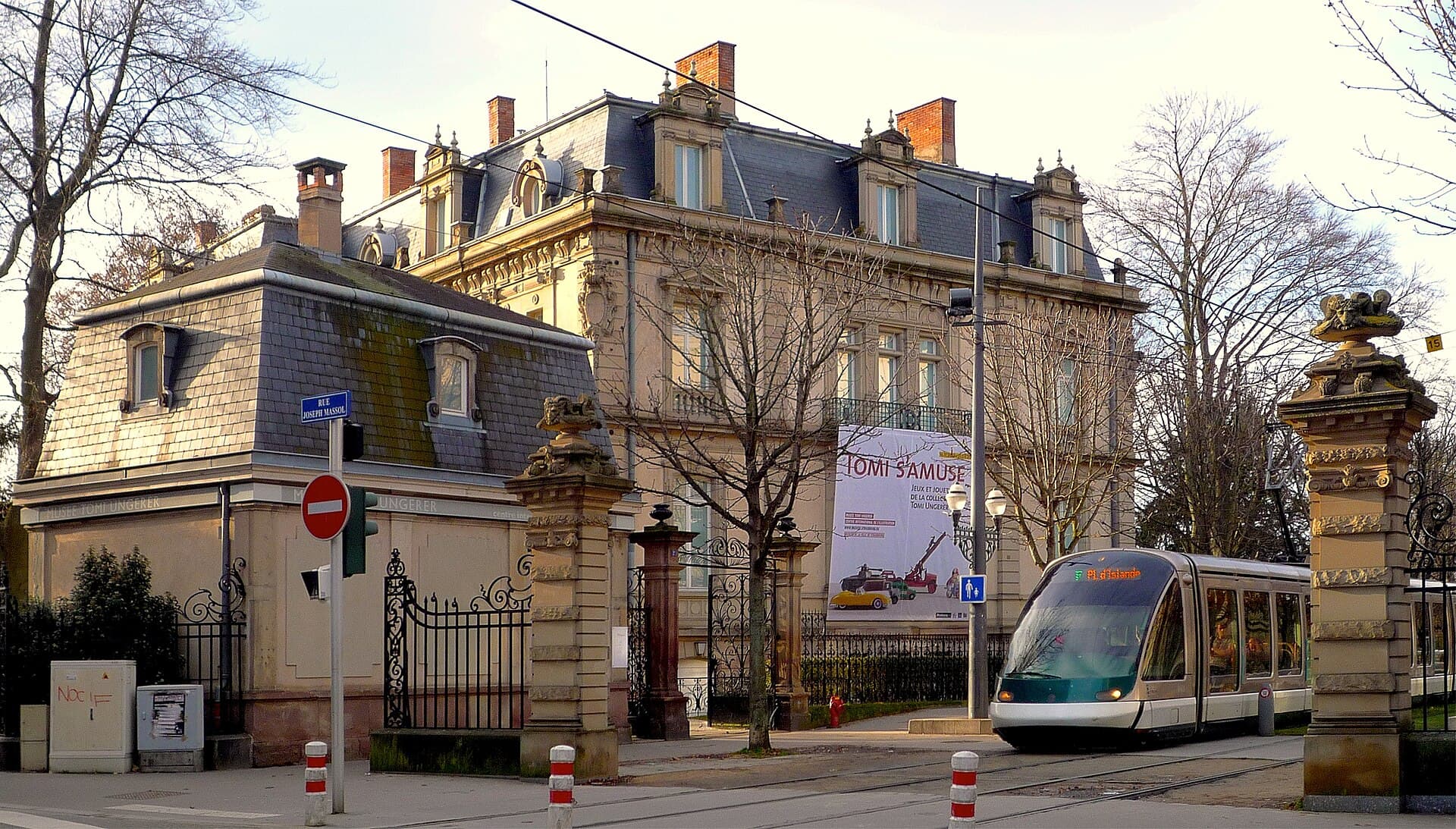 Tomi Ungerer MuseumA museum in a nineteenth-century villa devoted to the illustrator Tomi Ungerer (10 minutes walk4.2
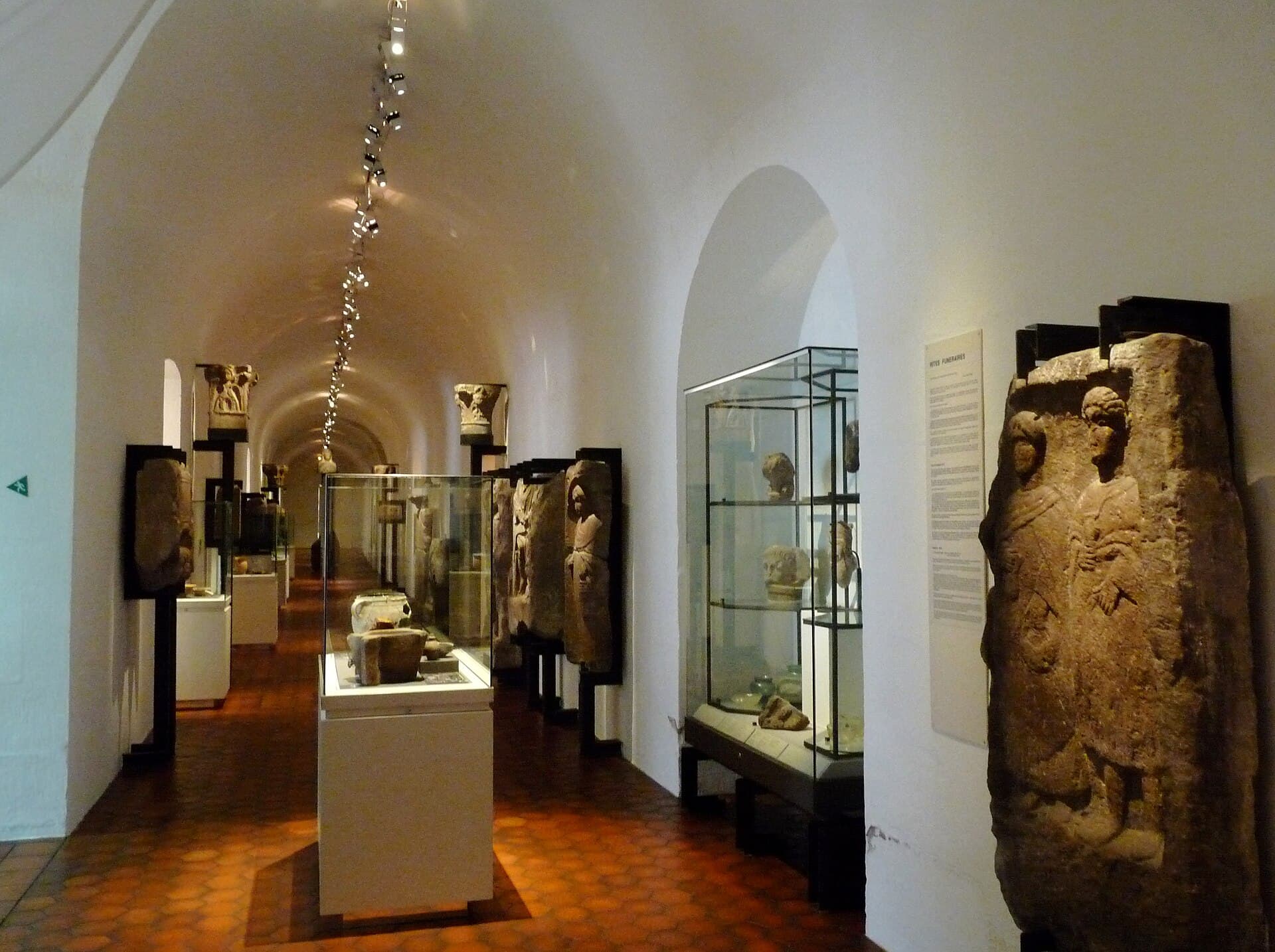 Strasbourg Archaeological MuseumAn archaeology museum in the basement of the Palais Rohan, among the most import12 minutes walk4.0
A form of collecting that dominated Europe between the sixteenth and eighteenth centuries: a room or cabinet in which a wealthy man or a scholar gathered whatever was strange or rare — animal specimens, minerals, antiquities, scientific instruments and freaks, with no strict distinction between the natural and the made. It was an attempt to compress the world into a room. Modern museums grew out of these cabinets when the collections were separated and scientifically classified in the nineteenth century.
The city runs more than ten museums on a combined ticket or annual card: the fine arts, decorative arts and archaeology museums in the Palais Rohan; the museum of modern and contemporary art; the Œuvre Notre-Dame museum holding the cathedral's original sculpture; and the Alsatian museum of folk life. The combined card is clearly better value if you intend more than two.