
The Islamic section
Material from Andalusi Málaga that completes what you see in the Alcazaba directly above.
Tyk — CC BY-SA 3.0 · Caligatus — CC BY-SA 4.0 · Junta de Andalucía — CC BY-SA 2.0 · Junta de Andalucía — CC BY-SA 2.0
Málaga's provincial museum, bringing an archaeology section and a fine arts section under one roof. It occupies the Palacio de la Aduana, a vast eighteenth-century neoclassical building at the foot of the Alcazaba hill, formerly the customs house before its restoration and conversion. The archaeology section runs the sequence of the region from prehistory through Phoenicians and Romans to the Islamic period, with material from Málaga itself and its surroundings. The art section shows Spanish painting with an emphasis on Andalusian artists. The building's size is both the advantage and the problem: the spaces are generous and comfortable and visitors relatively few, but the collection is large and needs selection if your time is limited. The location is excellent, at the foot of the Alcazaba and the Roman theatre, so you take it in on the same day with no travel at all.
Material from Andalusi Málaga that completes what you see in the Alcazaba directly above.
A vast eighteenth-century neoclassical block whose sheer scale is part of the experience.
Far fewer visitors than the Picasso museum and generous galleries — a relief in a crowded city.
Palacio de la Aduana, Plaza de la Aduana, Málaga
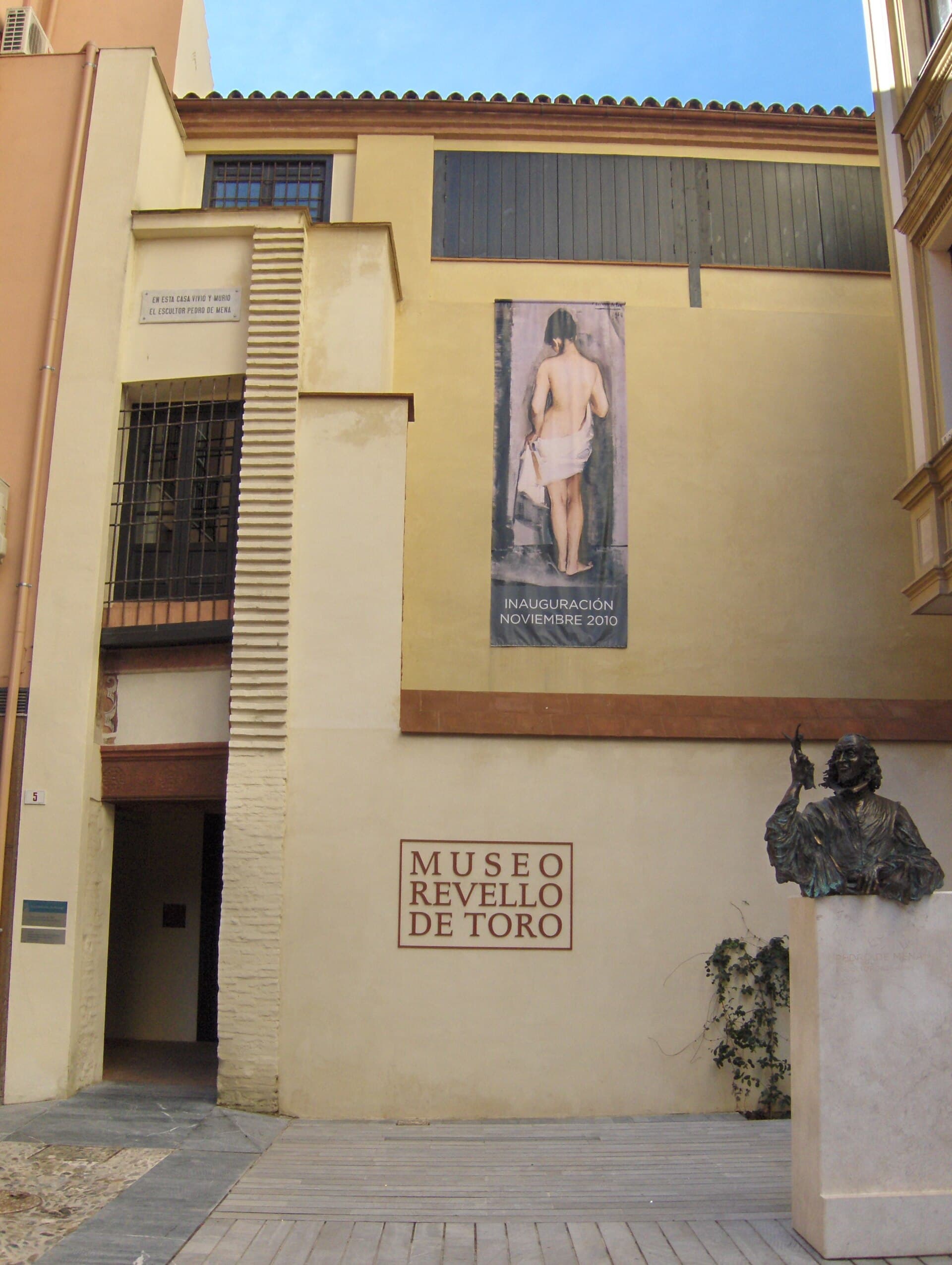 Museo Revello de ToroA museum devoted to the work of the Málaga painter Félix Revello de Toro, in a s2 minutes walk4.7
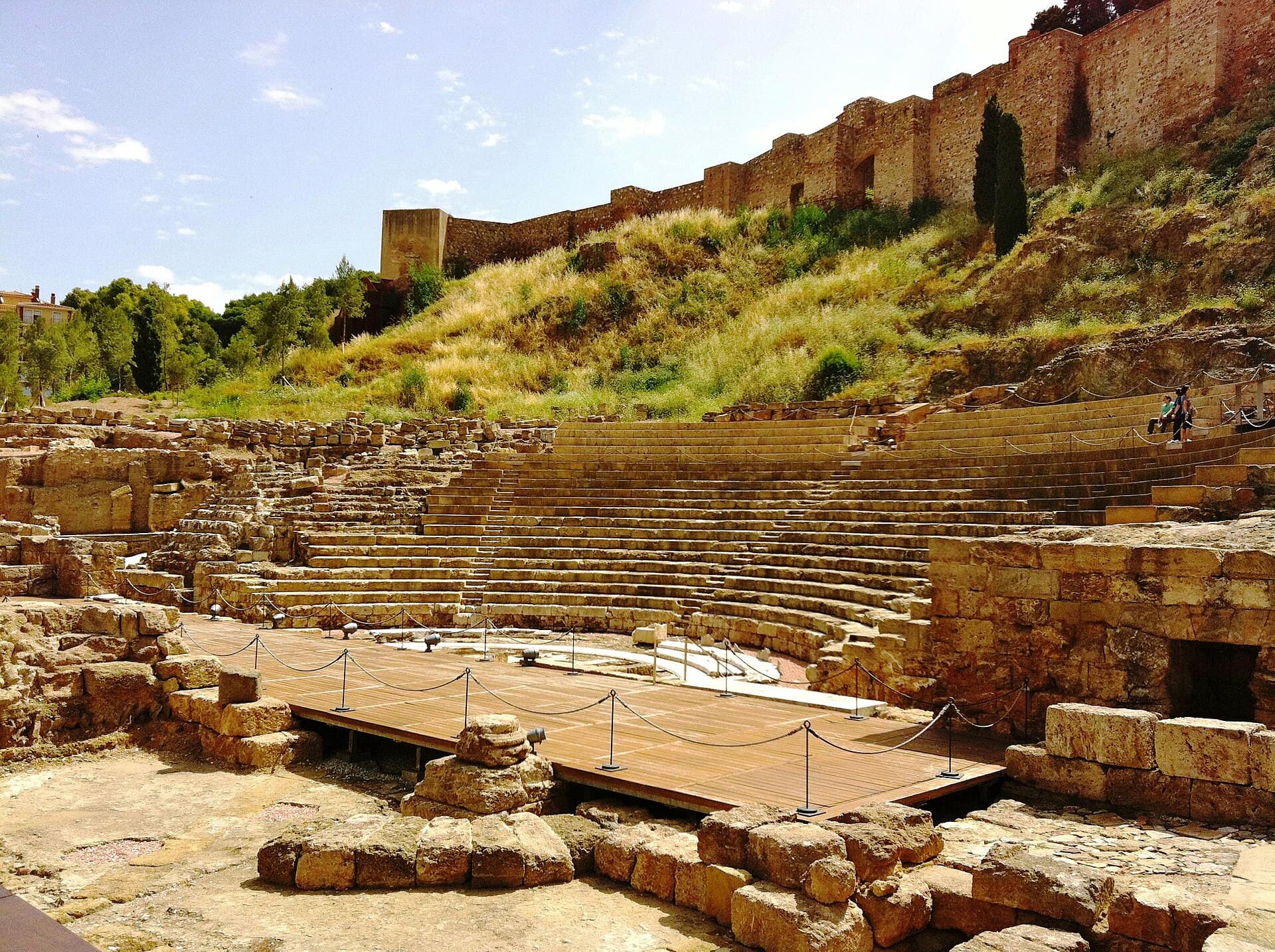 Roman TheatreAt the Alcazaba's foot lies Málaga's Roman theatre of Augustus's age — the city'2 minutes walk4.7
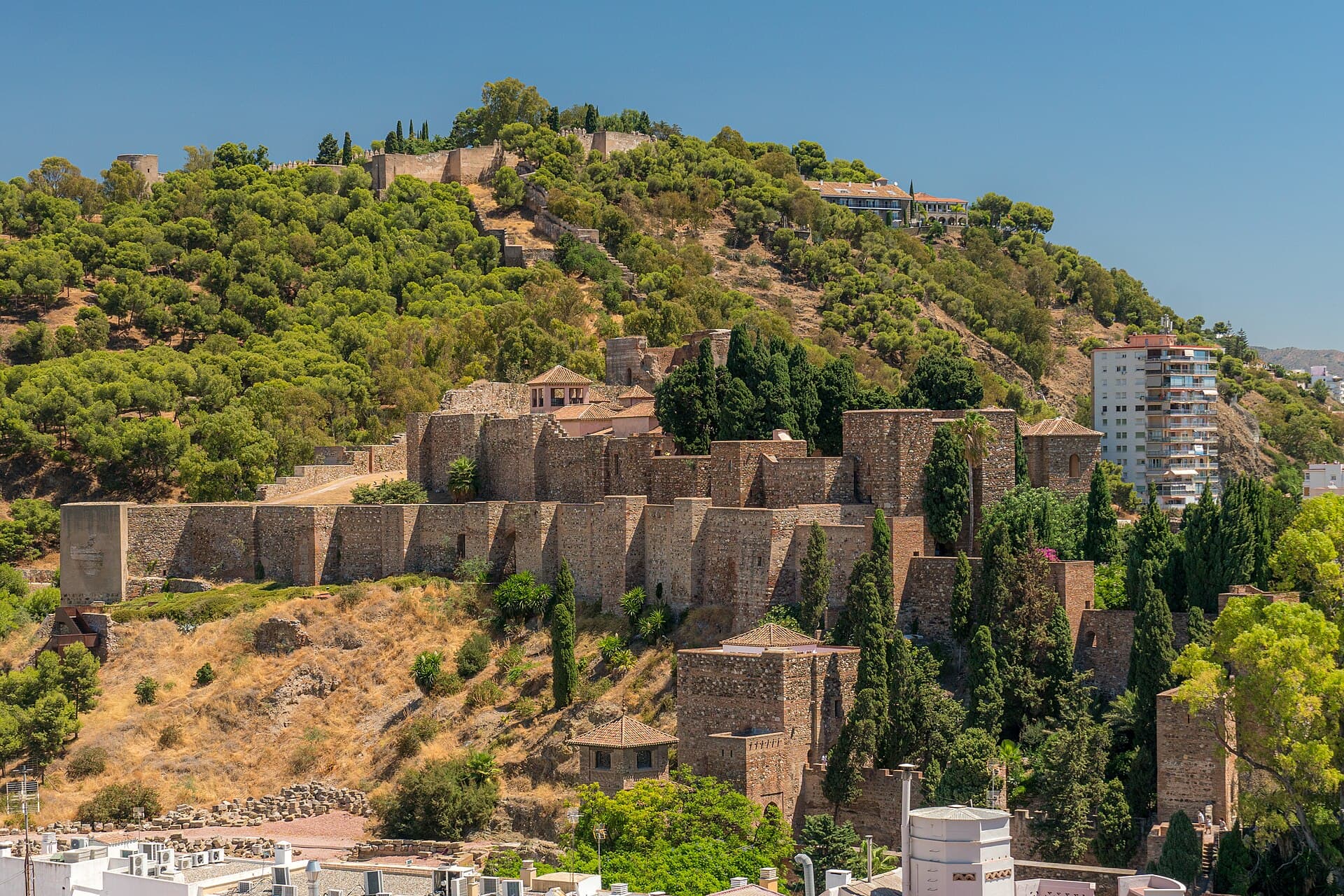 Alcazaba of MálagaMálaga's Alcazaba is the best-preserved Islamic citadel in all Spain — and unjus2 minutes walk4.5
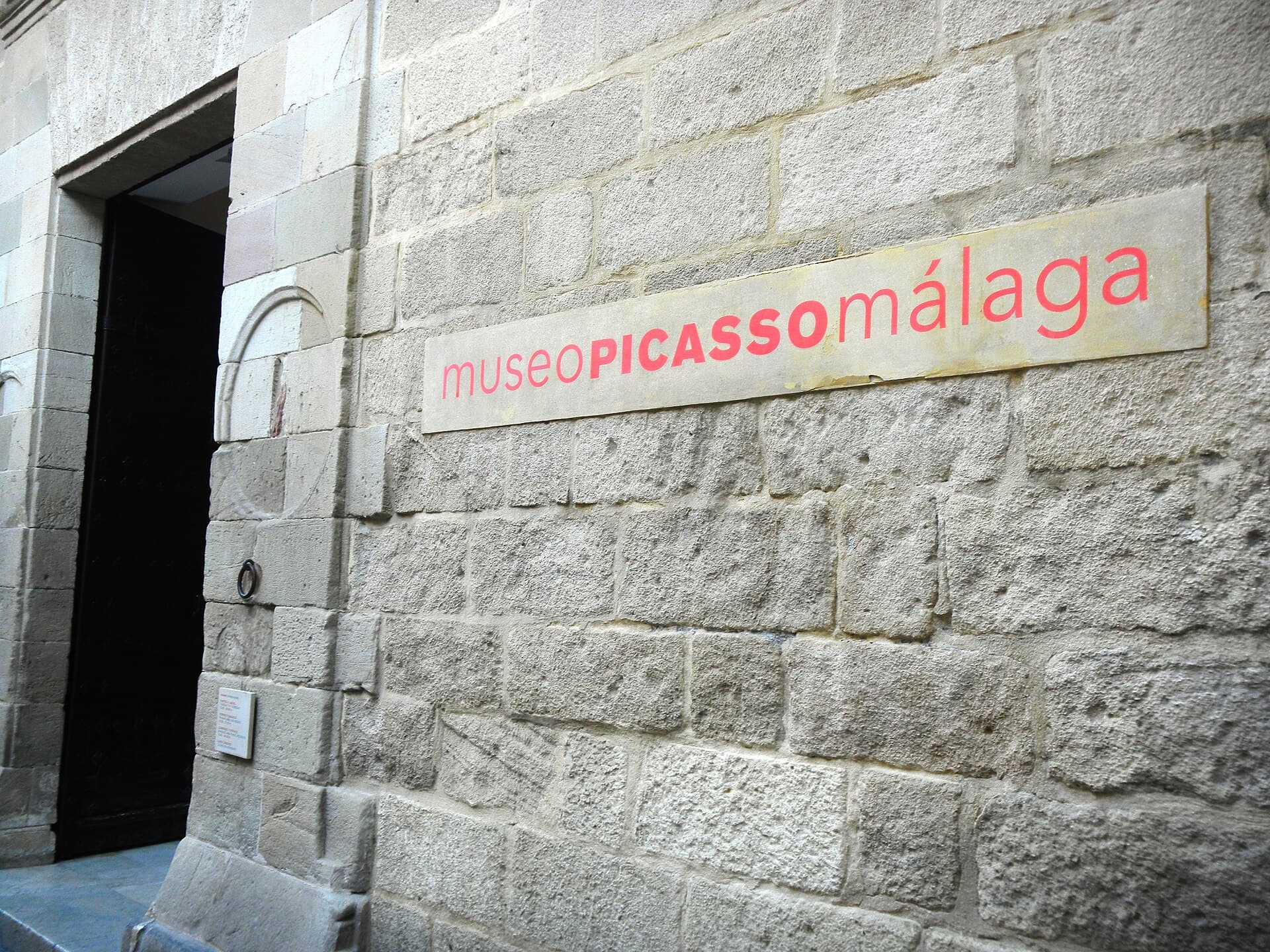 Museo Picasso MálagaIn his mother city Picasso's declared dream came true: "a museum for my works in3 minutes walk4.2
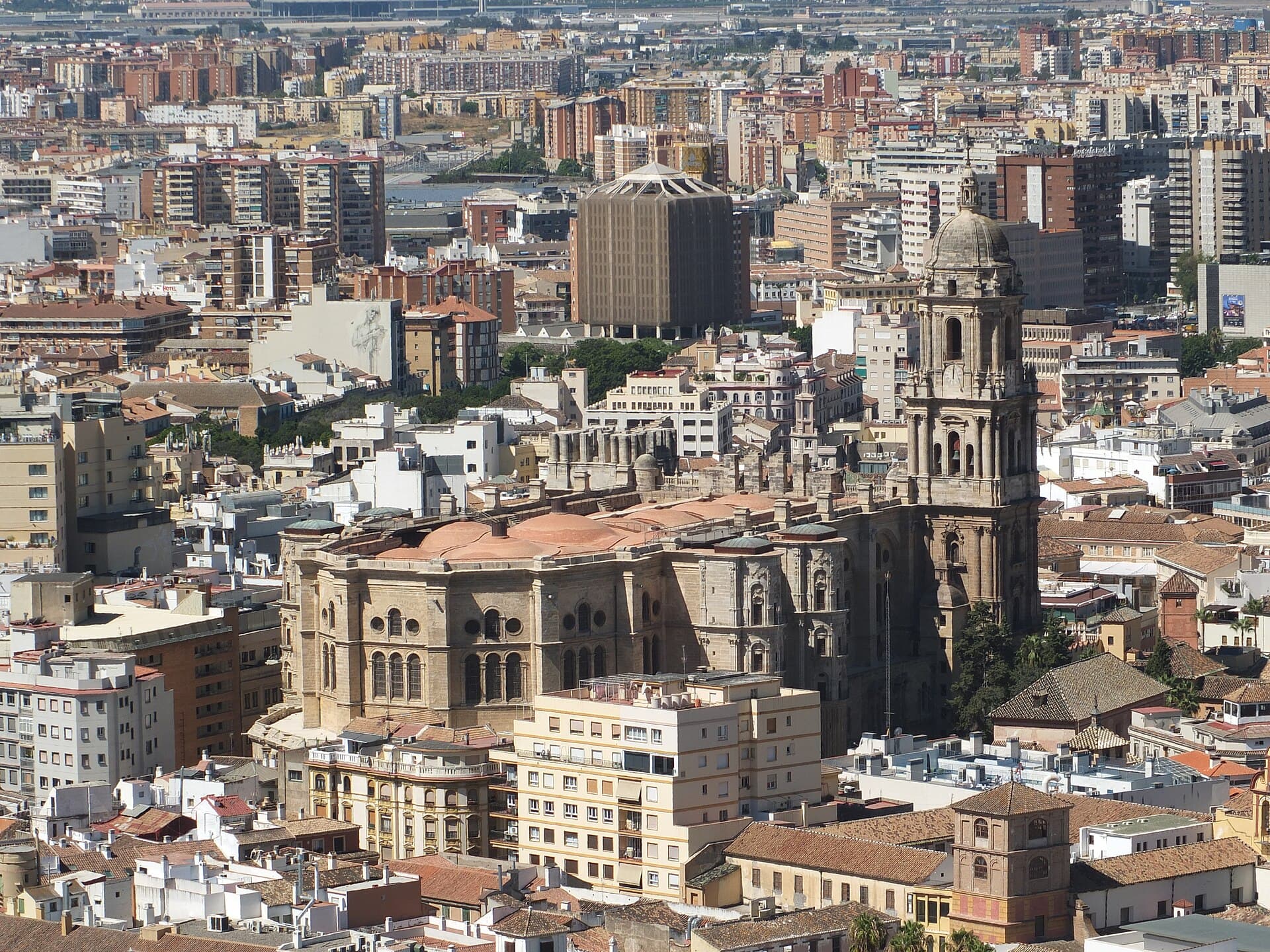 Málaga Cathedral (La Manquita)"La Manquita" — the little one-armed lady, in Málaga's affection — is their sing3 minutes walk4.5
Before is better if history interests you, since the archaeology section gives you the context to read the fortress afterwards. If it is hot, though, climb the Alcazaba in the morning and come down to the museum at midday, where there is air conditioning.
Ninety minutes covers a selective visit and two and a half hours a full one across both sections. If time is short, choose the archaeology section, as it connects most directly to the city's surrounding sights.