
The Mayrit rooms
They trace Madrid's start as an Andalusi fortress town in the ninth century before it became a Castilian city, the part most likely to interest an Arab visitor.
Malopez 21 — CC BY-SA 4.0 · Malopez 21 — CC BY-SA 4.0 · Malopez 21 — CC BY-SA 4.0
A small city museum in the old quarter, on the plot where tradition says San Isidro, Madrid's patron saint, served the Vargas family. Entry is free and the subject is narrow: how Madrid began, before it was a capital. The permanent display has three parts: "Before Madrid", with Stone Age, Roman and Visigothic finds from the Manzanares valley; "Mayrit", on its founding as an Andalusi fortress town in the ninth century, then Castile, ending when Philip II moved the court here in 1561; and a third on the saint and his cult, which runs past 1561. Half the value is the building, not the objects: a sixteenth-century courtyard, a chapel built and remodelled across the seventeenth and eighteenth centuries, and the "Miracle Well". The collection is modest; for archaeology at scale the National Archaeological Museum is better, but the Mayrit rooms earn the time if Madrid's Andalusi origins interest you. A few minutes from La Latina metro, in an area full of restaurants, with the Arab wall remains at Cuesta de la Vega a short walk away. The Museo de Historia de Madrid picks up after 1561.
They trace Madrid's start as an Andalusi fortress town in the ninth century before it became a Castilian city, the part most likely to interest an Arab visitor.
A sixteenth-century courtyard, a chapel built and remodelled across the seventeenth and eighteenth centuries, and the "Miracle Well" of the saint's legend, usually the most enjoyable part of the visit.
A late Roman mosaic found in 1840 at the Roman site in Carabanchel, in southern Madrid; the museum holds it, but whether it is on show is not guaranteed, so ask at the desk.
Plaza de San Andrés, 2, 28005 Madrid
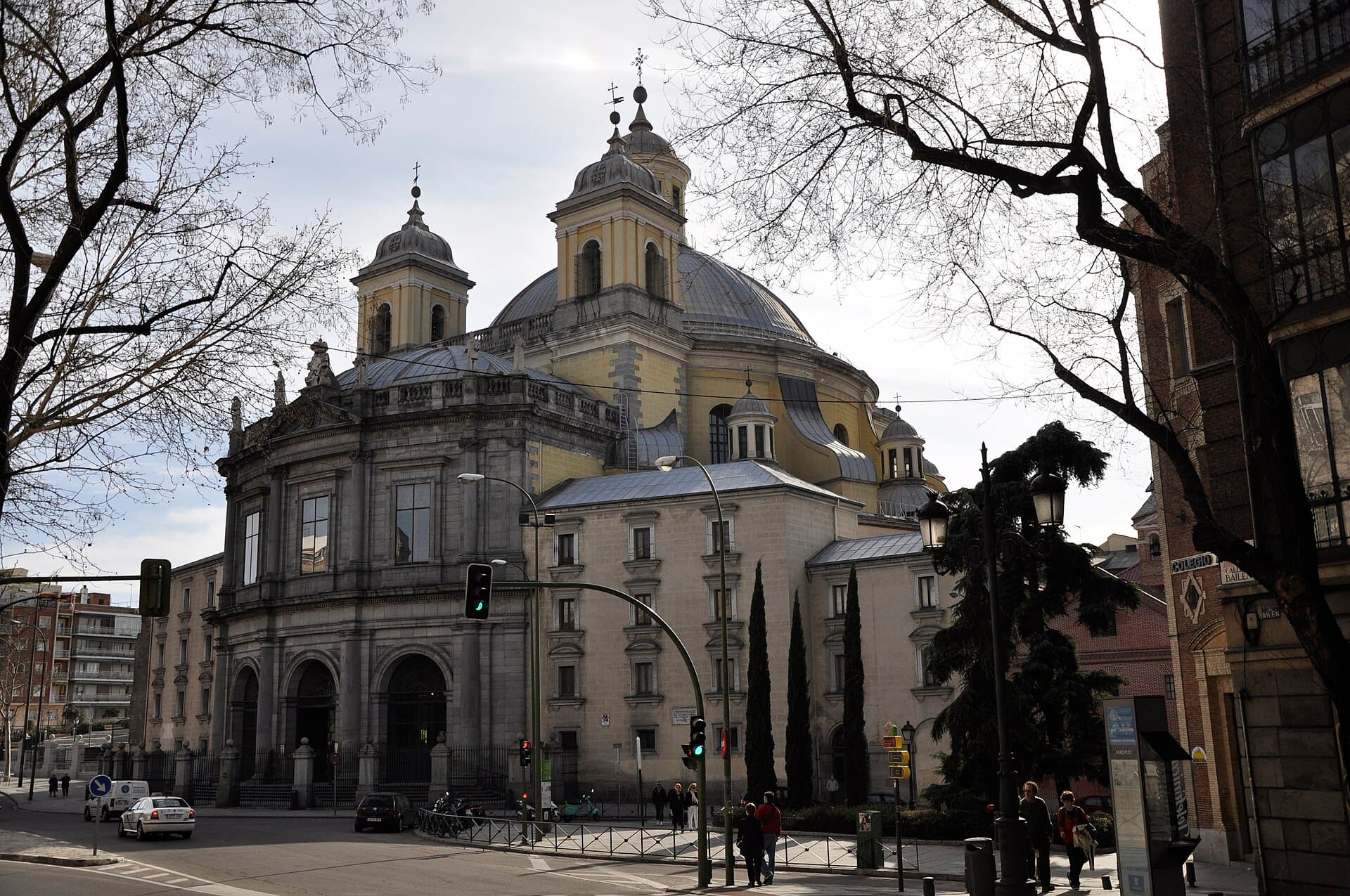 Royal Basilica of San Francisco el GrandeA late eighteenth-century church in the La Latina district whose dominant featur4 minutes walk4.6
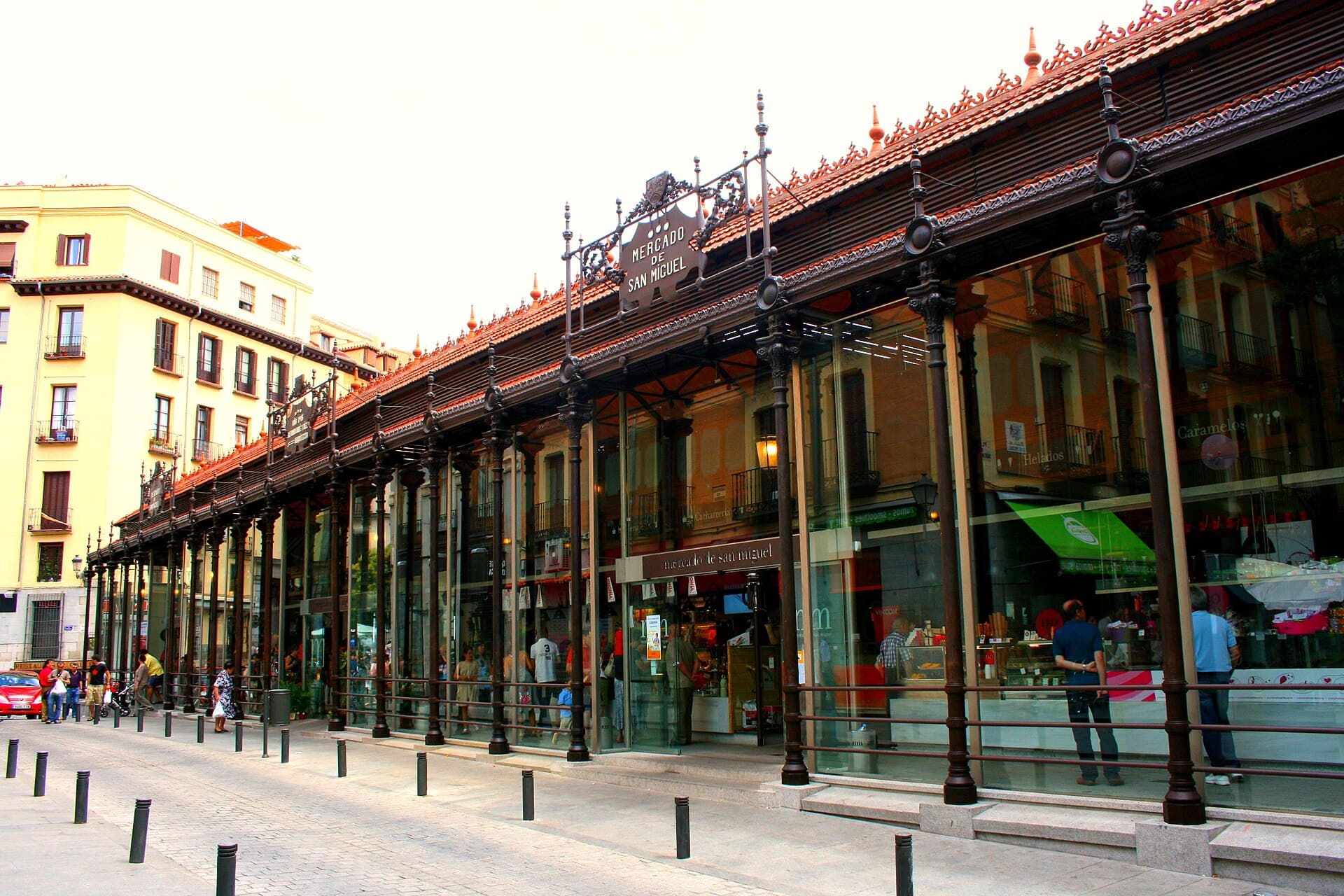 Mercado de San MiguelAn iron and glass market hall directly beside the Plaza Mayor, built at the star5 minutes walk4.5
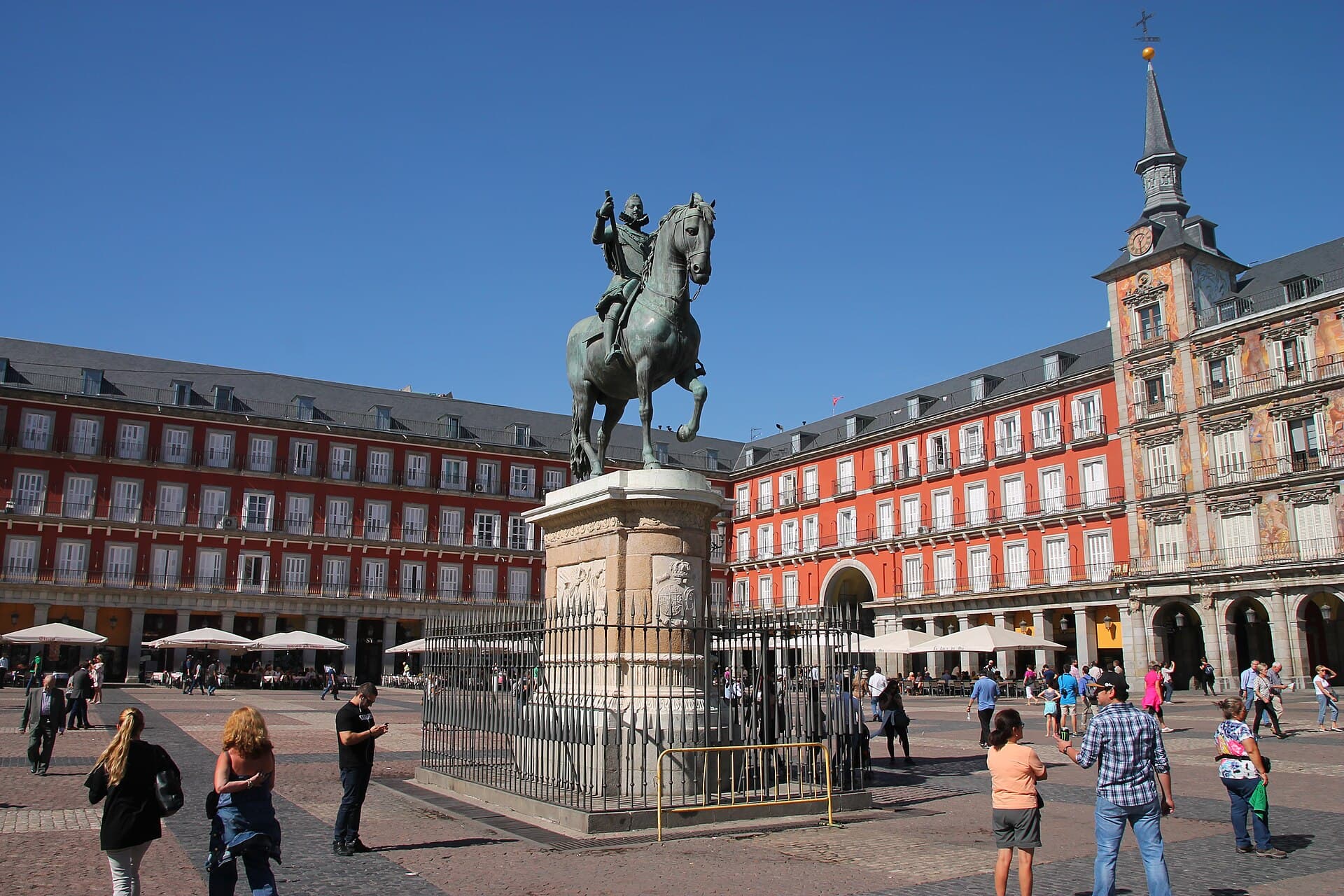 Plaza MayorThe Plaza Mayor has been Madrid's reception room for four centuries: a majestic 6 minutes walk4.7
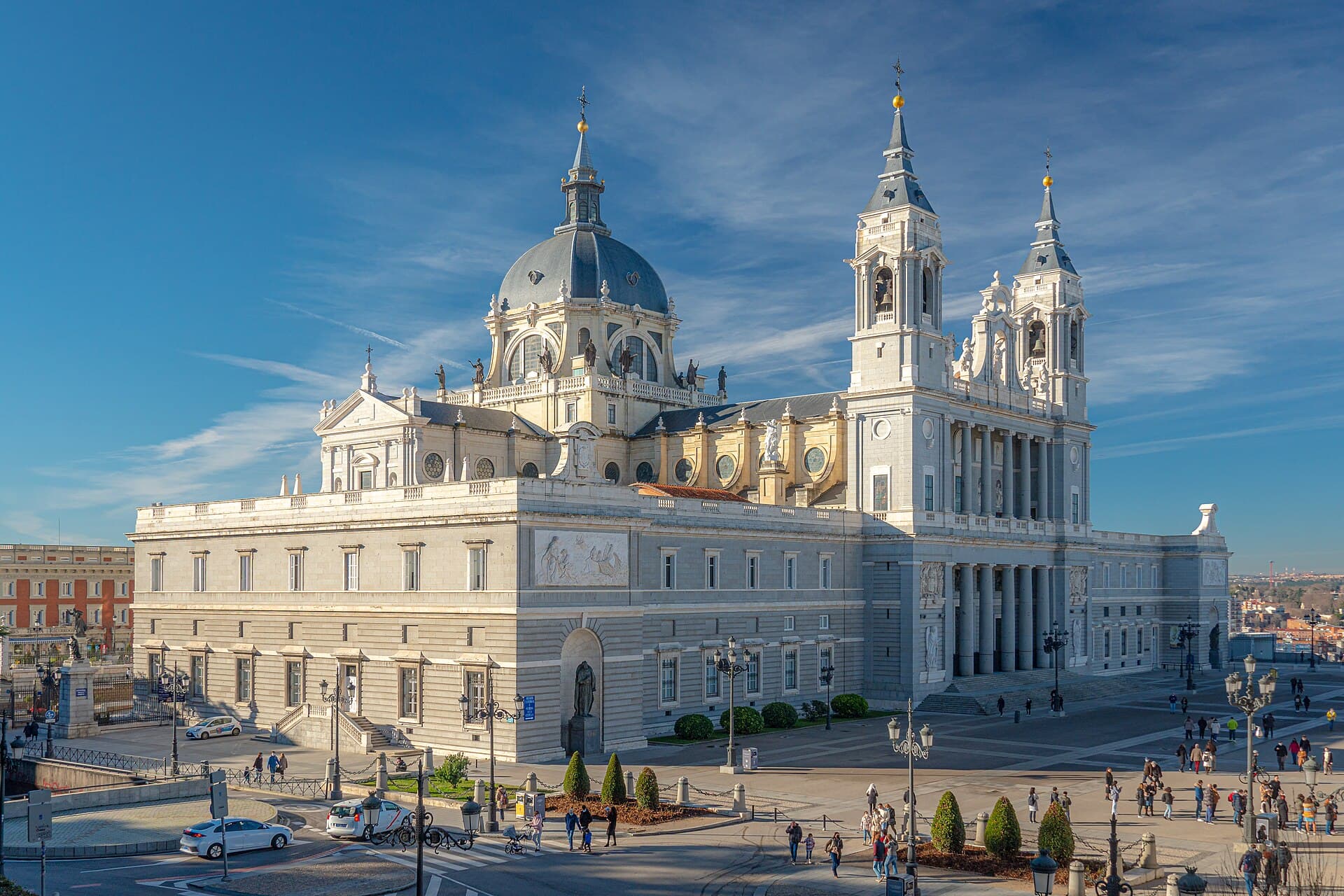 Almudena CathedralThe Almudena is Madrid's young cathedral — its story stranger than its age: Cath6 minutes walk4.7
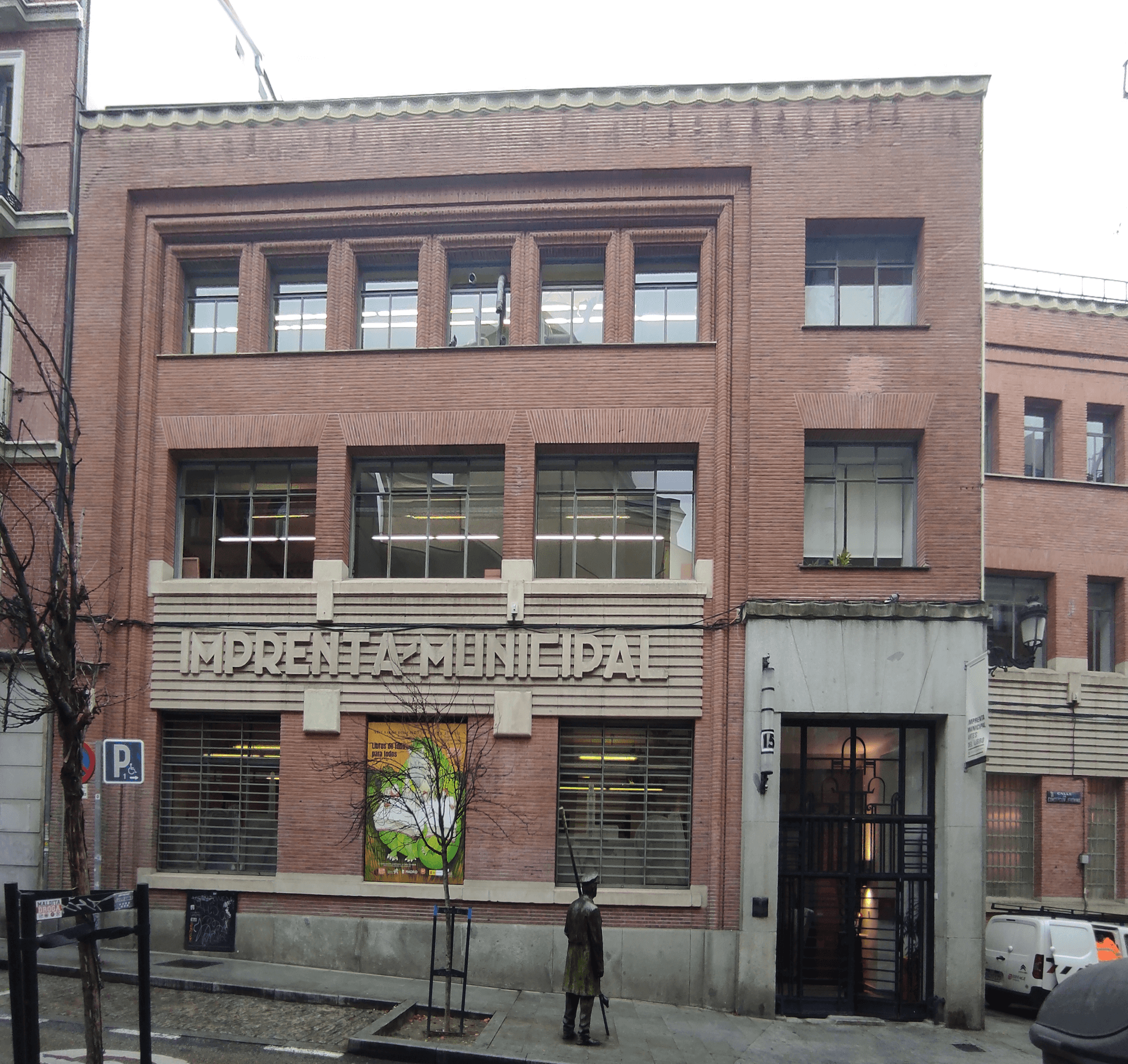 Imprenta Municipal, Artes del LibroA small city-run museum devoted to the history of printing and bookmaking, in th6 minutes walk4.5
Entry is free and needs no booking. It closes on Mondays and on some public holidays, and runs shorter hours in summer, so check the times on the Madrid city council site before you go.
Forty-five minutes to an hour and a quarter is enough; the museum is small and the displays are few. The nearest metro is La Latina on Line 5, and it sits in the old quarter beside Plaza de la Paja, so it folds easily into the same walk as Plaza Mayor or the Almudena Cathedral.
This is a small free city museum about Madrid's own beginnings, with the city's story ending in 1561, while the National Archaeological Museum is far larger, ticketed, and covers all of Spain. With limited time in Madrid the national one comes first; this suits people staying in the old quarter or specifically curious about the city's beginnings.