
The archive of tokens
Halved coins, ribbons and broken medals left with each baby as proof of identity, displayed row after row.
sailko — CC BY-SA 3.0 · HuthBerlin — CC BY 4.0 · HuthBerlin — CC BY 4.0 · HuthBerlin — CC BY 4.0
A coin snipped in half with shears, a carefully knotted ribbon, a religious medal broken in two: small things left by poor mothers alongside the babies they could not keep, the matching half kept in the mother's own hand in the hope that she might one day come back and prove the child was hers. That archive of tokens is preserved here and displayed across a full room, and most of those mothers never came back. It is the heart of this museum, and the most honest thing you will see in a city that is very good at showing off its gold. The building is also a landmark in the history of architecture. Brunelleschi's loggia (1419-1427) is routinely called the first building conceived wholly in the language of the Renaissance, and Andrea della Robbia's blue glazed roundels with their swaddled infants completed the facade in 1487 - all of it out in the open air, free to study from the square without a ticket, though most of what you see up there now is a nineteenth-century copy and the surviving originals are kept inside. The institution itself opened in 1445, the first in Europe purpose-built to care for abandoned children, and it is still going today as the Istituto degli Innocenti. The famous rotating wheel - the opening where an infant could be placed from outside and turned inward without the face of whoever left him ever being seen - was installed in 1660; before that there was a stone basin under the portico. It was sealed in 1875, when anonymous abandonment gave way to a formal admissions office. So let us be plain: if you have two days in Florence and have not yet been inside the Uffizi or the Accademia, this is not your stop. The picture gallery is small, with Ghirlandaio's Adoration of the Magi (1488-89), an early Botticelli Madonna and Child with an Angel and some della Robbia work, but it does not compete with the great collections and does not try to. The value is downstairs in the historical floor, and in the fact that this is one of the very few museums in the city that talks about ordinary people rather than princes. That makes it an excellent choice on a second visit to Florence, or for a family with children who have had enough marble, or for anyone who genuinely wants two quiet hours: crowds here are rare and tickets can usually be bought on the day without booking, which in this city is a luxury in itself. The displays are tastefully done and entirely suitable for children - nothing here is disturbing, unlike the anatomical waxes at La Specola. You are about a ten-minute walk from the Duomo, on what is the calmest and most harmonious square in the centre, with the San Marco museum a couple of minutes away if you want to pair the two. On the top floor, the Caffe del Verone sits on a rooftop once used for drying the hospital's laundry, with a side-on view of Brunelleschi's dome; you can go up without a museum ticket and it stays open well after the museum closes - reason enough to drop in on its own. The nearest mosque is on Borgo Allegri behind Santa Croce, the only one in the historic centre, roughly twenty minutes on foot, and halal butchers are easy to find near the Mercato Centrale and on Via dell'Oriuolo.
Halved coins, ribbons and broken medals left with each baby as proof of identity, displayed row after row.
The first facade built wholly in Renaissance language; its blue roundels are free to view from the square, with the originals inside.
A rooftop once used to dry the hospital's laundry, now a cafe with a dome view you can reach without a museum ticket.
Piazza della Santissima Annunziata 13, 50122 Florence, Italy
 Galleria dell'AccademiaThe Accademia is the house of David — the most famous statue in the world. Five 2 minutes walk4.5
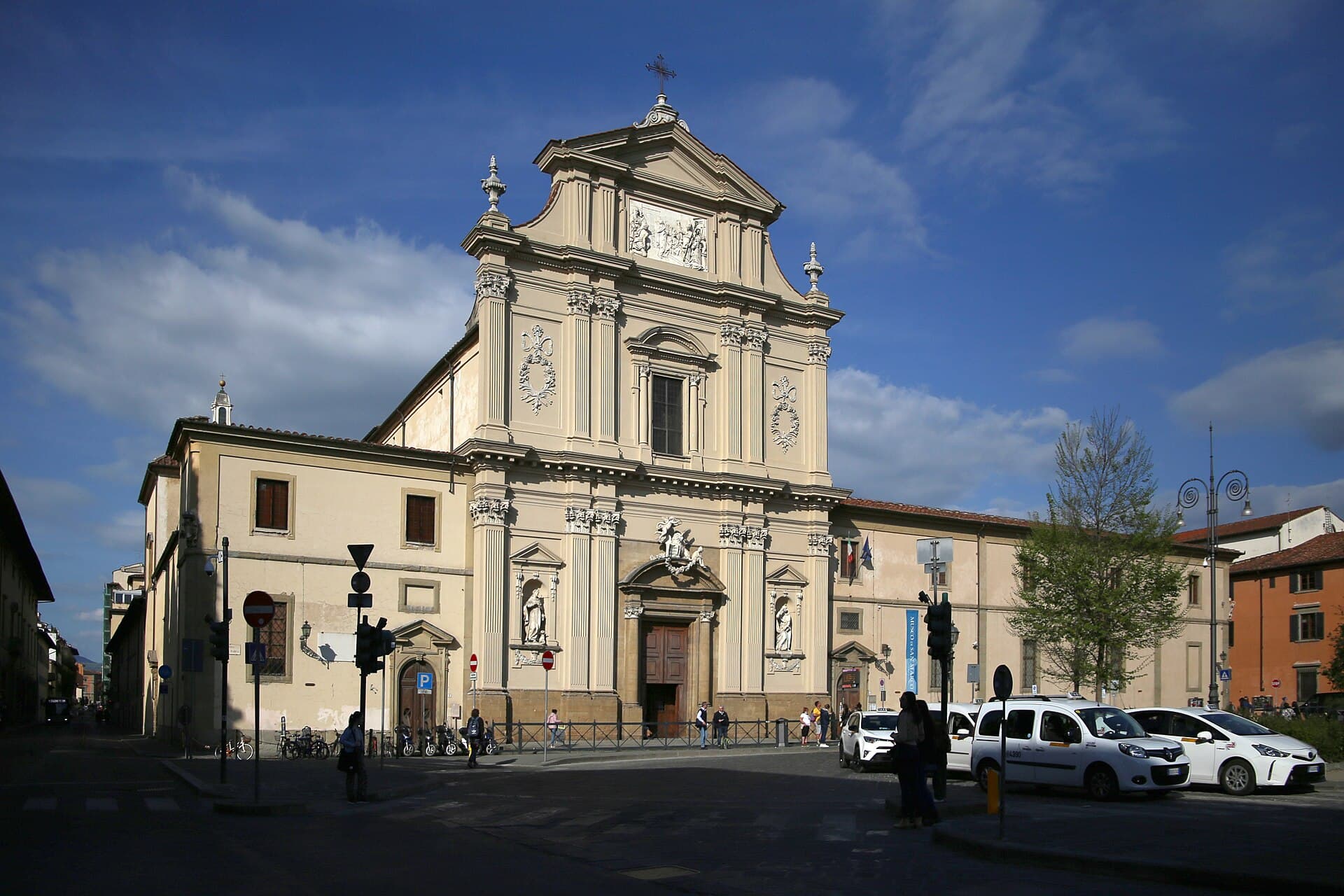 Museo di San MarcoSan Marco is the monastery painted by its own resident: in the 1440s Cosimo de' 3 minutes walk4.6
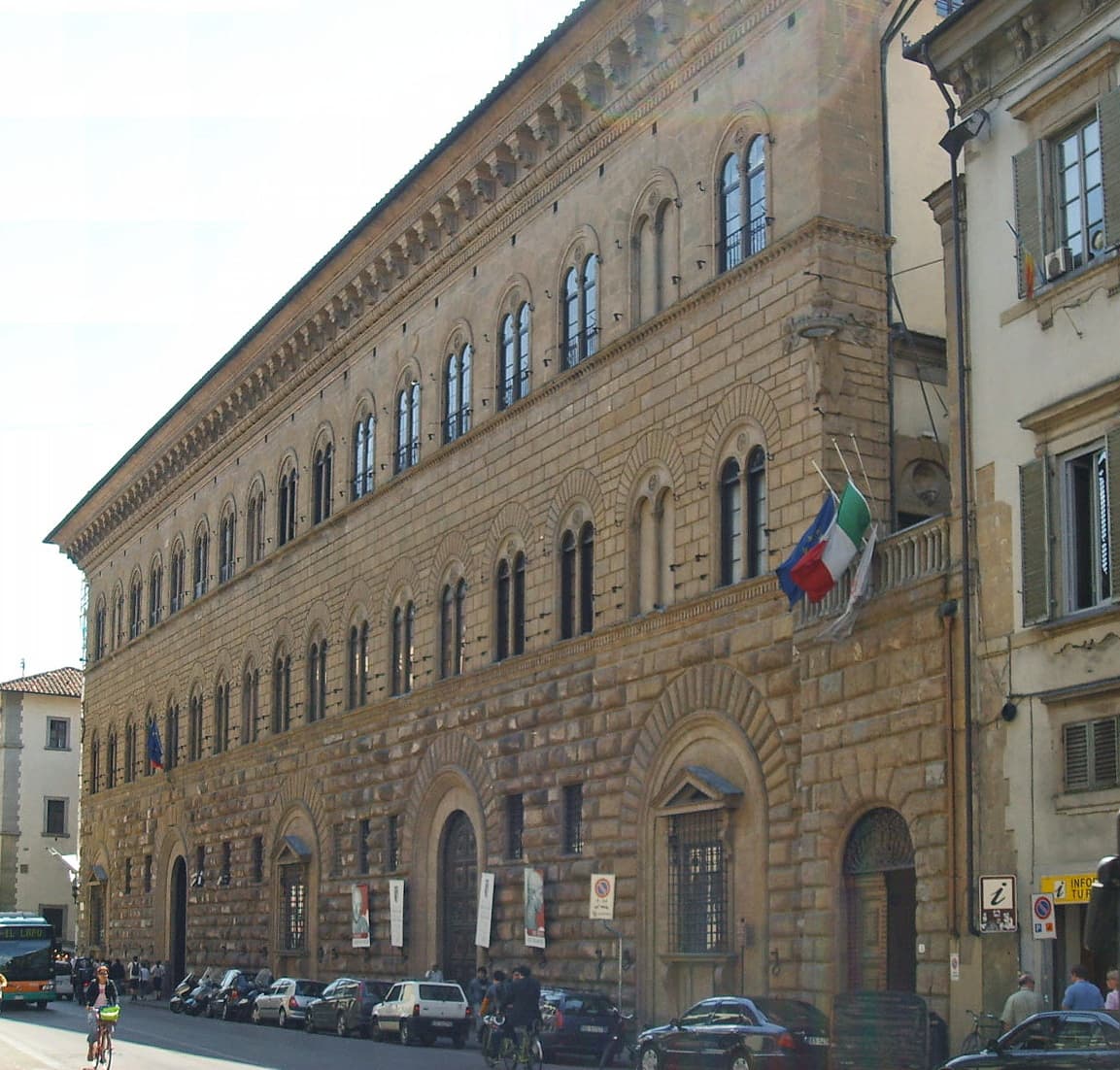 Palazzo Medici RiccardiThis is the first Medici palace — the house that invented the Florentine palazzo5 minutes walk4.6
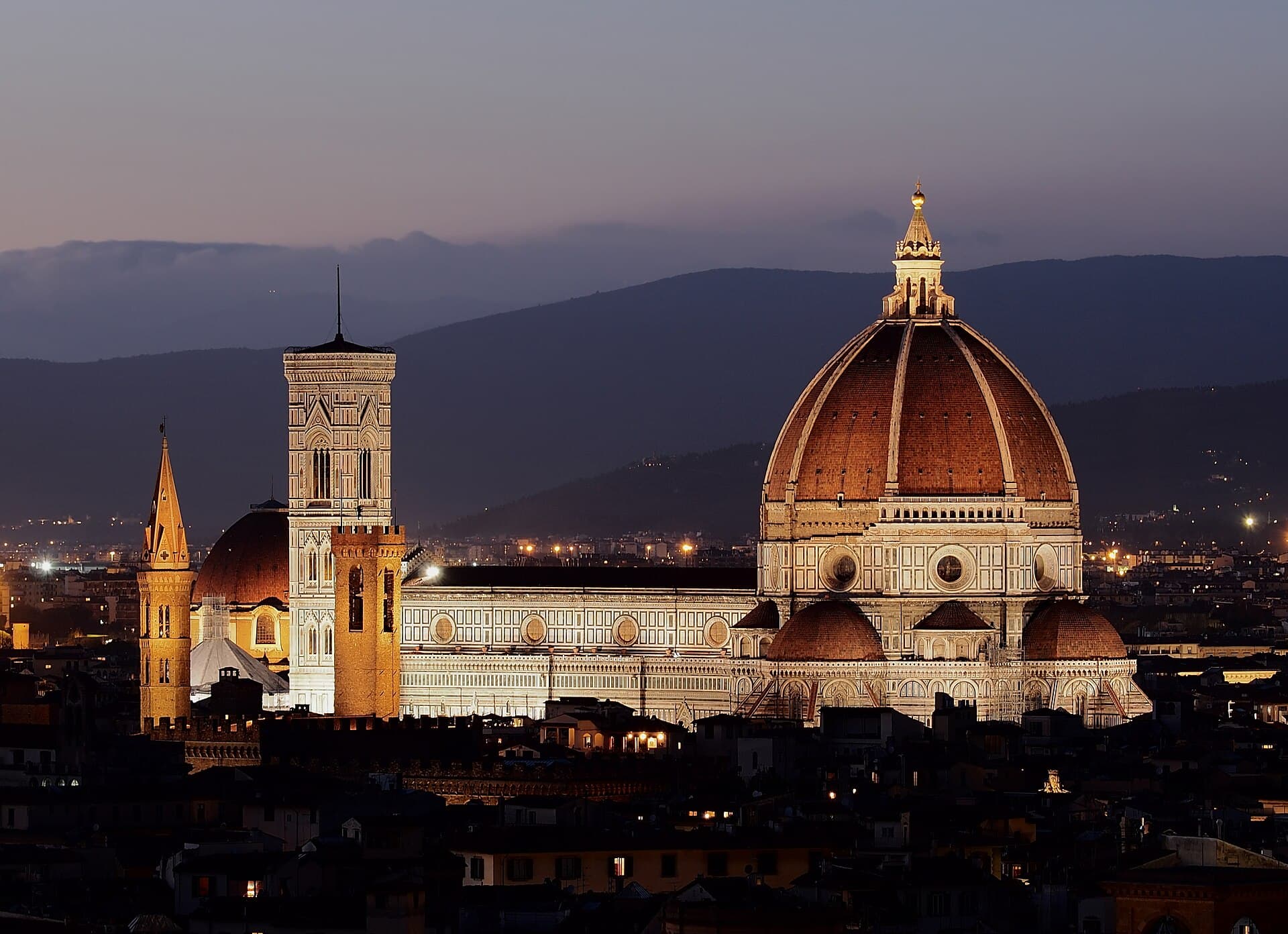 Florence Cathedral (Duomo)Santa Maria del Fiore — the Duomo — is Florence itself: a mountain of white, gre6 minutes walk4.9
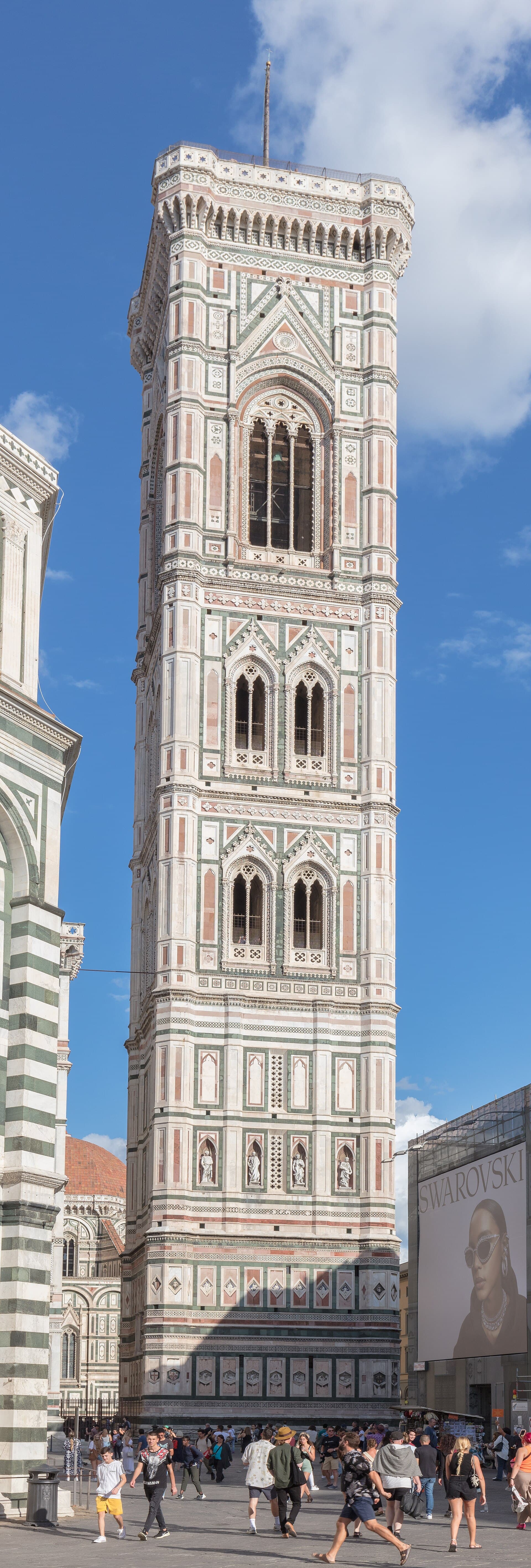 Giotto's CampanileGiotto's Campanile is the cathedral's freestanding bell tower: some eighty-five 7 minutes walk4.9
Honestly, no, if you have not yet seen the Uffizi and the Accademia; those are the clearer priorities and they need booking well ahead. But on a second visit, with children, or on any day you want a museum without a queue, this is one of the best things in the centre. One to two hours is plenty.
Yes, and it is among the best museums in Florence for them: the story is human and easy to follow, the displays are interactive and handled with care, under-10s enter free and 11-17s pay a reduced 7 euro. The subject matter is sad but never gruesome, and it is nothing like the anatomical models at La Specola.