
The Annunciation
Art's most famous Annunciation at the stairhead — silencing simplicity.
Sailko — CC BY-SA 4.0 · This Photo was taken by Wolfgang Moroder. Feel free to use my photos, but please mention me as the author and send me a message. This image is not in the public domain. Please respect the copyright pr — CC BY-SA 3.0 · Didier Descouens — CC BY-SA 4.0 · Francesco Bini — CC BY-SA 4.0
San Marco is the monastery painted by its own resident: in the 1440s Cosimo de' Medici rebuilt this Dominican house, and one of its friars — Fra Angelico, the angelic painter — decorated it, placing in each monk's cell a fresco made for meditation, not display: forty small rooms, forty scenes of stillness. Climbing to the upper floor is among Florence's purest experiences: at the stairhead waits the most famous Annunciation — a simplicity and light that stop the step — then the corridor of cells, room by room, in the original silence of the place itself. And no crowds: the Accademia's depth at a tenth of its public. In the same wing is the cell of Savonarola, the zealot who burned Florence's "vanities" and was then burned in its square — his relics and story present where he lived.
Art's most famous Annunciation at the stairhead — silencing simplicity.
Forty meditation frescoes in their original rooms — a museum like no other.
The zealot of the Bonfire of the Vanities, who ended in the flames himself.
Piazza San Marco 3, 50121 Florence
 Galleria dell'AccademiaThe Accademia is the house of David — the most famous statue in the world. Five 2 minutes walk4.5
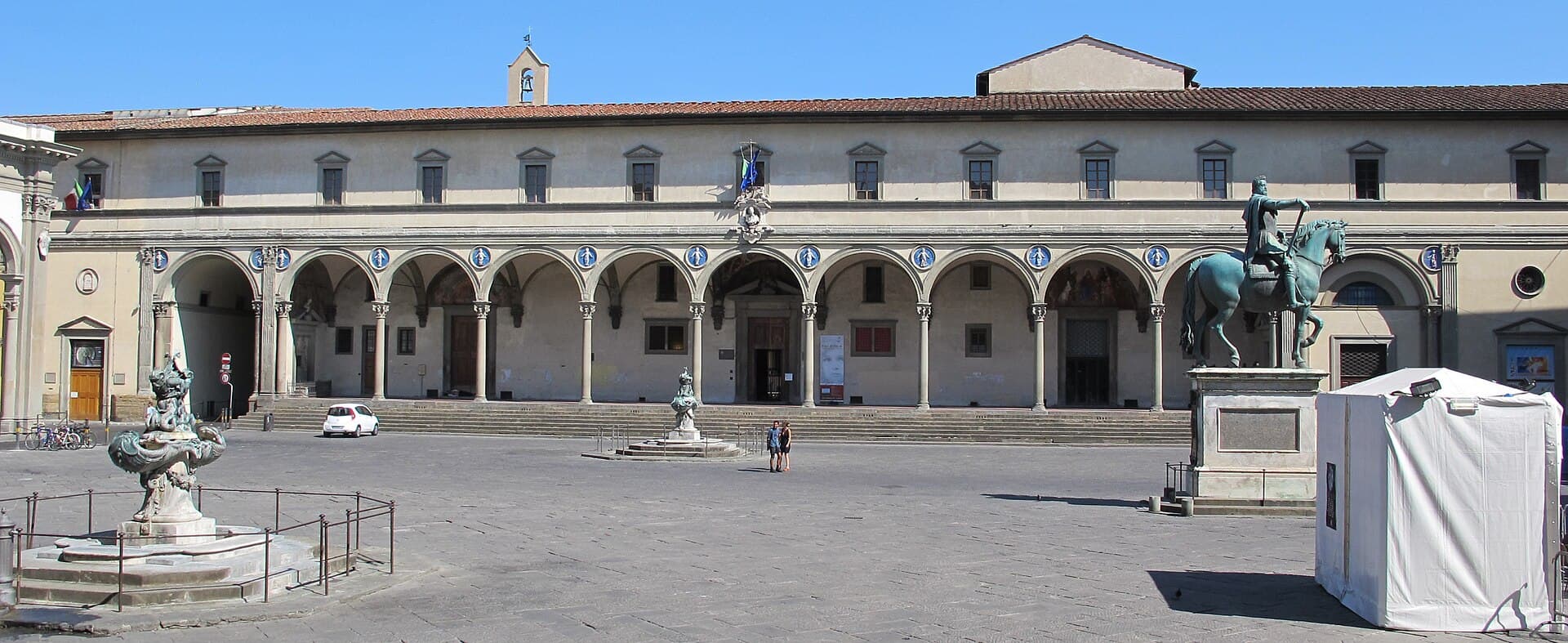 Museo degli InnocentiA coin snipped in half with shears, a carefully knotted ribbon, a religious meda3 minutes walk4.7
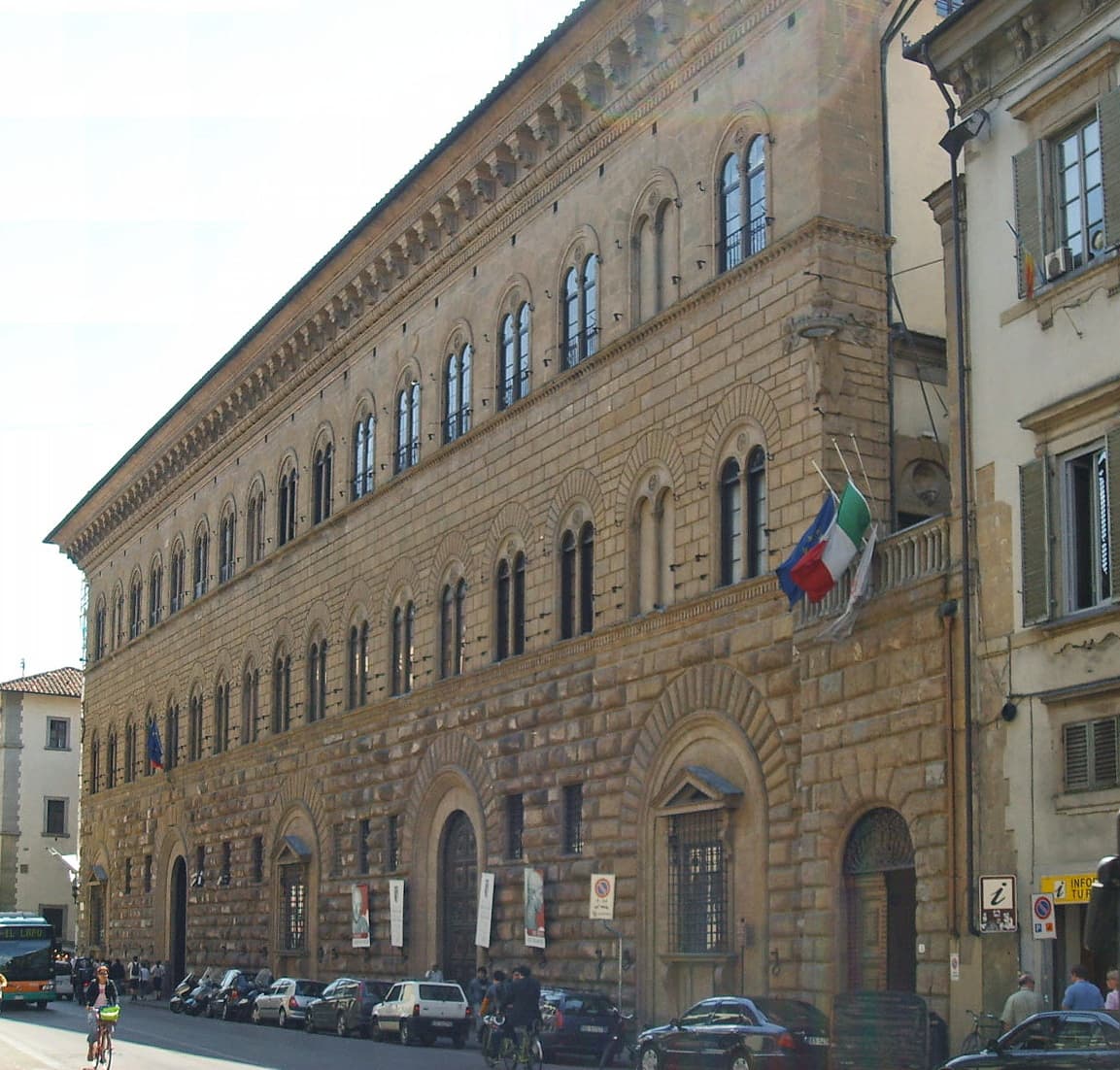 Palazzo Medici RiccardiThis is the first Medici palace — the house that invented the Florentine palazzo5 minutes walk4.6
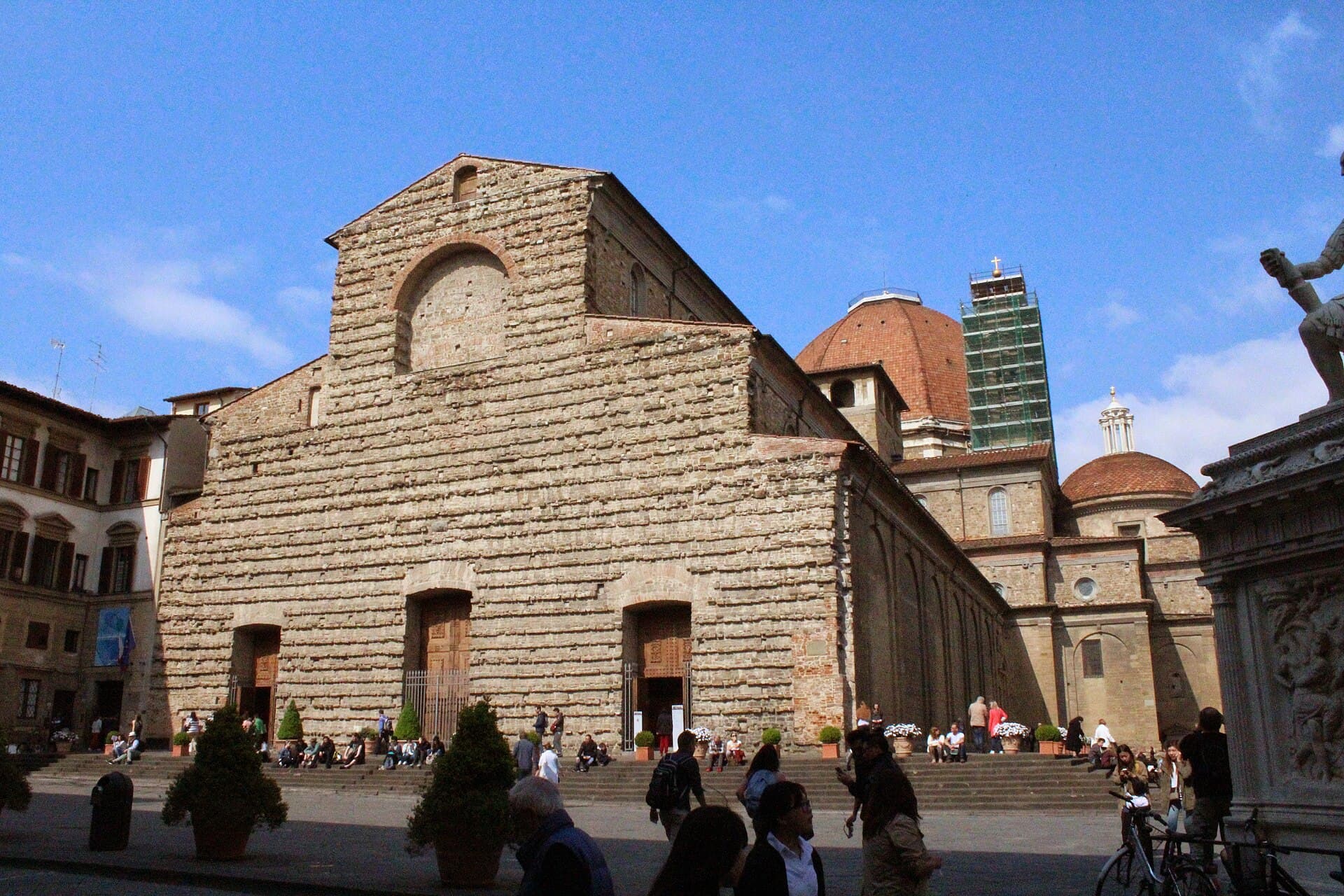 Basilica di San LorenzoSan Lorenzo is the Medici church: their parish, entrusted to Brunelleschi himsel7 minutes walk4.7
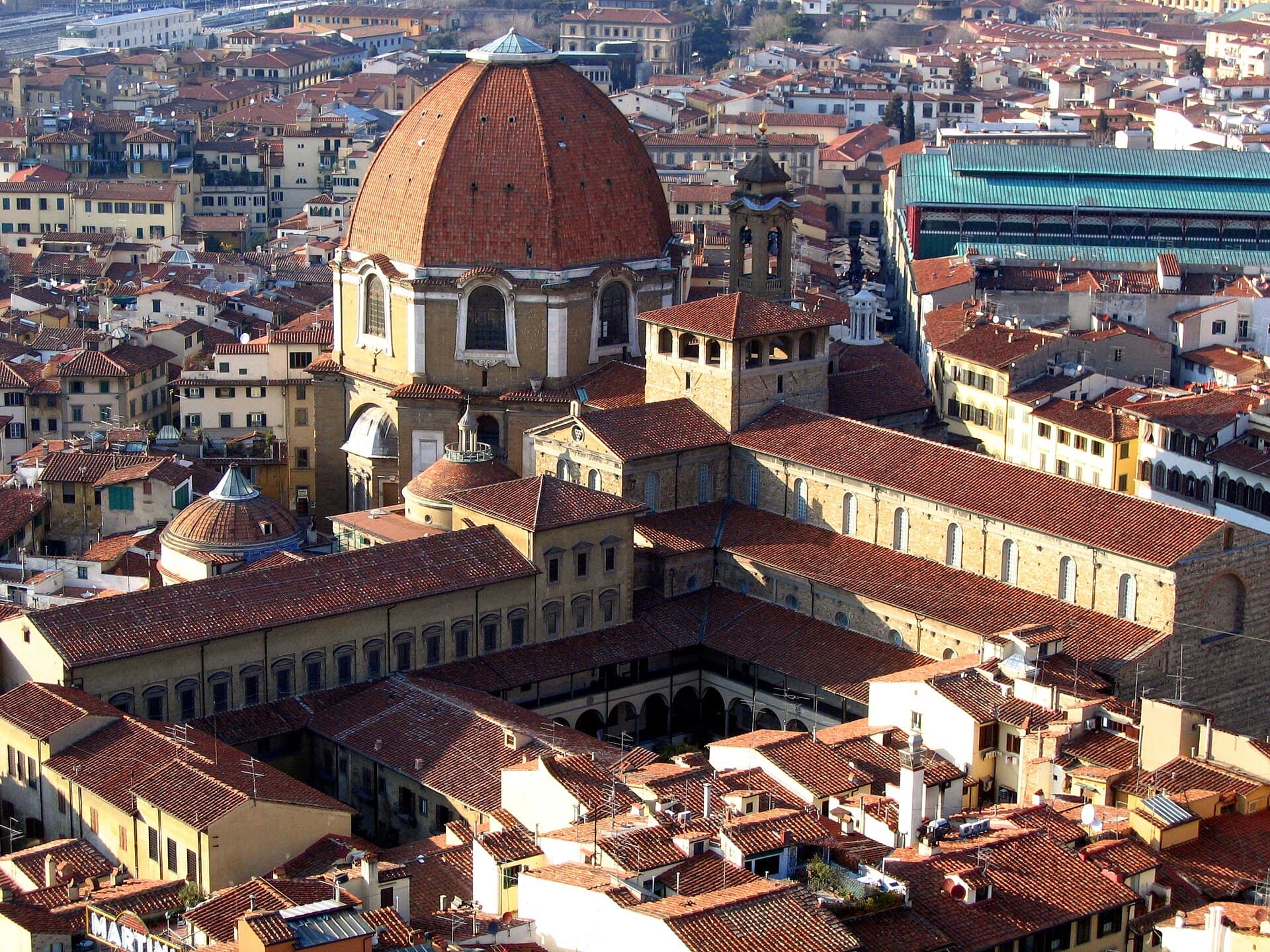 Medici ChapelsThe Medici Chapels are the mausoleum of the dynasty that made Florence: behind S8 minutes walk4.6
That the art is where it was born to be: frescoes made for each cell so its monk could meditate — seen as designed, not uprooted onto display walls. The sparse visitors complete it: real silence in a place built for silence.
A preacher-friar who effectively ruled Florence after the Medici's expulsion, burning "corrupt" books and paintings in the square — possibly including Botticellis cast in by their influenced maker — until city and Pope turned, and he was hanged and burned on the same spot in 1498. His room here compresses Florence's fiercest chapter.
A quiet hour: a third for the ground-floor panels, two for upstairs — and do not hurry the cell corridor; its slowness is its point.