
The David
Western sculpture's summit — five metres of perfect poise under his own dome.
Sailko — CC BY 3.0 · sailko — CC BY 2.5 · Francesco Bini — CC BY-SA 4.0 · Francesco Bini — CC BY-SA 4.0
The Accademia is the house of David — the most famous statue in the world. Five metres seventeen of Carrara marble carved by a twenty-six-year-old Michelangelo from a rejected block a previous sculptor had botched: out of it came the poised youth who became the symbol of Florence and of human perfection at once. He stands beneath a dome built for him at the end of a theatrically designed corridor, flanked by the four unfinished Slaves — bodies wrestling out of raw marble, left so by design or fate, and now sculpture's most eloquent lesson: the form was always inside the stone. The rest is a small museum — Florentine paintings and an instrument collection with Stradivari pieces — so the visit is short and concentrated, and all it asks is advance booking past a famously long queue.
Western sculpture's summit — five metres of perfect poise under his own dome.
Bodies half-freed from marble — Michelangelo's lesson that form lives inside stone.
Stradivari violins and the Medici cello — a small musical surprise.
Via Ricasoli 58, 50122 Florence
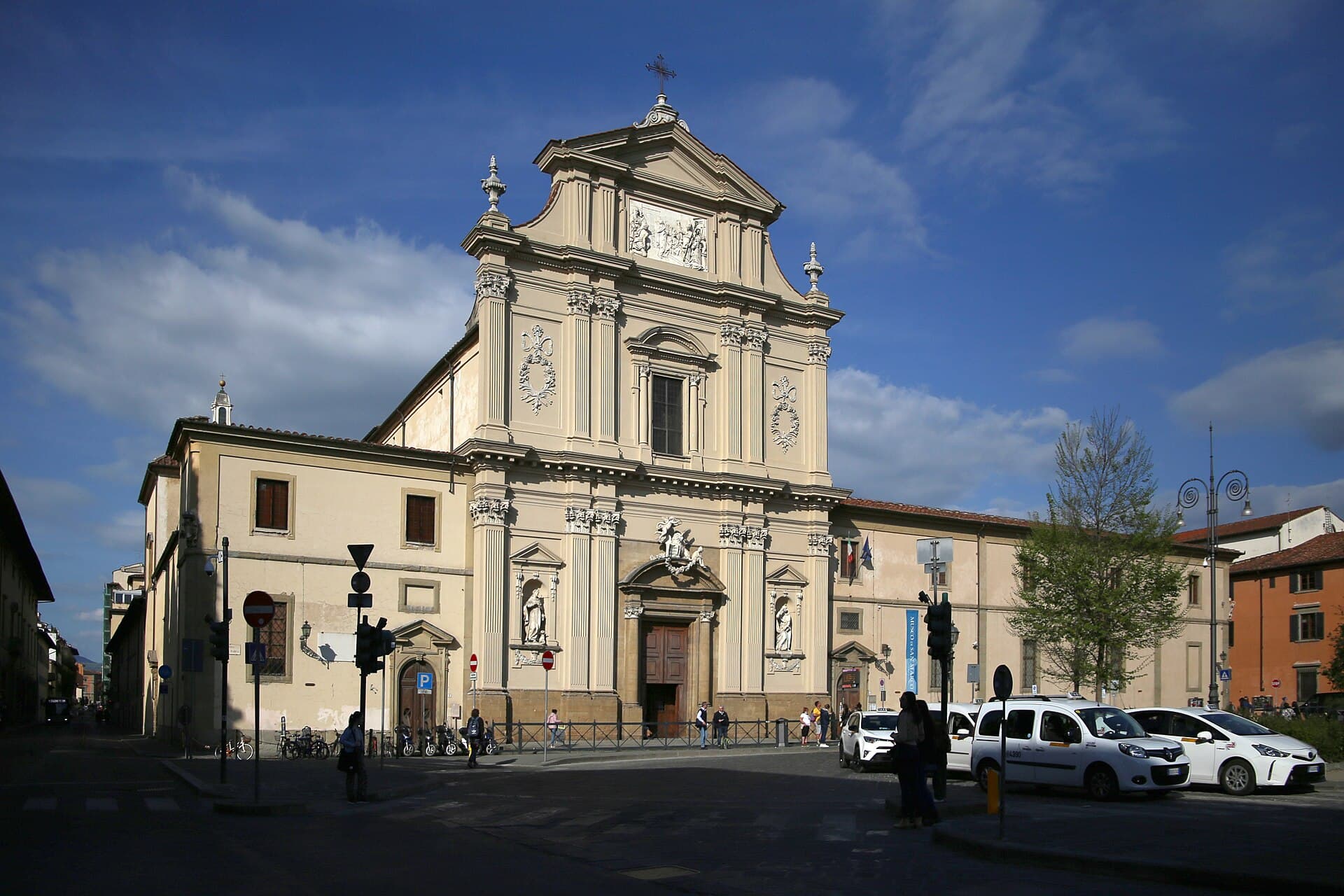 Museo di San MarcoSan Marco is the monastery painted by its own resident: in the 1440s Cosimo de' 2 minutes walk4.6
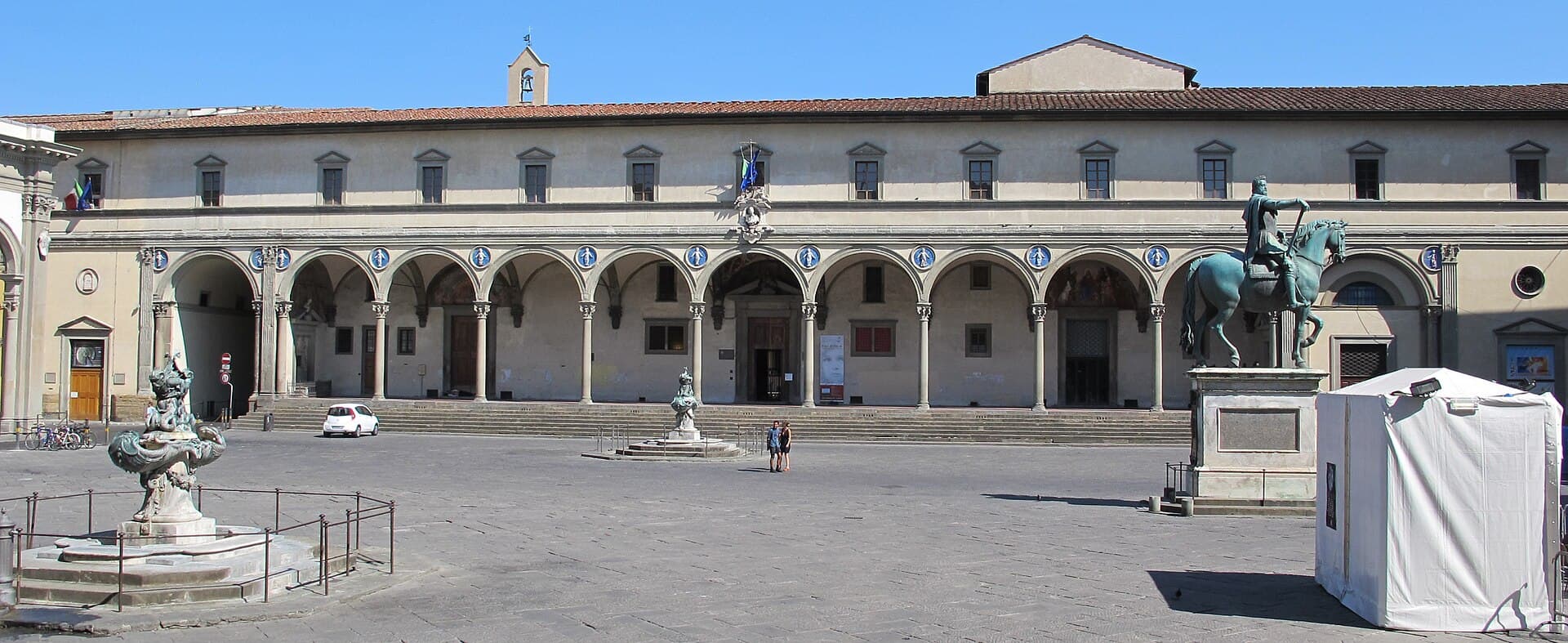 Museo degli InnocentiA coin snipped in half with shears, a carefully knotted ribbon, a religious meda2 minutes walk4.7
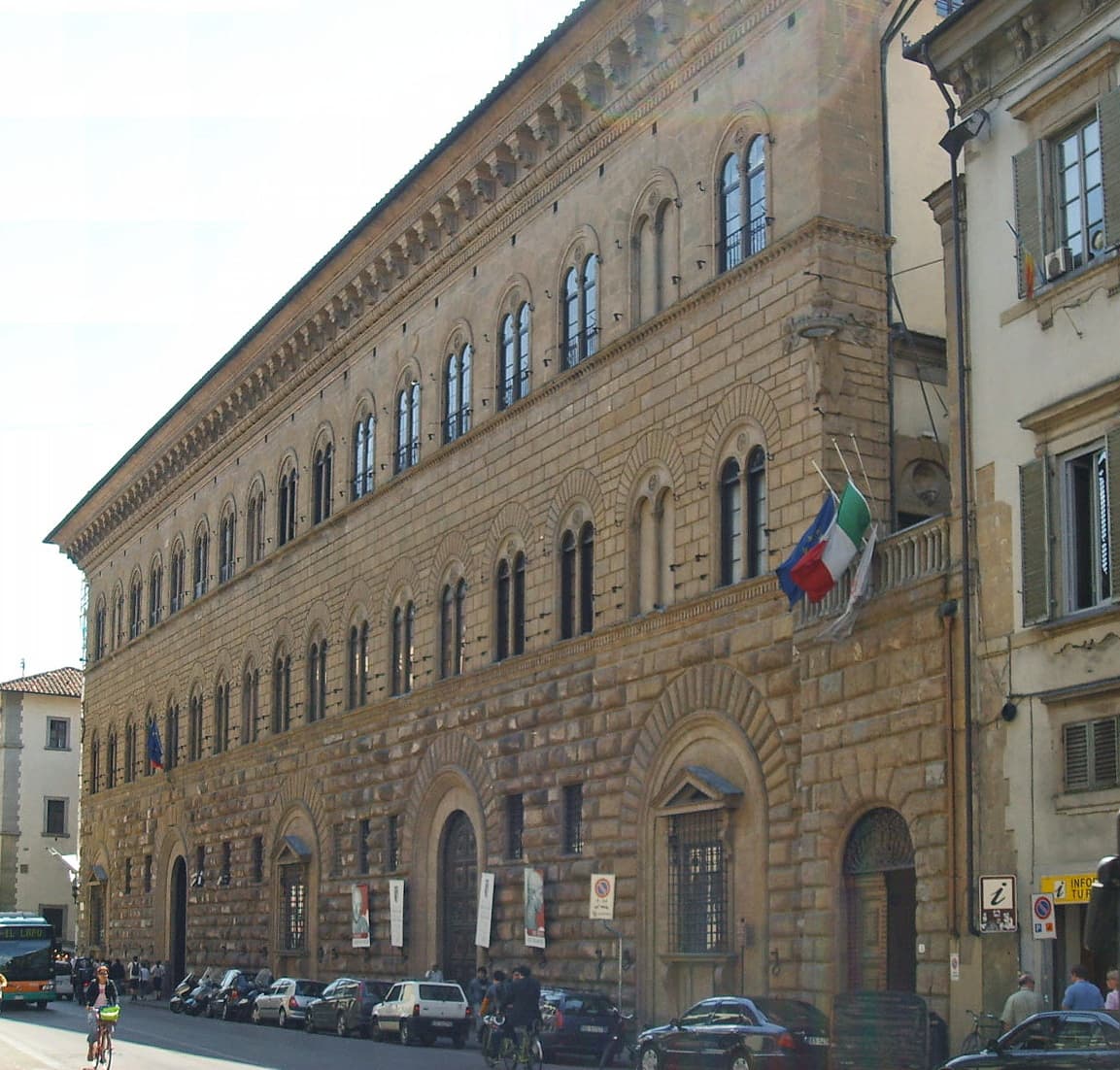 Palazzo Medici RiccardiThis is the first Medici palace — the house that invented the Florentine palazzo4 minutes walk4.6
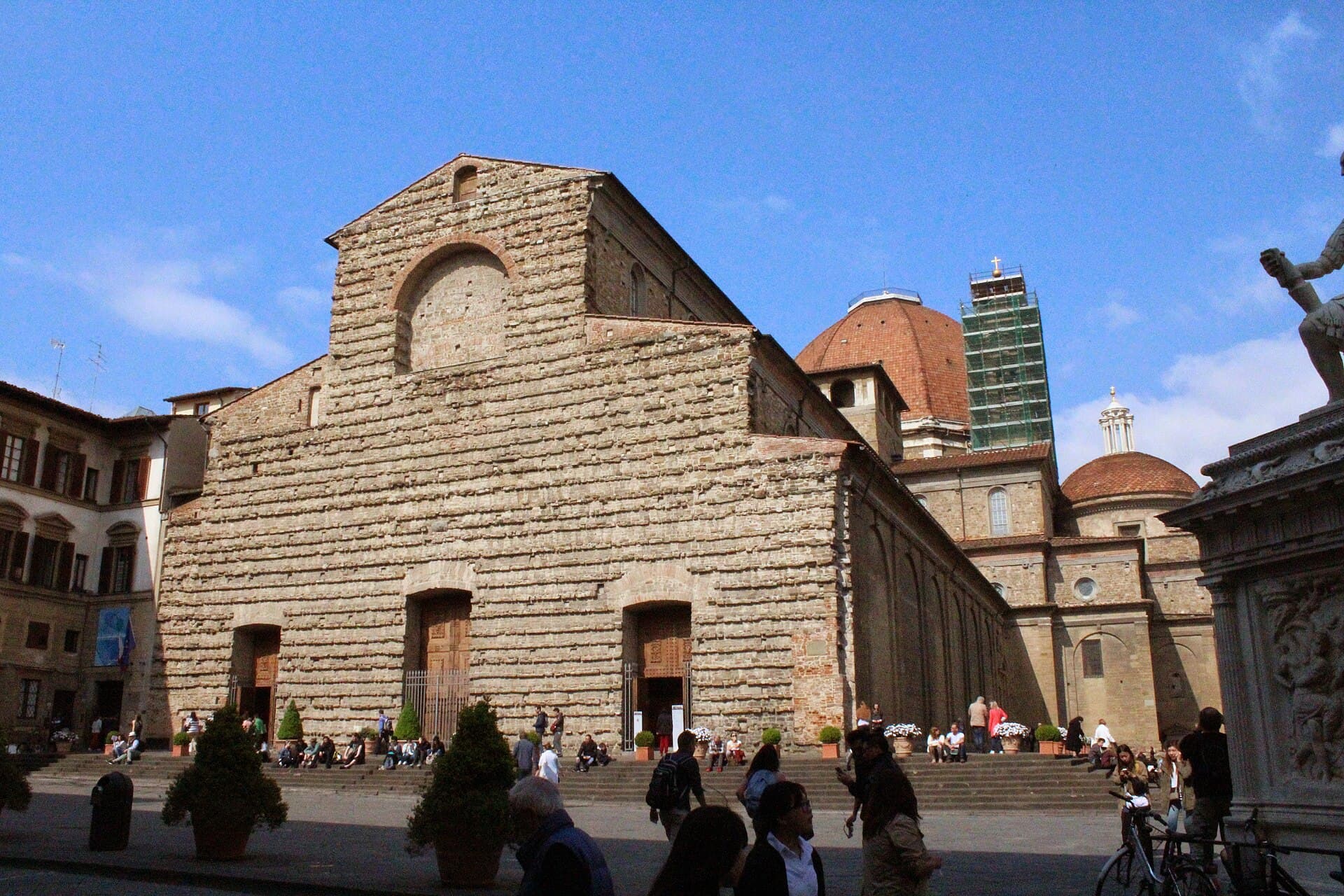 Basilica di San LorenzoSan Lorenzo is the Medici church: their parish, entrusted to Brunelleschi himsel6 minutes walk4.7
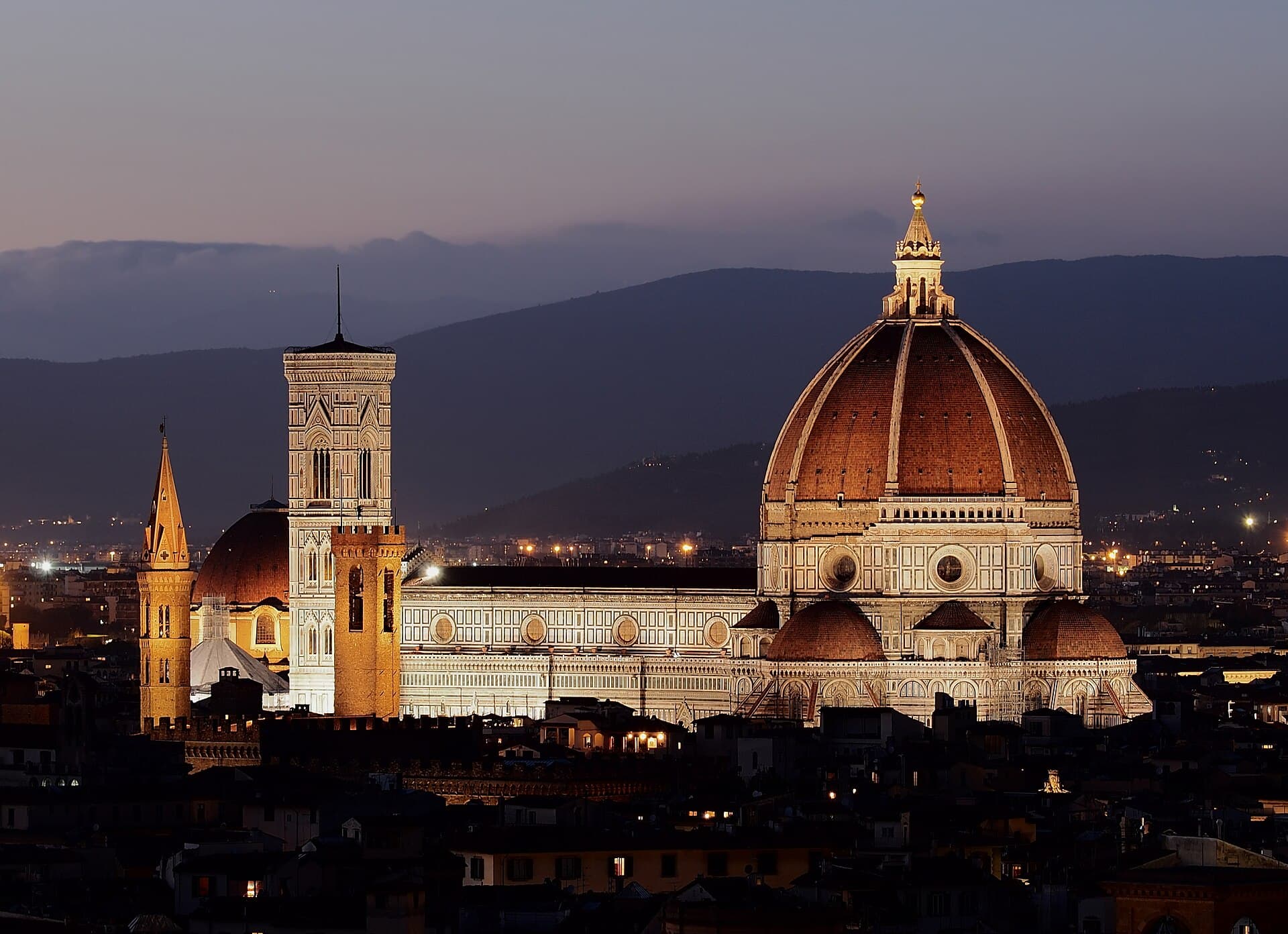 Florence Cathedral (Duomo)Santa Maria del Fiore — the Duomo — is Florence itself: a mountain of white, gre6 minutes walk4.9
He stood before the Palazzo Vecchio nearly four centuries as the republic's emblem, until moved in 1873, for weather's sake, into a dome purpose-built for him. The faithful copy in the square holds his original spot — the scene's history kept there, the original preserved here.
This is not "one statue" — it is the work sculptures are measured against, and meeting it in person differs from every photograph in a way that surprises the coolest visitors. With the Slaves en route to him: yes, an hour worth entire museums.
Book the 8:15 opening and walk straight to his hall past the first rooms — a few near-private minutes with him, then double back at leisure.