
The original horses
Four gilded bronze horses looted from Constantinople in 1204 — the only quadriga to survive from antiquity.
Horses_of_Basilica_San_Marco.jpg: Tteske derivative work: Morn (talk) — Public domain · Gianfranco Zanovello — CC BY-SA 4.0 · Nan Palmero from San Antonio, TX, USA — CC BY 2.0 · Kent Wang from Barcelona, Spain — CC BY-SA 2.0
The four horses you see from the square, above the main door, are replicas. The originals stand a few metres away, indoors and behind glass: four gilded bronze horses, the only four-horse team to survive from the ancient world. They were taken from the hippodrome of Constantinople when the crusaders sacked it in 1204, carried off to Paris by Napoleon in 1797, and returned to Venice in 1815. In the early 1980s they came off the facade for good, once it was clear that salt air and industrial pollution were eating the gilding; copies took their place outside. The museum occupies the upper floor of the basilica, reached by a narrow, steeply pitched stone staircase off the narthex. The collection is small and needs an hour at most: mosaic fragments rescued during past restorations and now readable at arm's length, liturgical textiles and tapestries, and the Pala Feriale that Paolo Veneziano painted in 1345 to cover the golden altarpiece on ordinary days. But the part that justifies the climb is the interior gallery over the nave. From there the gold mosaic domes sit almost at eye level, and you finally see how images that read from the floor as pure glare were actually assembled. Then a door opens onto the loggia above the main entrance, which is worth the ticket on its own. You stand level with the facade mosaics and their Gothic finials, with the whole of Piazza San Marco below you, campanile and astronomical clock tower included. The space is tight and it is genuinely crowded around the middle of the day, but this is the one time you step out onto the front of the basilica rather than looking at it. Be clear about access. The museum is sold as a ticket in its own right only on Sunday mornings, when the basilica floor is closed to visitors for Mass until 14:00; every other day it is an add-on to the basilica ticket. Timed online booking is now compulsory and tickets are issued in the holder's name, so do not count on buying at the door. The staircase is hard work and no place for a pram, but the upper floor is served by a lift and a stairlift for anyone who struggles with steps — ask the staff at the entrance. Modest dress is enforced at the entrance, and bags of any kind are not allowed inside — leave them at the free deposit in the Ateneo San Basso, just off the square on the north side of the basilica.
Four gilded bronze horses looted from Constantinople in 1204 — the only quadriga to survive from antiquity.
An open balcony above the main door that puts you level with the facade mosaics and over the whole of Piazza San Marco.
An interior gallery that brings you closer to the gold mosaic domes than any spot on the floor allows.
Piazza San Marco 328, 30124 Venice, Italy
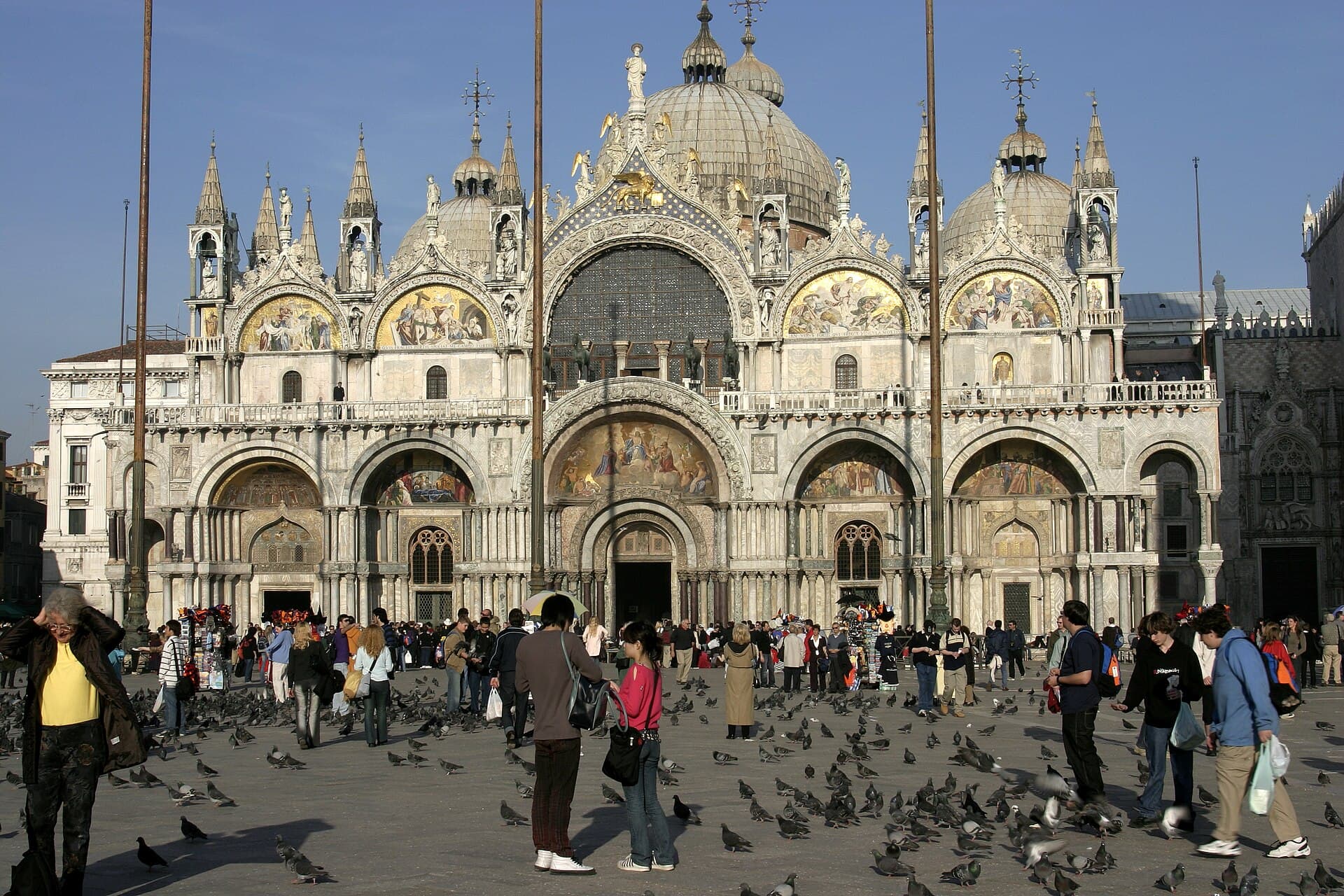 St Mark's BasilicaSt Mark's is Venice's most famous building and its strangest: a church of Byzant1 minute walk4.6
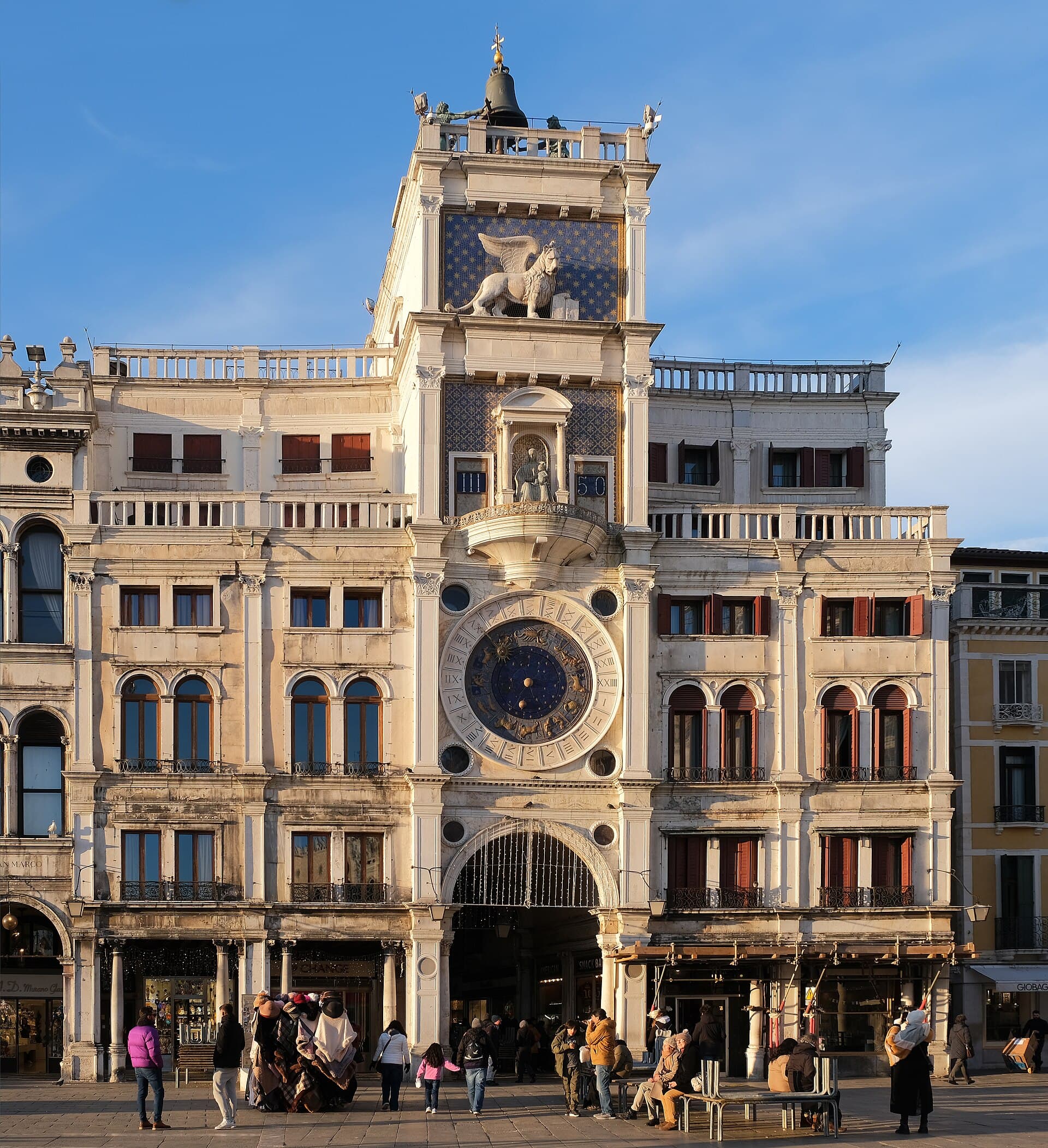 St Mark's ClocktowerThe Clocktower stands over the gateway joining St Mark's Square to the Merceria 1 minute walk4.8
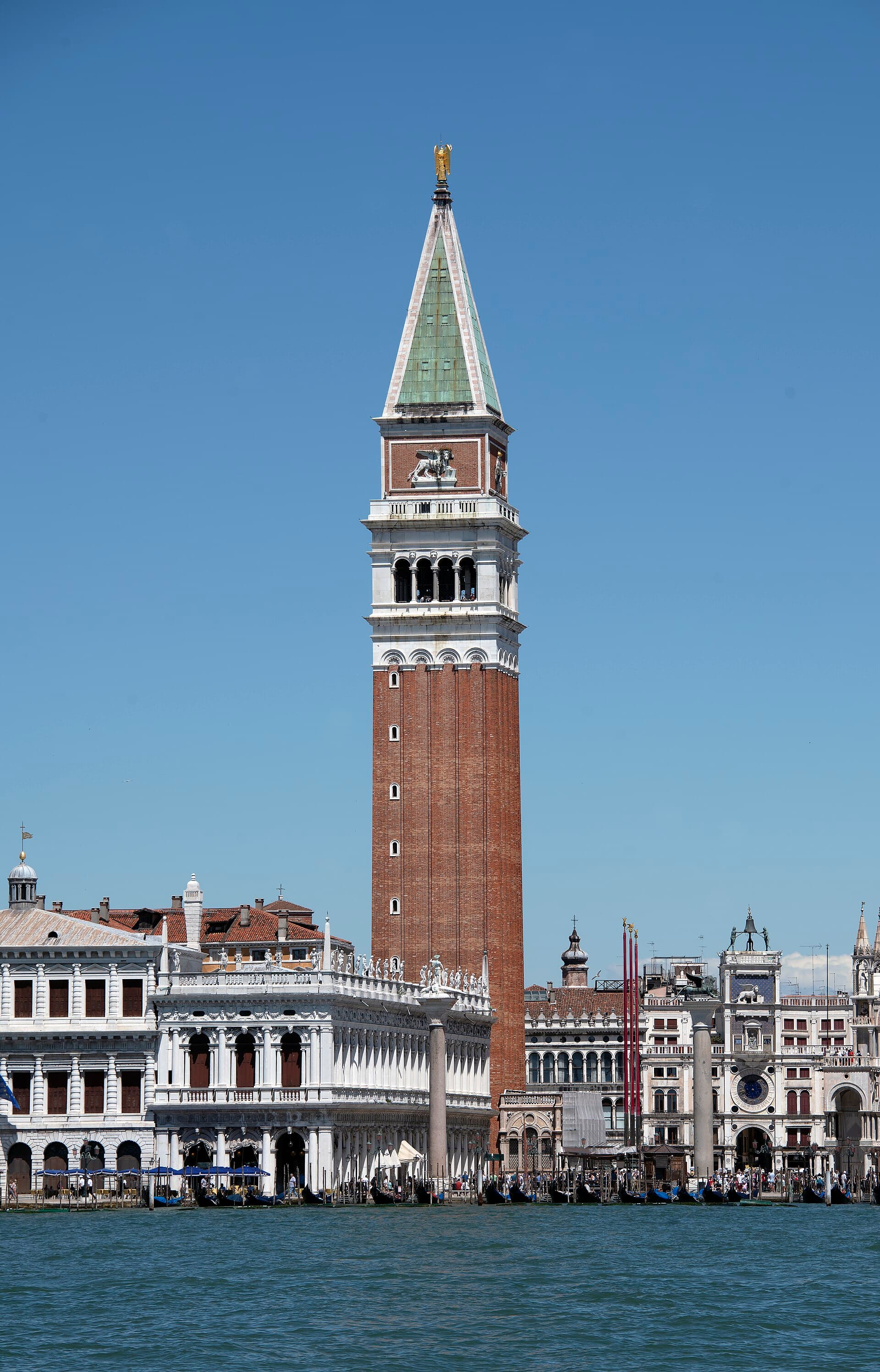 St Mark's CampanileThe Campanile is Venice's tallest structure — about 99 metres of red brick crown1 minute walk4.8
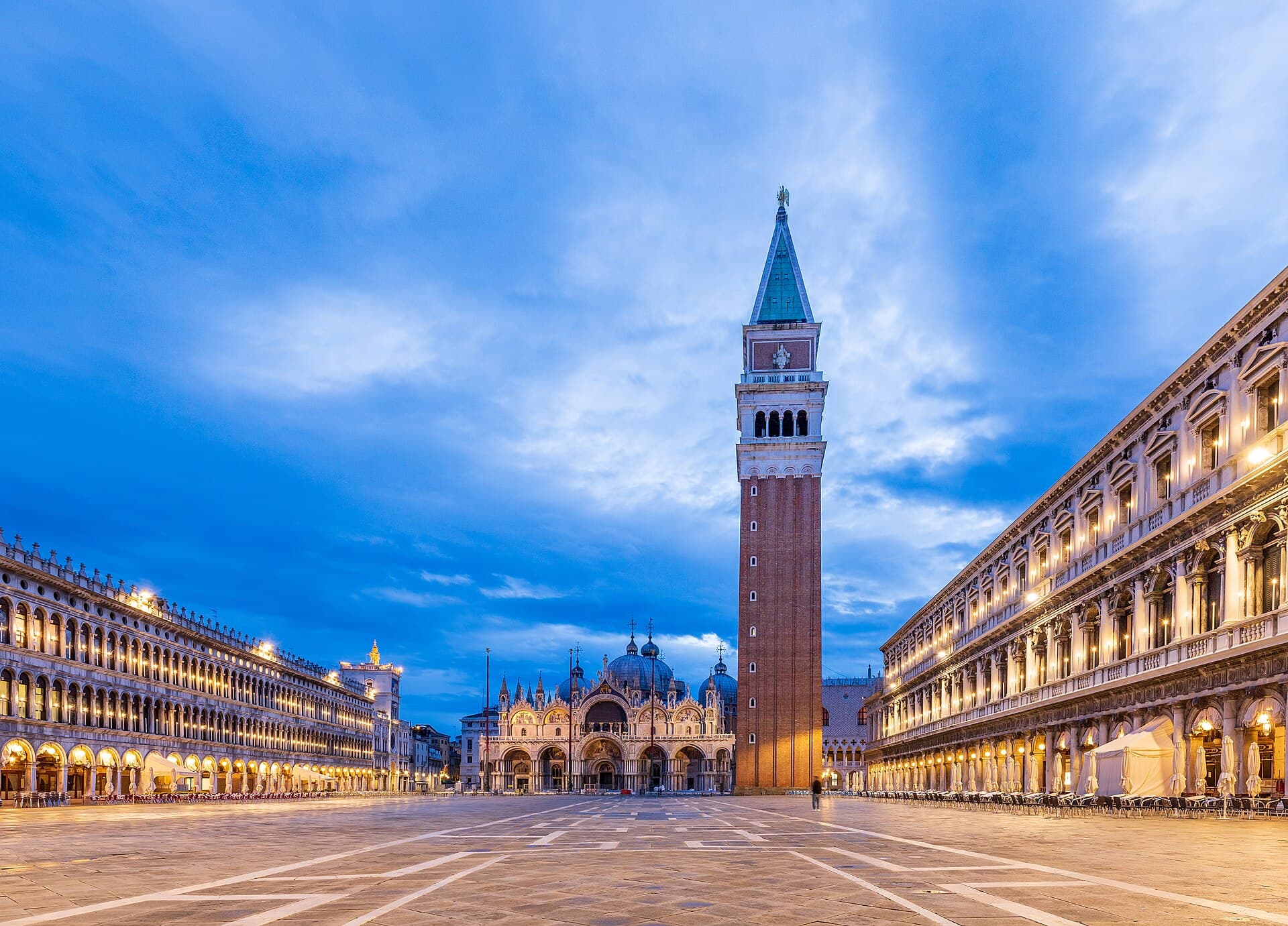 St Mark's SquareSt Mark's Square is the heart of Venice and its only true piazza — everything el2 minutes walk4.8
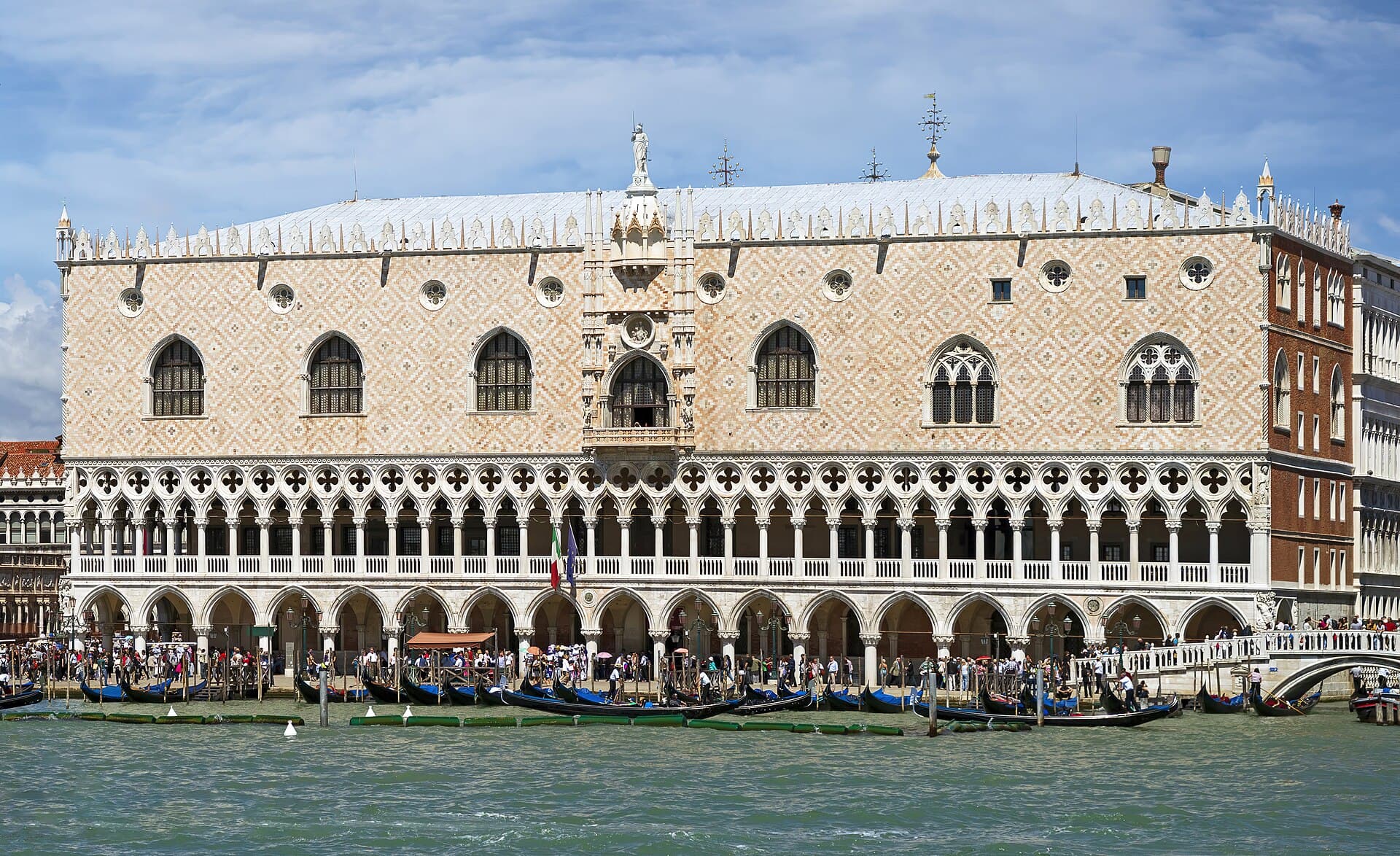 Doge's PalaceThe Doge's Palace was the seat of the Venetian Republic for centuries: the Doge 2 minutes walk4.8
Yes, but on Sunday mornings only: Mass closes the basilica floor to visitors until 14:00, and the museum and loggia are sold as a standalone €14 ticket. On other days the museum is not sold separately — you need the €20 combined ticket with the basilica, or the €30 full ticket that adds the Pala d'Oro.
The usual way up is a narrow, steep stone staircase that is no place for a pram, but the basilica does have a lift and a stairlift to the upper floor for anyone who tires on steps — just ask the staff at the entrance. Visitors with a disability and one companion enter free on showing documentation. For older children it is a short visit that ends by stepping out onto the balcony, which is usually enough to keep them interested.