
The astronomical dial
Blue and gold from 1499 showing moon and zodiac — still running on its original works.
kallerna — CC BY-SA 4.0 · Antonio Quadri — Public domain · Falk2 — CC BY-SA 4.0 · Abxbay — CC BY-SA 4.0
The Clocktower stands over the gateway joining St Mark's Square to the Merceria shopping street, carrying one of Europe's most wondrous astronomical clocks: a blue-and-gold face of 1499 showing hour, moon phase and zodiac, the winged lion of St Mark above it, and on the roof two bronze giants — the "Moors", as Venetians call them — striking the bell with hammers as they have for five centuries. Its message was practical: dazzle arriving merchants and declare that a city keeping time this precisely deserved their trust in trade. The original mechanism still runs, and at Epiphany and Ascension the Magi figures emerge to circle the Virgin on the dial. The interior is visited only on a small pre-booked guided tour: you climb among the working gears floor by floor until you stand on the roof beside the giants, the whole square below you.
Blue and gold from 1499 showing moon and zodiac — still running on its original works.
The bronze giants hammering the bell over the square for five centuries.
A tour inside the living machine, up to a roof beside the giants.
Piazza San Marco, 30124 Venice
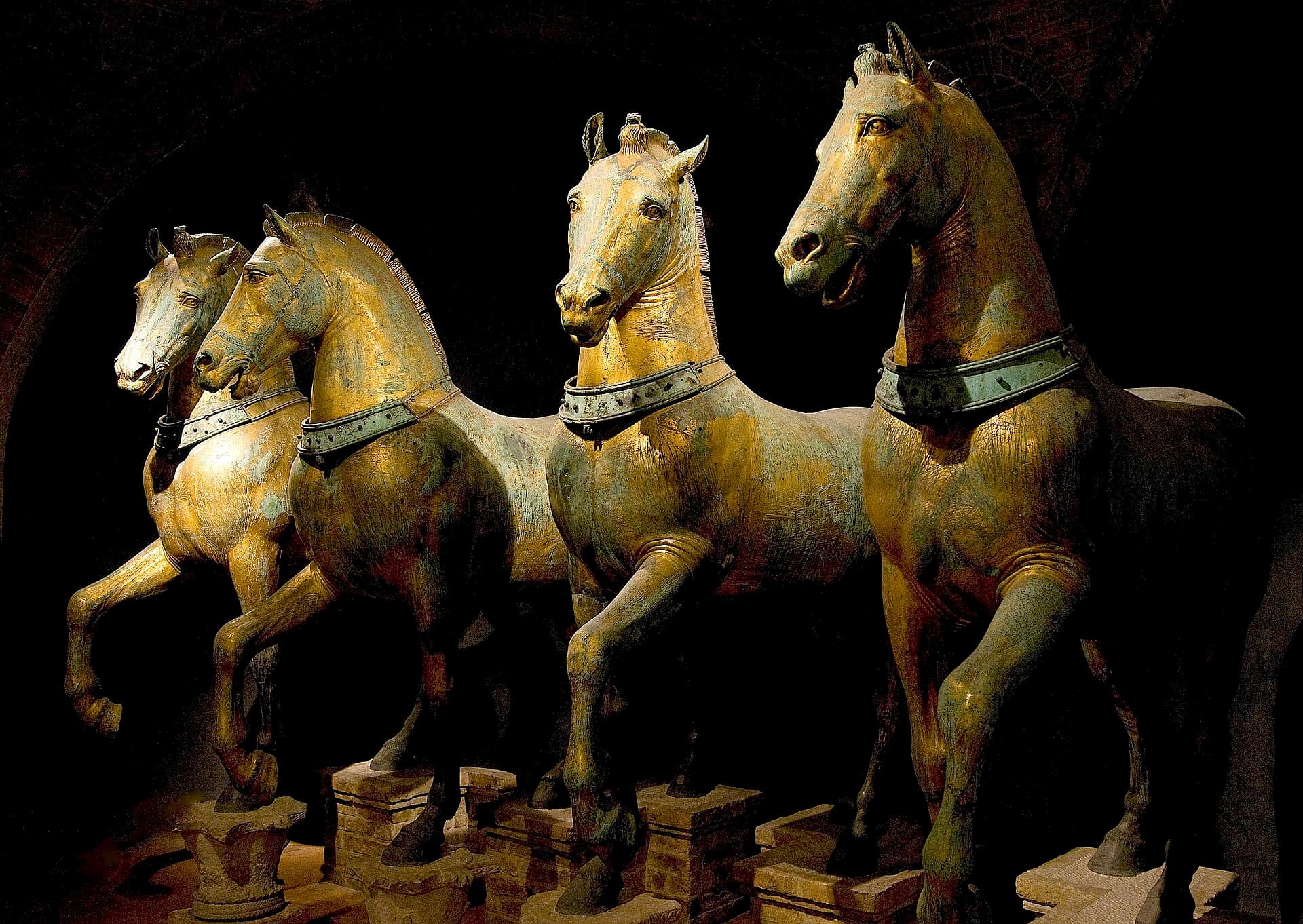 Museo di San MarcoThe four horses you see from the square, above the main door, are replicas. The 1 minute walk4.8
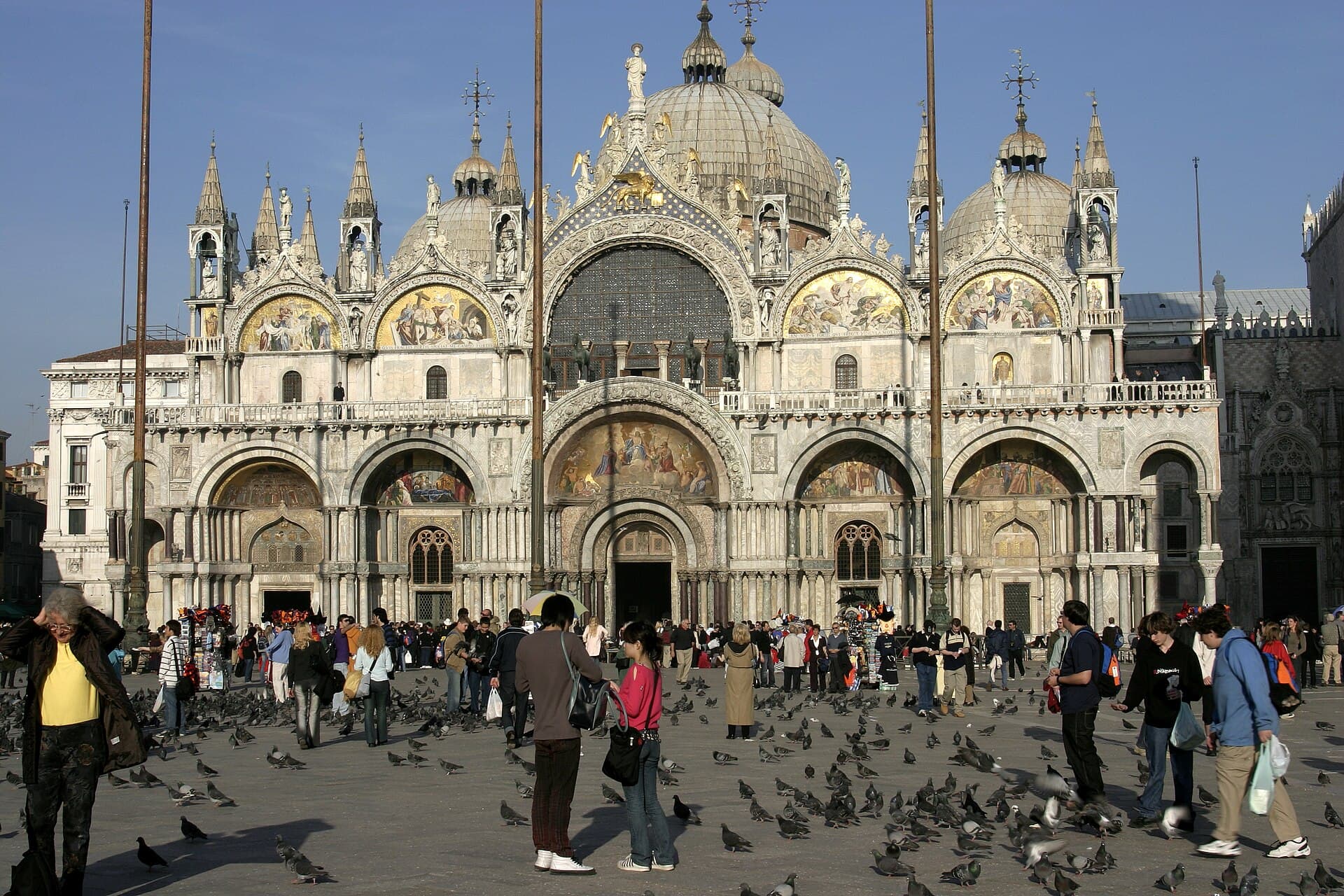 St Mark's BasilicaSt Mark's is Venice's most famous building and its strangest: a church of Byzant1 minute walk4.6
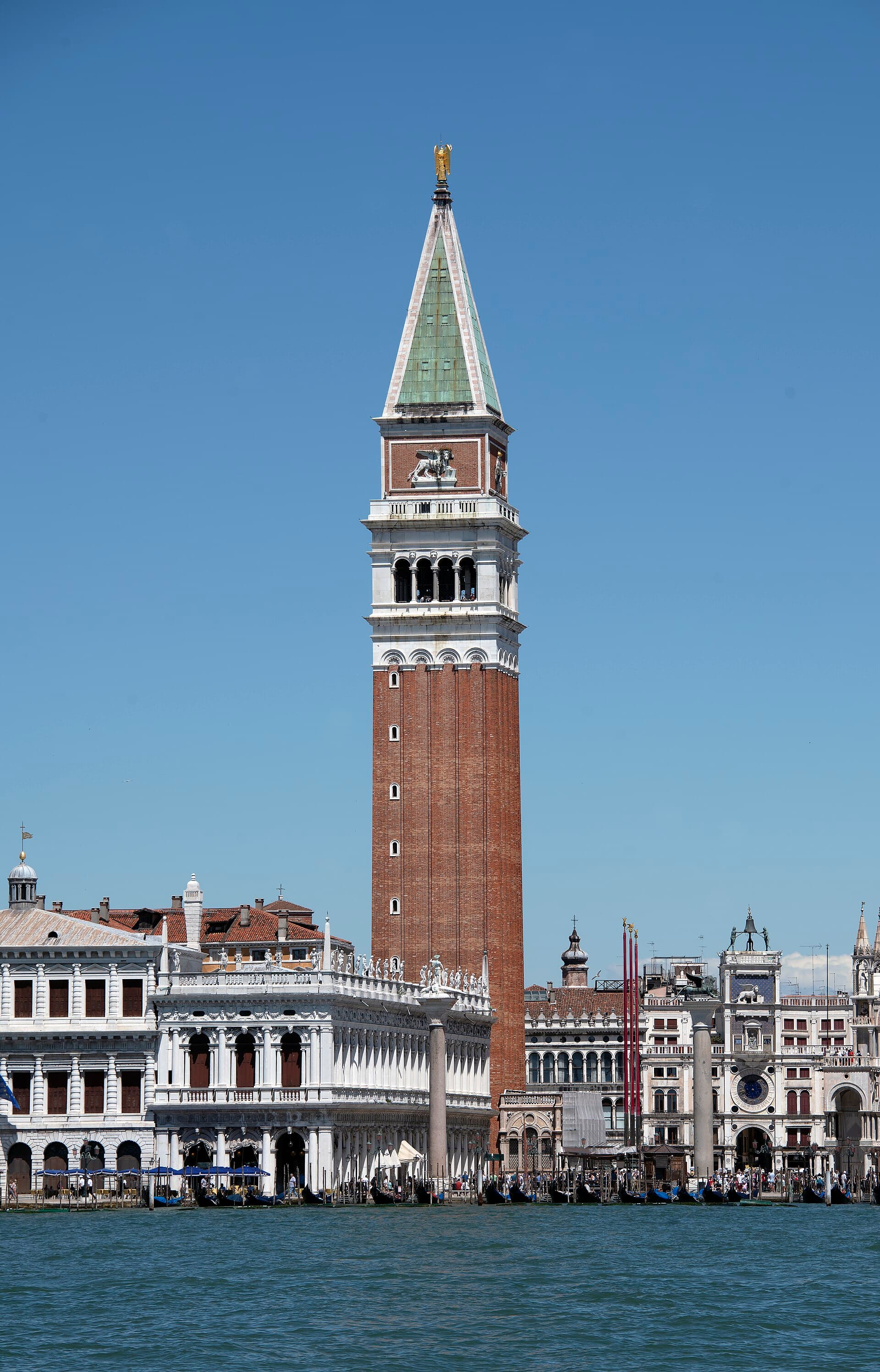 St Mark's CampanileThe Campanile is Venice's tallest structure — about 99 metres of red brick crown1 minute walk4.8
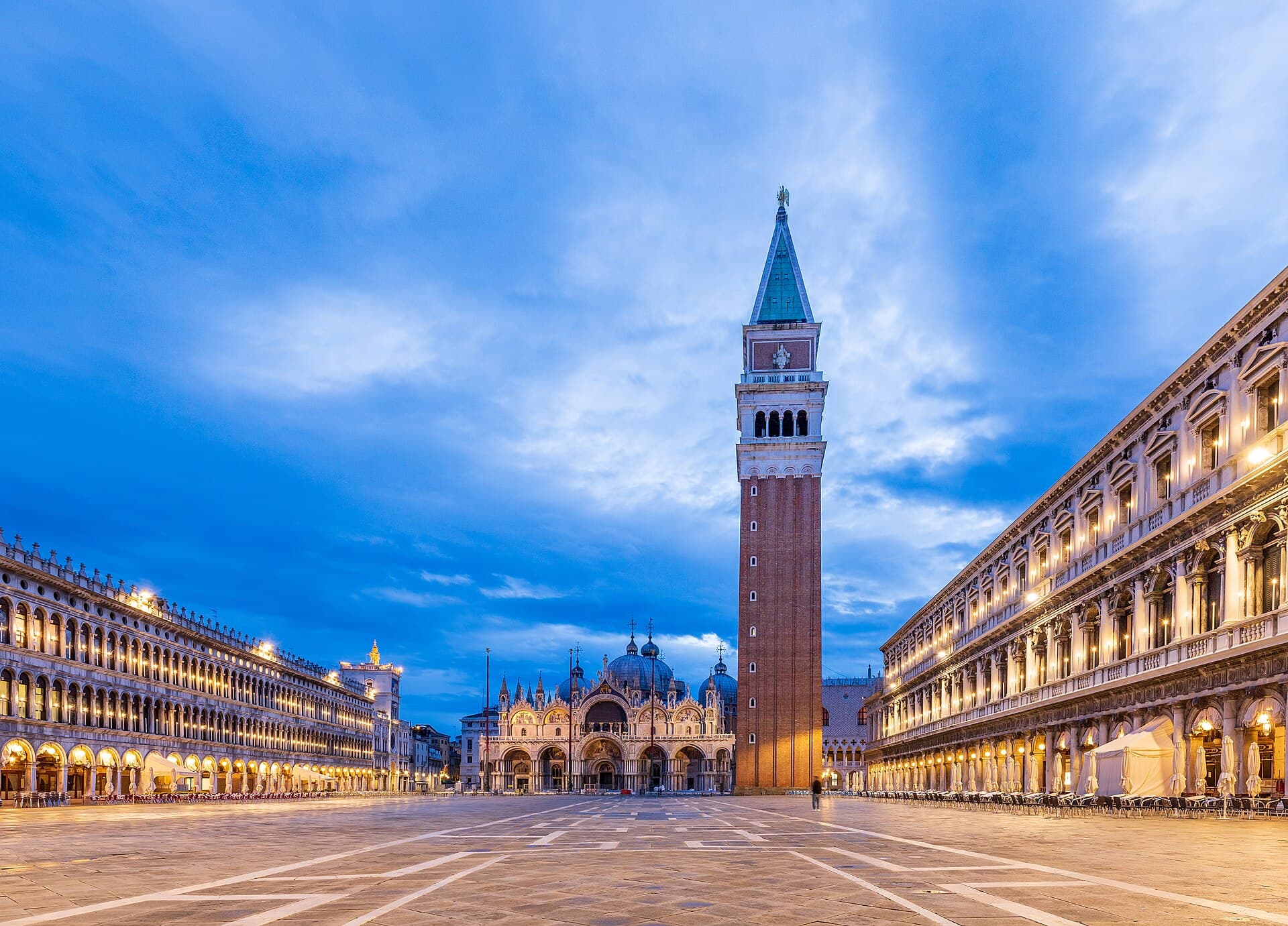 St Mark's SquareSt Mark's Square is the heart of Venice and its only true piazza — everything el1 minute walk4.8
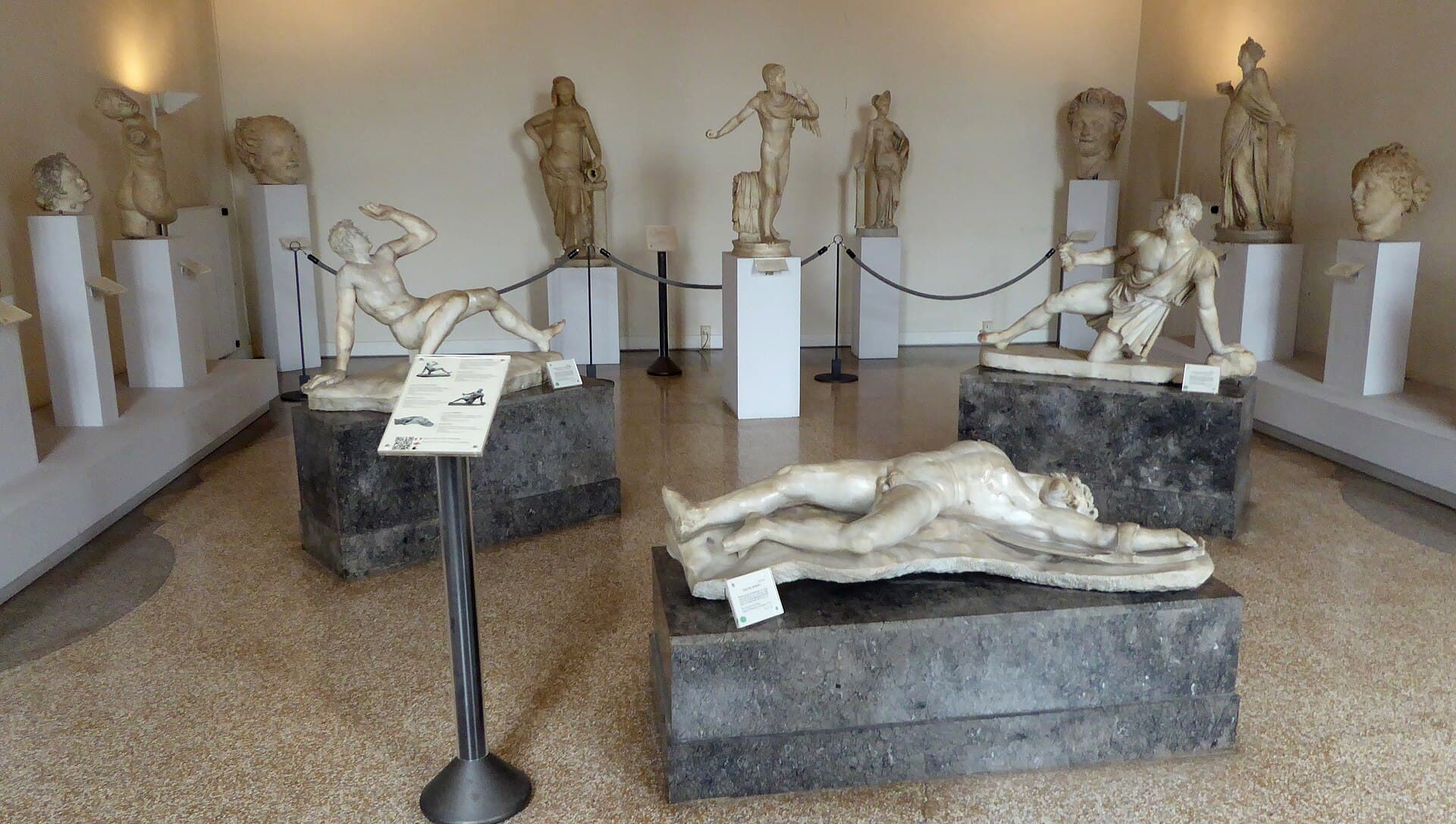 Venice National Archaeological MuseumCenturies before anyone invented the museum, Venice had a room of ancient marble2 minutes walk4.1
The façade and the striking of the hour satisfy most visitors free. The tour is for machine-and-history lovers: centuries-old gears at arm's length and an intimate roof over the square. If that is you, book days ahead — places are few.
The sun moving through the zodiac around the earth as 1499 understood it, with the moon's phase actually changing on the dial. It was a trade advertisement in the language of astronomy: our city knows time better than yours.
Epiphany week (January) and Ascension week — the rest of the year their slots show the odd nineteenth-century digital hour display flanking the Virgin.