
The palace that moved
Palazzo Como was taken apart stone by stone in the 1880s and rebuilt about twenty metres back to make room for the new Via Duomo.
Sordelli — CC BY-SA 3.0 · Phyrexian — CC BY-SA 4.0 · Phyrexian — Public domain · Phyrexian — CC BY-SA 4.0
When Naples drove Via Duomo through the old centre in the 1880s, Palazzo Como stood squarely in the planners' way. It was not knocked down. It was dismantled stone by stone and rebuilt about twenty metres further back, so the fifteenth-century facade you see today — Florentine, rusticated, severe — stands in a spot it was never originally built on. Behind it sits the Museo Filangieri. Prince Gaetano Filangieri spent a lifetime assembling the contents: arms and armour, majolica and porcelain, ivories and small precise things, paintings by Ribera, Luca Giordano, Mattia Preti and Battistello Caracciolo. Then he did what very few collectors do — handed the whole thing, palace included, to his city, opening it to the public in November 1888. The finest thing in it is not any single object but the upper hall named for his mother, Agata: a wooden gallery running around the room above a library of some eight thousand volumes. That is the image you leave with. What you see is not what was gathered. The best of the collection had been moved out of the city for safekeeping, to Villa Montesano at San Paolo Bel Sito, and on 30 September 1943 retreating German troops burned the villa. Two portraits attributed to Botticelli, a Deposition by Solimena and a Madonna by Bernardino Luini went with it; some forty paintings and a chest of old weapons survived. The museum reopened in 1948 on donations from Neapolitan collectors and loans from other city museums, and it has been shut for long stretches since. It gives the place a second layer: you are walking through a collection that survived, not an intact one. The museum is small and unusually quiet for this city — an hour covers it, and you may well have a room entirely to yourself. Tickets are sold at the desk, though booking online is worth doing. We would not send you here on a single day in Naples, when the Duomo, Cappella Sansevero and Napoli Sotterranea all outrank it, but it is an excellent second- or third-day choice, five minutes on foot from the cathedral and the Treasure of San Gennaro, with a combined ticket linking all three. Keep your bag close on Via Duomo and around Forcella; the crush and the scooters are part of the scenery here. The upper floor is reached by stairs, which is worth knowing if you are pushing a pram.
Palazzo Como was taken apart stone by stone in the 1880s and rebuilt about twenty metres back to make room for the new Via Duomo.
A wooden balcony rings the upper room above some eight thousand volumes — comfortably the best thing in the building.
In a city where every famous site is packed, you can pass through whole rooms here without meeting anyone.
Via Duomo 288, 80138 Naples, Italy
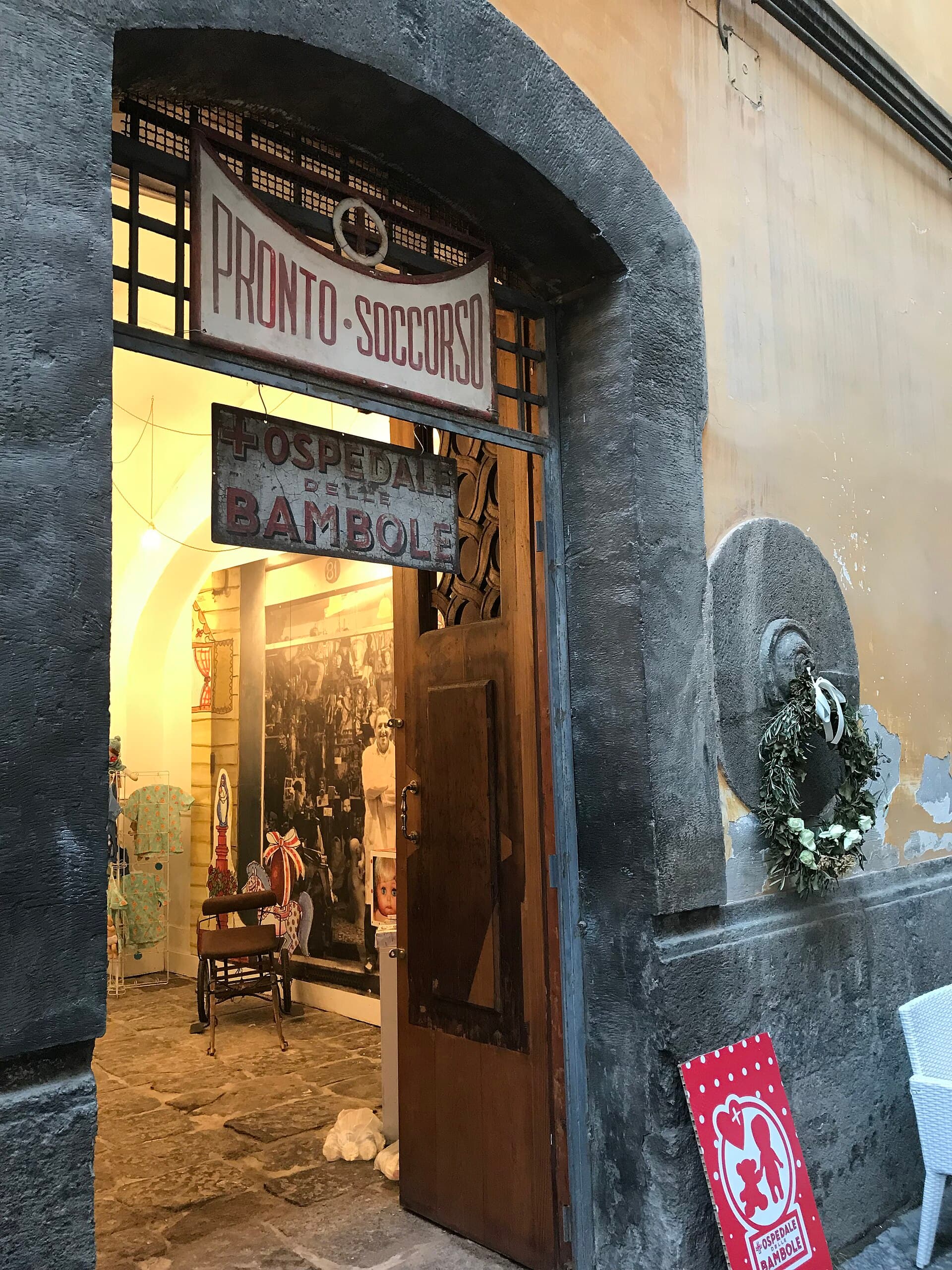 The Doll HospitalIn 1895 Luigi Grassi painted backdrops for Naples theatres and puppet shows out 2 minutes walk4.8
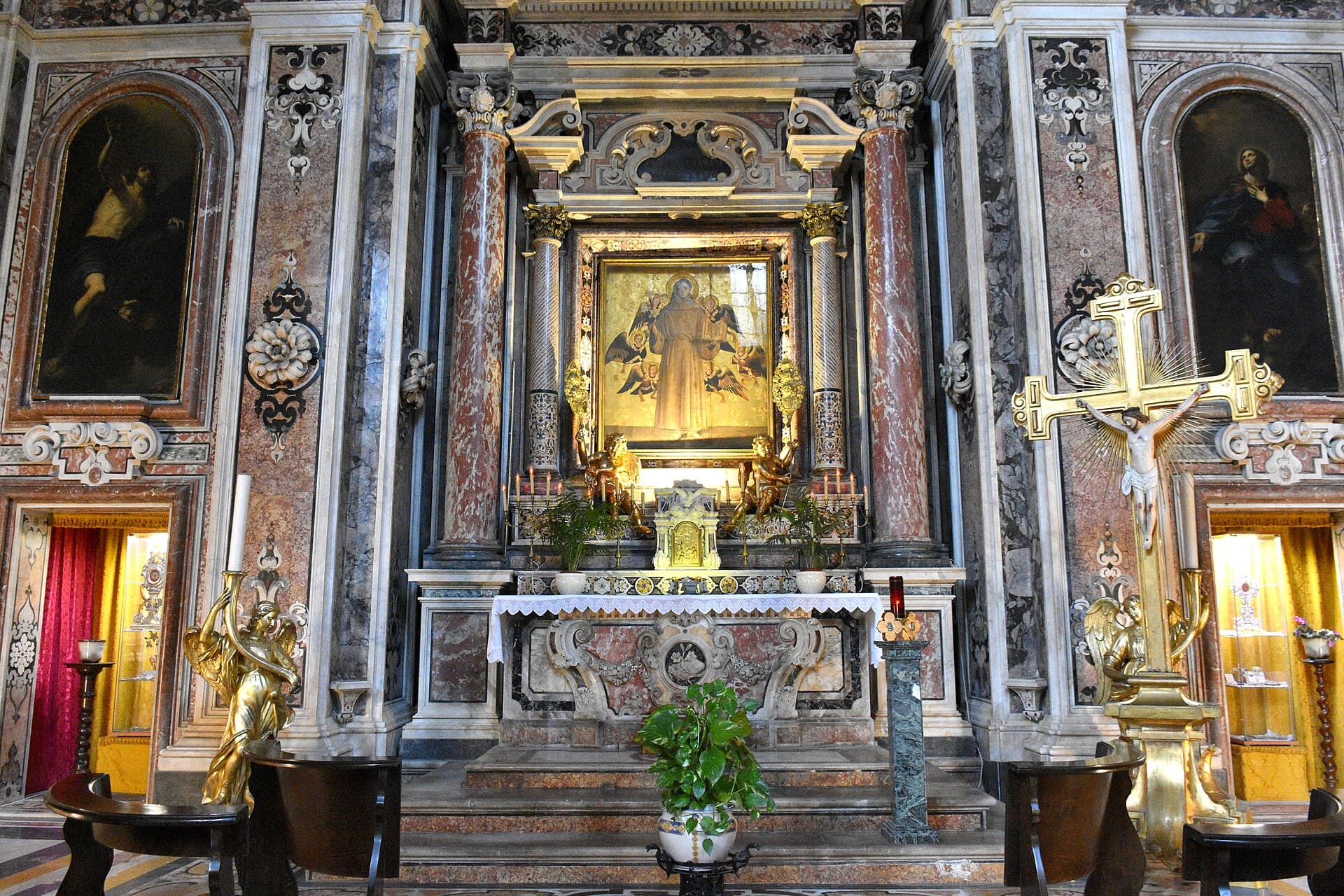 San Lorenzo Maggiore and the Roman MarketA Gothic church over a complete Roman market: San Lorenzo Maggiore on Via dei Tr4 minutes walk4.4
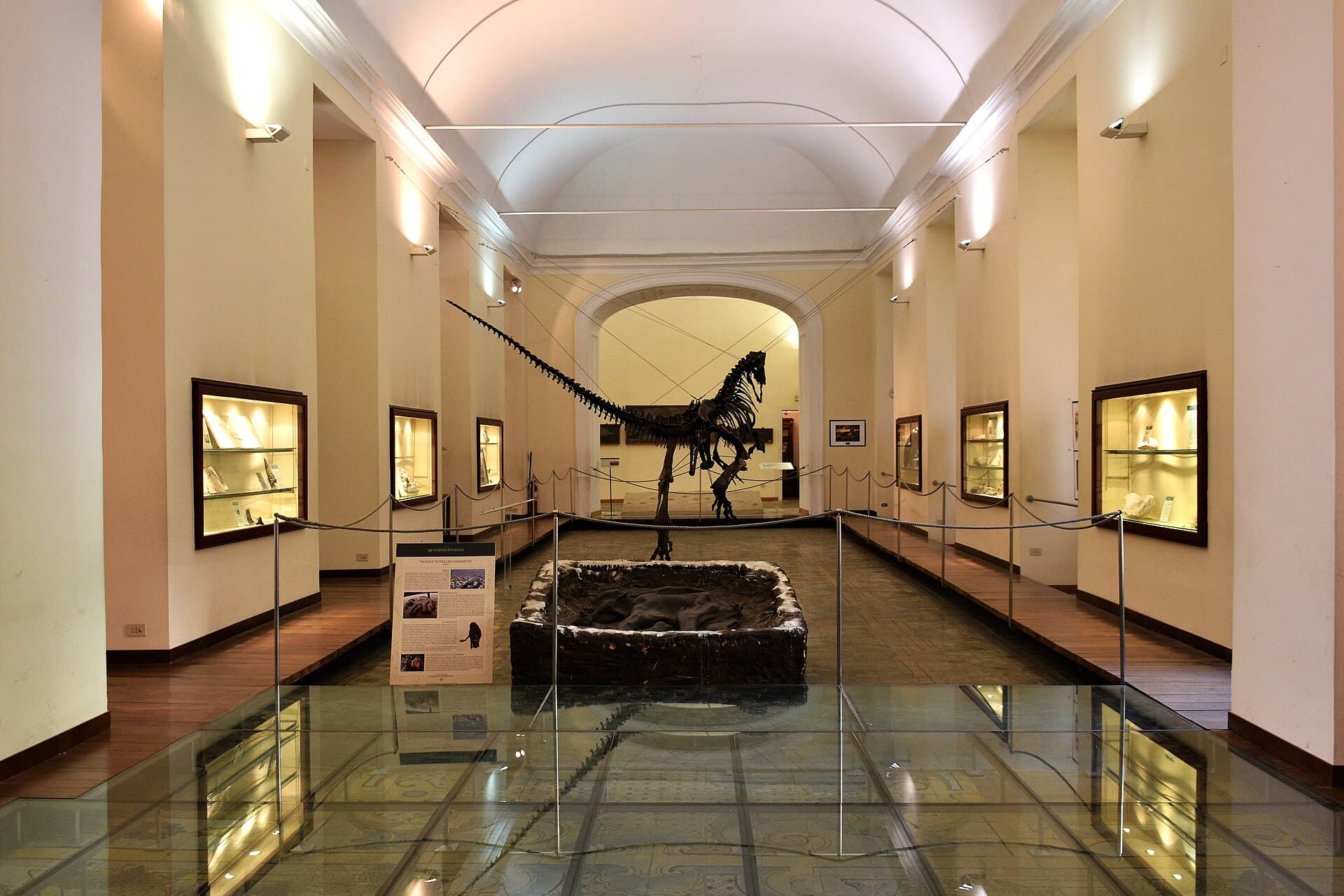 The Palaeontology MuseumA university palaeontology museum in Naples occupying the halls of the sixteenth4 minutes walk4.6
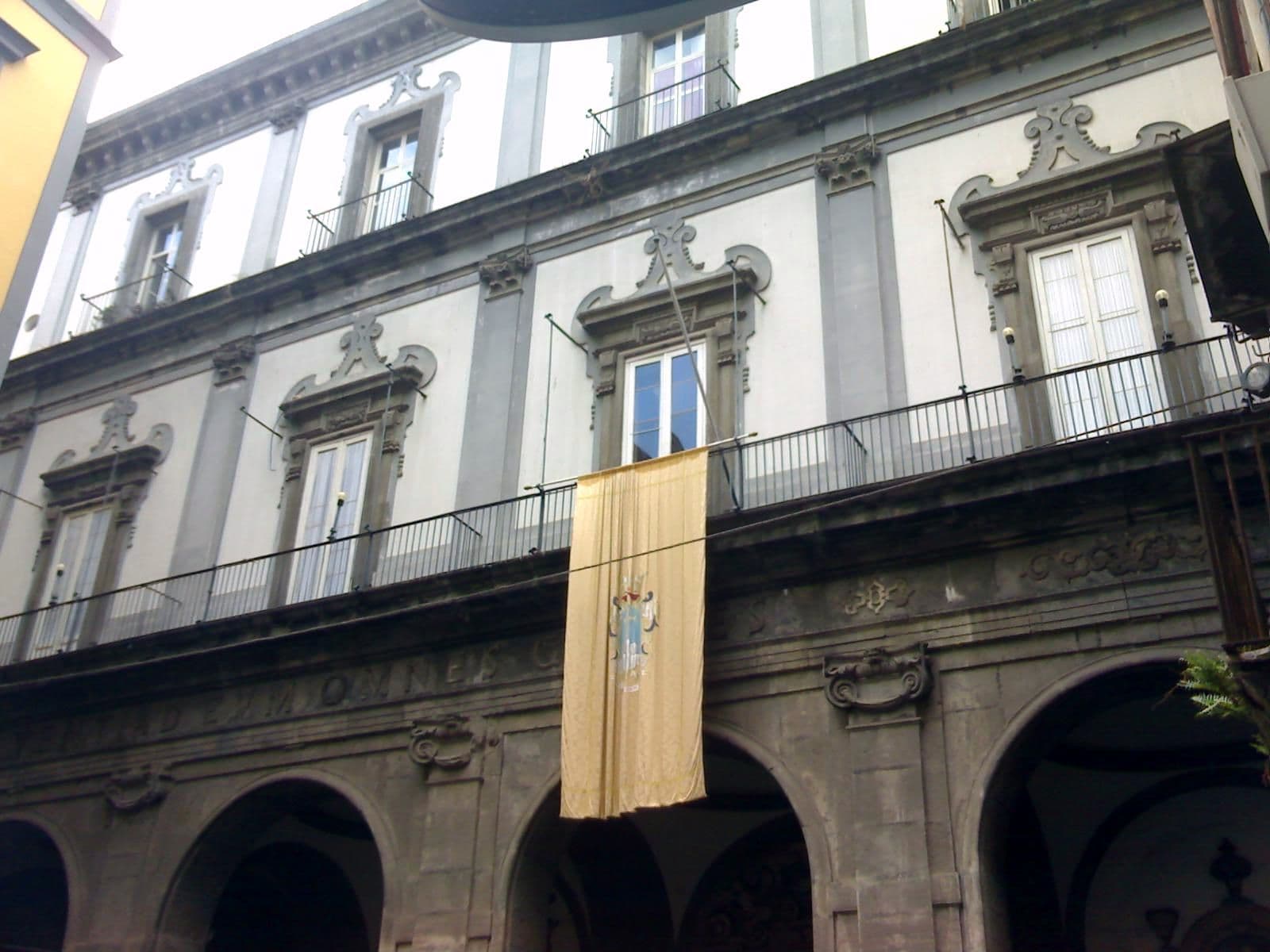 Pio Monte della MisericordiaA Caravaggio in the place it was painted for: the Pio Monte charity was founded 4 minutes walk4.7
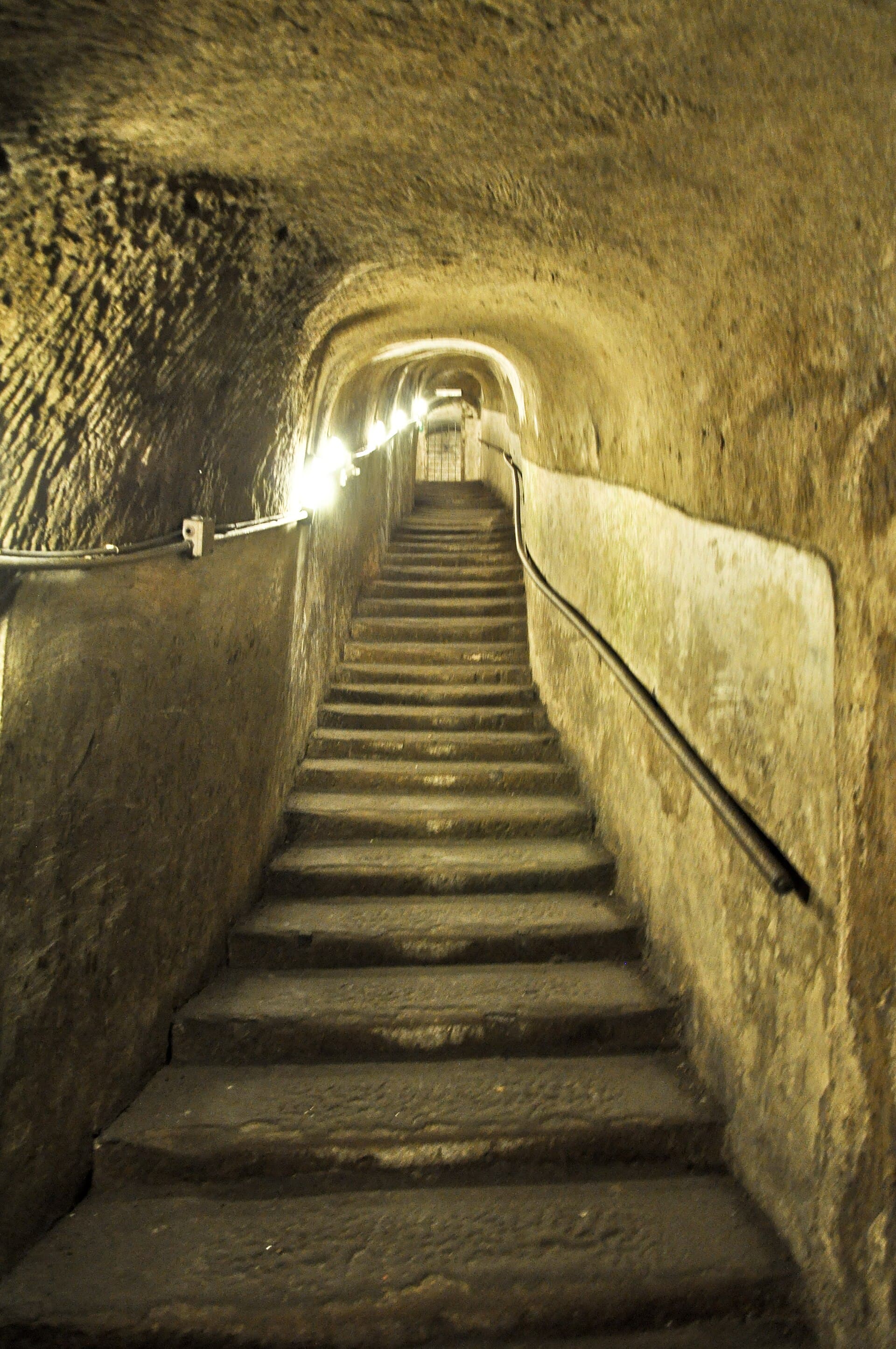 Naples UndergroundBeneath Naples's streets lies a second city: forty metres down runs a labyrinth 4 minutes walk4.6
On a single day in Naples, no — the Duomo, Cappella Sansevero and Napoli Sotterranea clearly deserve your time first. On a third day, yes, and it becomes a smart addition: it is minutes from the cathedral and the Treasure of San Gennaro, a combined ticket covers it with the Chapel and Treasure of San Gennaro, and the whole visit takes under an hour.
Partly. The arms and armour will hold a child for ten or fifteen minutes, but nothing here is interactive, there is no children's programming, and the labelling is thin. Under-12s enter free, so little is lost if it falls flat. The upper floor is up a staircase, though, and a pram will be a nuisance in a narrow historic building like this.