
A sixteenth-century cloister
Columns and a quiet garden amid the crowded old city.
Giuseppe Guida — CC BY-SA 4.0 · Giuseppe Guida — CC BY-SA 4.0 · Giuseppe Guida — CC BY-SA 4.0 · SignorDeFazio — CC BY-SA 2.0
A university palaeontology museum in Naples occupying the halls of the sixteenth-century San Marcellino monastery — among the handsomest buildings housing a scientific museum in Italy. The collection holds more than fifty thousand specimens, the oldest from the eighteenth century. Its highlights are large vertebrate skeletons and an important collection of fossils from the region itself — southern Italy lay beneath the sea for millions of years and its strata are rich in marine fossils. Among its best-known pieces are the skeleton of a giant extinct sea lion, skeletons of ancient elephants found around Naples, and petrified trees. The monastery site is worth the visit in itself: a quiet inner cloister with columns and a garden, and a view over the bay of Naples from one of its terraces — a place nobody expects amid the crowding of the old city. Hours are the university's and limited.
Columns and a quiet garden amid the crowded old city.
Skeletons found in the region itself.
From one of the cloister terraces, where nobody expects it.
The University of Naples Federico II, San Marcellino cloister
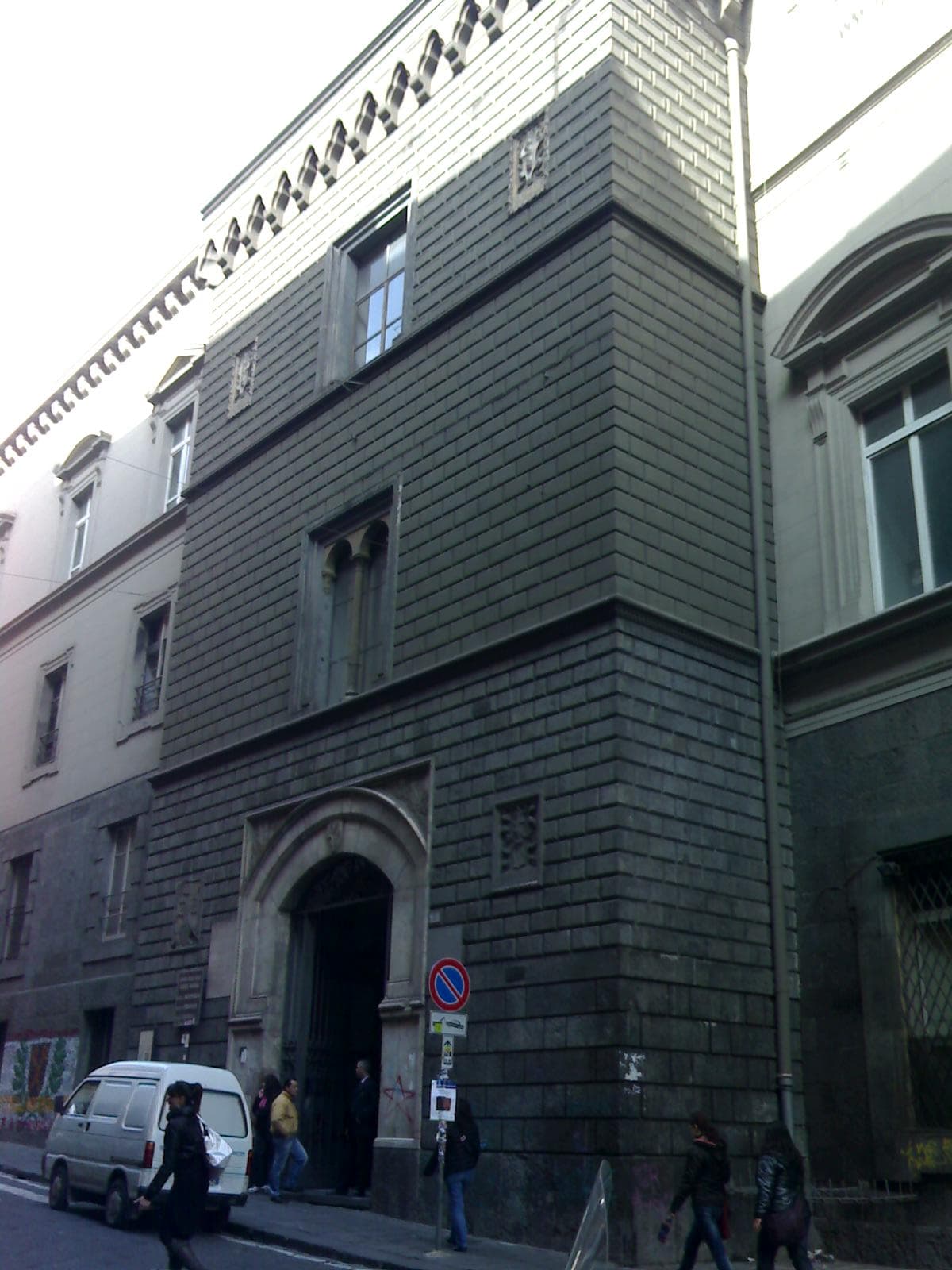 The Royal Mineralogical MuseumA university mineralogical museum founded in 1801 by decree of King Ferdinand IV2 minutes walk4.7
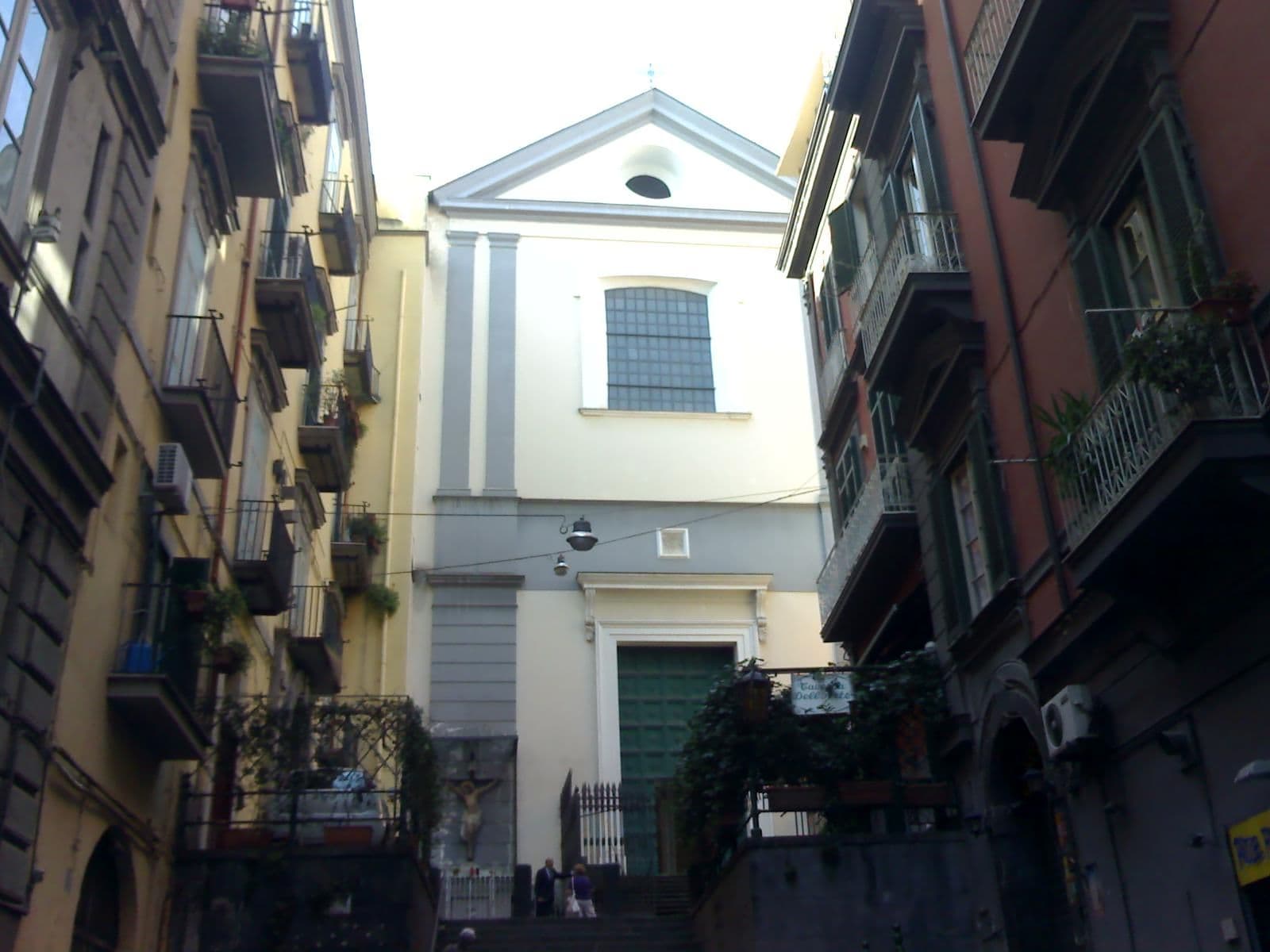 Basilica of San Giovanni MaggioreIt stayed shut for forty-two years after collapses closed it in 1970, and it reo3 minutes walk4.7
 The Doll HospitalIn 1895 Luigi Grassi painted backdrops for Naples theatres and puppet shows out 4 minutes walk4.8
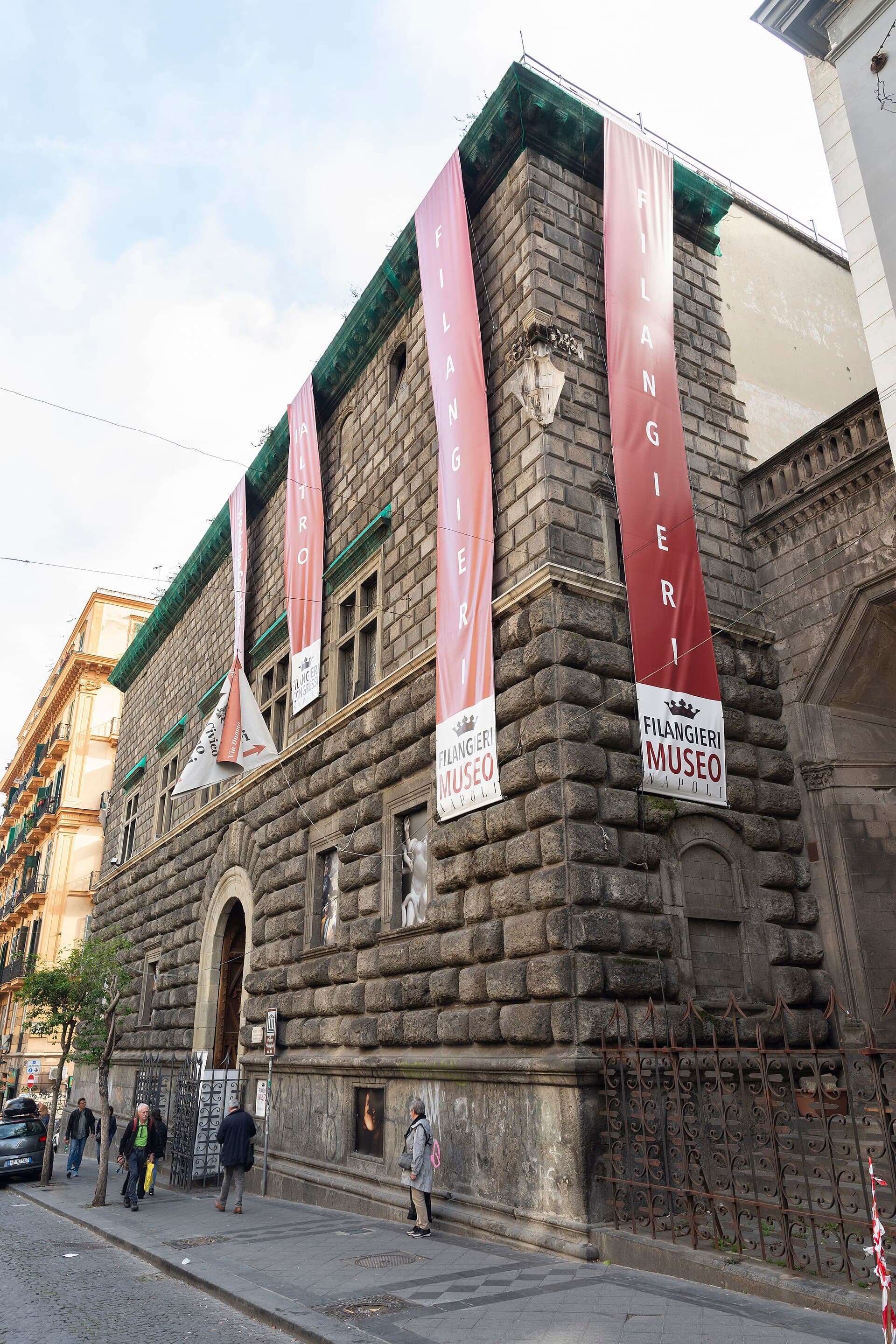 Museo FilangieriWhen Naples drove Via Duomo through the old centre in the 1880s, Palazzo Como st4 minutes walk4.5
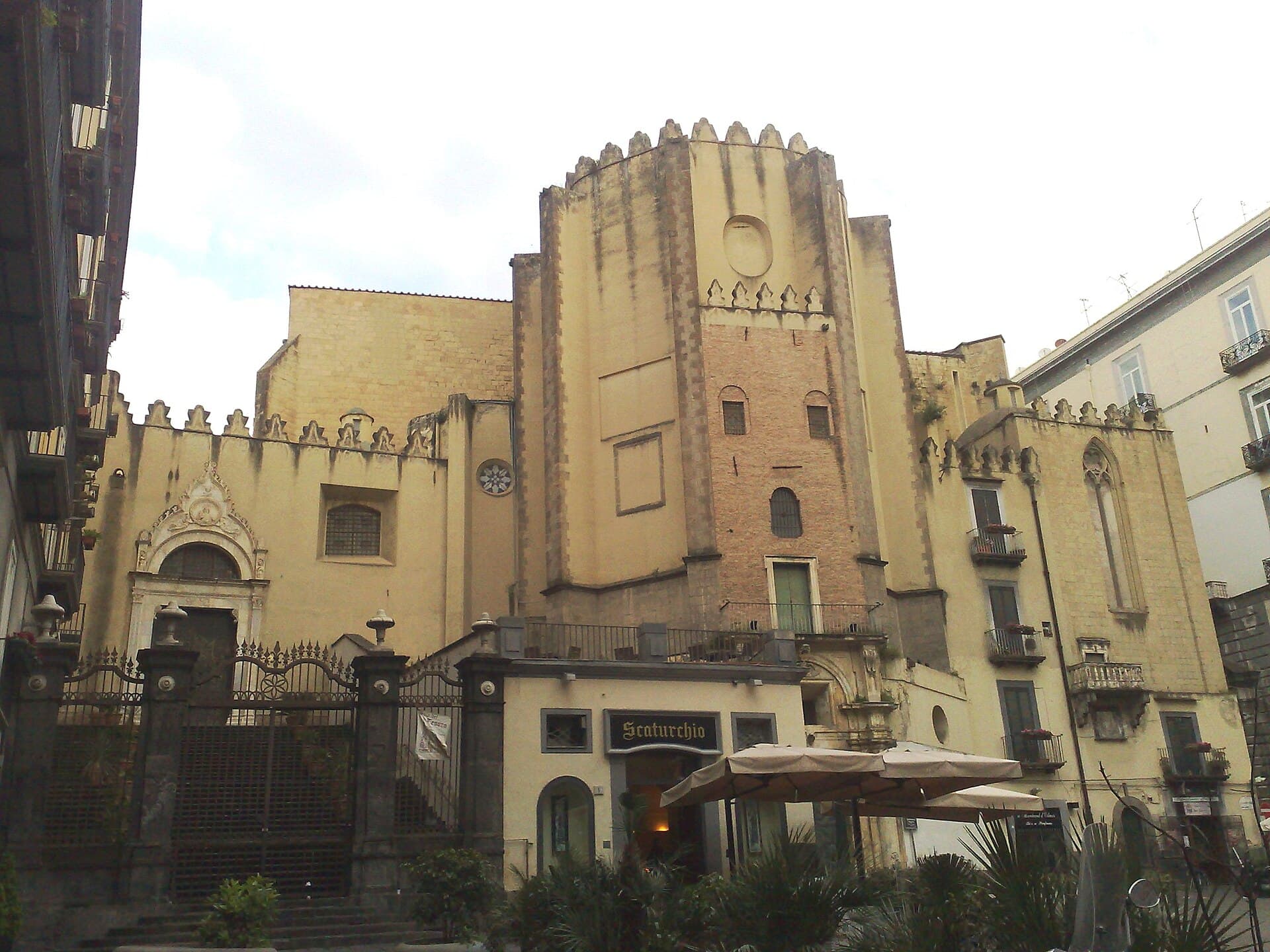 San Domenico MaggioreAbove the sacristy, on a wooden gallery running around three walls some four met5 minutes walk4.6
Because the Italian peninsula formed from the collision of the African and European plates, so strata that lay on the sea floor for millions of years were raised onto land and sometimes to mountain summits. This is why fossil shells, fish and coral are found at high altitude in the Apennines. The process continues, and is also the cause of the earthquakes and volcanoes that characterise the region.
Partly. Large skeletons always draw children, and the cloister is a comfortable place to rest. But the display is traditional and scientific, its labelling mostly Italian, and there is no interactive element. If you have small children the Città della Scienza west of Naples suits far better — a full interactive science museum designed for them.