
The stained glass roof
Coloured glass covers the whole ceiling of the hall and drops shifting light onto the floor and the cases, and it is the best thing here.
Emilio J. Rodríguez Posada — CC BY-SA 4.0 · Emilio J. Rodríguez Posada — CC BY-SA 4.0 · Emilio J. Rodríguez Posada — CC BY-SA 4.0 · Emilio J. Rodríguez Posada — CC BY-SA 4.0
One big room inside the headquarters of Spain's geological and mining institute on Calle de Ríos Rosas, north of the centre, filled with cases of minerals and fossils. To be plain: the reason to come is the room itself, not what is in the cases. It is a tall hall ringed by three storeys of galleries on ornamental iron balconies, under a stained glass roof that throws coloured daylight onto the floor. The original wooden cabinets are still in place, so the impression is of an old museum kept as it was rather than a modern display. What is shown is minerals, rocks and fossils, most of them Spanish, with short labels mostly in Spanish. If you want a broader science museum that works better for children, the National Museum of Natural Sciences is about fifteen minutes' walk away: richer, but ticketed. A visit runs thirty minutes to an hour and entry is free. It sits off the Prado and Reina Sofia axis, so it does not earn its own slot on a short trip, but it is a fair stop if you are in the neighbourhood or you like iron and glass architecture. Nearest Metro: Ríos Rosas on Line 1.
Coloured glass covers the whole ceiling of the hall and drops shifting light onto the floor and the cases, and it is the best thing here.
Three storeys of balconies on ornamental ironwork run around the hall, and if the upper galleries are open when you visit, the view down beats the view from the floor.
Minerals, crystals and fossils sit in the original wooden cabinets, enough to hold children for a while and to please anyone who likes old-style museums.
Calle de Ríos Rosas 23, 28003 Madrid
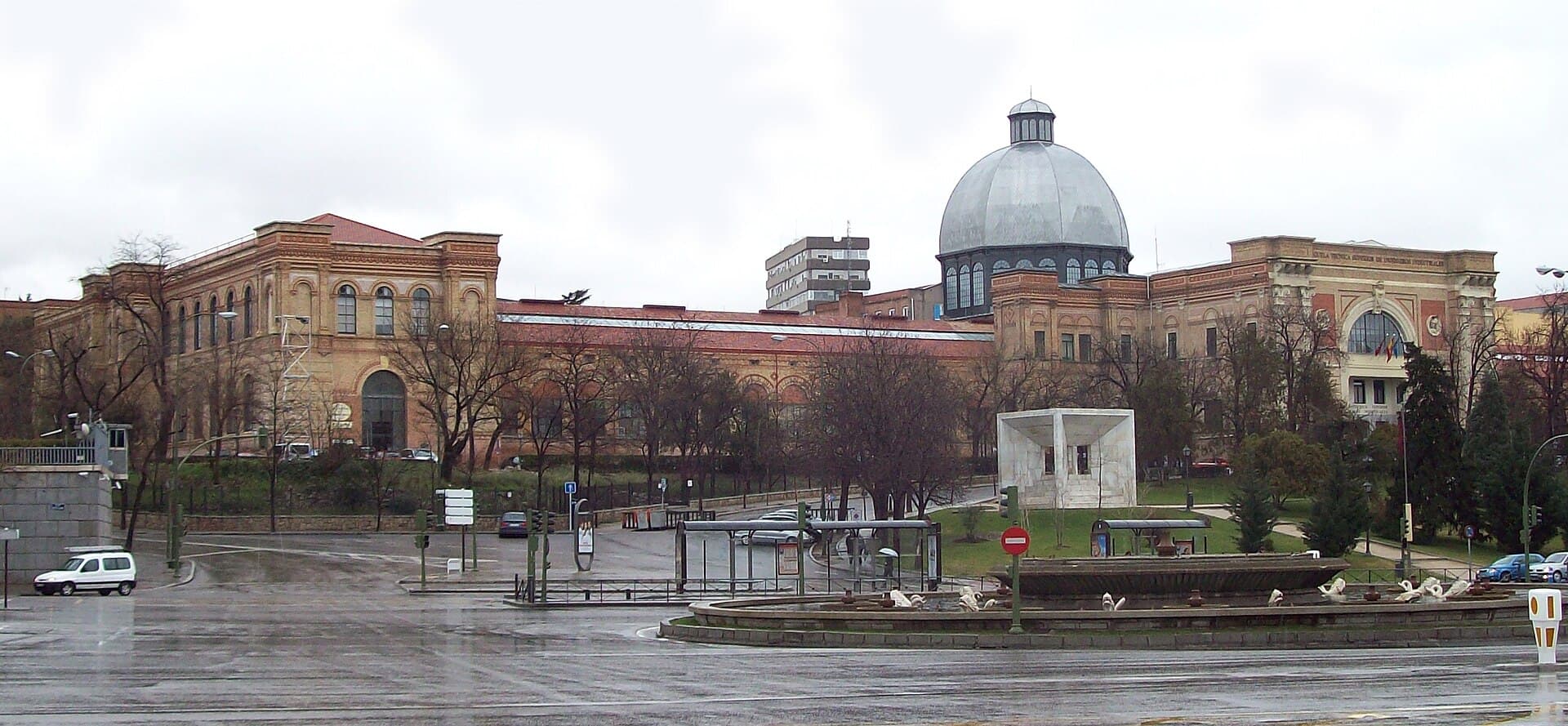 Museo Nacional de Ciencias NaturalesSpain's national natural history museum, run by the CSIC research council — a re10 minutes walk4.6
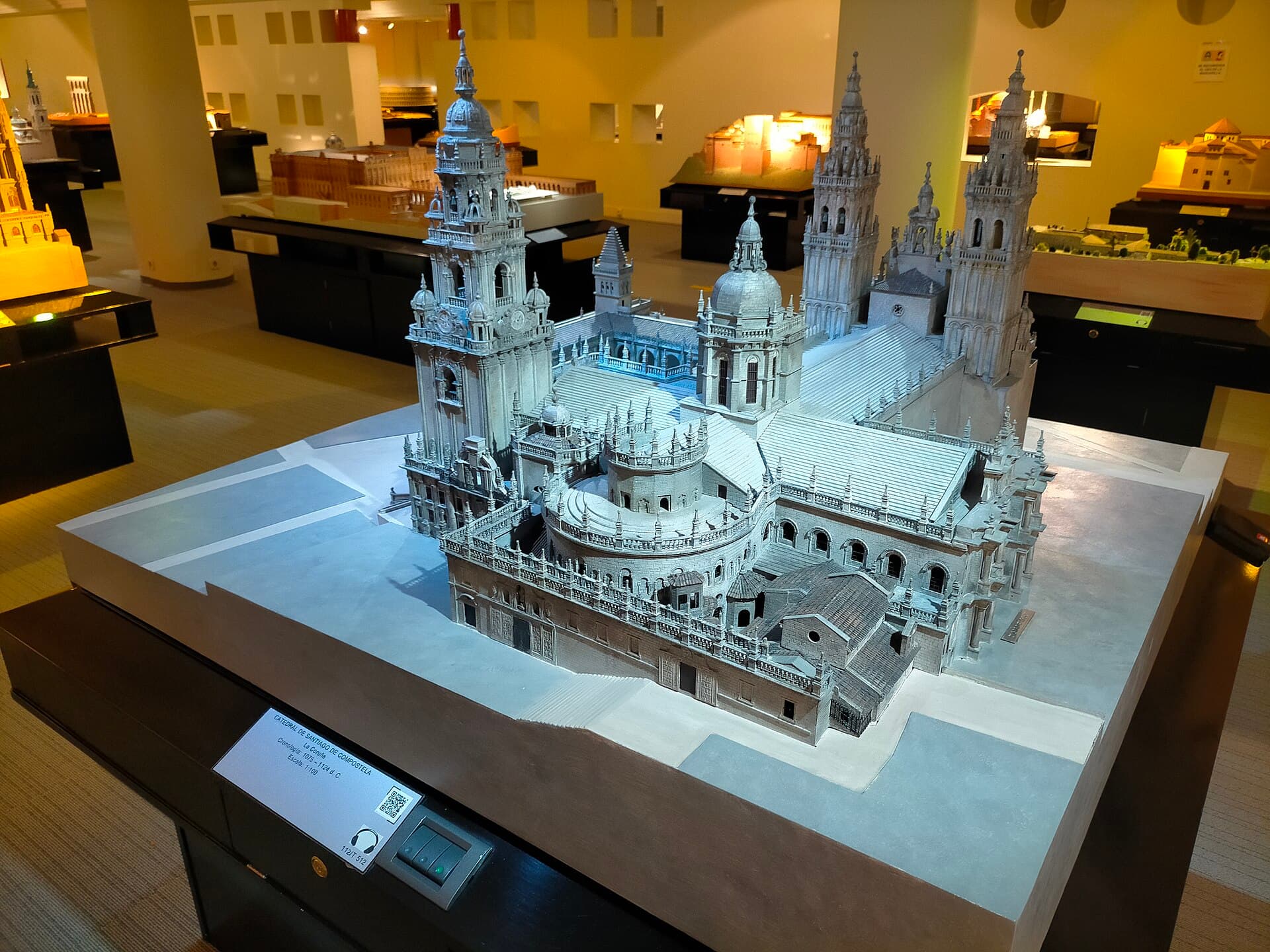 Typhlological MuseumA museum run by Spain's national organisation for the blind, designed first and 17 minutes walk4.6
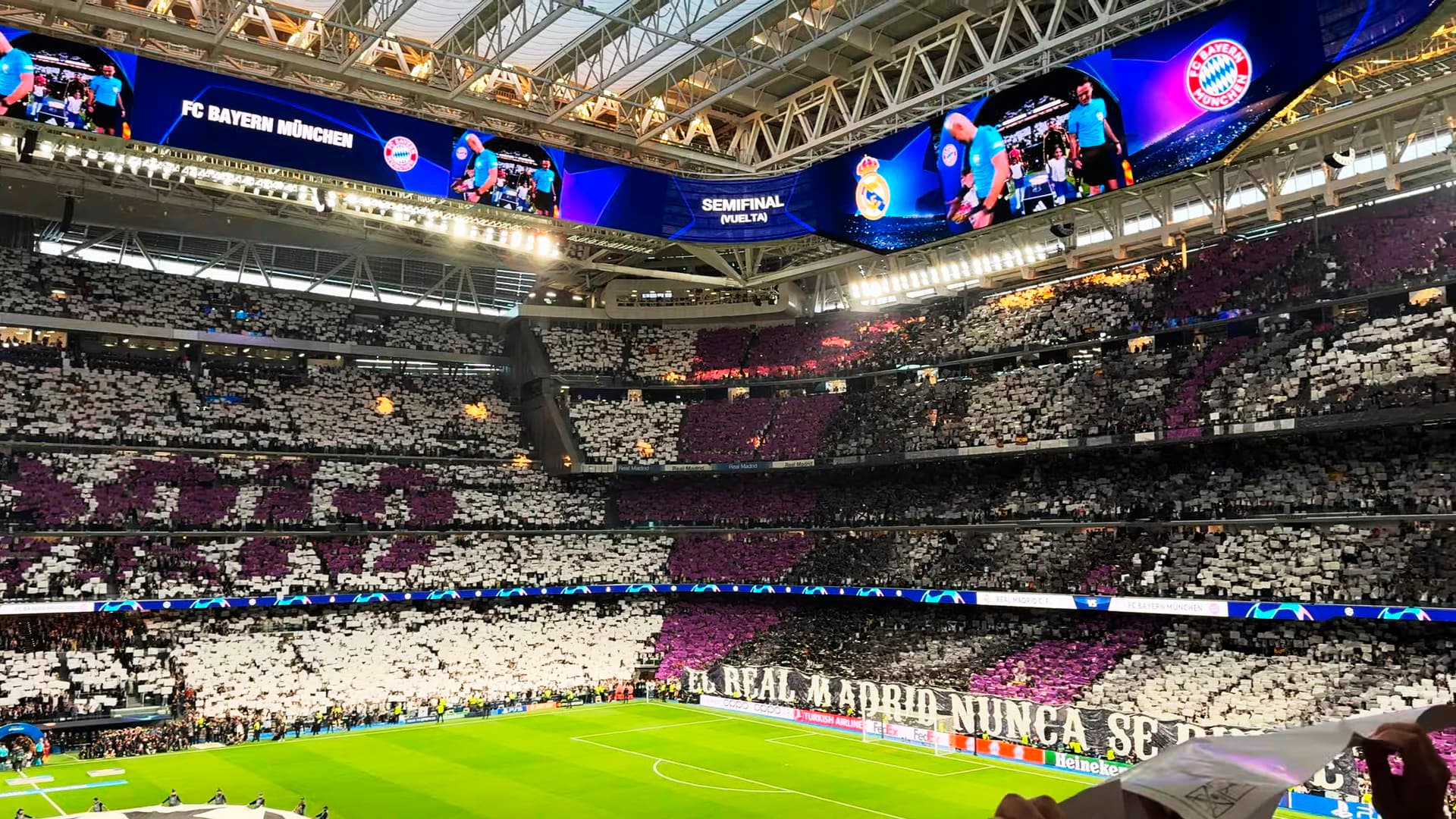 Santiago Bernabeu StadiumReal Madrid's home ground in Chamartin, north of the centre. The club rebuilt it19 minutes walk4.4
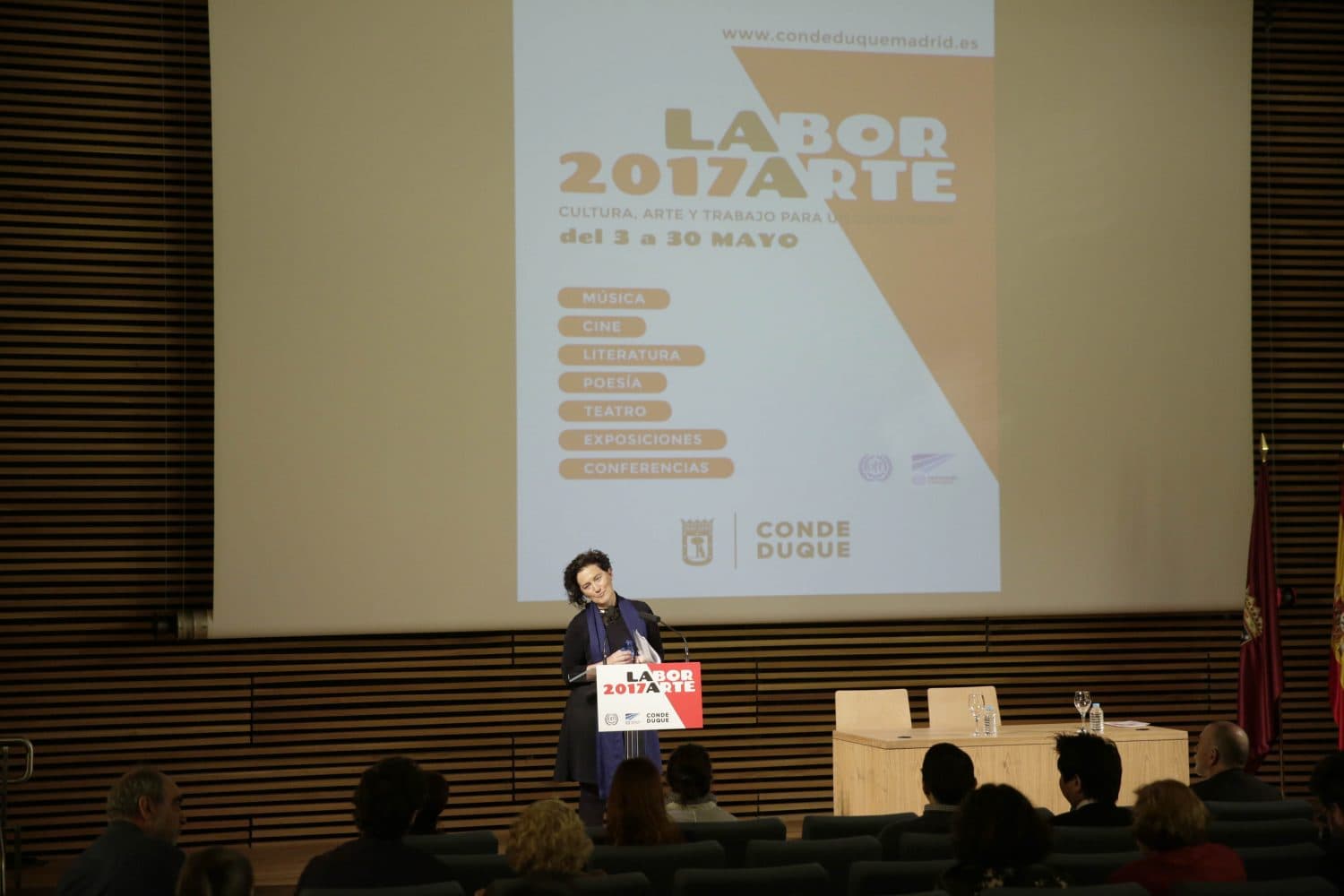 Centro Cultural Conde DuqueConde Duque was built in the 18th century as a royal guard barracks, behind a ba24 minutes walk4.4
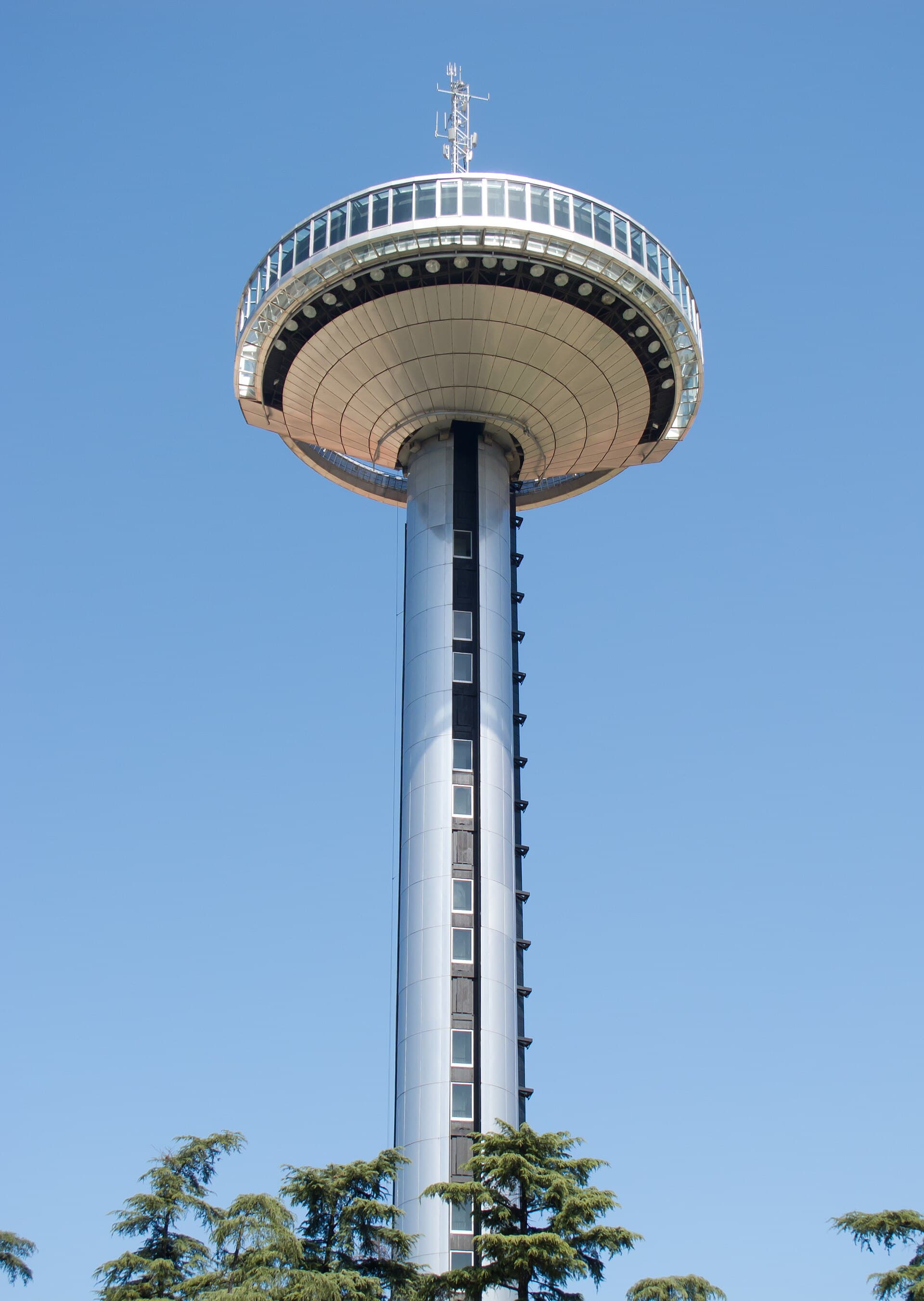 Faro de MoncloaThe deal at the Faro de Moncloa is simple. A lift raises you in about a minute t24 minutes walk4.3
The nearest Metro is Ríos Rosas on Line 1, a two-minute walk from the entrance. The area is north of the centre and off the usual sightseeing route, so the sensible plan is to pair it with the National Museum of Natural Sciences, a walk away, or to fit it around a trip through Nuevos Ministerios.
No. On a trip of three days or less, the Prado, the Reina Sofia, the Royal Palace and the Retiro come first. This is a small one-room museum you go to for its architecture: it suits repeat visitors, people who photograph buildings, or anyone staying nearby.
For a short visit, yes: the crystals and fossils hold attention and entry is free, so nothing is lost if they lose interest. But the display is old-fashioned, the labels are mostly in Spanish and there is nothing interactive, so if the aim is a day built around the children, the National Museum of Natural Sciences is the better choice.