
The Megatherium
The skeleton of the extinct giant ground sloth, brought from Argentina, is the museum's most famous historic piece and still the strongest thing in it.
Luis García (Zaqarbal) — CC BY-SA 3.0 · ProyectowikiMNCN — CC BY-SA 4.0 · ProyectowikiMNCN — CC BY-SA 4.0 · ProyectowikiMNCN — CC BY-SA 4.0
Spain's national natural history museum, run by the CSIC research council — a research institute first, an attraction second. The permanent display runs over several sections in two connected buildings: biodiversity and taxidermy; a Mediterranean nature-and-civilisation room; minerals, fossils and human evolution; and the old Real Gabinete. On presentation it does not compete with the Prado, or even the National Archaeological Museum: some rooms are redone, others clearly not. With children, though, it is one of Madrid's better options: the Megatherium skeleton and Diplodocus cast carry it. It sits just off the Castellana, in an office district, not the tourist core, and shares a building with an engineering school — look for the museum entrance. Nearest Metro: Gregorio Marañón, lines 7 and 10. Ninety minutes to a couple of hours covers most visits, up to two and a half with kids. Almost all of it is indoors — a fair escape from afternoon heat — though an outdoor stone garden adjoins the halls. Weekdays are quieter than weekends, though term-time mornings bring school groups.
The skeleton of the extinct giant ground sloth, brought from Argentina, is the museum's most famous historic piece and still the strongest thing in it.
The biodiversity hall with its taxidermy feels nothing like the minerals, fossils and human-evolution side, and moving between the two is part of the visit.
One of the few Madrid museums children genuinely enjoy; weekends are busy with families, and weekday mornings in term time bring school groups.
Calle de José Gutiérrez Abascal, 2, 28006 Madrid
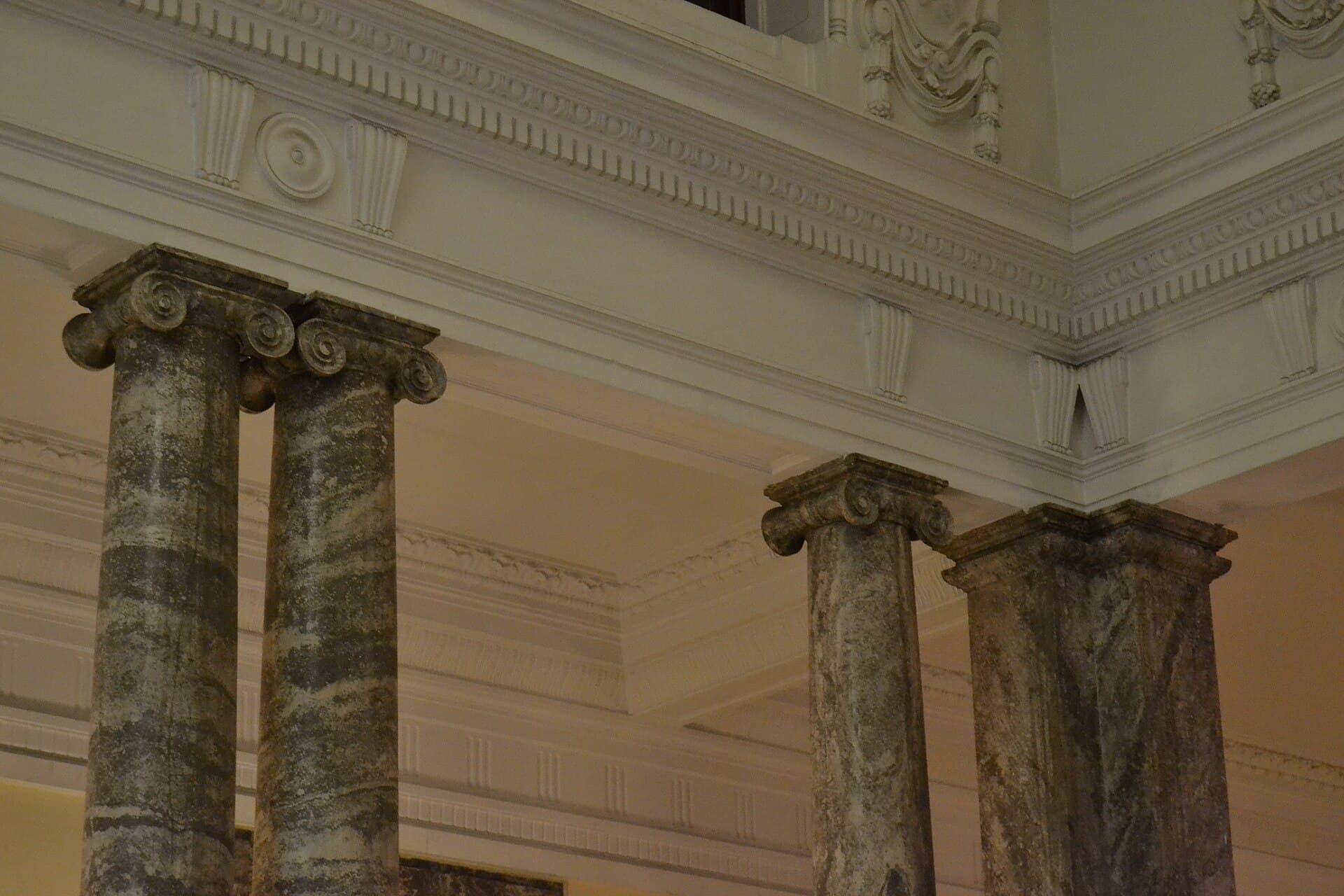 Museo GeomineroOne big room inside the headquarters of Spain's geological and mining institute 10 minutes walk4.6
 Santiago Bernabeu StadiumReal Madrid's home ground in Chamartin, north of the centre. The club rebuilt it17 minutes walk4.4
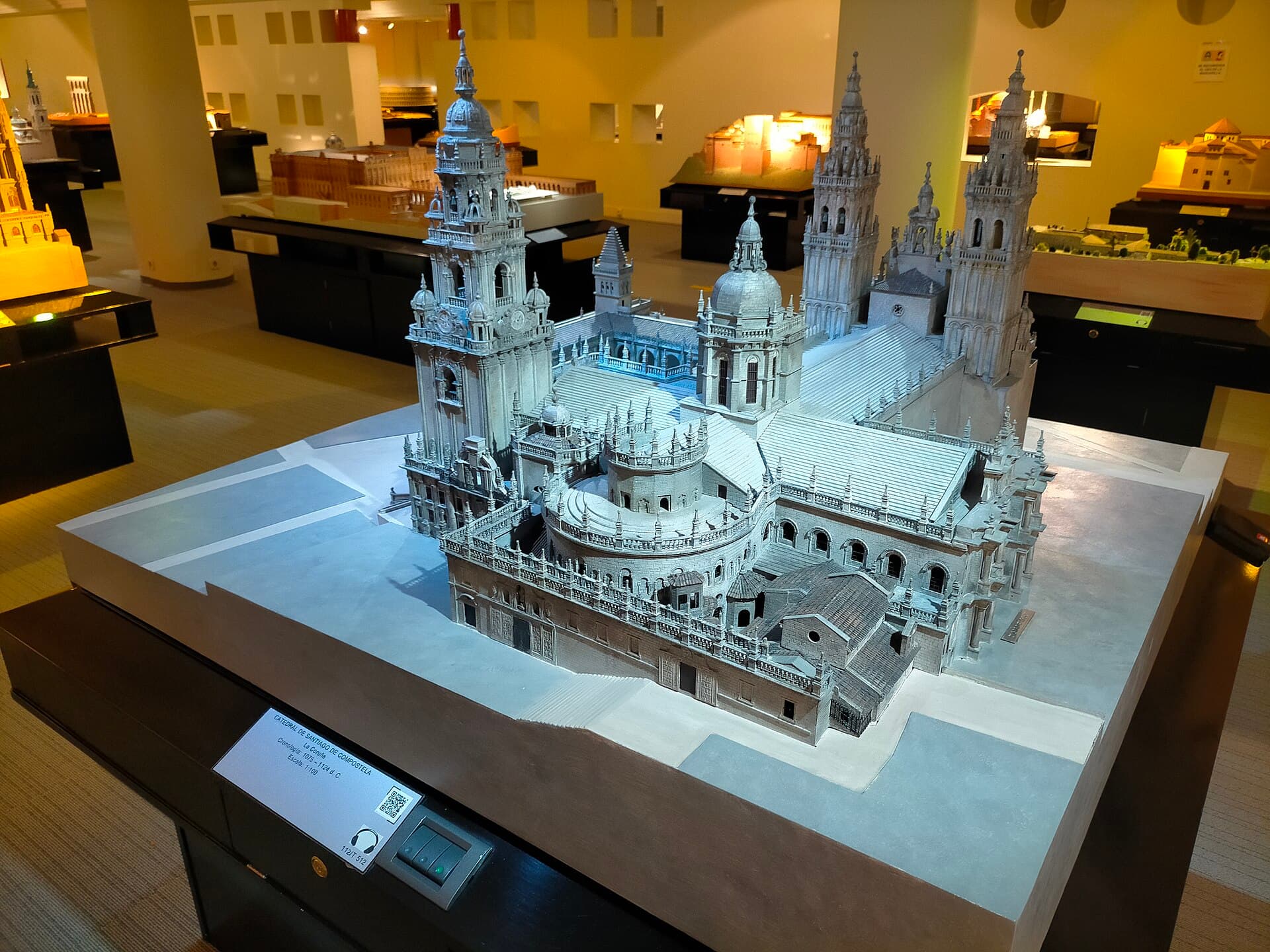 Typhlological MuseumA museum run by Spain's national organisation for the blind, designed first and 22 minutes walk4.6
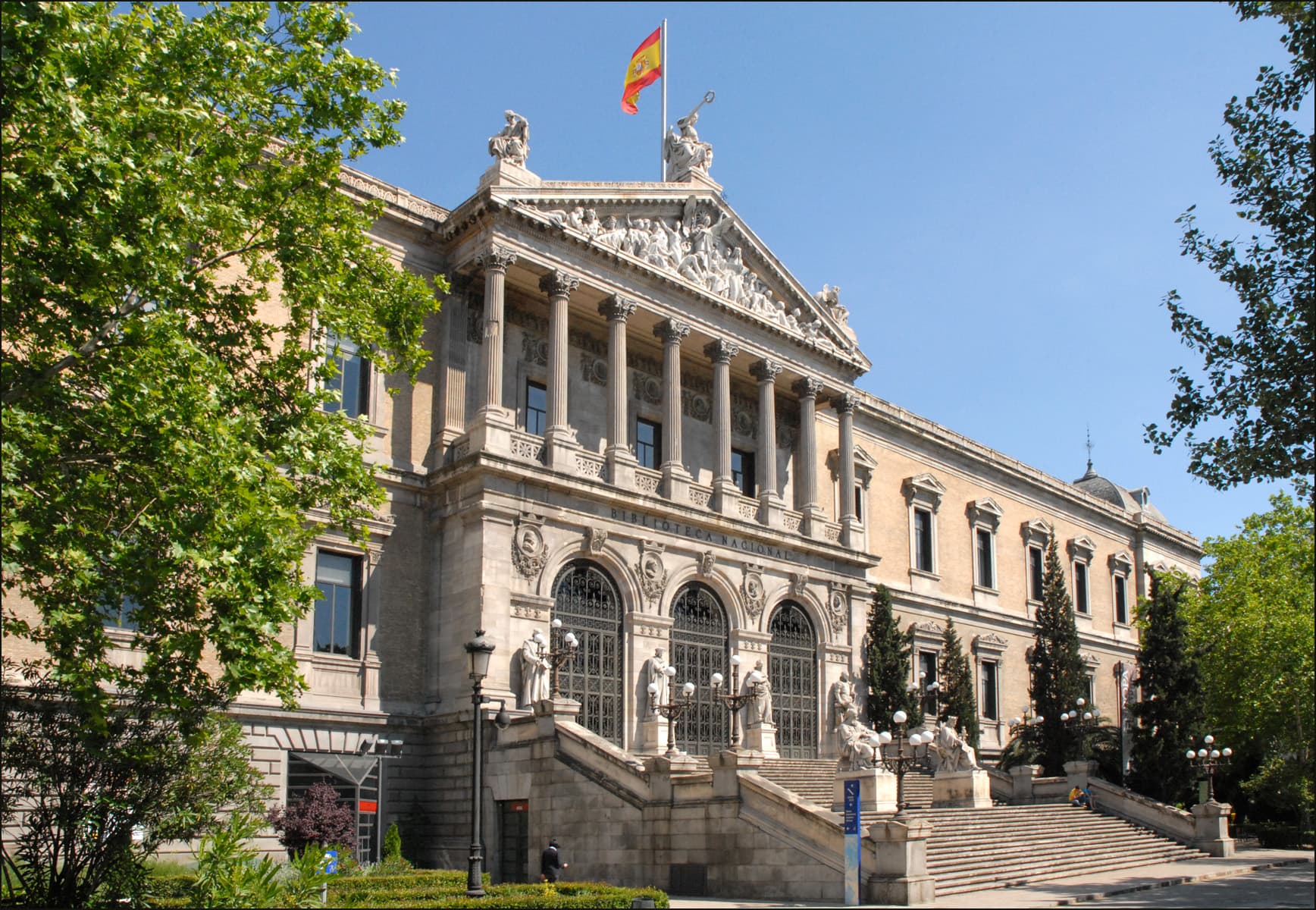 National Library of SpainOne neoclassical block on Paseo de Recoletos holds two institutions: the front, 24 minutes walk4.3
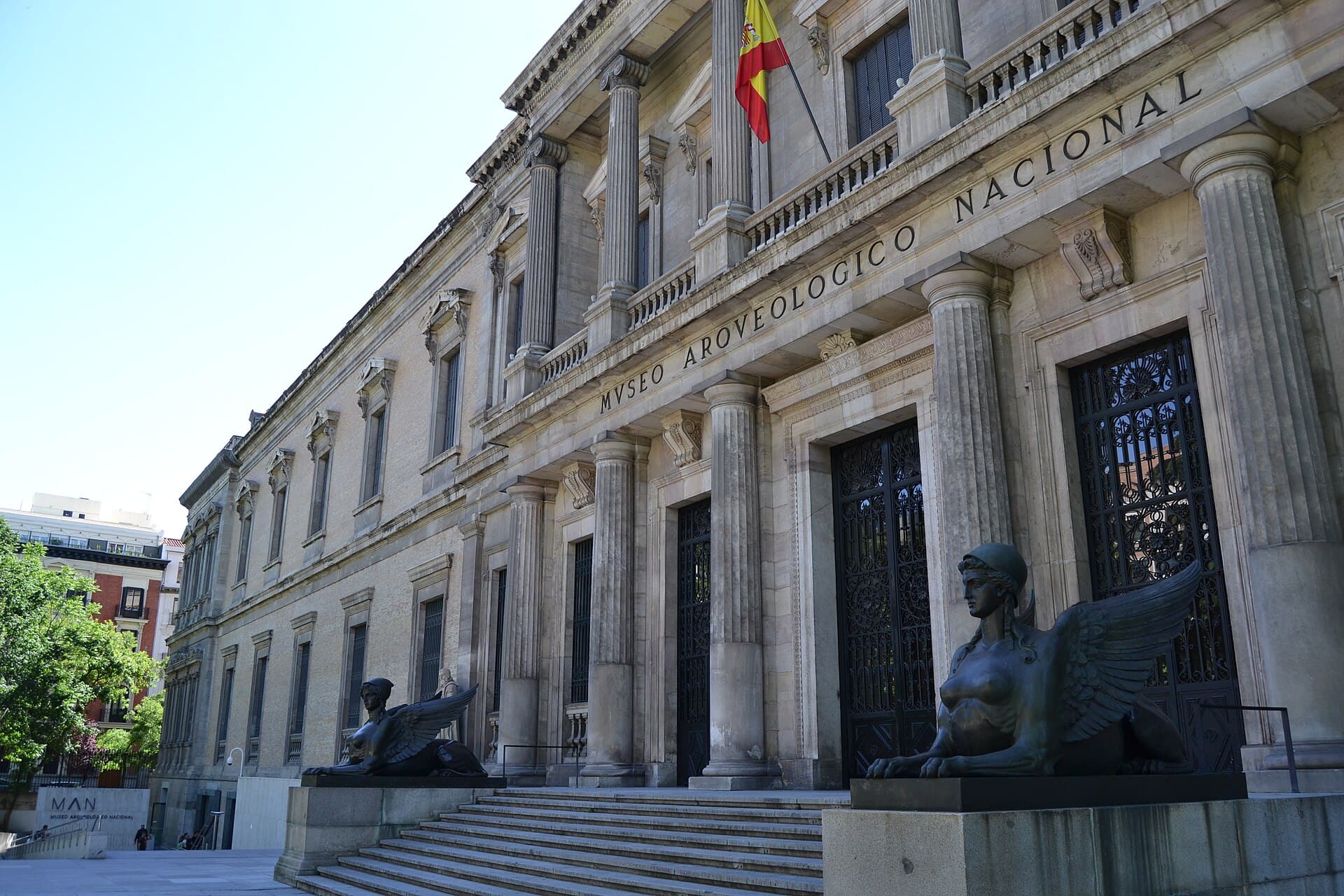 National Archaeological MuseumThe National Archaeological is the Greek world's first treasury, uncontested: ev24 minutes walk4.6
The closest station is Gregorio Marañón on lines 7 and 10, a few minutes' walk along Calle de José Gutiérrez Abascal. Nuevos Ministerios (lines 6, 8 and 10, plus Cercanías trains) is the alternative if you are arriving by rail or on line 6 or 8, though the walk is a little longer. Note that the building also houses an engineering school, so head for the museum's own entrance.
Honestly, usually not. On a first visit of two or three days, the Prado, the Royal Palace, Retiro and Plaza Mayor come first. This museum makes sense on a second trip to Madrid, or if you are travelling with children and want somewhere indoors that will hold them for two hours.
Signage is Spanish-first: some halls carry English alongside it and others less so, so do not count on a full English read-through everywhere. The exhibits themselves — skeletons, fossils, mounted animals — read fine visually without the text, but if you want the detail, ask at the desk about a guide or use translation on your phone.