
The smart cup
A coffee cup with a chip in it unlocks every station in the museum, turning the visit into something closer to a game than a tour.
AnTOn!0 — CC0 · ElisaSit — CC BY-SA 4.0 · ElisabettaCastellano — CC BY-SA 4.0 · ElisabettaCastellano — CC BY-SA 4.0
At the entrance they hand you a coffee cup instead of a leaflet. There is a chip in its base, and it is the key to the whole museum: set it down at any station and the screen wakes up and tells you its chapter. The idea is almost comically simple, but it captures exactly what separates this place from every other museum in Turin — a building designed to be touched and heard rather than contemplated from behind a velvet rope. The story starts in 1895, when Luigi Lavazza took over a small grocery shop on Via San Tommaso, a few steps from Piazza Castello, and began blending beans himself until the blend became an industry. The museum now sits inside the company headquarters, the Nuvola complex, opened in 2018 on the site of an old power station in the Aurora district and designed by the architect Cino Zucchi. Five galleries run in sequence — Casa, Fabbrica, Piazza, Atelier, Universo — from the coffee tree through blending and roasting to the rituals of the Italian bar. The best of them is the Atelier: sixty years of work the company commissioned from artists, photographers and film directors, from the Carosello characters to the Lavazza calendars, hung together so that it reads less like advertising than like a history of Italian taste. The route closes in the Universo, a room of wraparound projection. Under the building there is a surprise with nothing to do with coffee. During the 2014 excavation, the remains of the early Christian basilica of San Secondo, 4th to 5th century, emerged along with burials around it and a 2nd-century funerary stele. The architects redesigned the foundations to preserve it, and the finds are shown in a long case under the glazing along the route. One warning: visiting the archaeological area is a separate guided tour on a separate ticket (five euros alone, fifteen combined with the museum), it runs only by advance booking and only for a minimum of fifteen participants, and it is not suitable for anyone with mobility difficulties. It is not included with a standard ticket and it does not run on demand. To be honest, this museum does not justify a trip to Turin. If you have only one day, the Egyptian Museum and the Mole Antonelliana come well ahead of it, and each has its own page and its own separate ticket here. But on a second day, or with children whose patience for painted ceilings has run out, it is the easiest and most cheerful hour in the city. Allow 60 to 90 minutes. The closing tasting is a paid extra booked separately rather than part of the ticket, though there is a bar in the complex if you simply want an espresso. And the location is more useful to Arab travellers than most Turin sights: Porta Palazzo, the largest open-air market in Europe, is about fifteen minutes on foot, ringed by North African and Middle Eastern restaurants and halal butchers, and it shows you a Turin utterly unlike the arcaded centre.
A coffee cup with a chip in it unlocks every station in the museum, turning the visit into something closer to a game than a tour.
The best room in the building is the Atelier: decades of work commissioned from artists, photographers and film directors, hung together as a picture history of Italian taste.
The 4th-century remains of San Secondo surfaced during construction and were preserved beneath the building — but seeing them is a separate guided tour, booked in advance, and only for groups of at least fifteen.
Via Bologna 32, Nuvola Lavazza complex, Aurora district, Turin
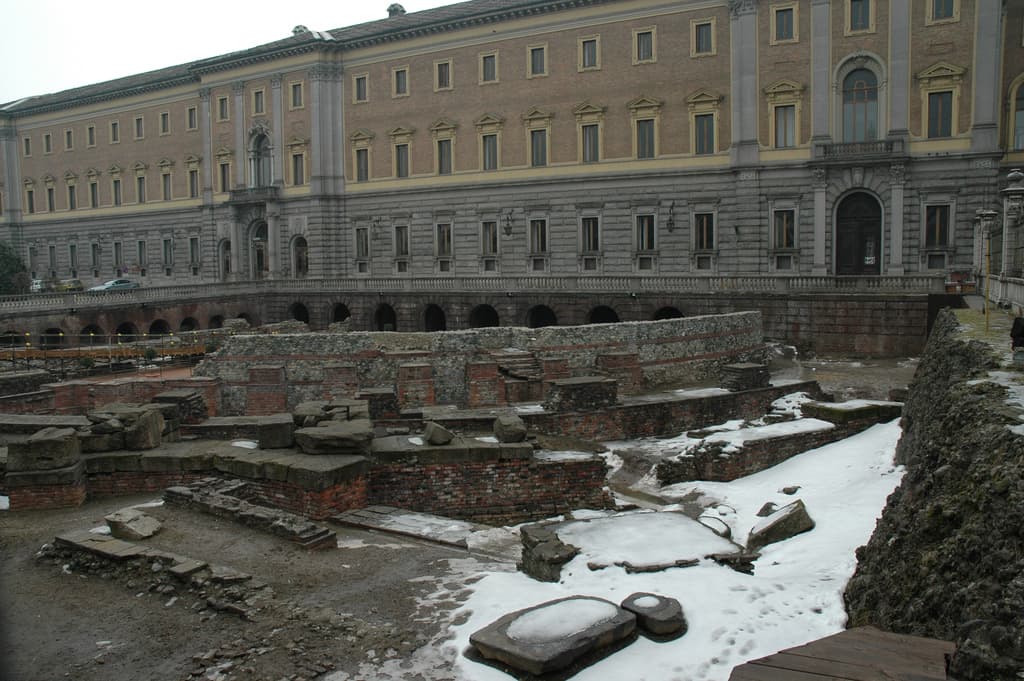 Galleria SabaudaThe private collection of Italy's kings: the Galleria Sabauda is the picture gal11 minutes walk4.8
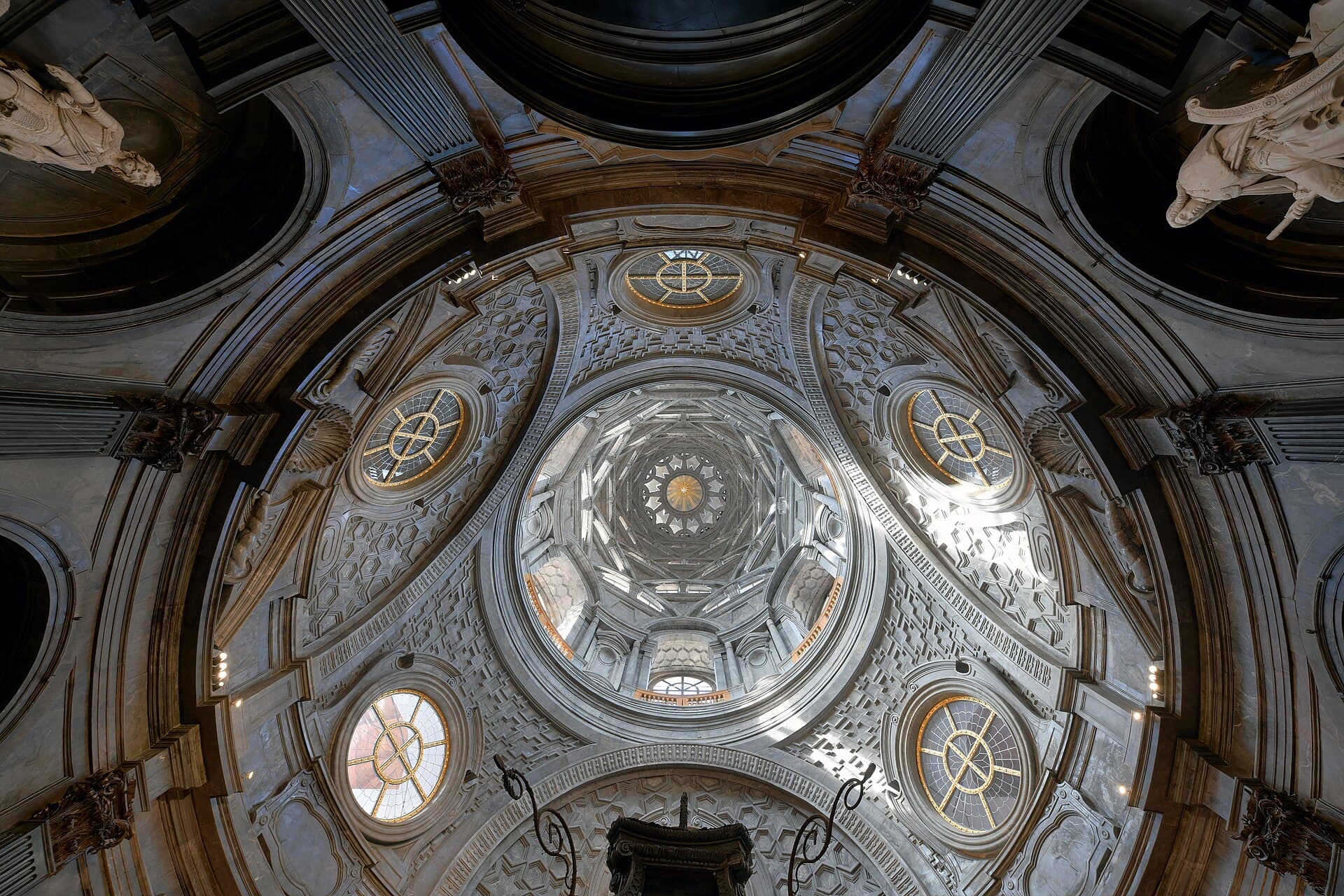 Chapel of the Holy ShroudOn the night of 11 April 1997, Turin's most famous dome caught fire. A firefight12 minutes walk4.8
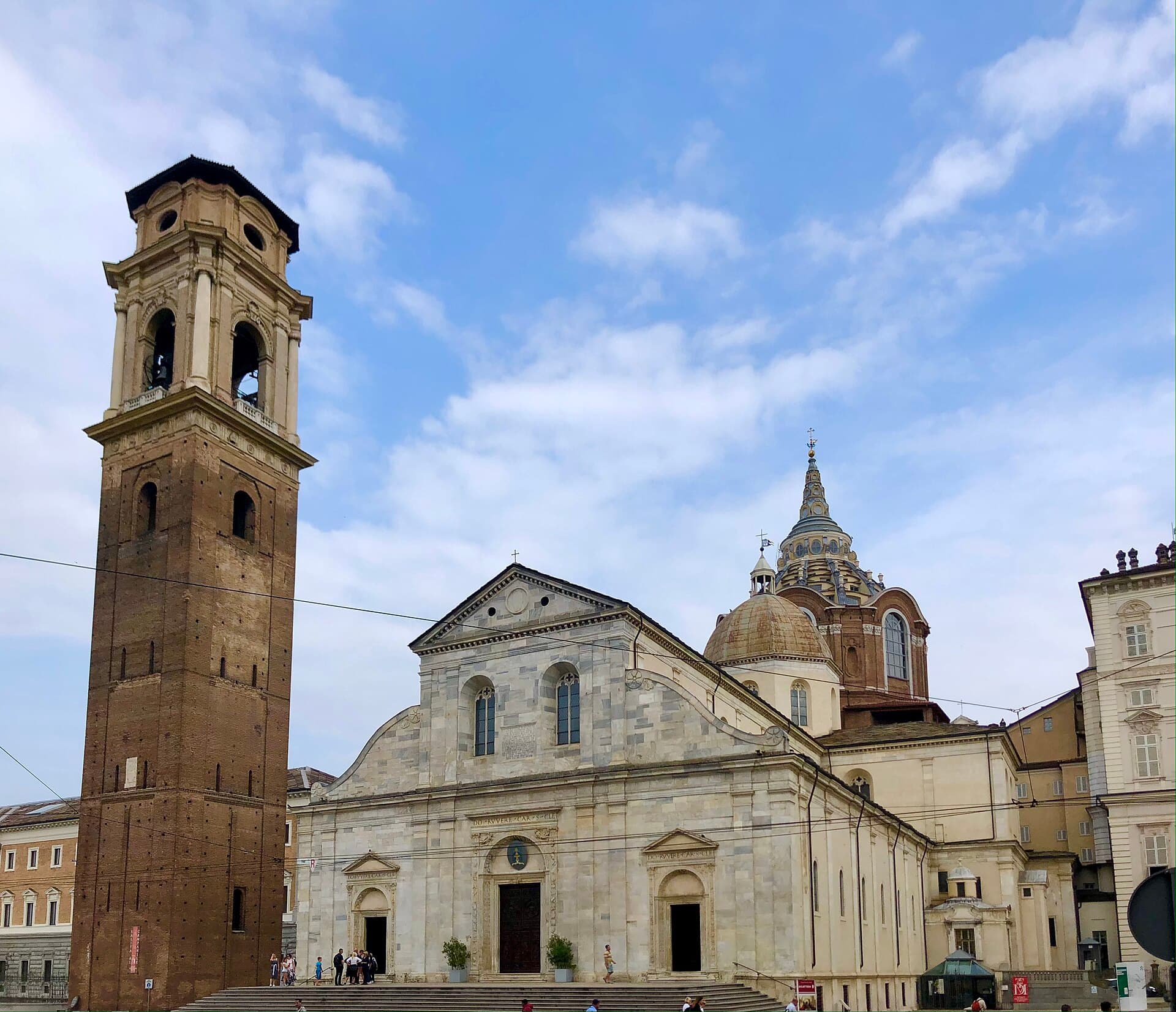 Turin CathedralTurin's cathedral is the Shroud's house and the city's one Renaissance oasis ami13 minutes walk4.5
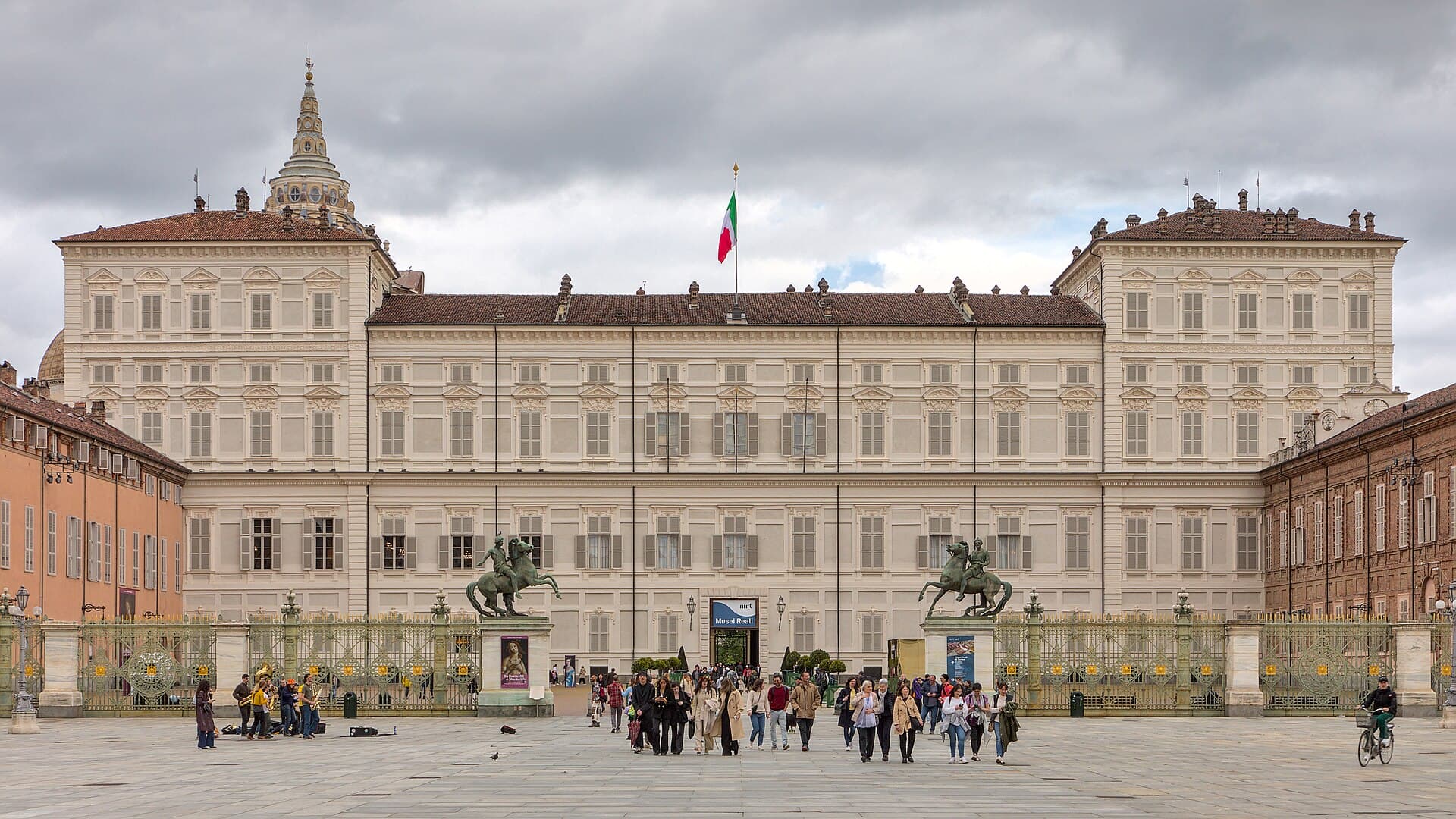 Royal Palace (Musei Reali)The Royal Palace is the house of Savoy, unifiers and kings of Italy: from here t13 minutes walk4.9
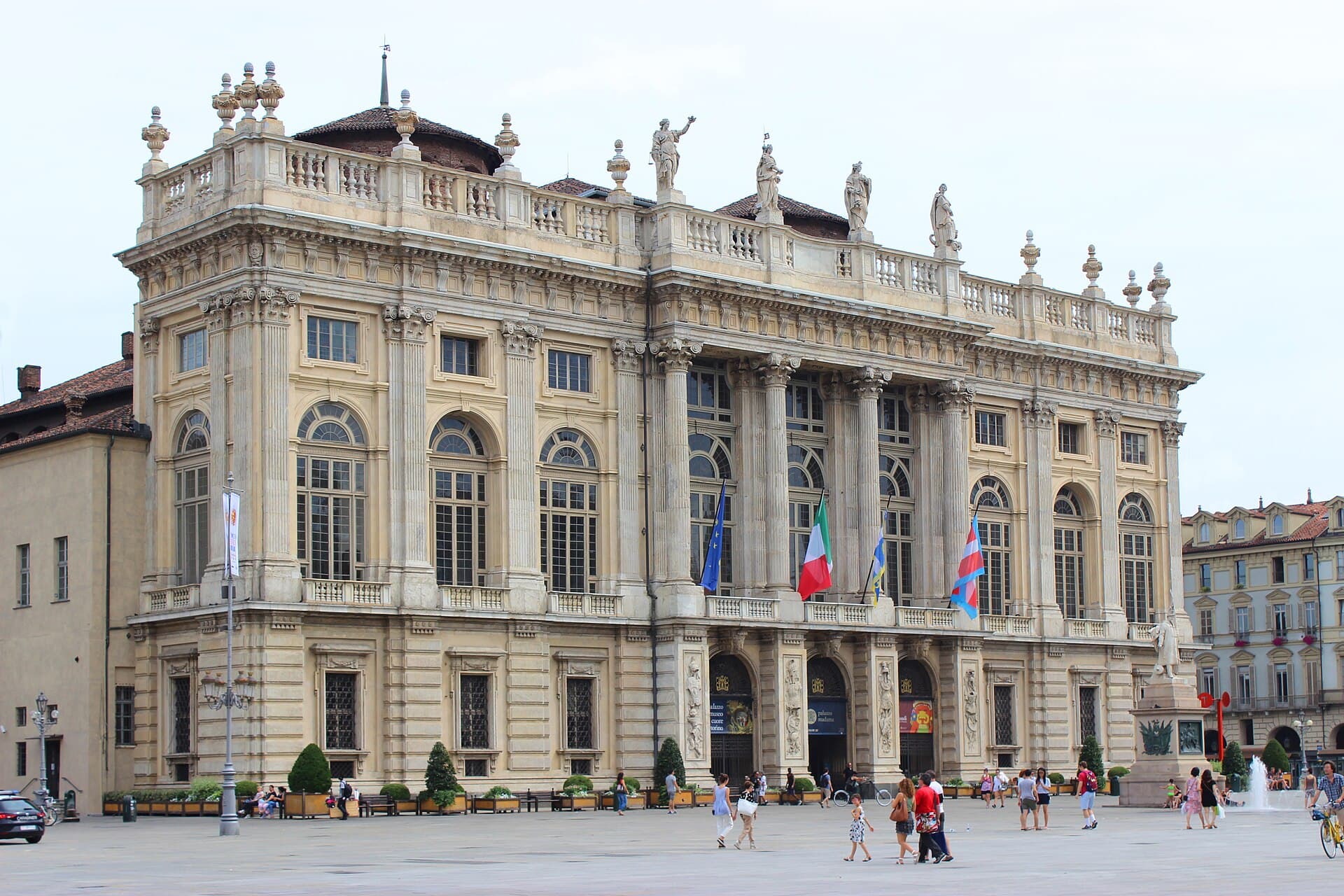 Palazzo MadamaPalazzo Madama is Turin's history in one building: its east face a genuine Roman15 minutes walk4.5
No. With one day, put the Egyptian Museum first and the Mole Antonelliana second; both are central and each is a separate ticket. Lavazza sits out in Aurora, about a 20-minute walk from Piazza Castello. Save it for a second day, or for someone who genuinely cares about coffee.
Yes — after the Egyptian Museum it is probably the most child-friendly museum in Turin: everything is interactive, under-sixes go free, and the visit is short enough not to exhaust anyone. The one catch is that the closing tasting, a paid extra booked separately, is coffee — so if you book it, ask the bar for something else for them.