
The arcaded courtyard
Two storeys of arches on marble columns — the city's most complete Spanish Renaissance.
Felivet — Public domain · 19Tarrestnom65 — CC BY-SA 4.0 · 19Tarrestnom65 — CC BY-SA 4.0 · 19Tarrestnom65 — CC BY-SA 4.0
A museum inside the Colegio del Corpus Christi in central Valencia, a sixteenth-century religious foundation that survives close to as it was built. The building is half the visit: a two-storey arcaded courtyard on marble columns and a church whose walls are covered with fresco, among the most complete Spanish Renaissance architecture left in the city. The art collection is unexpectedly strong for a foundation of this size: Spanish and Flemish painting of the sixteenth and seventeenth centuries, including important pictures that have not moved since they were acquired. What really distinguishes the visit is that this is a working institution rather than an embalmed museum: the college still performs its religious function and keeps a fixed weekly rite on Friday mornings, when a large painting inside the church is uncovered as part of a musical ceremony. Few things like it survive in Europe. Hours are limited, the visit may be by guided tour, and photography is forbidden in most sections. Check before going.
Two storeys of arches on marble columns — the city's most complete Spanish Renaissance.
A weekly ceremony uncovering a large painting with music — a rare survival in Europe.
Spanish and Flemish work still in the places it was acquired for.
Colegio del Corpus Christi, central Valencia
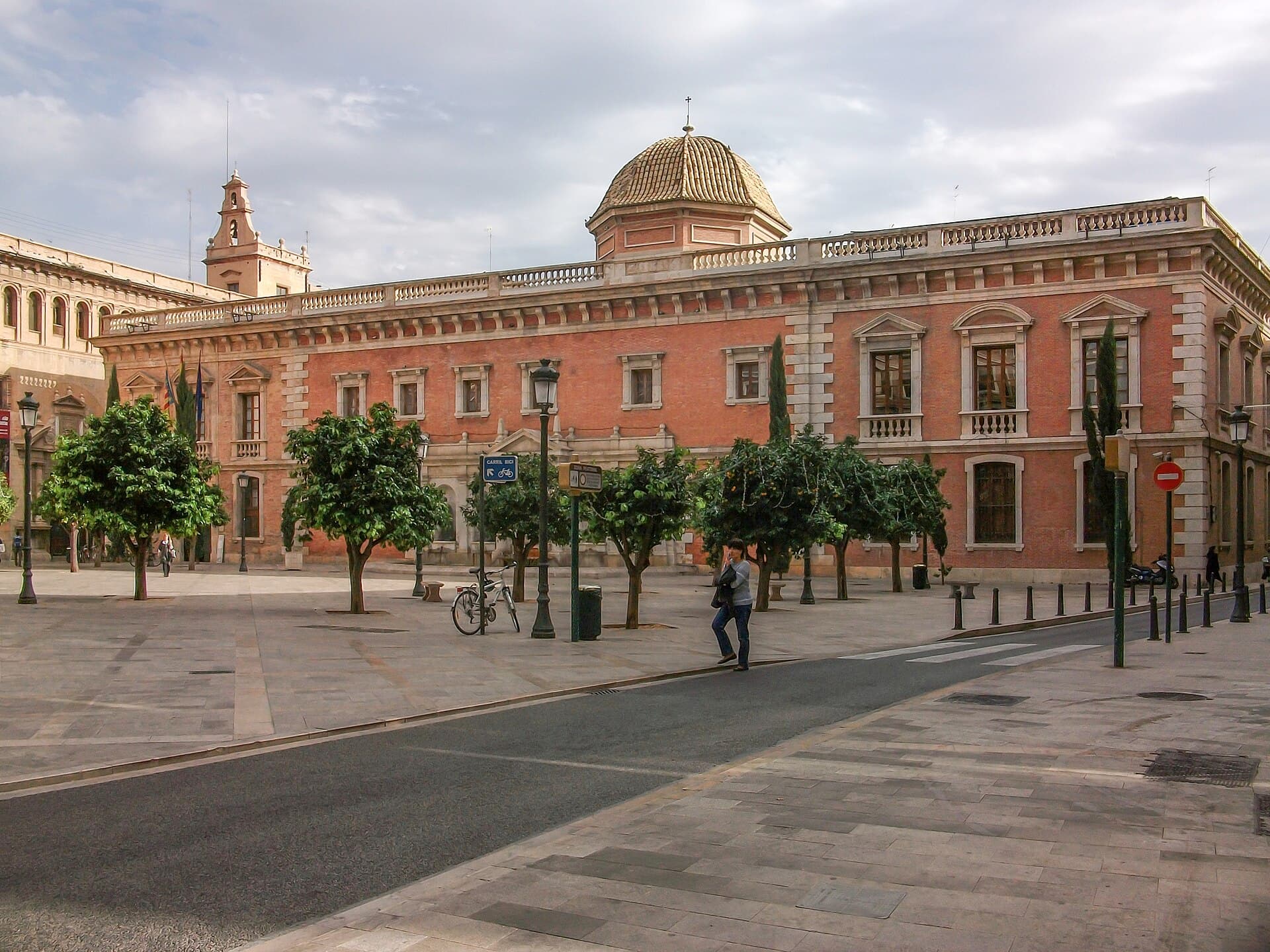 La Nau Cultural CentreThe historic building of the University of Valencia in the city centre, working 1 minute walk4.7
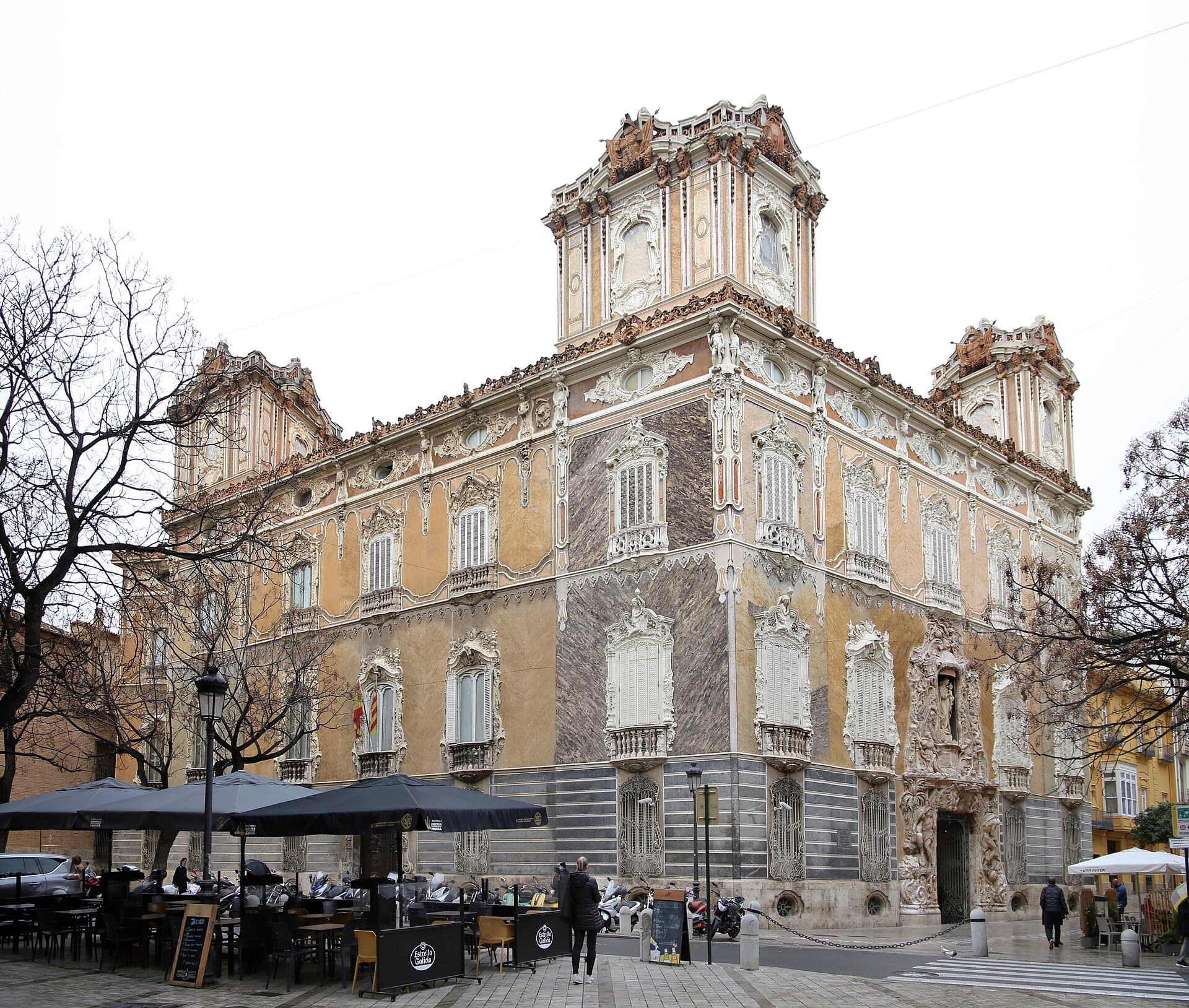 Palacio del Marqués de Dos AguasAn aristocratic palace in central Valencia holding the national museum of cerami2 minutes walk4.4
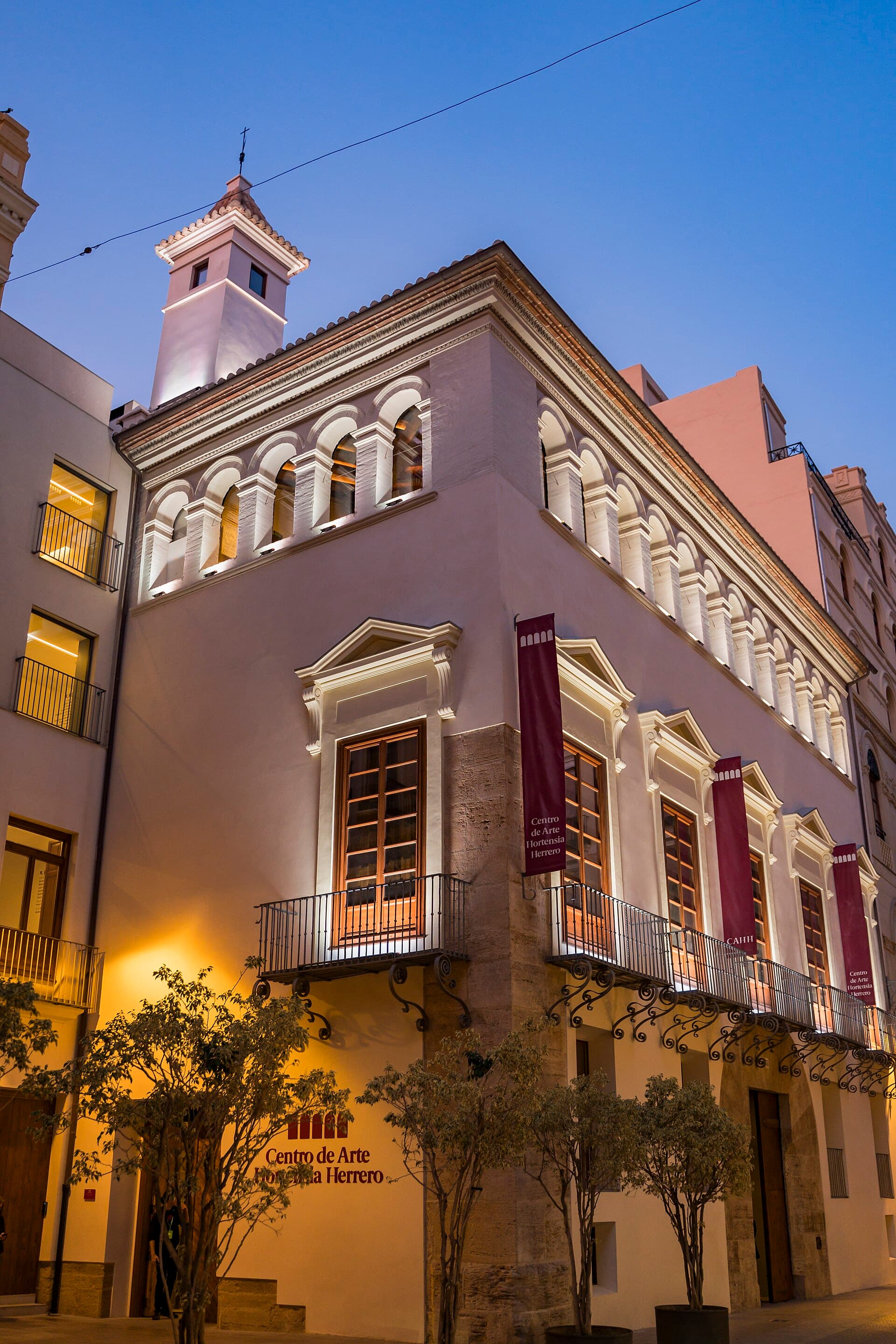 Hortensia Herrero Art CentreA contemporary art centre opened in 2023 in the Palacio Valeriola in old central2 minutes walk4.9
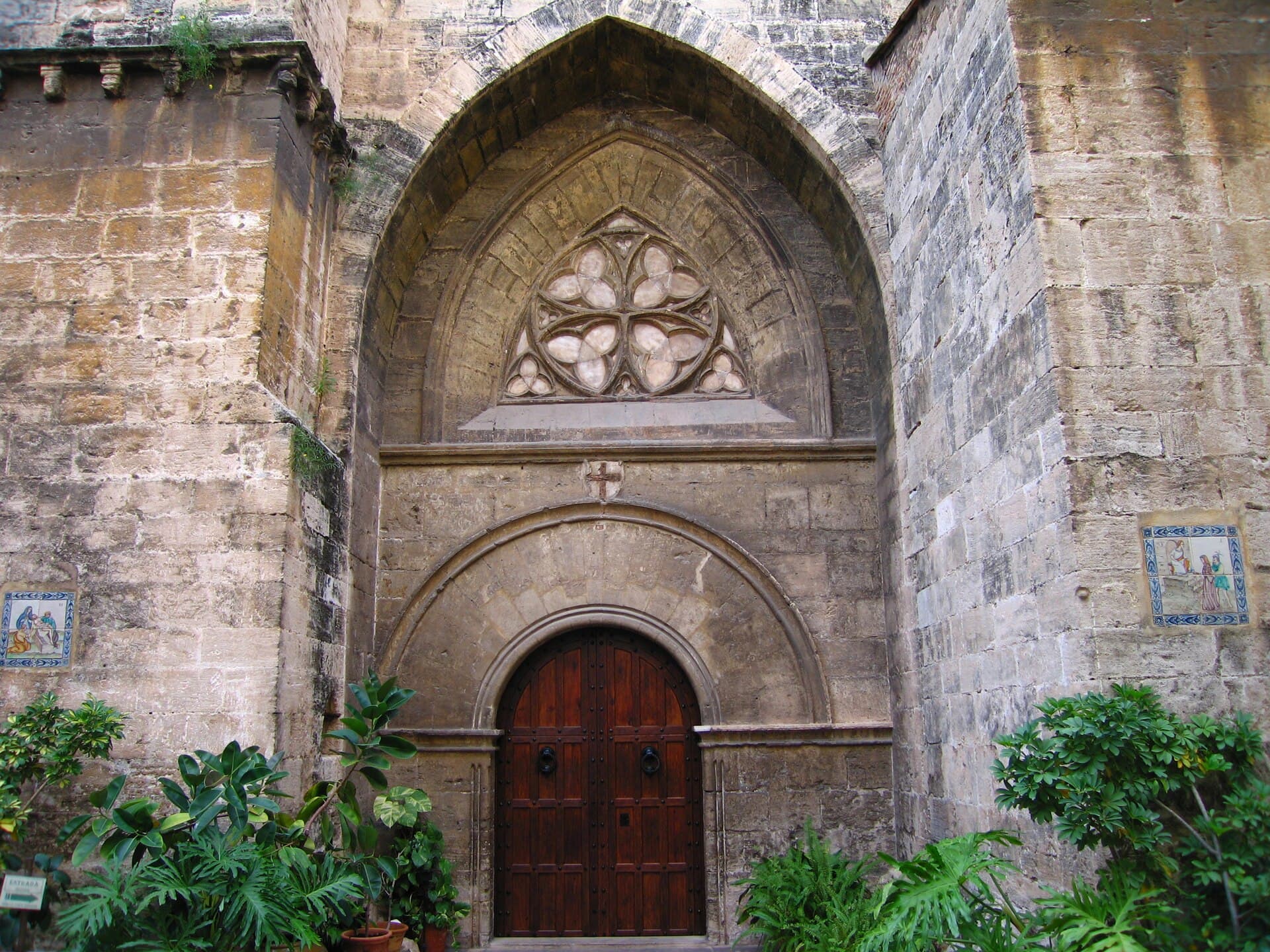 Church of San Juan del HospitalThe oldest standing church in Valencia. Its ground was granted to the Knights Ho3 minutes walk4.8
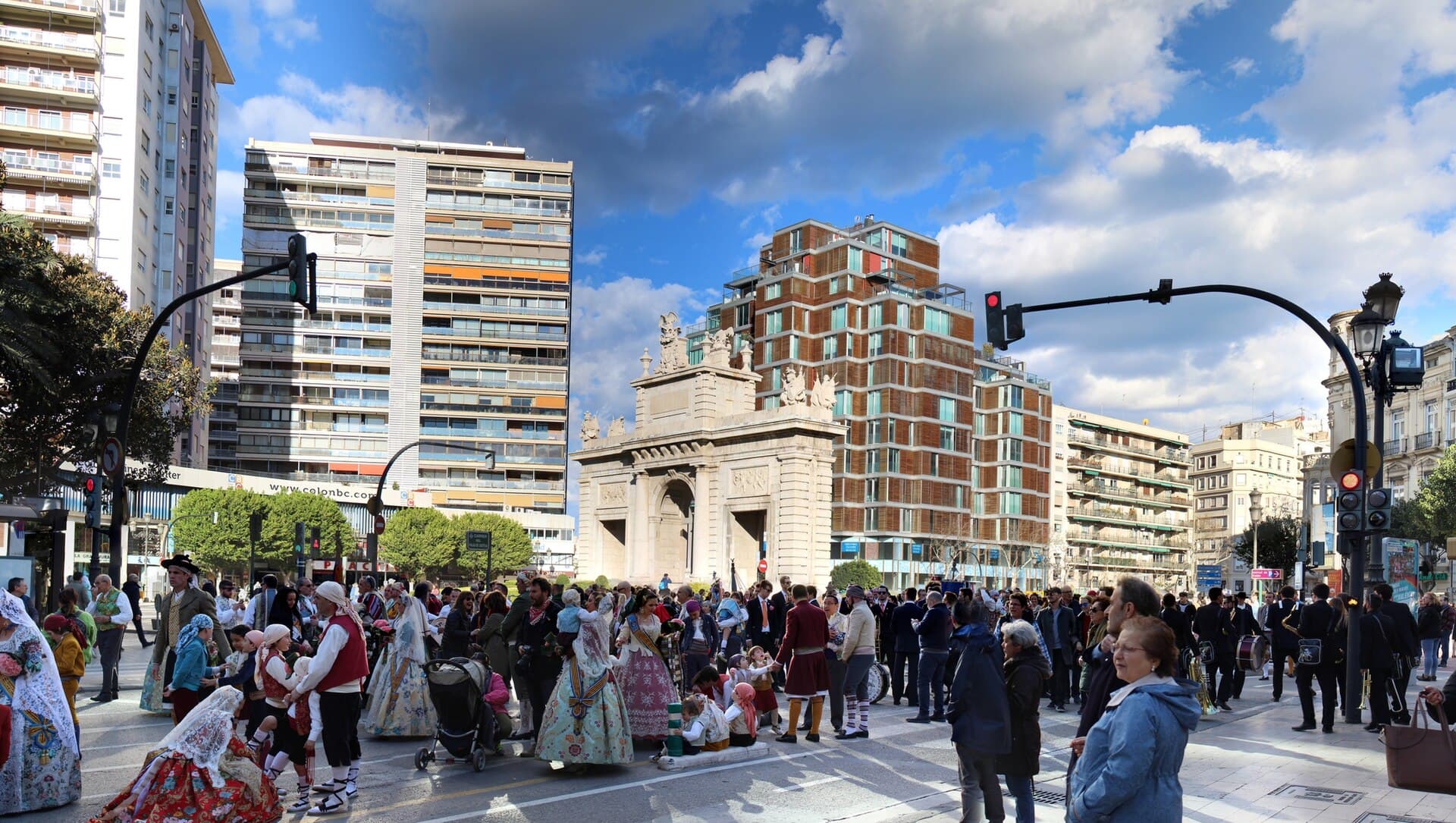 Plaza de la Puerta del MarA square in central Valencia at the southern end of the Turia gardens, holding a3 minutes walk4.6
Check the hours on the day if you can, as they are very limited, change, and the foundation may close for religious occasions. The visit may be by tour at set times, so arriving at any hour does not guarantee entry. Make it the first thing in your day rather than the last.
It is a genuine religious ceremony rather than a display for visitors, held on Friday morning inside the church. Attending is normally possible with respect for the setting: modest dress, silence and no photography. Check the time in advance, as it is fixed but does not follow ordinary visiting hours.