
Gothic left uncovered
It escaped Baroque rebuilding, so its early structure stays bare and legible.
Felivet — Public domain · 19Tarrestnom65 — CC BY-SA 4.0 · Bene Riobó — CC BY-SA 4.0 · 19Tarrestnom65 — CC BY-SA 4.0
The oldest standing church in Valencia. Its ground was granted to the Knights Hospitaller after the city was taken in 1238, as a reward for their part in it, and the church and its attached hospital were built in the following decades. What distinguishes it is that it escaped the waves of Baroque rebuilding that changed most Valencian churches. Its early Gothic structure stays legible: a single plain nave, pointed arches and bare stone, without the decorative skin you see at San Nicolás. In the outer courtyard is an old burial ground with gravestones, and beneath the church are Roman and Visigothic remains uncovered in excavation and shown in open sections. That makes the site layers of the city's history stacked in a small space. Entry is free and the visit short. It stands in the old centre within walking distance of the Plaza de la Reina and the cathedral.
It escaped Baroque rebuilding, so its early structure stays bare and legible.
Roman and Visigothic remains uncovered in excavation and shown in open sections.
Old gravestones in the outer yard, part of the site rather than an addition to it.
Calle Trinquete de Caballeros, old central Valencia
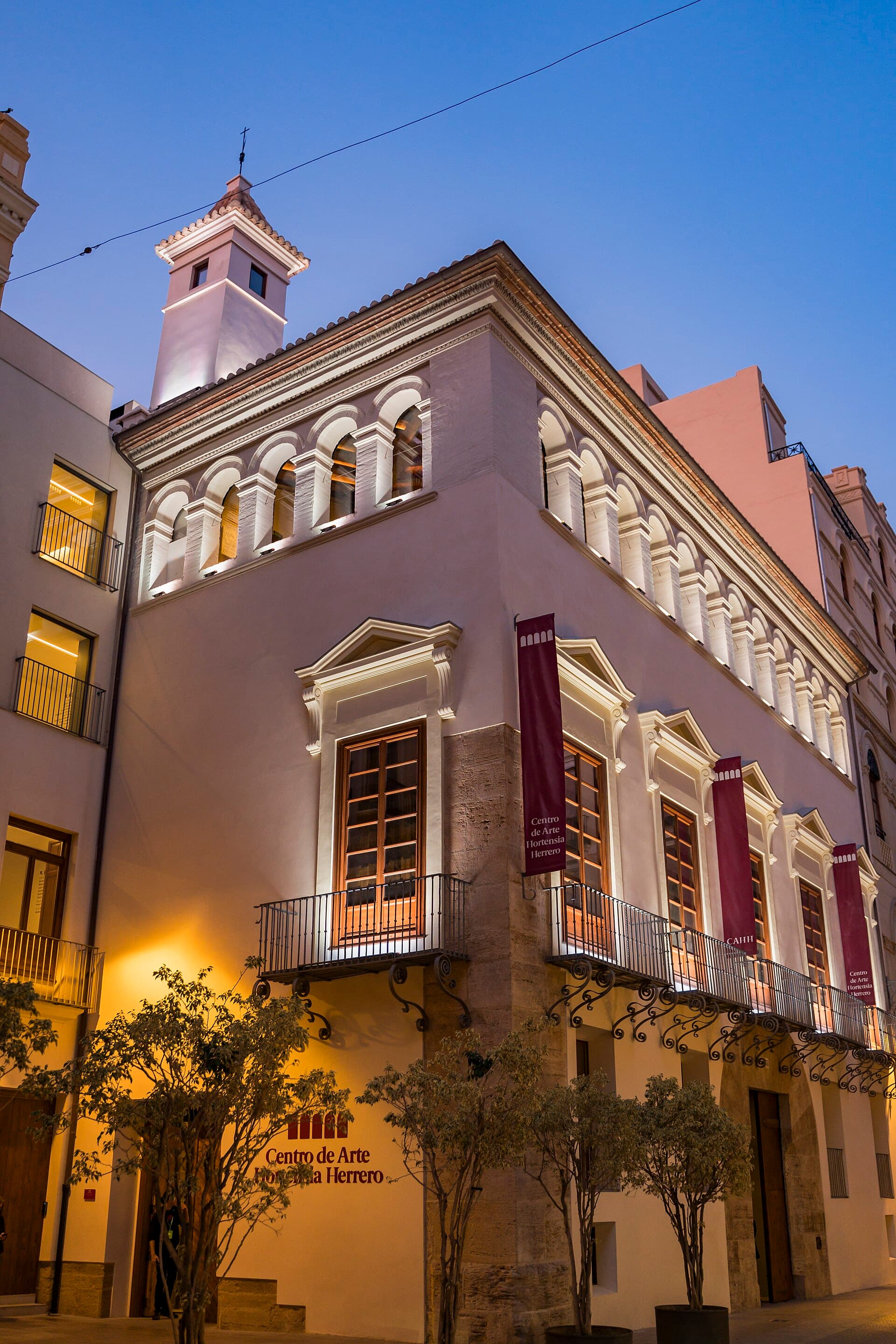 Hortensia Herrero Art CentreA contemporary art centre opened in 2023 in the Palacio Valeriola in old central1 minute walk4.9
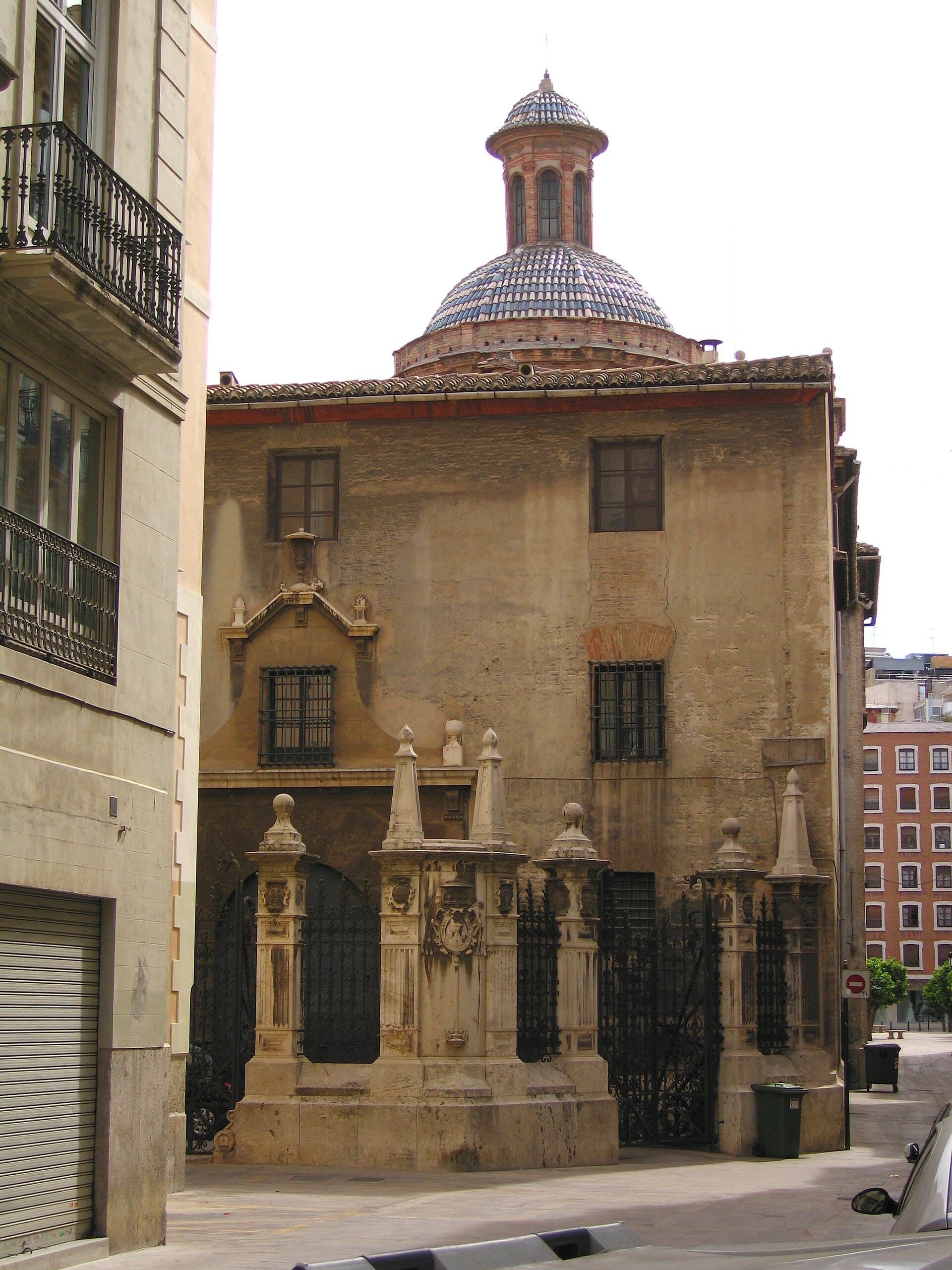 Museo del PatriarcaA museum inside the Colegio del Corpus Christi in central Valencia, a sixteenth-3 minutes walk4.5
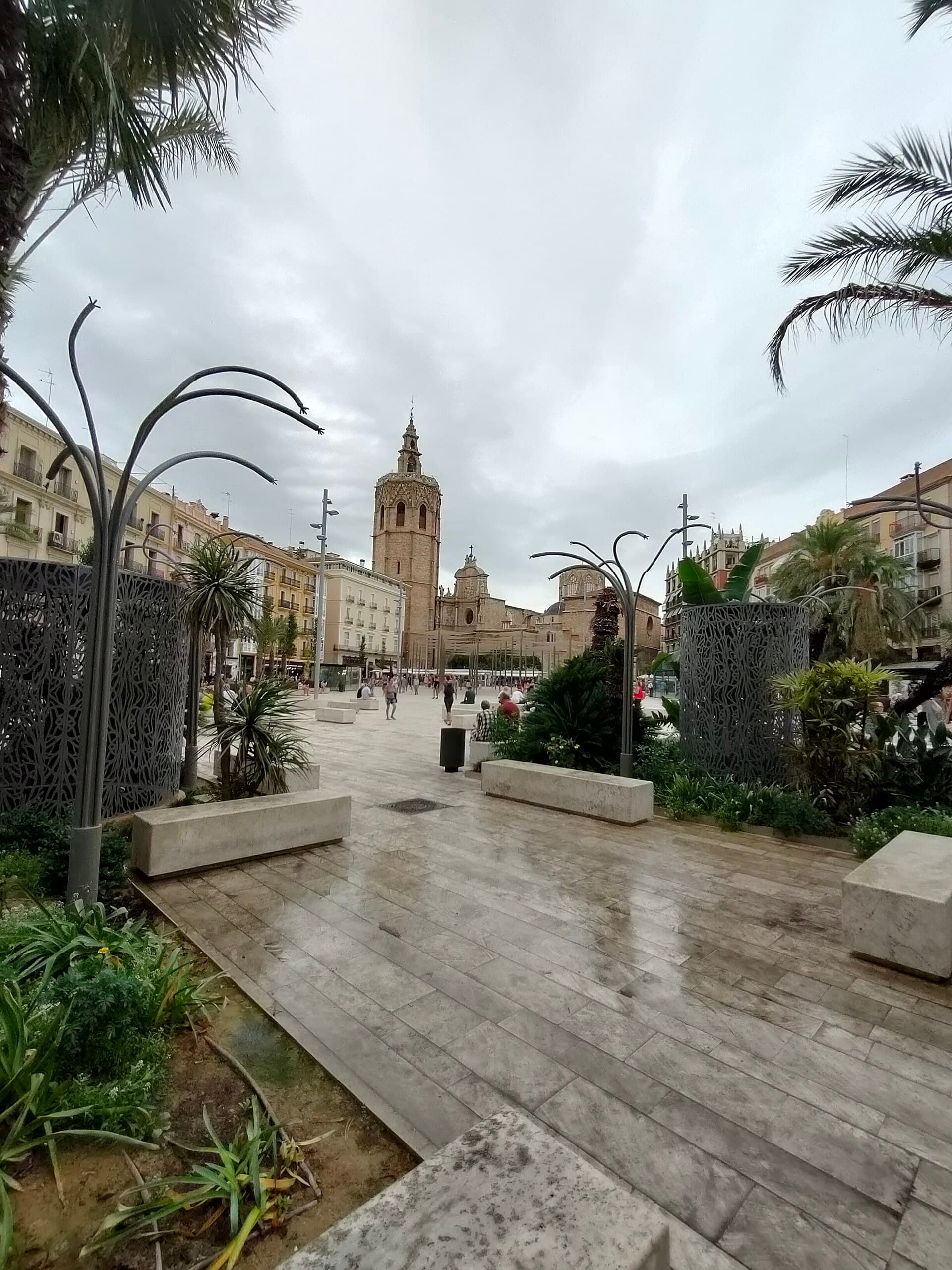 Plaza de la ReinaThe main square in front of Valencia cathedral in the heart of the old city, and3 minutes walk4.8
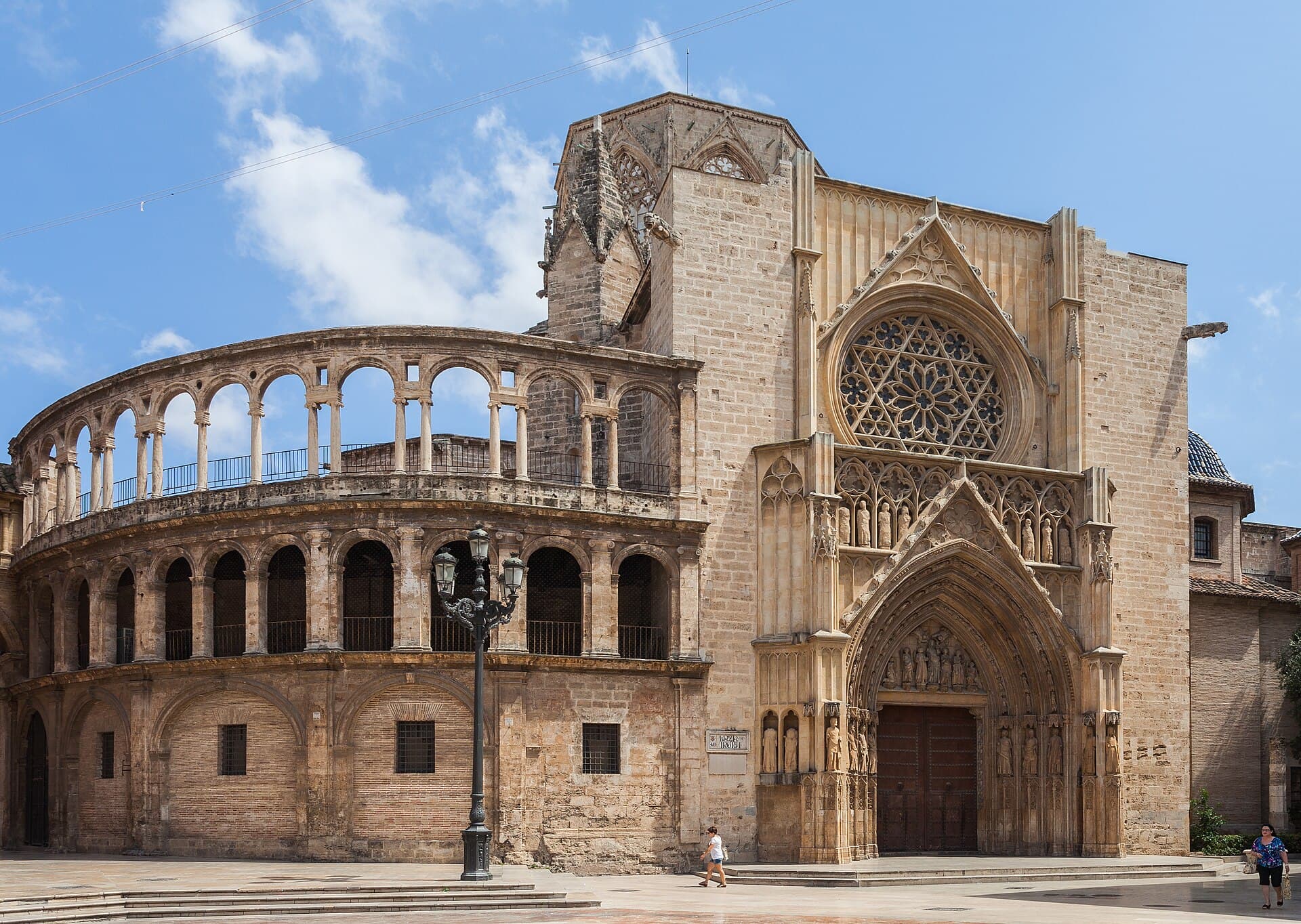 Valencia Cathedral & the MicaletValencia's cathedral rose over the great mosque after 1238 and gathered all the 3 minutes walk4.5
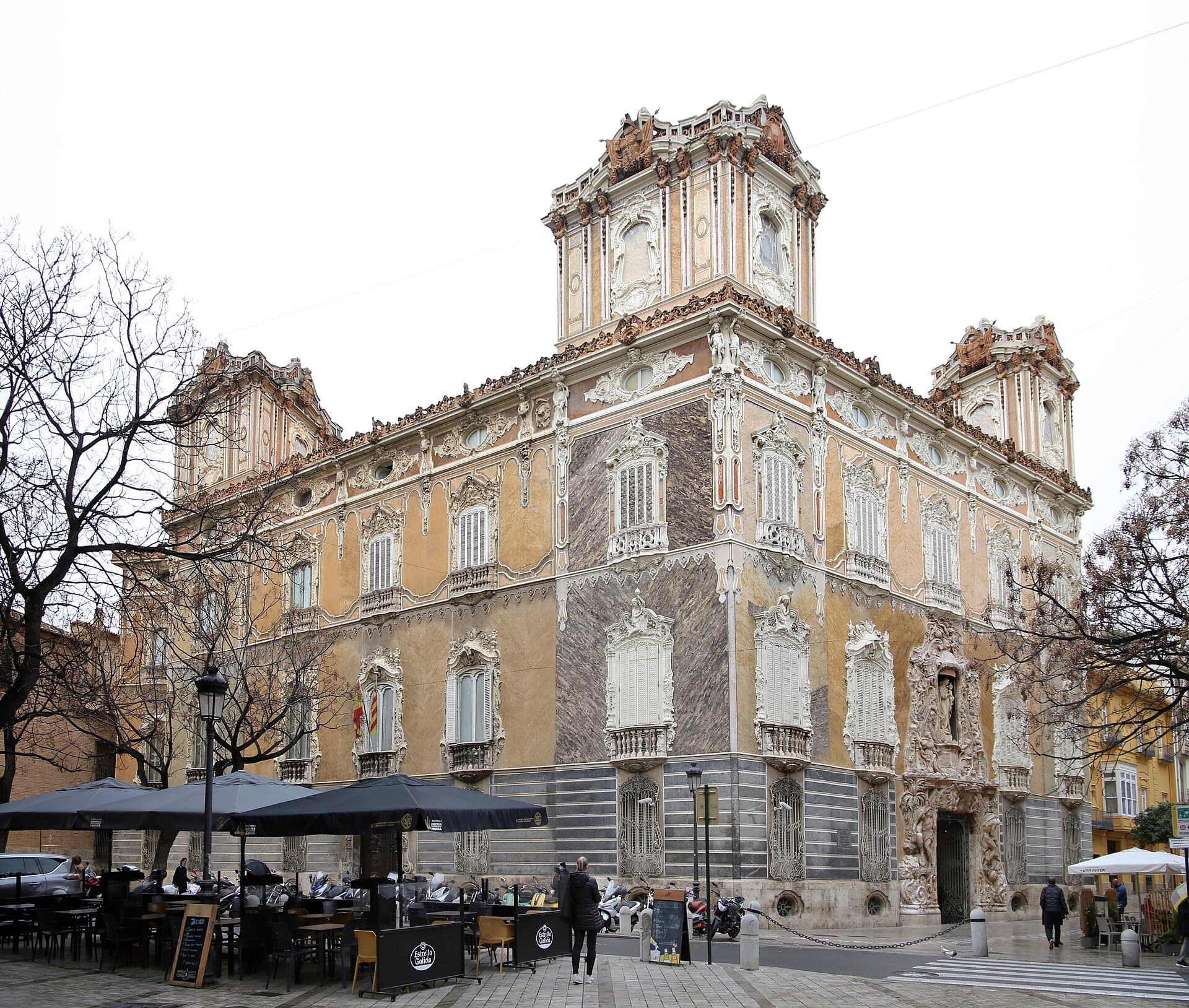 Palacio del Marqués de Dos AguasAn aristocratic palace in central Valencia holding the national museum of cerami3 minutes walk4.4
They are complete opposites, which is the reason to see both. San Nicolás is Gothic wrapped in a full Baroque skin of fresco; this is Gothic left bare and undecorated. The first is ticketed and this is free, and both are within a short walk of the old centre.
A military religious order founded in Jerusalem in the eleventh century to care for sick pilgrims, which later became a fighting force. It took part in the reconquest campaigns in the peninsula and received lands and privileges in the captured cities in return, this ground in Valencia among them.