
Outsider art
Works made by asylum residents, one of the more important such collections in Europe.
Tehkni — CC BY-SA 4.0 · Paul Hermans — CC BY-SA 3.0 · Trougnouf (Benoit Brummer) — CC BY 4.0 · Romaine — CC0
A museum on the history of psychiatry, in a hospital building raised in 1857 as Belgium's first modern psychiatric institution. Part of the complex still functions as a care facility, so the museum sits inside a living institution rather than an abandoned building. It carries the name of Joseph Guislain, the physician who pushed for the mentally ill to be treated as sick people rather than as criminals or the possessed. The displays include the restraint devices used before his reforms, a difficult confrontation but a deliberate one. Alongside the medical history the museum shows outsider art: works made by asylum residents, and one of the more important such collections in Europe. Temporary exhibitions take up themes like stigma, difference and the boundary between normality and illness. This is not a light museum. The subject is heavy and the presentation does not soften it. But it is among the most thought-provoking museums in Belgium, and it sits outside the centre so it needs a tram or a bus.
Works made by asylum residents, one of the more important such collections in Europe.
Shown deliberately to make clear what Guislain changed in the treatment of patients.
Part of the building is still a working care facility, not an abandoned shell.
North-west Ghent, outside the historic centre
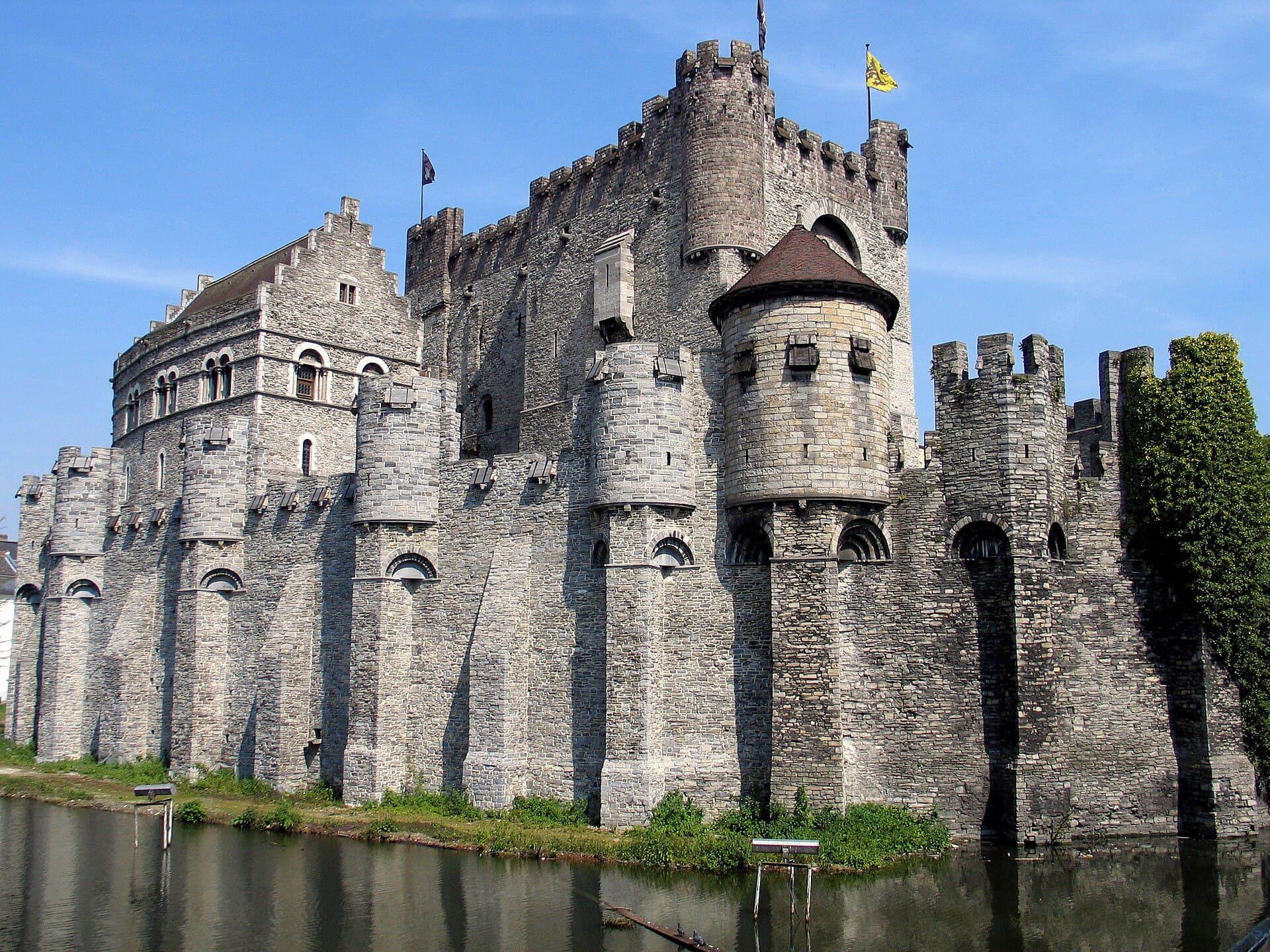 Gravensteen (Castle of the Counts)The Gravensteen — Castle of the Counts — is a real moated medieval castle in the20 minutes walk4.5
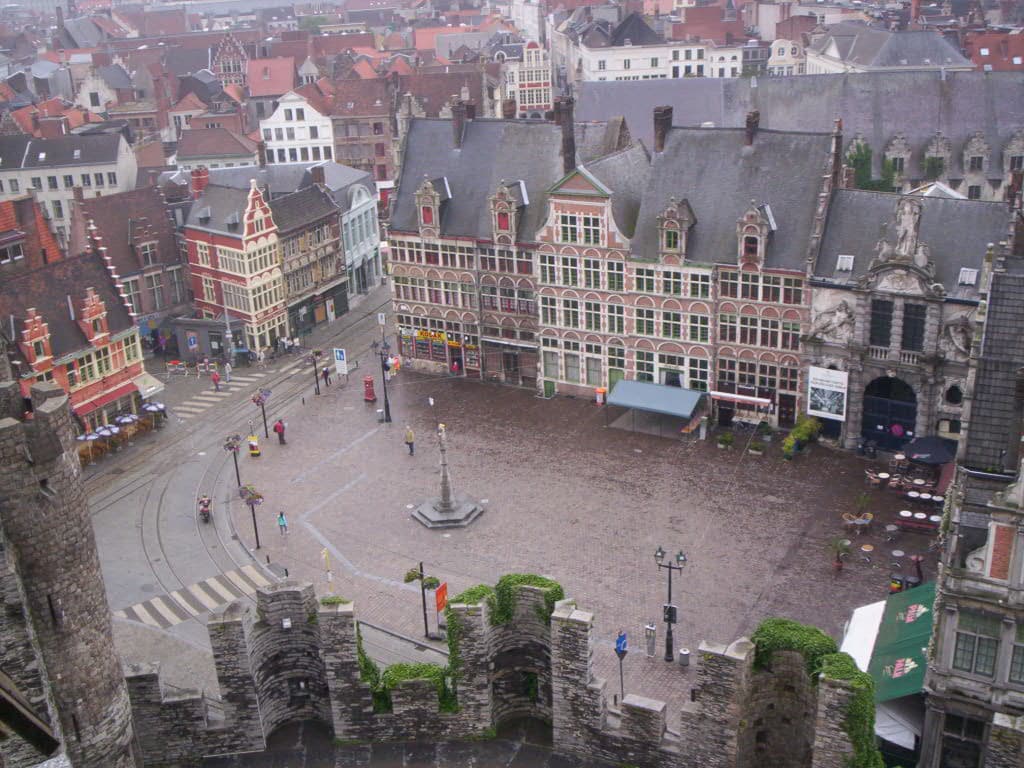 Sint-VeerlepleinA small square directly in front of the Gravensteen castle, among Ghent's oldest21 minutes walk4.6
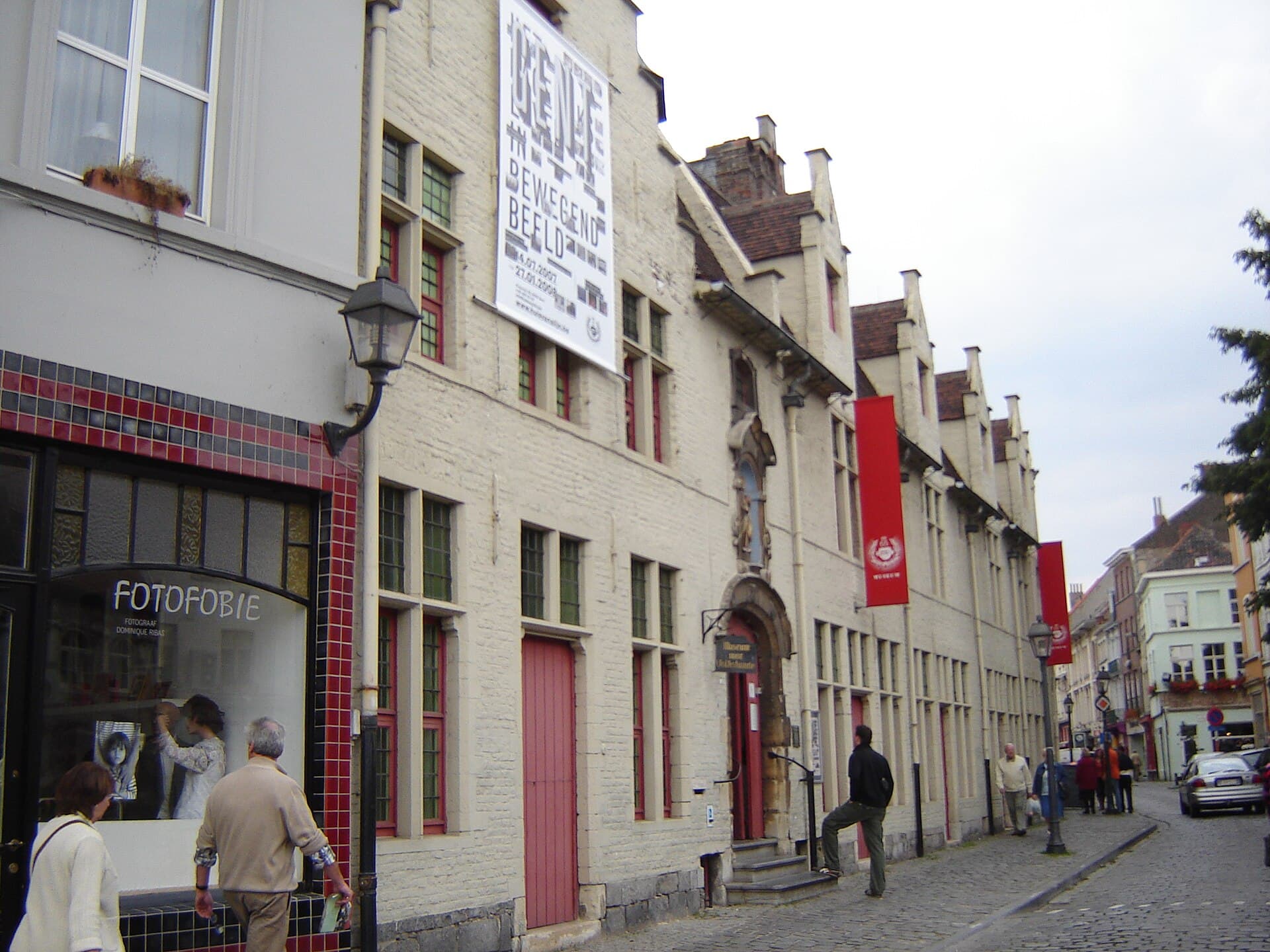 Huis van AlijnGhent's museum of everyday life, in a group of fourteenth-century almshouses bui22 minutes walk4.4
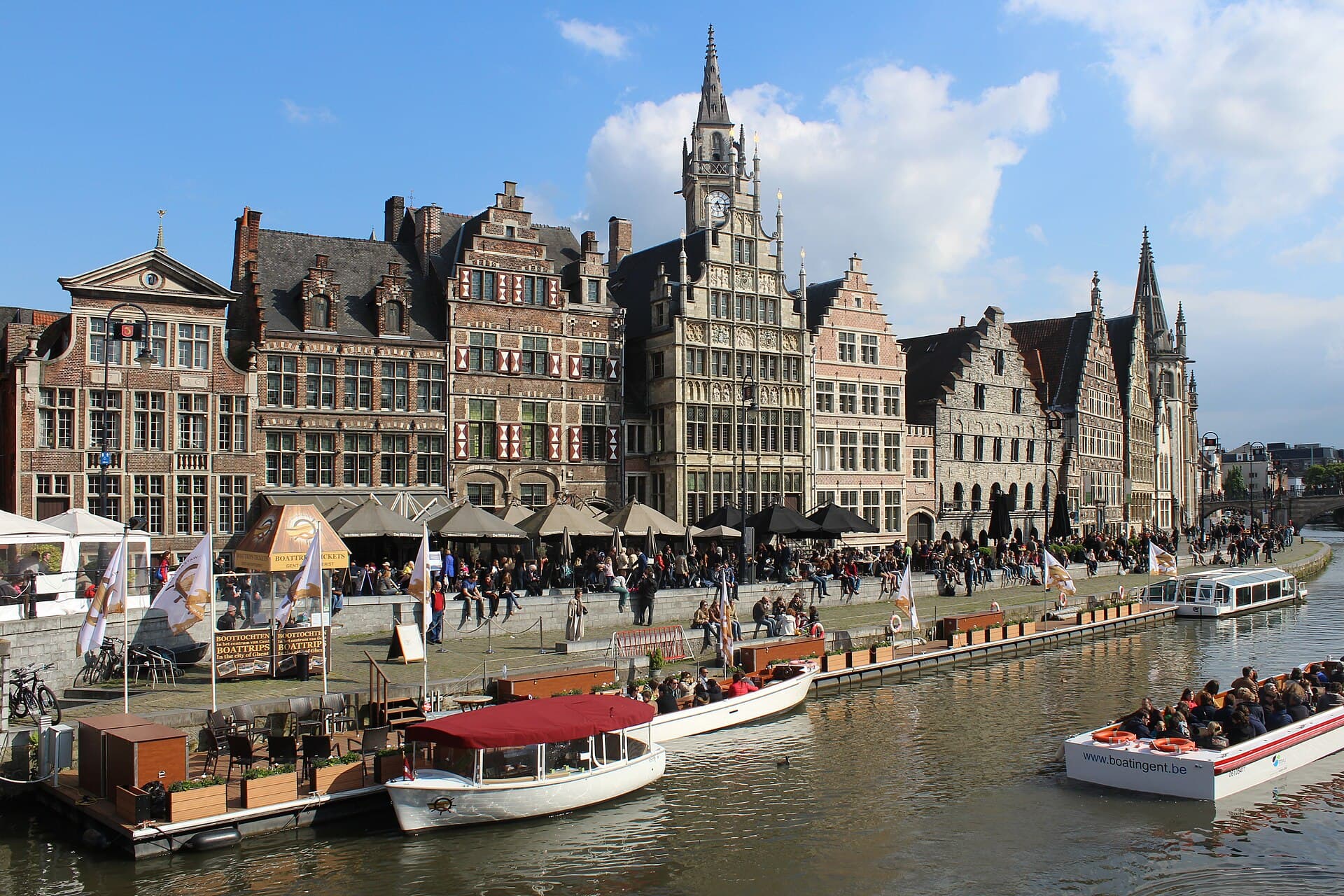 Graslei and Korenlei (Old Quays)The Graslei and Korenlei are Ghent's old harbour quays on the facing banks of th22 minutes walk4.9
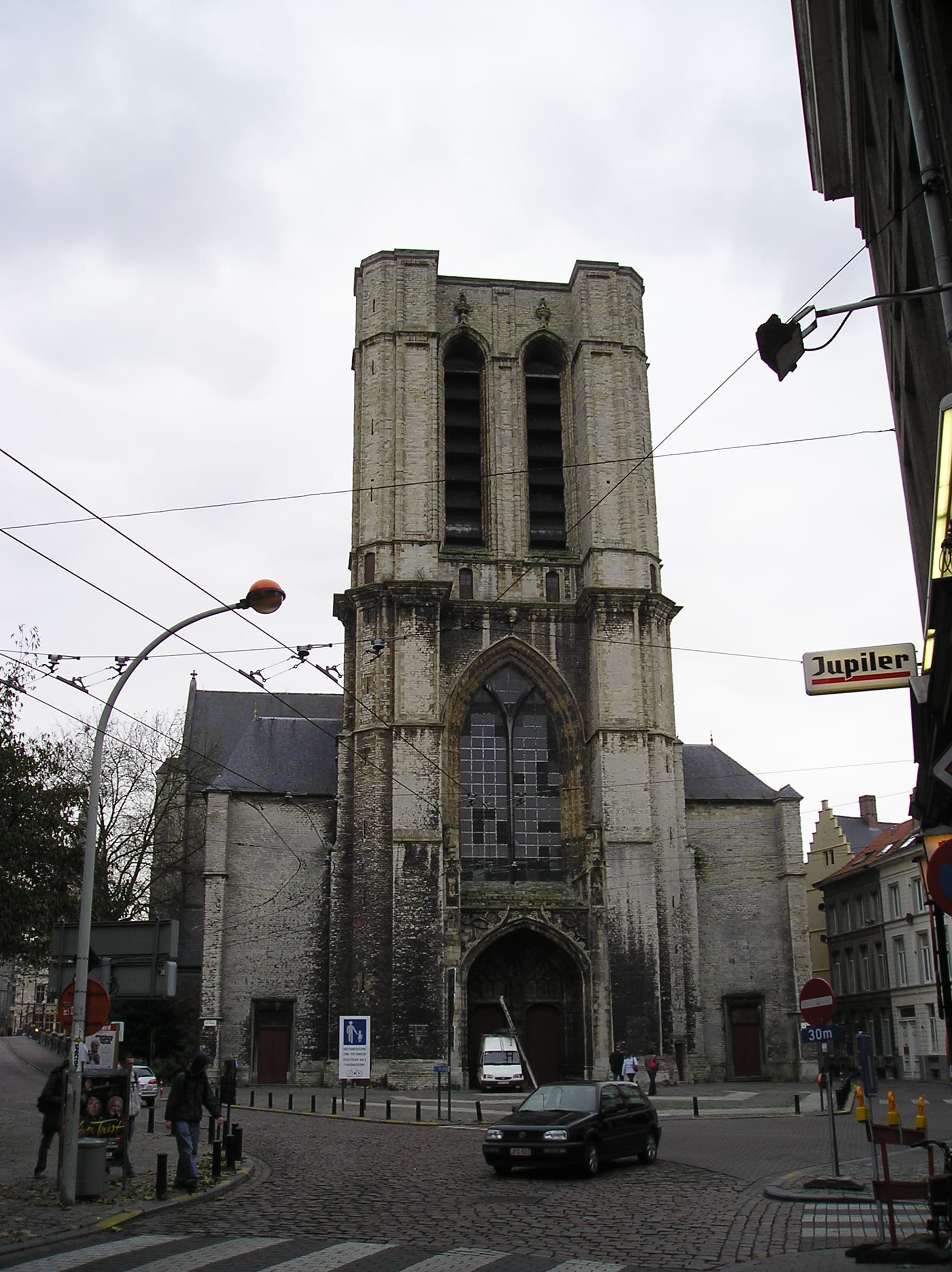 St Michael's ChurchSt Michael's Church is the late-Gothic church at the end of St Michael's Bridge 23 minutes walk4.7
It can be. The museum does not soften its subject: historical restraint devices are displayed, and the exhibitions address stigma and suffering directly. Anyone who finds these themes personally taxing should weigh that. In its favour, the treatment is respectful and does not sensationalise.
Outside the historic centre to the north-west, reached by tram or bus from the centre in about fifteen minutes. Walking is possible but long. Treat it as a standalone visit rather than a quick addition, since the collection deserves at least ninety minutes.