
The Brachiosaurus
In a hall designed around its height.
Jörg Zägel — CC BY-SA 3.0 · Eran Wolff, Museum für Naturkunde Berlin — CC BY-SA 4.0 · Eran Wolff, Museum für Naturkunde Berlin — CC BY-SA 4.0 · Eran Wolff, Museum für Naturkunde Berlin — CC BY-SA 4.0
Berlin's natural history museum holds over thirty million specimens, but most visitors come for one: a Brachiosaurus skeleton thirteen metres tall, the tallest mounted dinosaur skeleton in the world — excavated by German expeditions in Tanzania in the early twentieth century and standing today in a central hall designed around its height. The same hall holds the Berlin Archaeopteryx: the most famous fossil of a primitive bird anywhere and the most complete known example, the single most important physical evidence for the transition from reptiles to birds. It is a small piece, about the size of a palm, and among the most scientifically valuable fossils on earth. The rest of the museum covers minerals and meteorites, and an enormous collection of specimens preserved in alcohol displayed behind glass in the wet collection — a strange sight of thousands of illuminated jars. The museum is large without being exhausting, and it is one of Berlin's best options with children.
In a hall designed around its height.
Thousands of illuminated jars behind glass.
Invalidenstrasse 43, 10115 Berlin
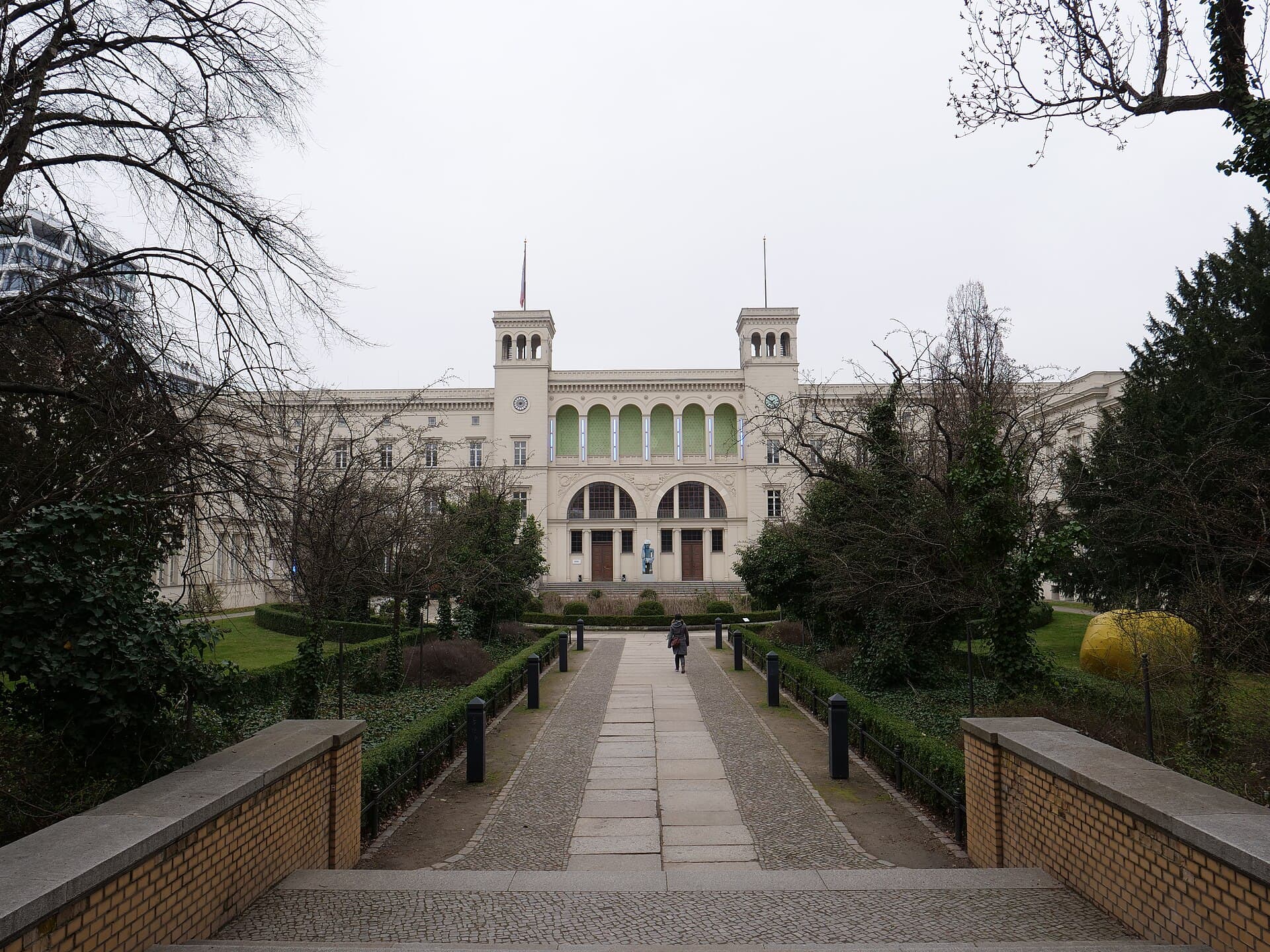 Hamburger Bahnhof — Museum of Contemporary ArtA nineteenth-century railway terminus turned into Berlin's leading contemporary 7 minutes walk4.2
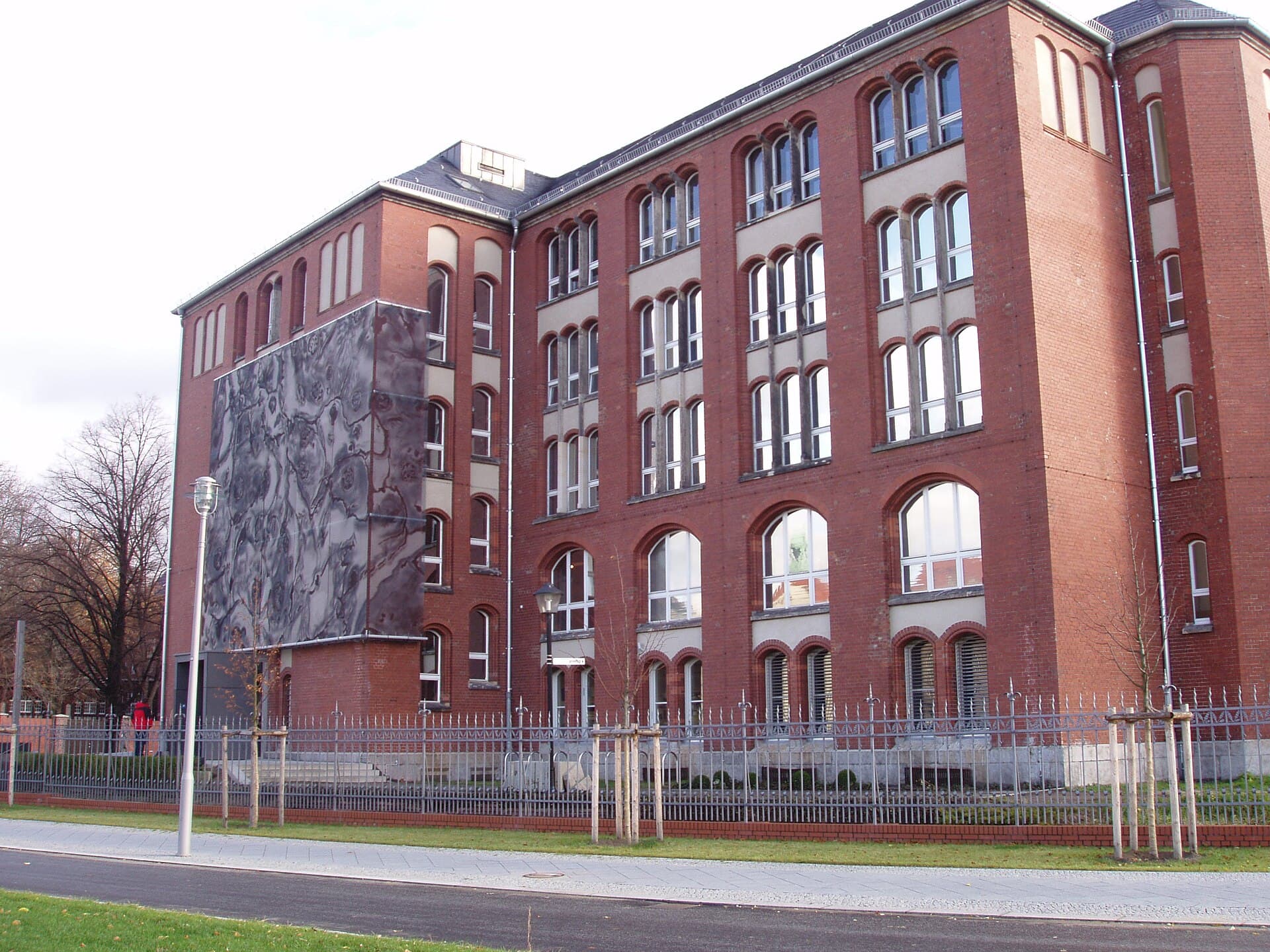 Berlin Museum of Medical HistoryThe Museum of Medical History at the Charité hospital is built on a collection a9 minutes walk4.7
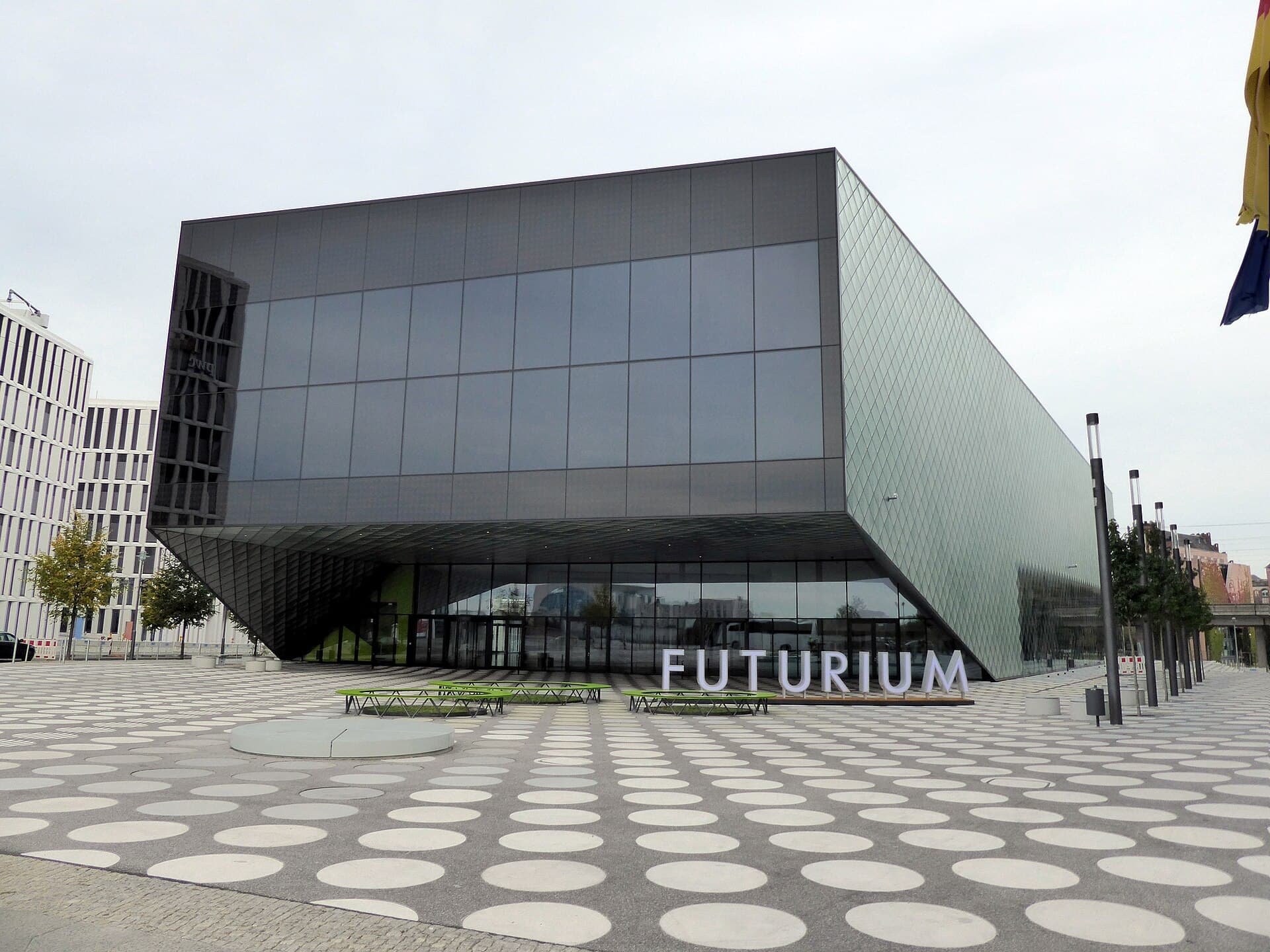 Futurium — House of FuturesThe Futurium is a museum of a single question: how do we want to live? No antiqu10 minutes walk4.5
 The Boros CollectionThe Boros Collection is contemporary art shown inside a Second World War concret10 minutes walk4.5
 Fotografiska BerlinFotografiska Berlin is the German branch of the Swedish contemporary photography10 minutes walk4.5
Because it combines reptile and bird features in one animal: teeth, claws and a long bony tail on one hand, clearly impressed feathers in the stone on the other. It was found just two years after Darwin published On the Origin of Species, arriving as physical evidence at a decisive moment — and the Berlin specimen is the most complete of roughly a dozen known.