
The camping tent
The majority's holiday when travel was restricted.
Vivianalis — CC BY-SA 4.0 · Roller Coaster Philosophy — CC BY 2.0 · Roller Coaster Philosophy — CC BY 2.0 · Roller Coaster Philosophy — CC BY 2.0
This museum answers a question the Wall and Stasi museums do not: what was ordinary daily life in East Germany actually like? Not high politics or security services, but what people ate, wore, bought and did on holiday. The exhibits come out of people's homes: a Trabant car made of reinforced plastic that took more than ten years on a waiting list to obtain, along with furniture, appliances, clothing, children's toys and tinned food in original packaging. There is also a fully equipped camping tent — because travel was restricted, so camping inside the country became the majority's holiday. The museum falls neither into Ostalgie nostalgia nor into blanket condemnation: it presents the tension between the ordinary life people genuinely lived and the constraints surrounding it. Entry is free, and it sits inside the Kulturbrauerei — a nineteenth-century brewery whose brick buildings were converted into a cultural complex.
The majority's holiday when travel was restricted.
Furniture, clothing, toys and tins in original packaging.
Knaackstrasse 97, 10435 Berlin
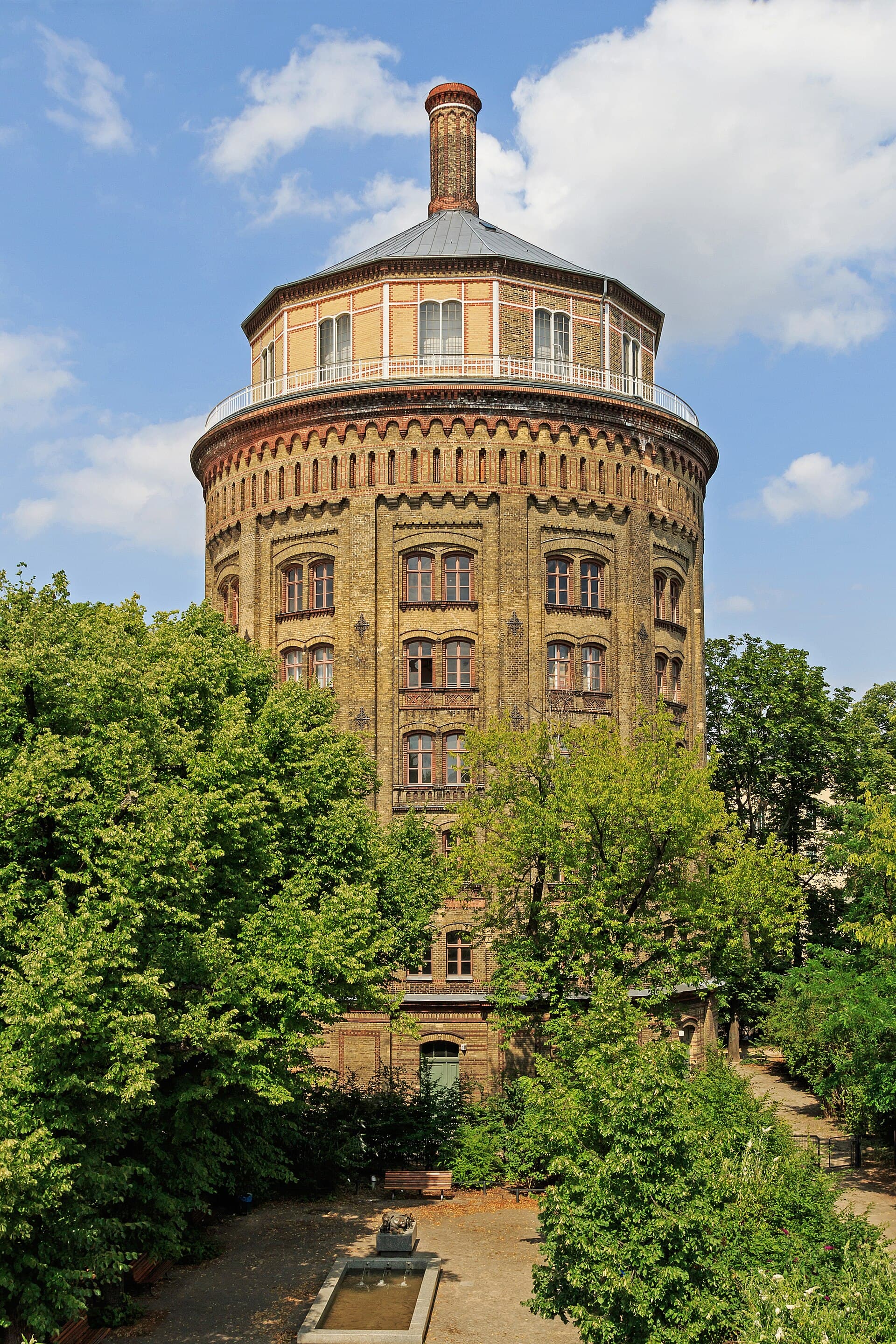 Prenzlauer Berg Water TowerThe Prenzlauer Berg water tower is Berlin's oldest, built in 1877 of red brick o9 minutes walk4.4
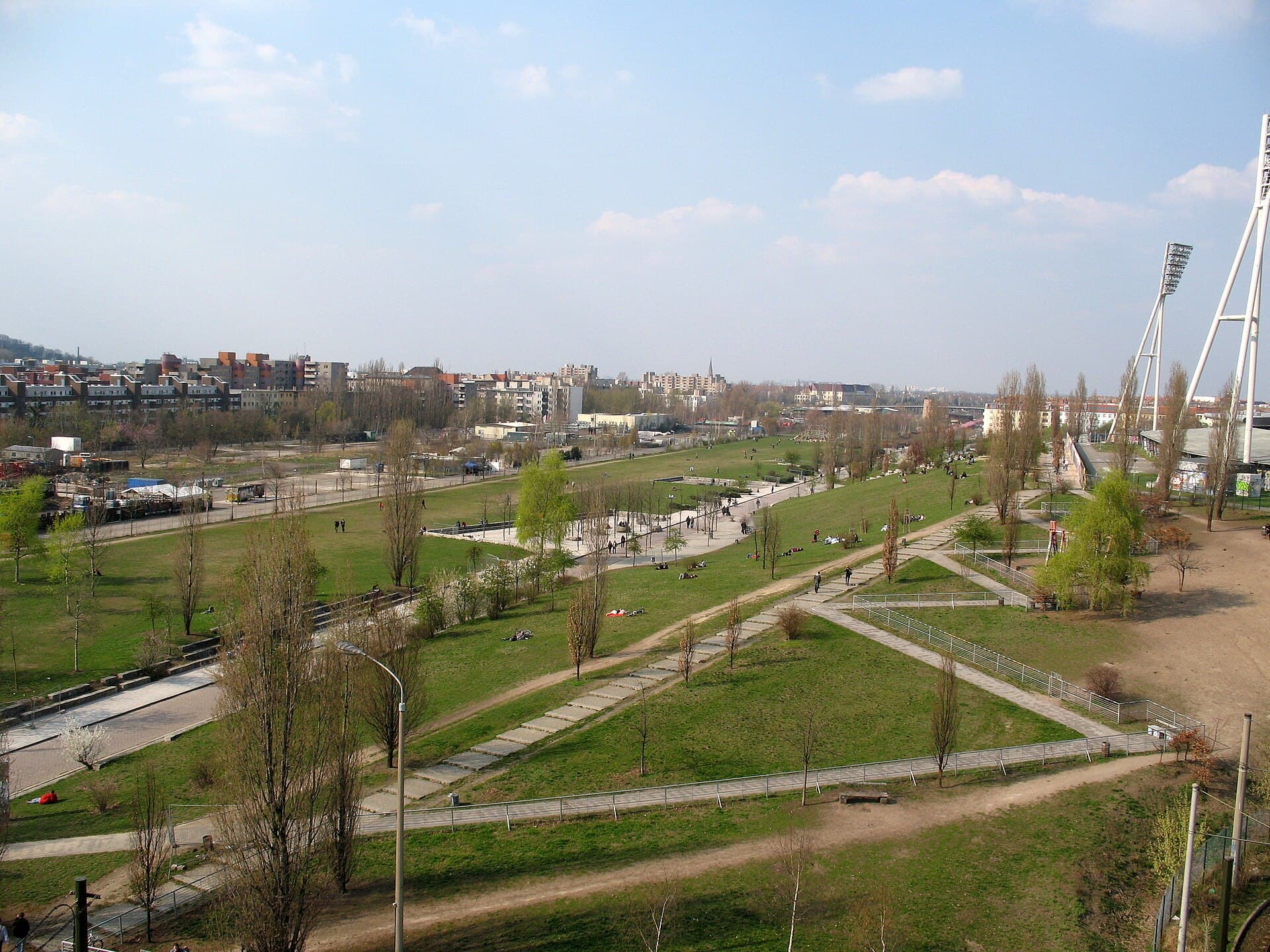 MauerparkMauerpark — literally the wall park — sits on what was the death strip: the guar10 minutes walk4.6
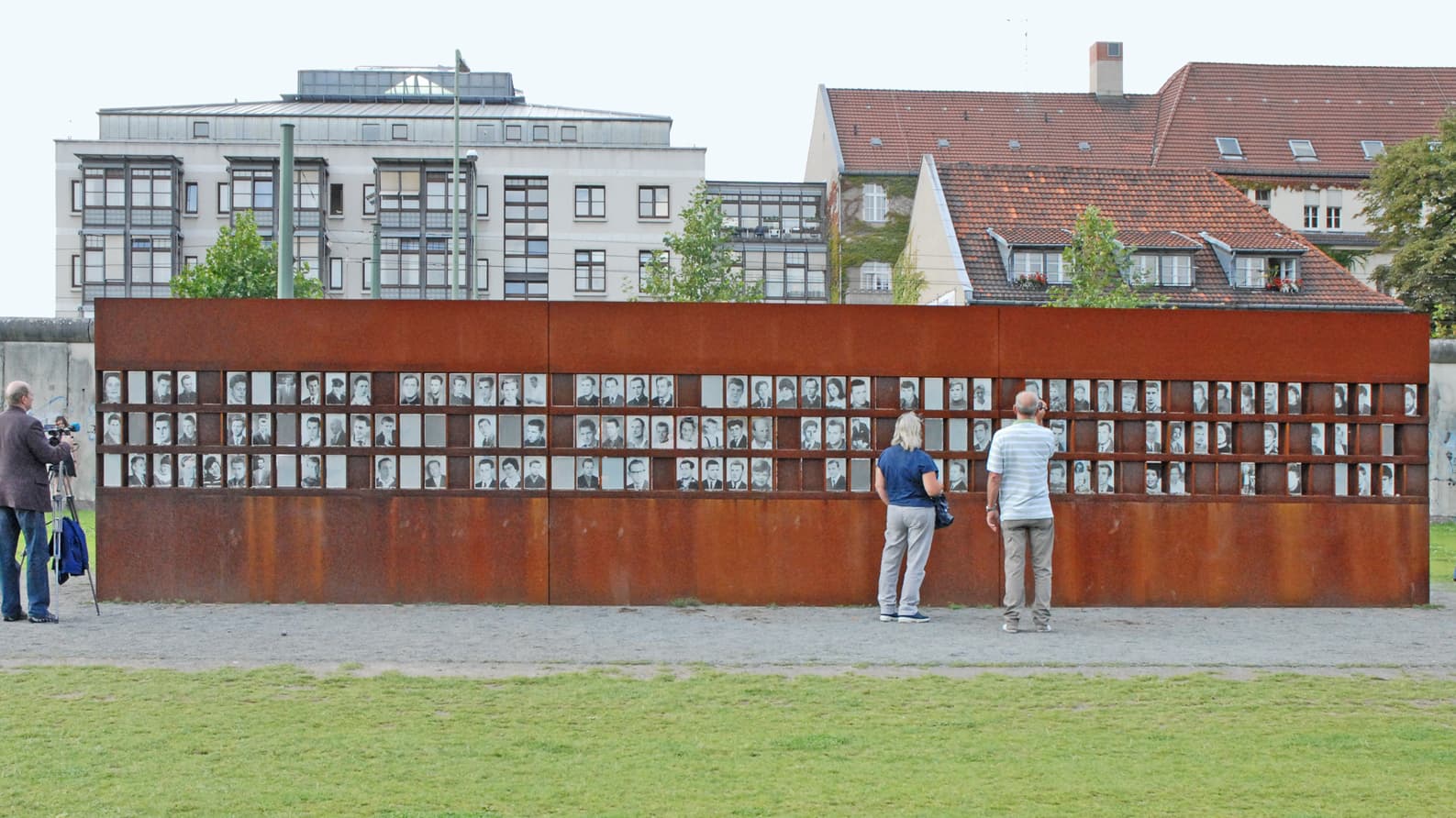 Berlin Wall MemorialThis is the best place in Berlin to understand what the Wall was really like. It22 minutes walk4.7
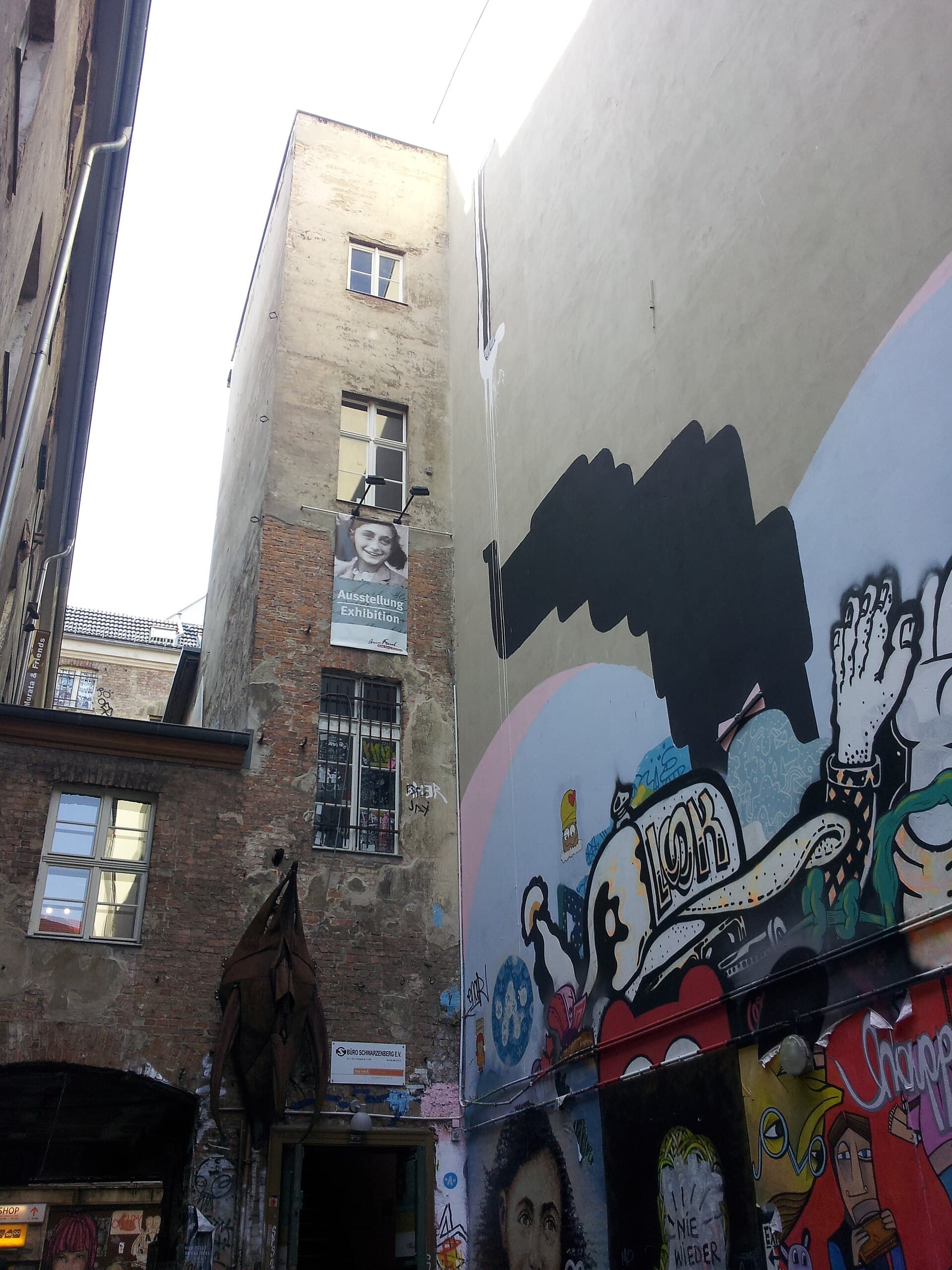 Anne Frank ZentrumThe Anne Frank Zentrum in Berlin is the sole German partner of the Anne Frank Ho24 minutes walk4.4
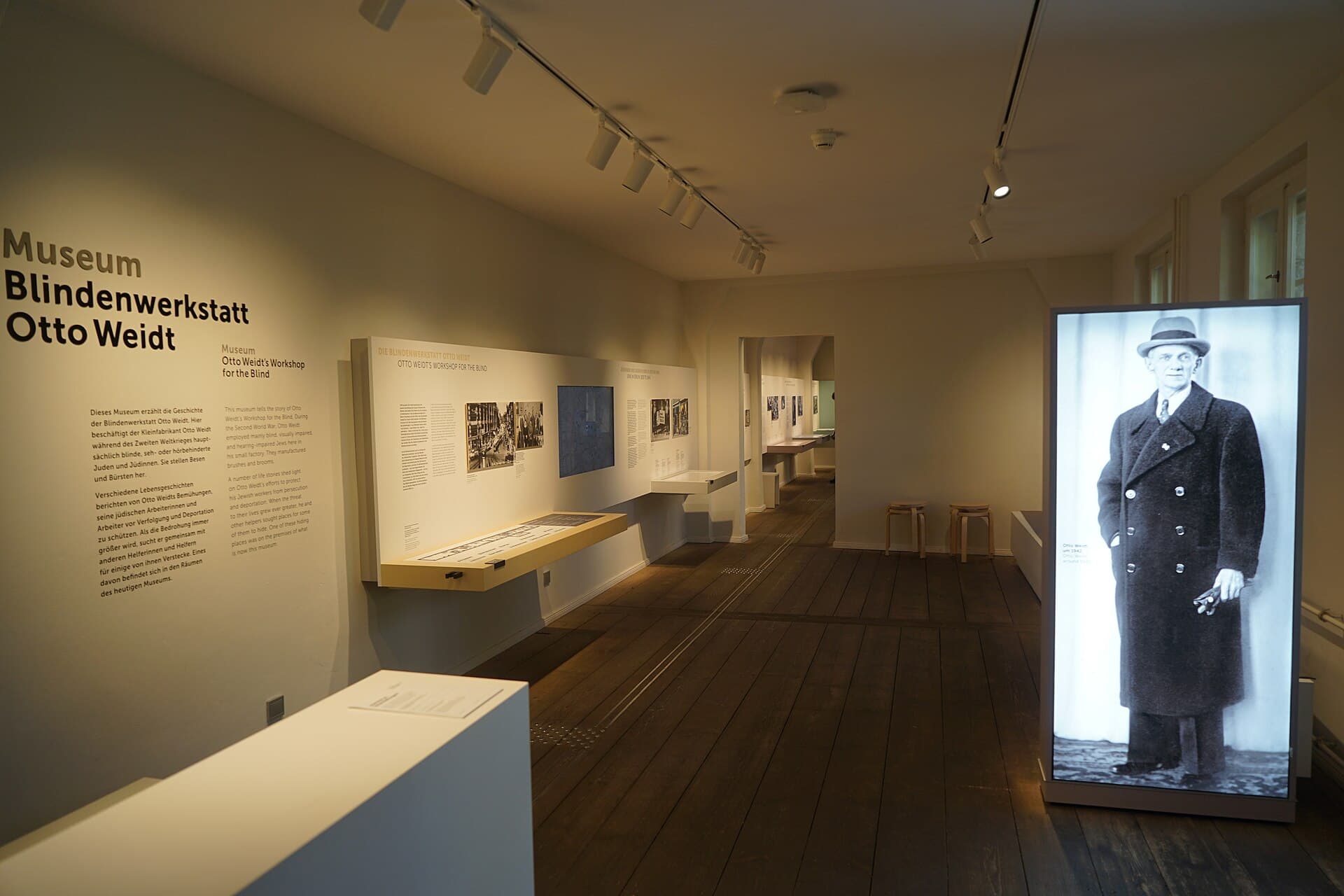 Otto Weidt's Workshop for the BlindThis museum is the workshop itself, in its original rooms, with its walls and fl24 minutes walk4.5
A German word combining Ost, east, with Nostalgie, describing a wave of nostalgia for East Germany that appeared after reunification — reissued products, films and themed cafes. It is criticised for tending to prettify a repressive system by focusing on the pleasant details of daily life. The museum shows those details but always places them in the context of the constraints.