
The terraced park
A small green space around the tower.
A.Savin — CC BY-SA 3.0 · DXR — CC BY-SA 3.0 · Lukas Beck — CC BY-SA 4.0 · Geoprofi Lars — CC BY-SA 4.0
The Prenzlauer Berg water tower is Berlin's oldest, built in 1877 of red brick on a small rise, and it is today the district's landmark, which locals simply call the fat fellow. A small terraced public park surrounds it, and the tower and its outbuildings have been converted into apartments. But the building carries a dark history its calm appearance gives no sign of: in 1933, immediately after the Nazis took power, SA units used the cellars and machine spaces beneath the tower as one of the first improvised concentration camps in Berlin. Political opponents were held here — communists, socialists and trade unionists — and a number were tortured, some killed. A memorial plaque at the tower explains this today. The place itself takes no more than twenty minutes, but it sits in the heart of Prenzlauer Berg — one of Berlin's finest residential districts, with its cobbled streets and nineteenth-century buildings — so you reach it naturally on a walk through the quarter.
A small green space around the tower.
Cobbled streets and 19th-century buildings.
Knaackstrasse 23, 10405 Berlin
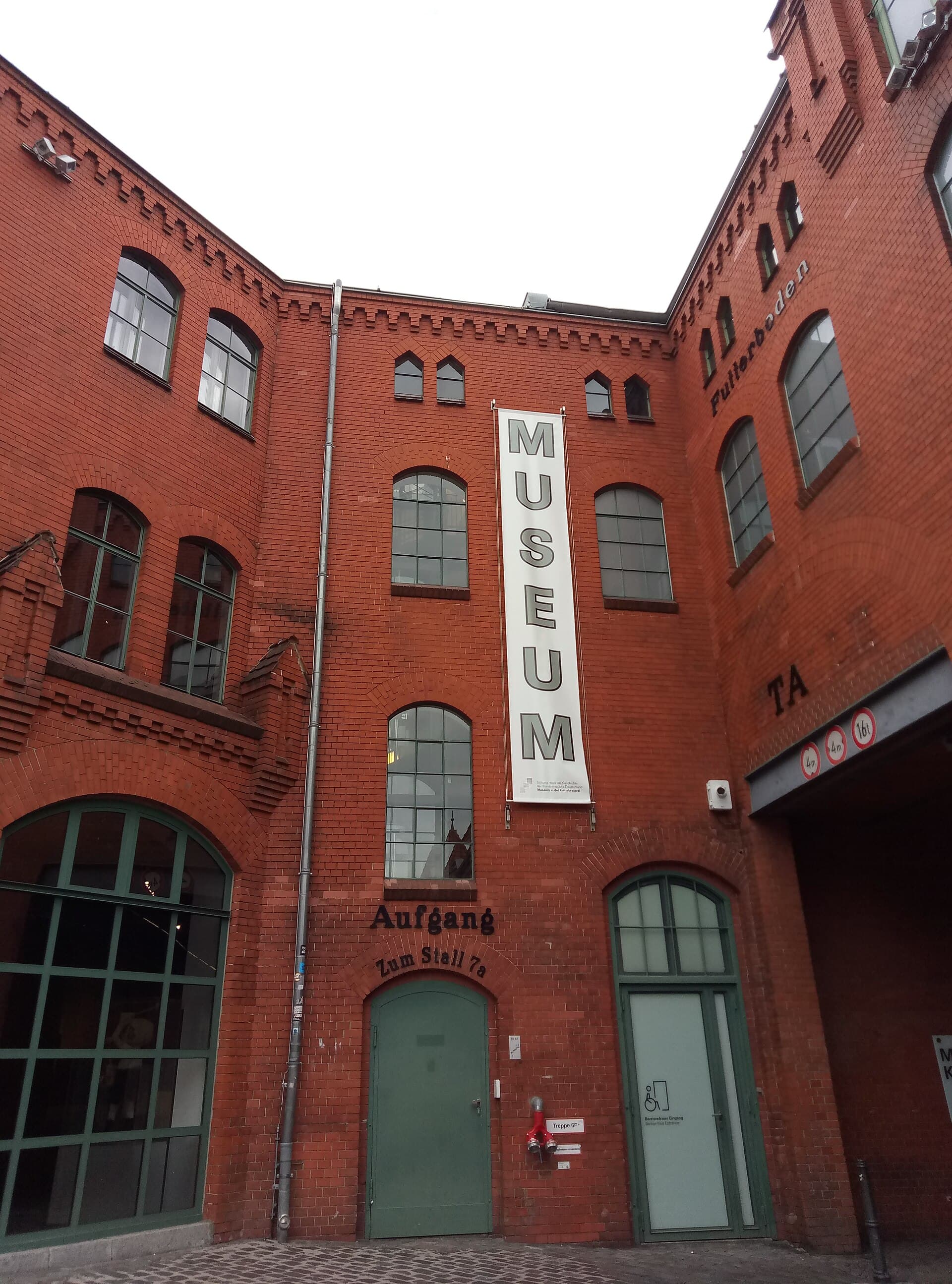 Museum of Everyday Life in the GDRThis museum answers a question the Wall and Stasi museums do not: what was ordin9 minutes walk4.4
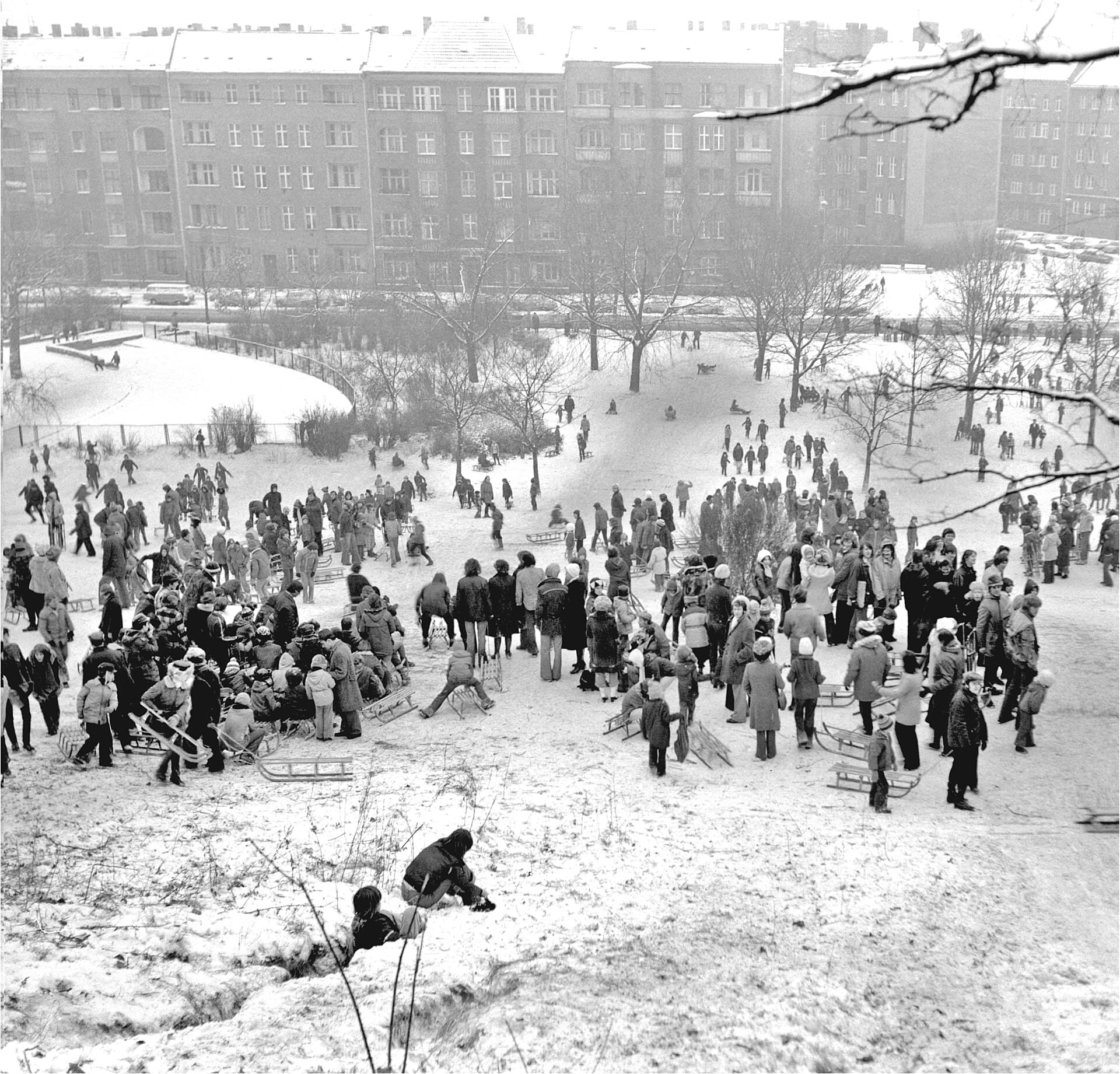 Volkspark FriedrichshainVolkspark Friedrichshain is Berlin's oldest public park, opened in 1848 at a tel17 minutes walk4.5
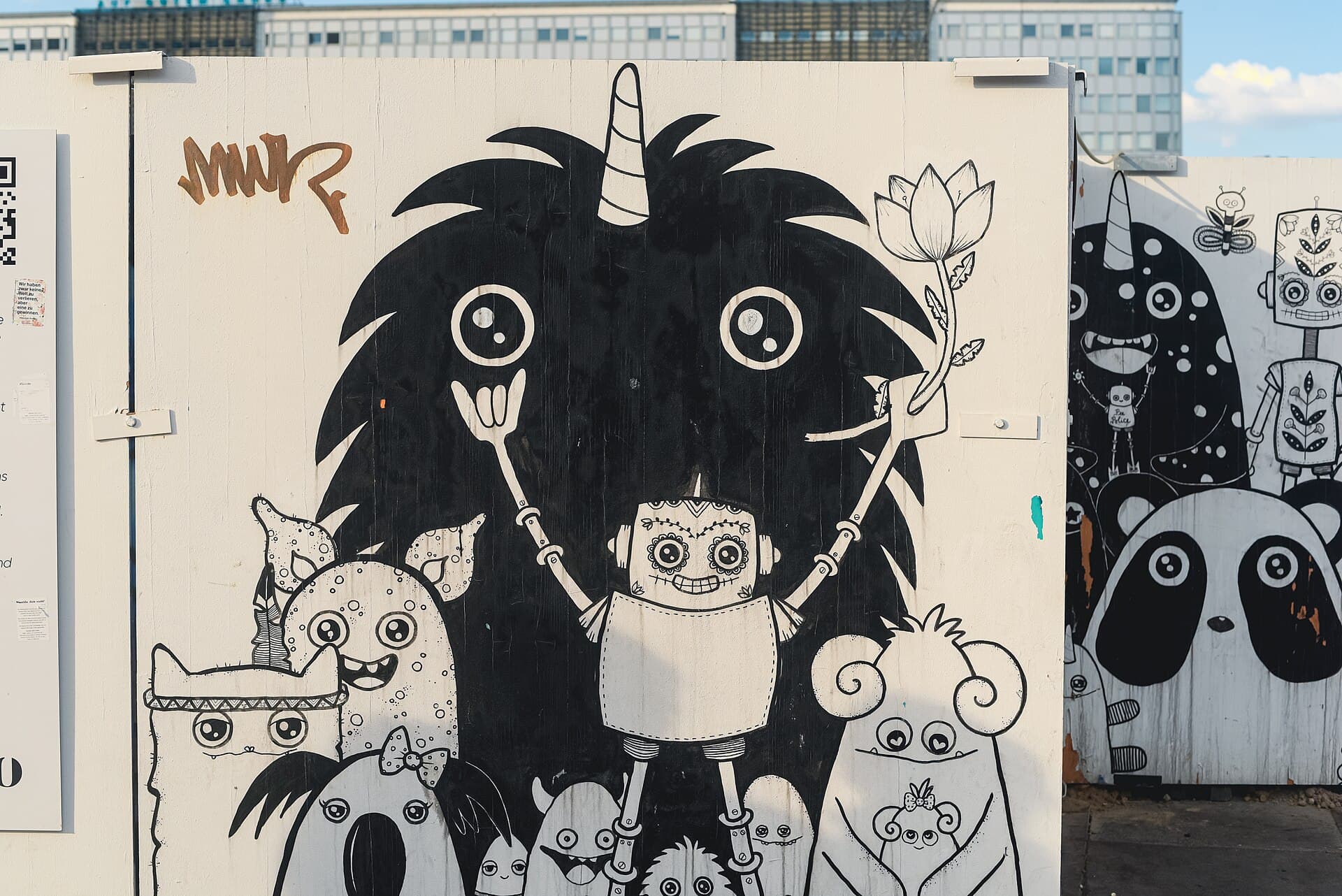 AlexanderplatzAlexanderplatz is a wide square in the eastern part of central Berlin, which Ber18 minutes walk4.2
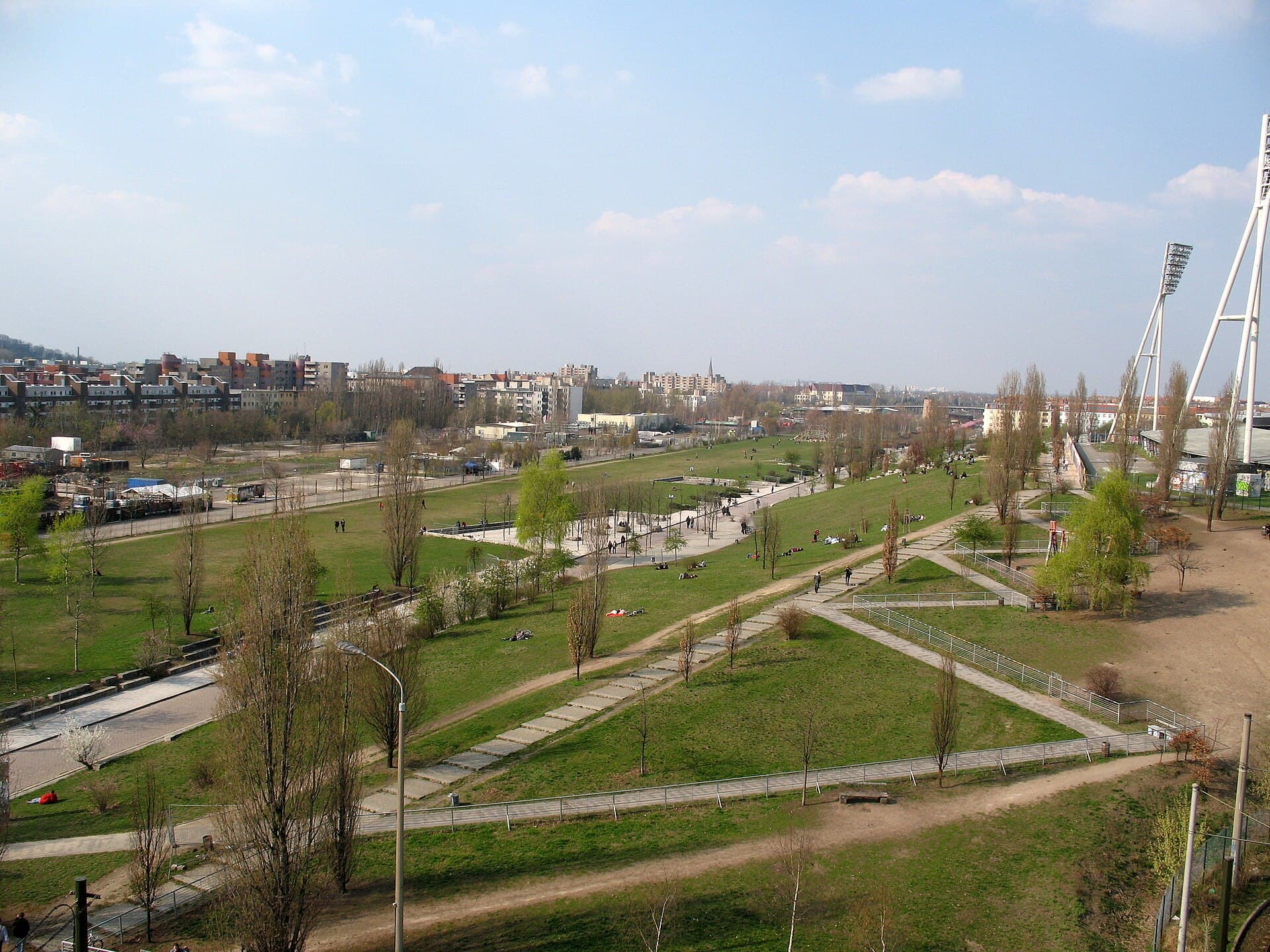 MauerparkMauerpark — literally the wall park — sits on what was the death strip: the guar18 minutes walk4.6
 The World ClockThe World Clock on Alexanderplatz is a rotating metal cylinder topped by a simpl19 minutes walk4.5
They were improvised detention sites created by Nazi paramilitary units in the first months after Hitler took power, before the camp system was formally organised. Cellars, bars, warehouses and abandoned factories were used to hold and torture political opponents outside any legal framework. Berlin alone had dozens, and most were only documented much later.