
The hidden room
A cupboard concealing a door a family lived behind.
Rudolf H. Boettcher — CC BY-SA 4.0 · Thomas Quine — CC BY 2.0 · Thomas Quine — CC BY 2.0 · Avi1111 dr. avishai teicher — CC BY-SA 4.0
This museum is the workshop itself, in its original rooms, with its walls and floors as they were. Otto Weidt was a nearly blind German who owned a small workshop making brushes and brooms in Mitte, and he employed Jewish workers there, most of them blind or deaf — then spent the war years spending everything he had to protect them from deportation. His methods were as practical as they were daring: he bribed Gestapo officials, forged papers, convinced the authorities his workshop was essential to the war effort and so obtained exemptions for his workers, and hid an entire family in a sealed back room behind a cupboard — the cupboard and the room are still in place, and you can stand inside them. He did not manage to save everyone, and that is what makes the exhibition honest: it tells the fate of each worker by name and photograph, who survived and who was murdered at Auschwitz. Entry is free and the place is very small — four or five rooms — but it is among the most powerful historical sites in Berlin, and it shares a courtyard with the Anne Frank Zentrum.
A cupboard concealing a door a family lived behind.
Each by name, photograph and outcome.
Rosenthaler Strasse 39, 10178 Berlin
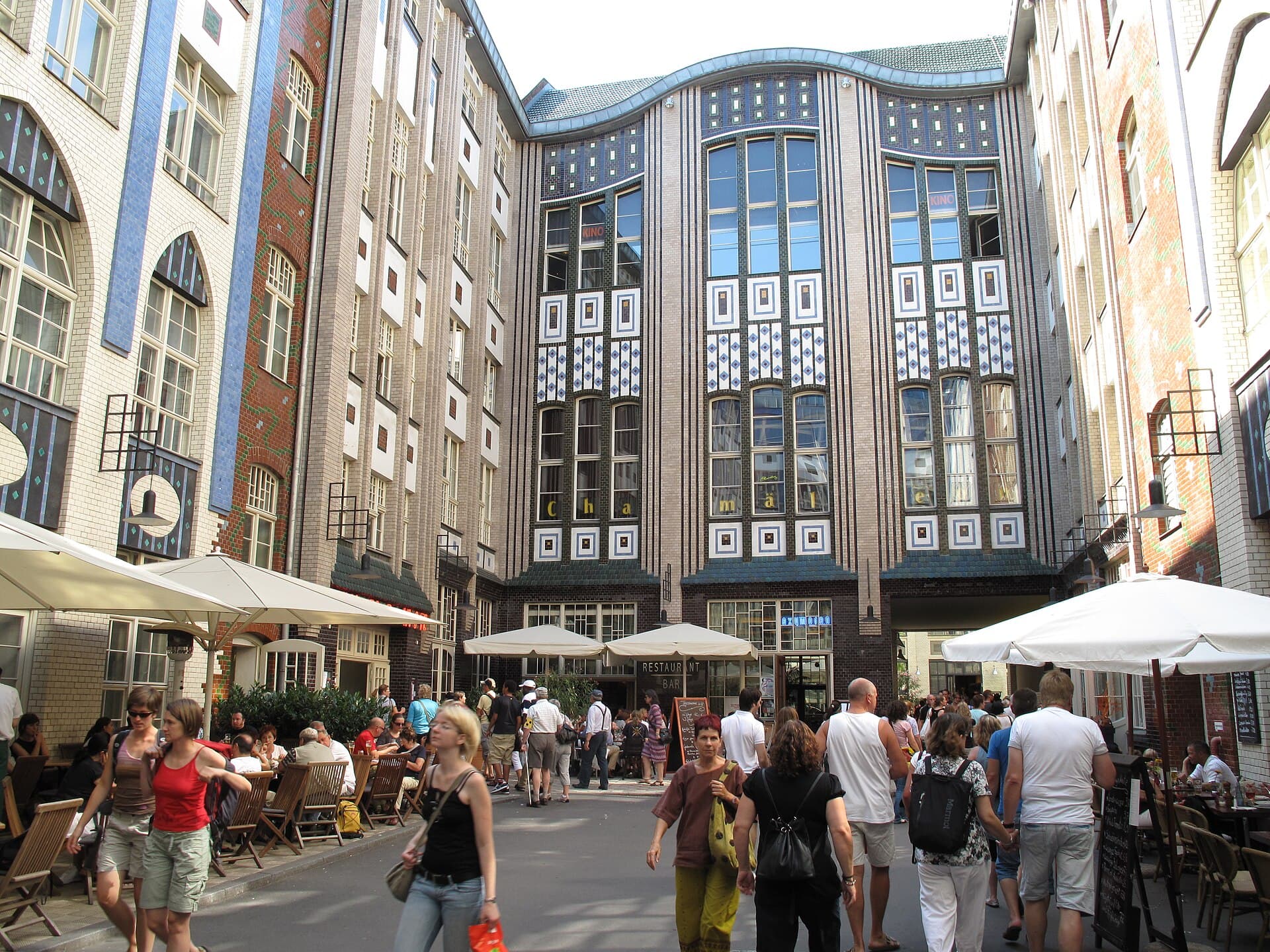 Hackesche HofeThe Hackesche Hofe is a complex of eight interconnected courtyards linked by pas1 minute walk4.6
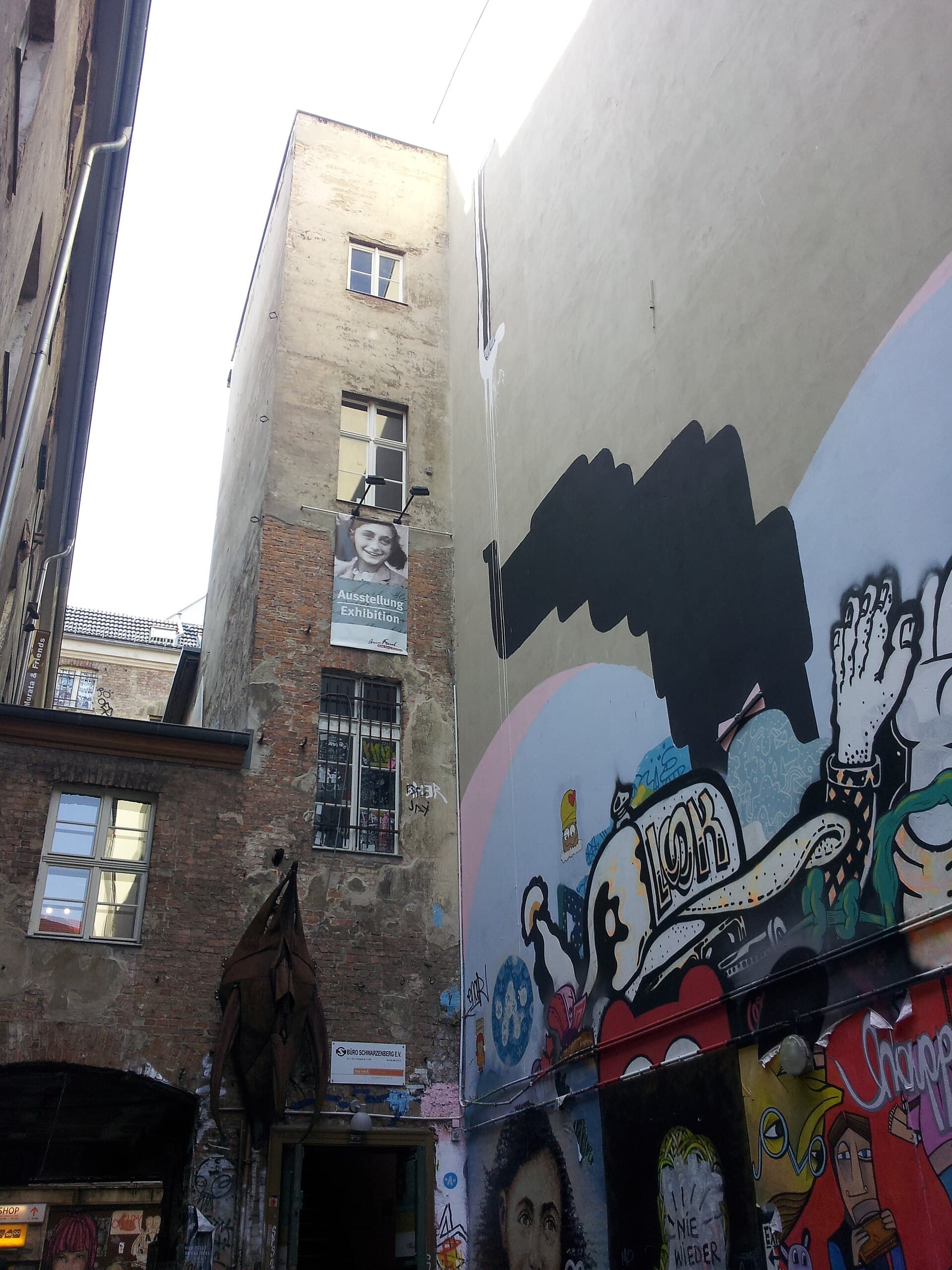 Anne Frank ZentrumThe Anne Frank Zentrum in Berlin is the sole German partner of the Anne Frank Ho1 minute walk4.4
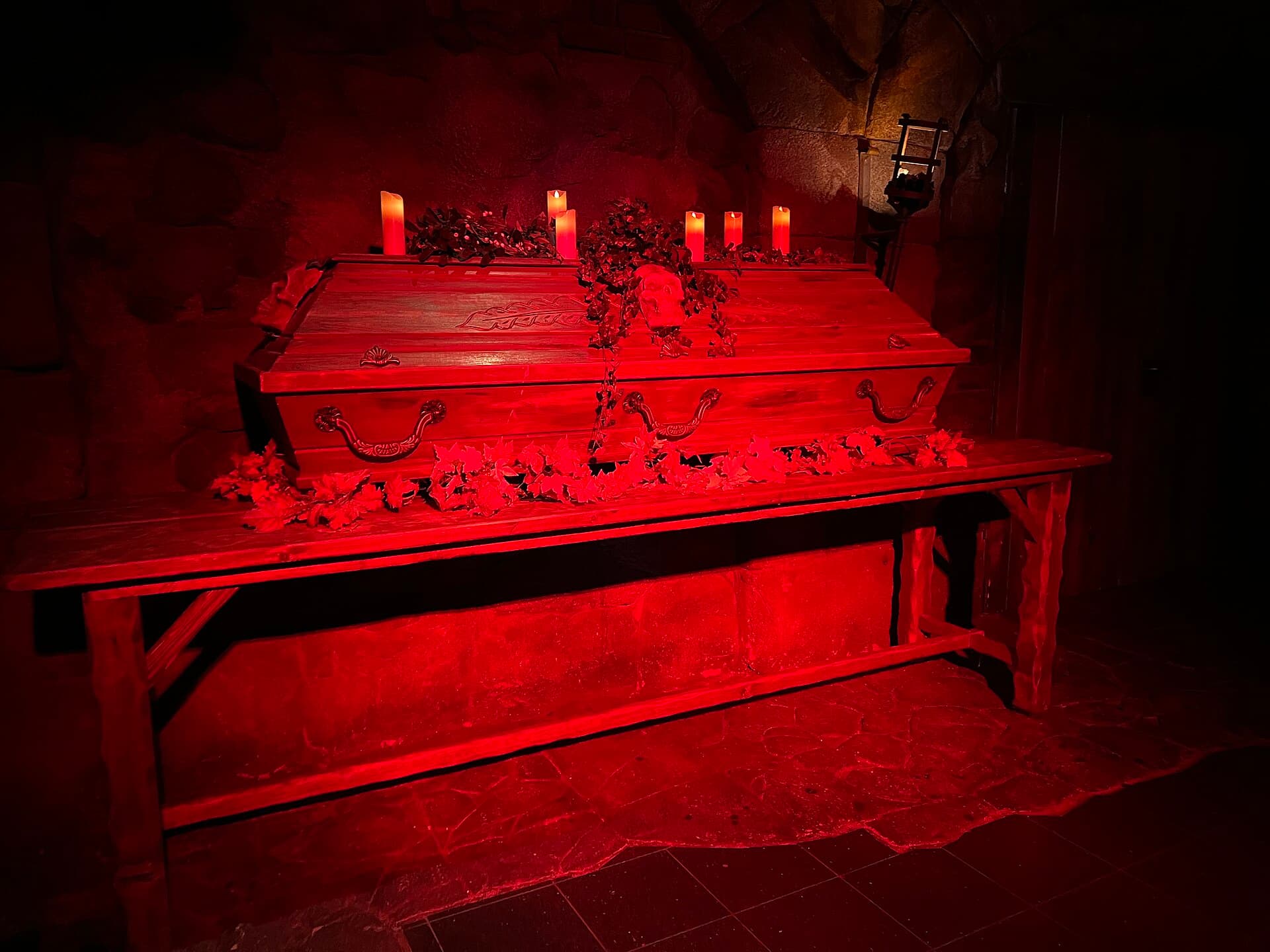 Berlin DungeonThe Berlin Dungeon is not a museum but a scare show. You go in with a small grou4 minutes walk4.5
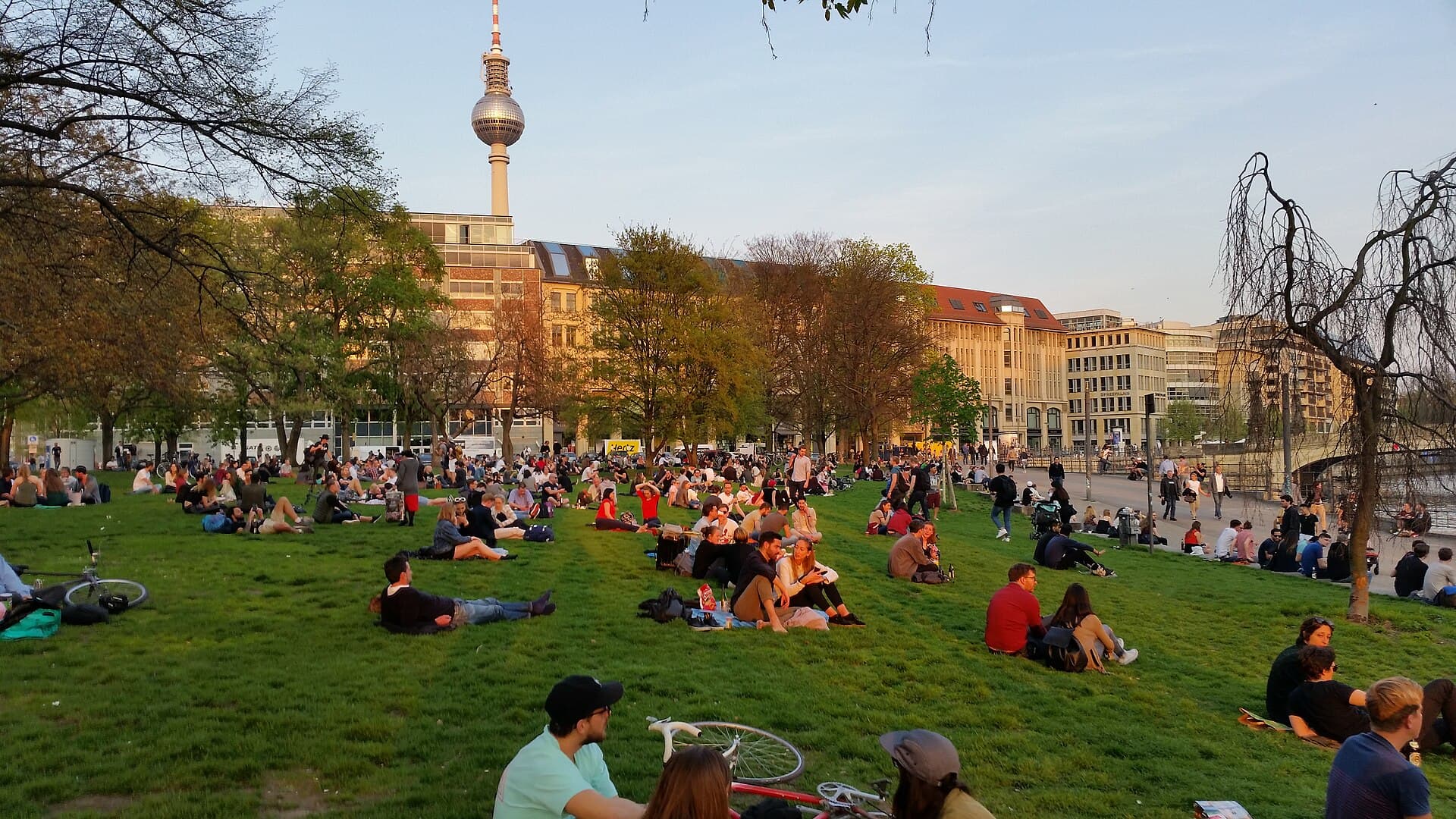 James-Simon-ParkJames-Simon-Park is a small stretch of grass on the bank of the Spree, right bes4 minutes walk4.6
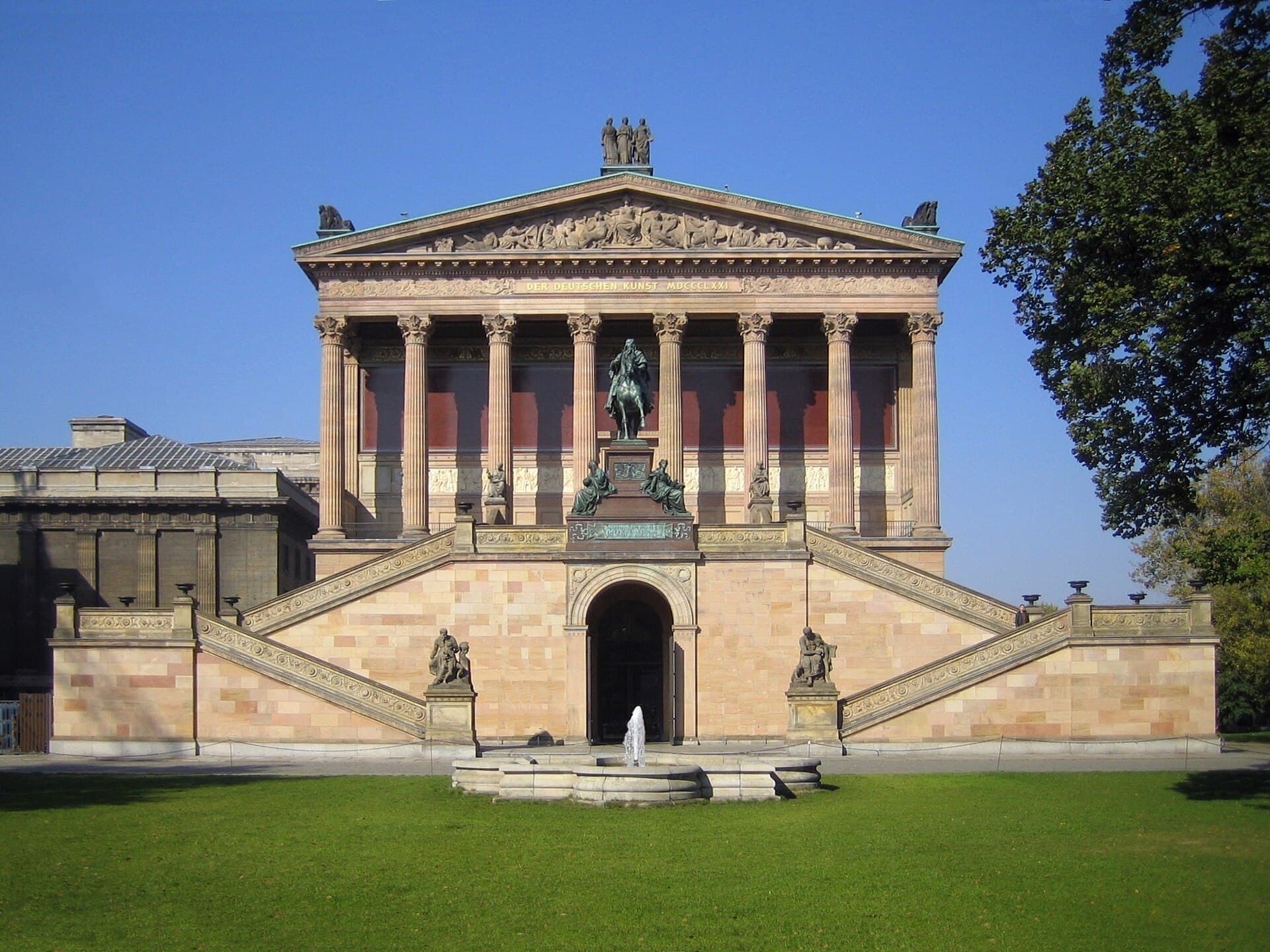 Alte NationalgalerieThe Alte Nationalgalerie is a temple-like building on Berlin's Museum Island hol6 minutes walk4.4
Because he acted with great care and covered himself with a convincing economic pretext: his workshop produced brushes and brooms for the army and so was classified as war-essential, which gave him standing to negotiate over his workers. Add to that regular bribes to Gestapo officers. He was never fully found out, and after the war he spent the rest of his life searching for his missing workers until his death in 1947.