
The preserved foundations
Narrow houses grown upward because sideways was banned.
dontworry — CC BY-SA 3.0 · Unknown — Public domain · Unknown — Public domain
The Museum Judengasse is built around something that was never meant to be there: the foundations of five houses from Frankfurt's Jewish ghetto, uncovered in 1987 during excavation for a municipal office building. The find triggered a sharp public dispute — the city wanted to complete the building, others wanted the site preserved — settled by a compromise: the building went up and the foundations were preserved beneath it as a museum. The Judengasse was the first ghetto of its kind in Europe: in 1462 Frankfurt's Jews were compelled to live in a single narrow street closed by gates that were locked at night and on Sundays and Christian holidays, and the system stood for around three hundred and fifty years until the French occupation abolished it. At its height some three thousand people lived in one street. That overcrowding is what you see in the foundations: extremely narrow houses expanding upward because expanding sideways was forbidden, with cellars, wells and ritual baths packed against each other. The exhibition around them explains daily life in the lane — the Rothschild banking family began here. The museum is a branch of the Jewish Museum Frankfurt and the ticket may be shared.
Narrow houses grown upward because sideways was banned.
Wells and mikvaot packed below street level.
Battonnstrasse 47, 60311 Frankfurt
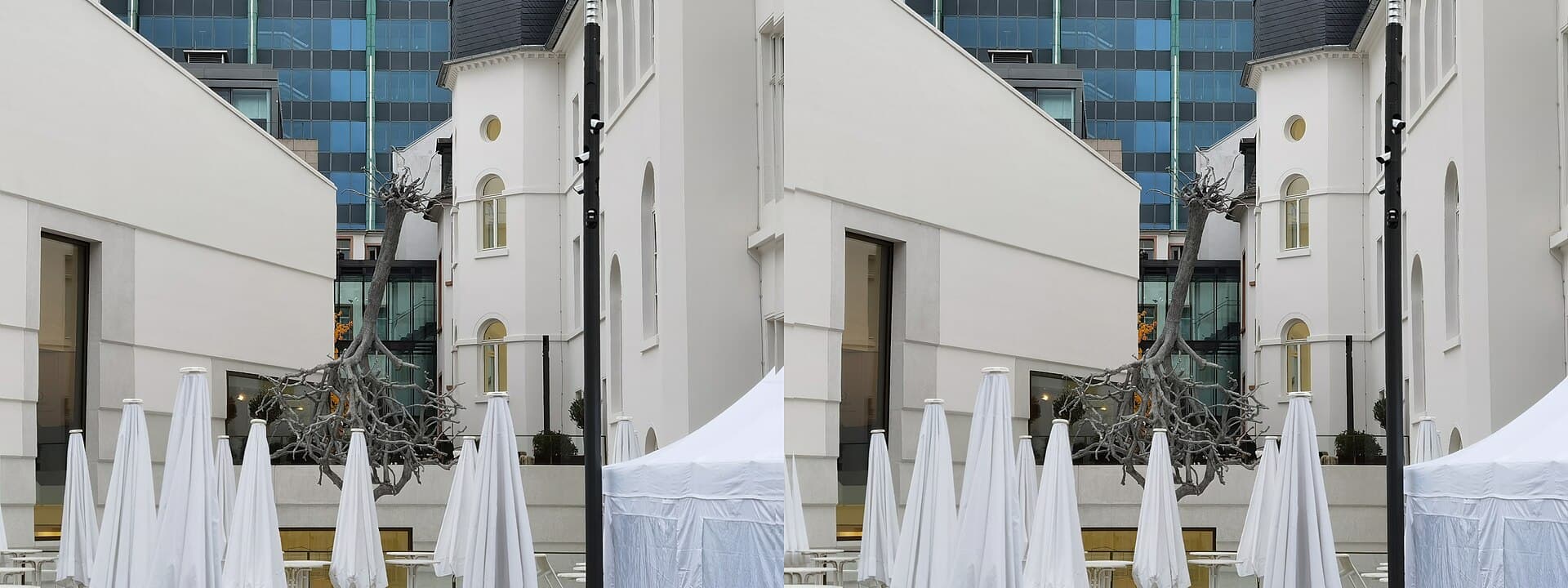 Jewish Museum FrankfurtFrankfurt was for centuries among Europe's great Jewish cities — the Rothschilds1 minute walk4.6
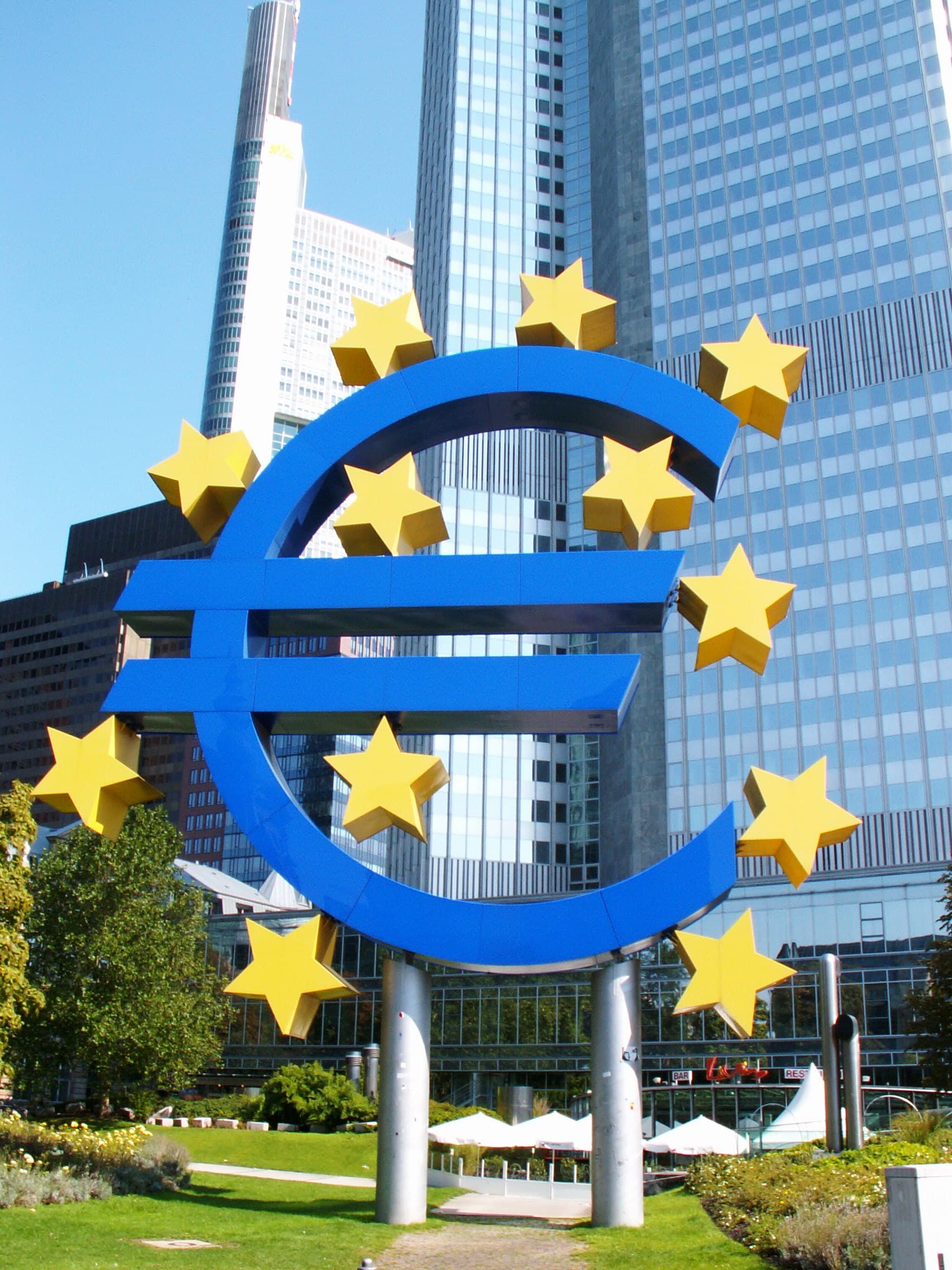 The Euro SculptureA large sculpture of the euro symbol ringed by twelve stars, in Frankfurt's bank3 minutes walk4.5
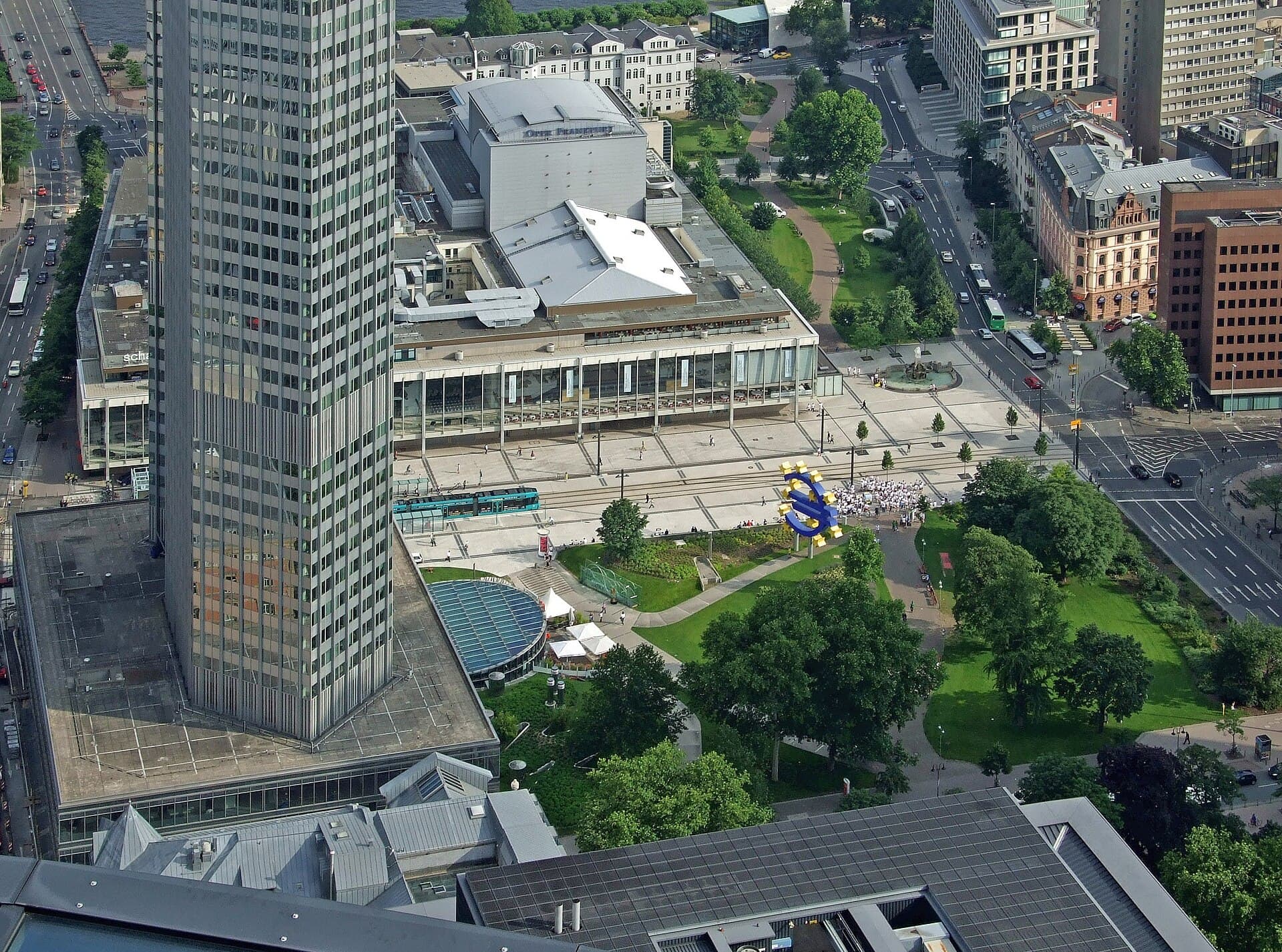 Willy-Brandt-PlatzWilly-Brandt-Platz is a large square in central Frankfurt, best known for the eu3 minutes walk4.5
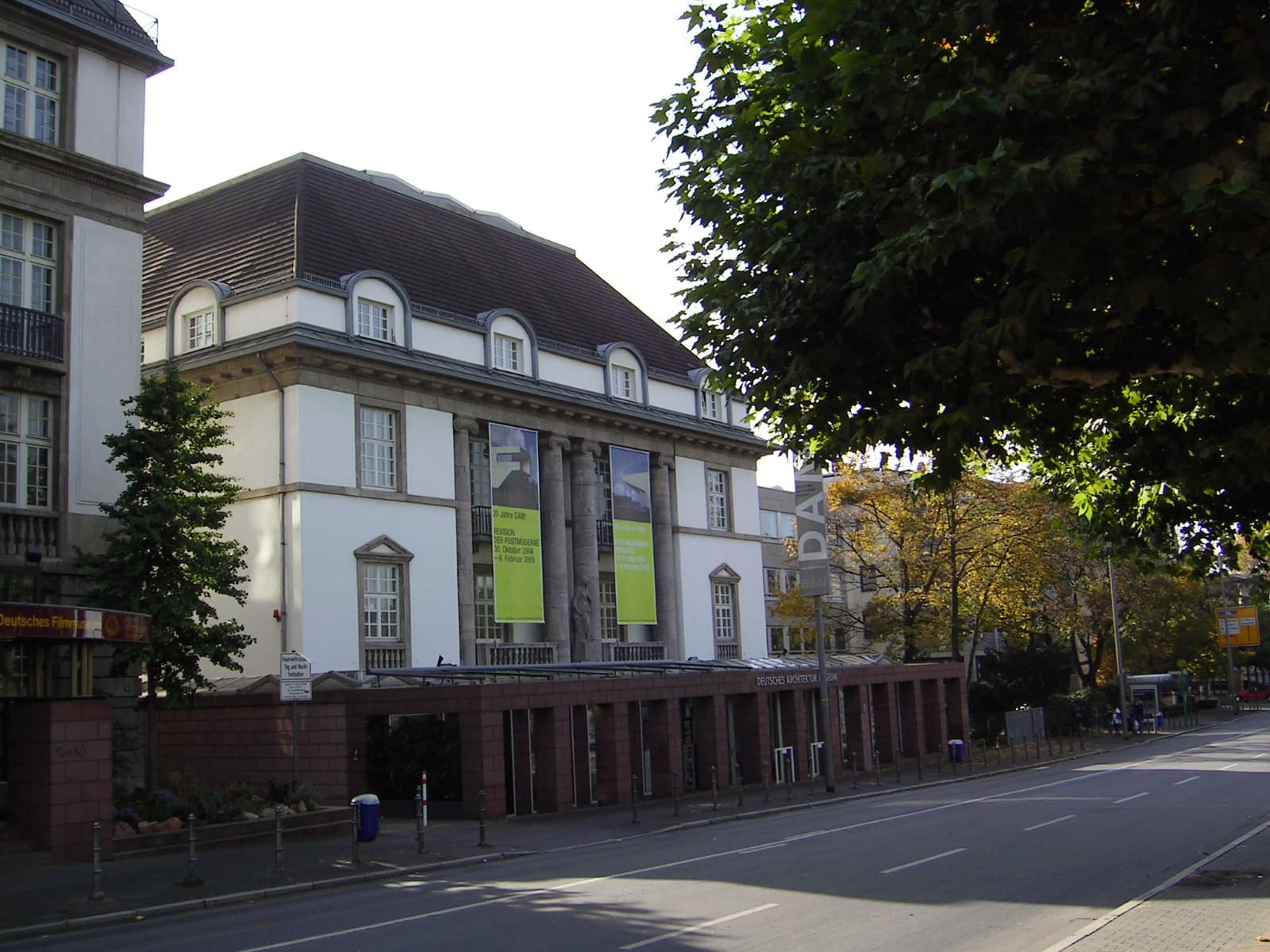 German Architecture MuseumThe German Architecture Museum sits on Schaumainkai, the stretch of the south ba4 minutes walk4.0
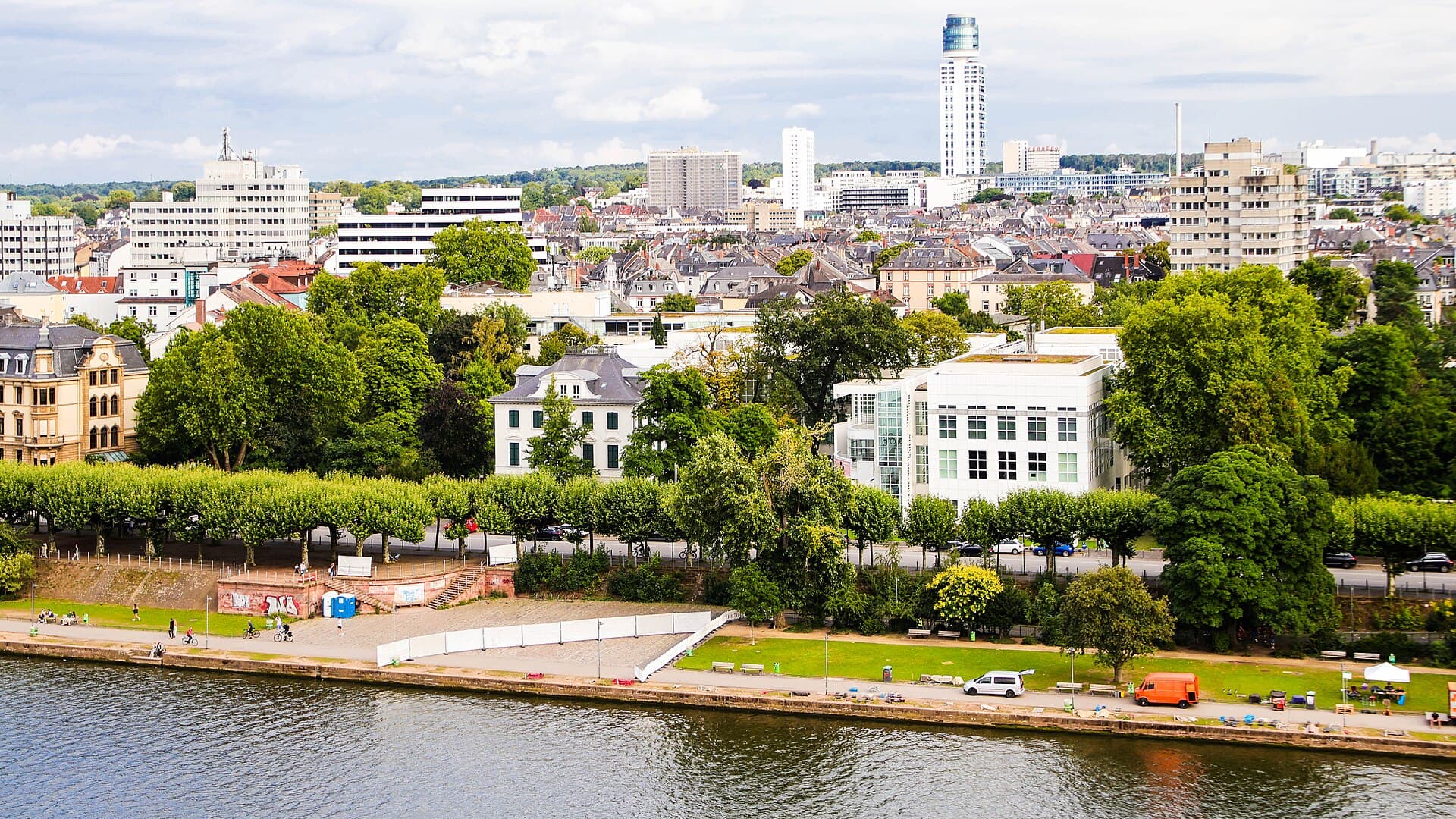 MuseumsuferThe Museumsufer, or museum embankment, is the name given to the south bank of th4 minutes walk4.5
They began here: Mayer Amschel Rothschild was born in the Judengasse in 1744 and started his banking business from a house in this narrow street, then sent his five sons to Frankfurt, London, Paris, Vienna and Naples, where they founded the first cross-border banking network in Europe. One of the most significant financial houses in history came out of a street whose residents were forbidden to leave it after dark.