
The Hittite hall
Basalt reliefs from Carchemish and Alacahöyük under the domes of a fifteenth-century Ottoman bedesten.
Dosseman — CC BY-SA 4.0 · Georges Jansoone (JoJan) — CC BY-SA 3.0 · Ray Swi-hymn from Sijhih-Taipei, Taiwan — CC BY-SA 2.0 · Ray Swi-hymn from Sijhih-Taipei, Taiwan — CC BY-SA 2.0
Under the ten domes of a fifteenth-century covered market where Ankara's merchants once sold mohair, rows of black basalt now stand in the half-light: lions, war chariots and warriors in pointed helmets, carved three thousand years ago and hauled here from Carchemish on the Syrian border. That central hall is the heart of the Museum of Anatolian Civilizations, and the reason it is spoken of in the same breath as Istanbul's archaeology museum without embarrassment. On the Hittites specifically, it wins outright. The two buildings are genuine Ottoman fabric, the Mahmut Paşa Bedesteni and the Kurşunlu Han, put up under Mehmed the Conqueror and restored between 1938 and 1968 to house what Atatürk had first wanted as a Hittite museum before it grew to cover all of Anatolia. The route around the central hall is strictly chronological: Palaeolithic tools, then Çatalhöyük and the seated mother goddess flanked by two leopards that has become the emblem of Turkish archaeology, then the bronze sun discs and stags from Alacahöyük, the Hittites, the Phrygians with wooden furniture lifted from a Gordion burial mound linked to King Midas, the Urartians and Lydians, and finally a lower floor given over to the classical periods and Roman Ankara. It was European Museum of the Year in 1997 and has not slipped since. Allow two unhurried hours. The audio guide, for an extra charge, is worth having because the wall labels are terse. The main hall is on one level and fine with a pushchair; the lower floor is reached by stairs. Children over eight enjoy the stone lions and reliefs more than you would expect; toddlers will be done in half an hour. It is air-conditioned, which makes it the best possible refuge from Ankara's dry August glare, and just as welcome on a snowy winter day. It sits on the slope below Ankara Castle in old Ulus, so pair it with the ten-minute climb to the citadel, the small and elegant Erimtan Museum a few doors along the same street, and the Rahmi Koç Museum in the Çengelhan by the castle gate. One caution: individual halls close for works at short notice, and the entrance and Palaeolithic sections were shut for several weeks in summer 2026, so check the ministry site if a particular gallery is the point of your trip.
Basalt reliefs from Carchemish and Alacahöyük under the domes of a fifteenth-century Ottoman bedesten.
A small clay figure of a woman seated between two leopards, roughly eight thousand years old and the museum's most famous piece.
Wooden furniture and bronze vessels from a Phrygian burial mound linked by name to King Midas.
Gözcü Sokak No. 2, Ulus, Ankara
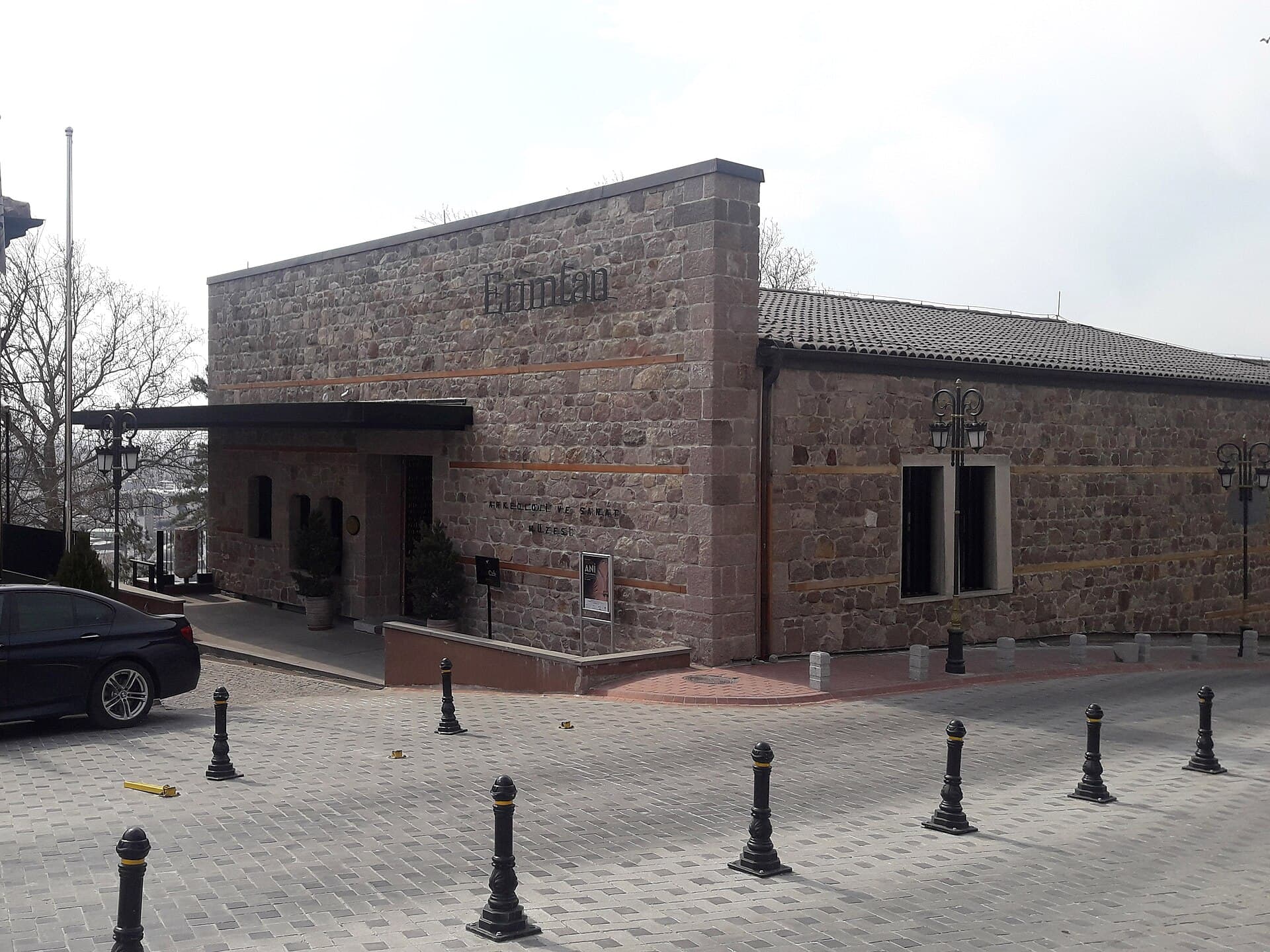 Erimtan Archaeology and Arts MuseumIt started with a few Roman ring stones, bought by a Turkish engineer in 1960, a1 min walk4.4
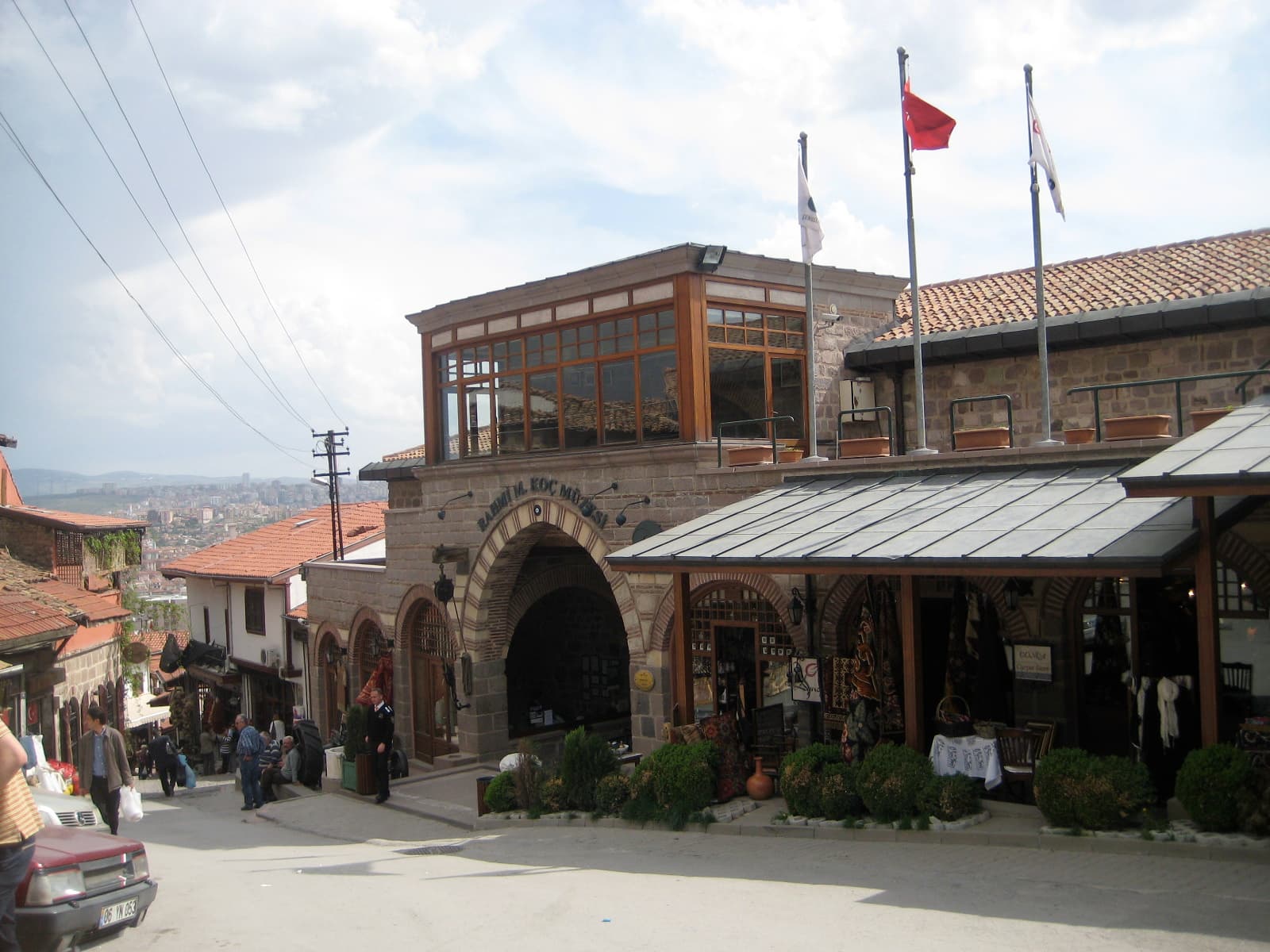 Çengelhan Rahmi M. Koç MuseumA boy called Vehbi Koç once spent his summer holidays behind the counter of a sm2 min walk4.7
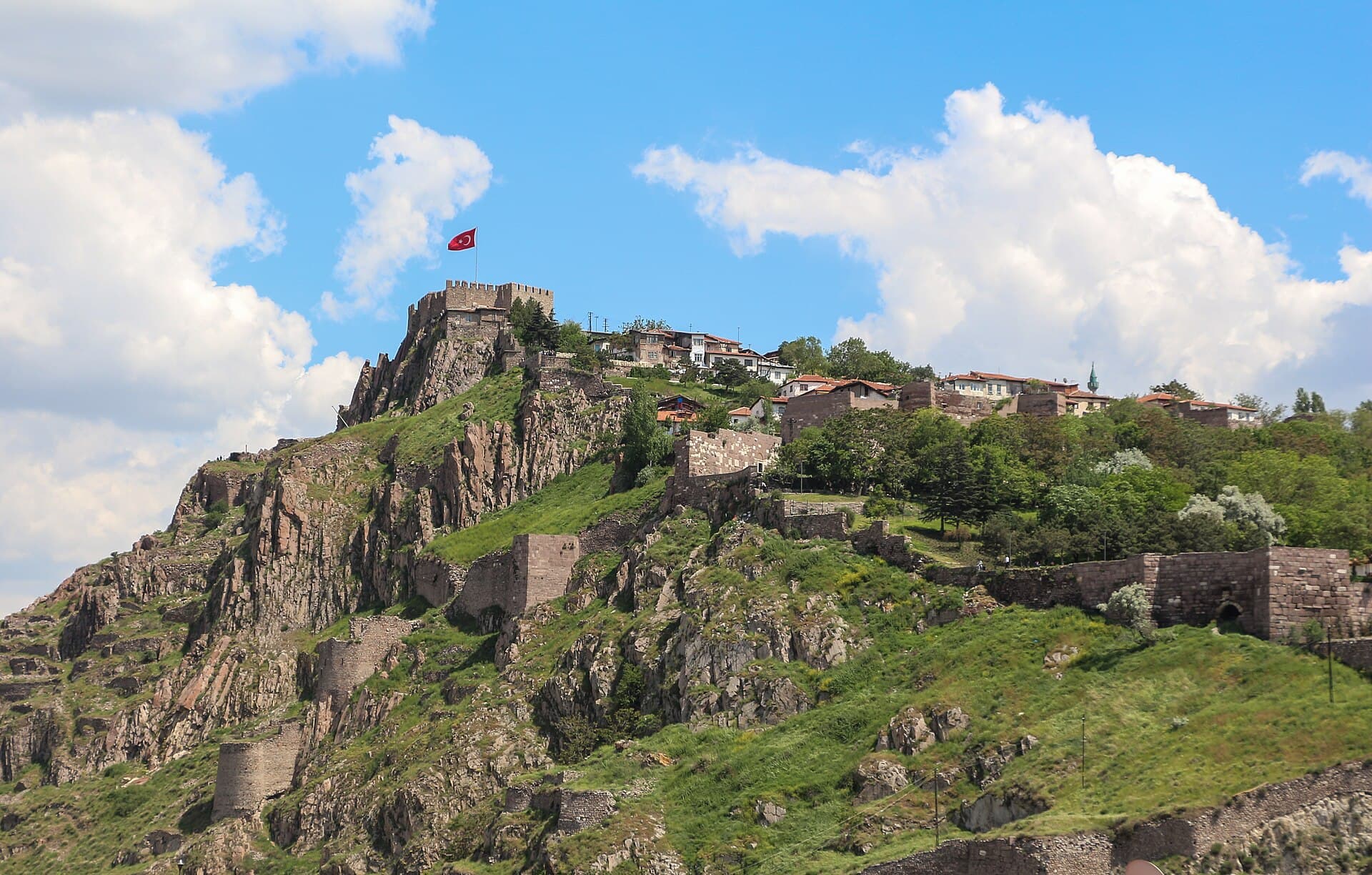 Ankara CastleLook closely at the walls of Ankara Castle and you will find Roman column drums,6 min walk4.3
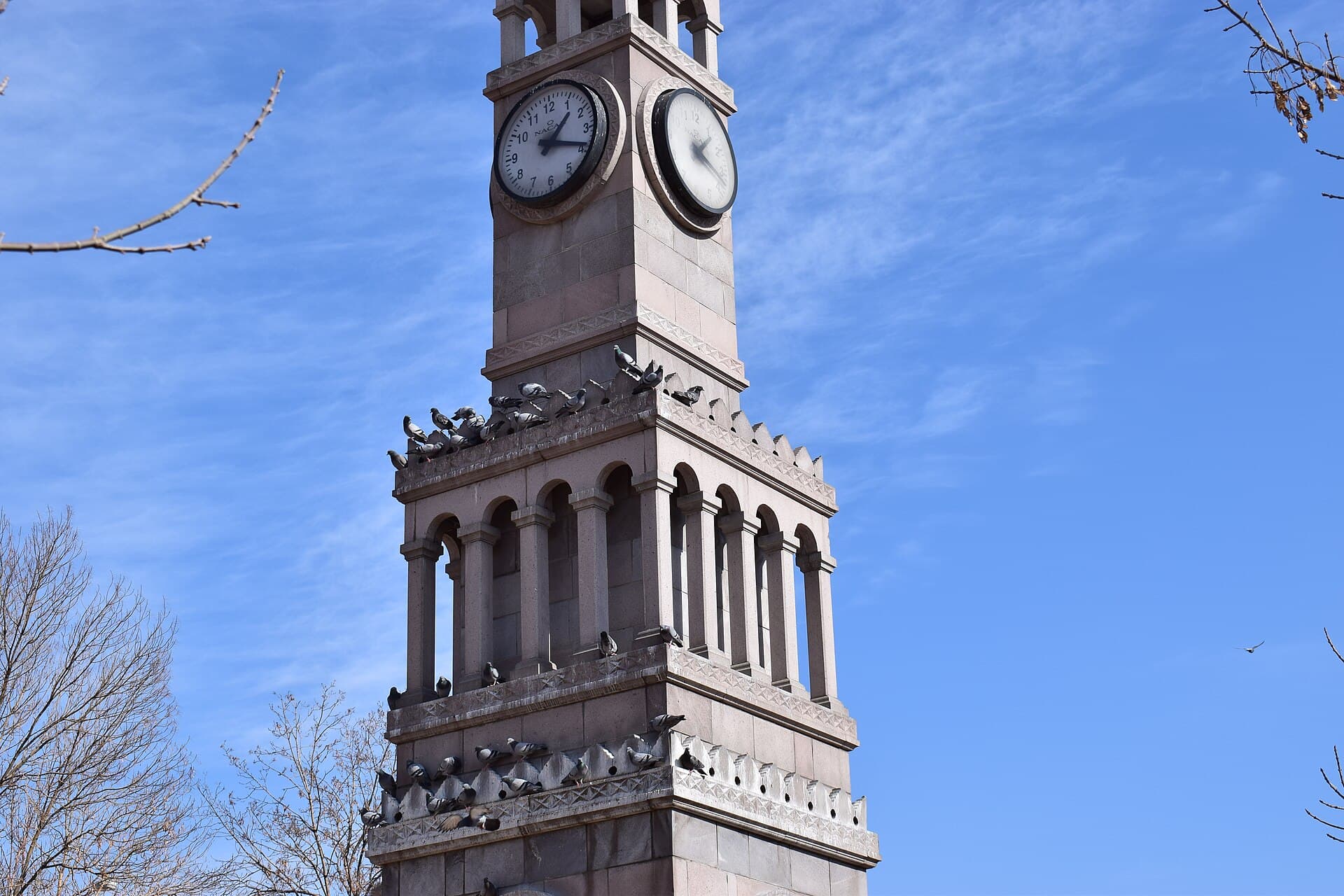 HamamönüTurkey's national anthem was written here, in a small room of a dervish lodge in8 min walk4.5
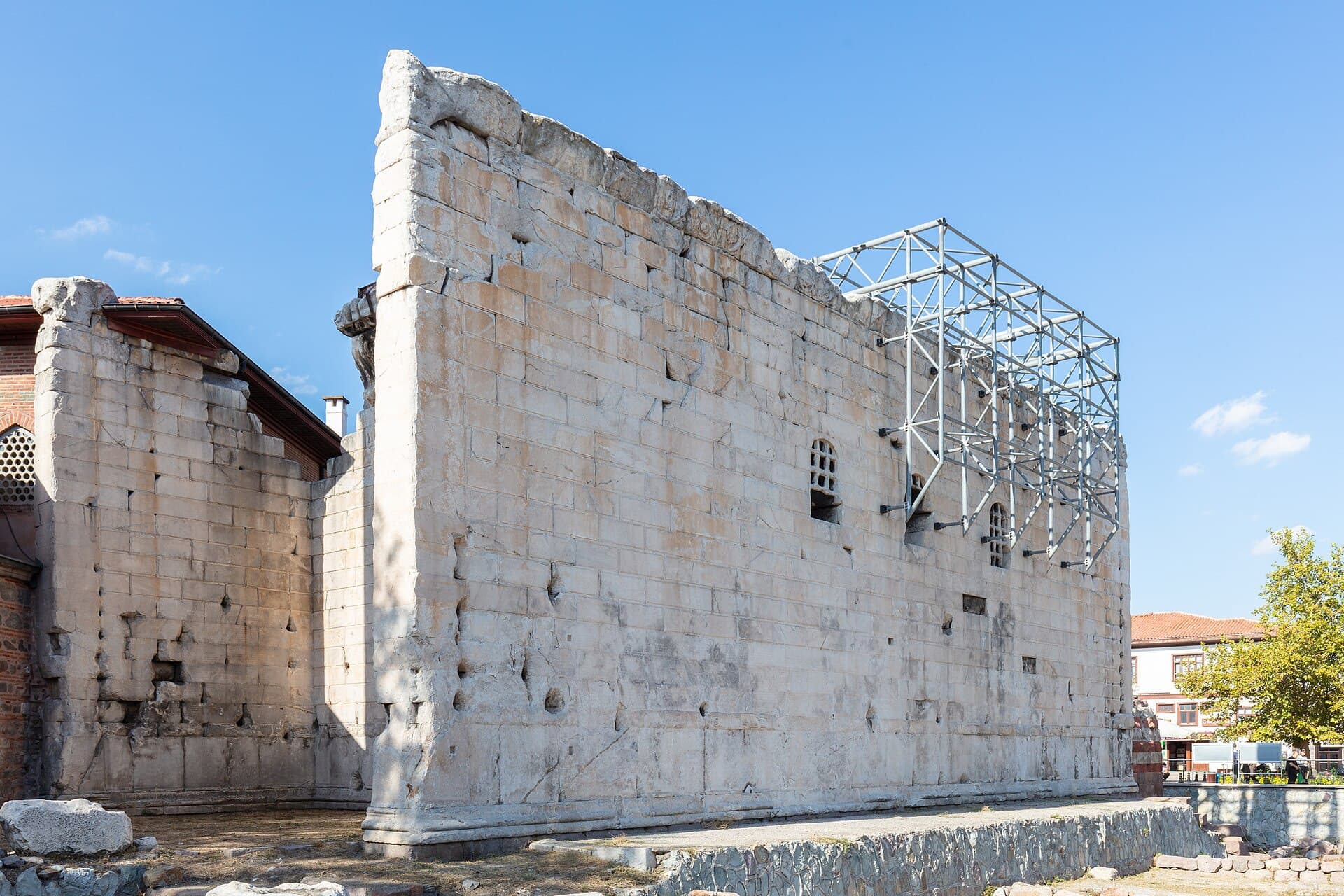 Temple of Augustus and RomeThe political last will of Rome's first emperor survives most completely not in 9 min walk4.5
Yes, if the Hittites or prehistory interest you: nothing in Turkey matches this collection for those periods. If archaeology is a passing interest, give it an hour in the central hall and the Çatalhöyük section, then walk up to the castle.
With care. The main hall is flat and pushchair-friendly and the stone lions hold children over eight, but younger ones tire fast, so plan on half an hour and combine it with the castle and the open spaces around it.
Sign in to write your review of this place.
No reviews yet — be the first.