
Vehbi Koç's shop
The tiny shop where the founder of the Koç group worked as a boy, kept with its shelves and scales.
User:Quintucket — CC BY-SA 3.0 · Nicoleon — CC0 · Nicoleon — CC0 · Nicoleon — CC0
A boy called Vehbi Koç once spent his summer holidays behind the counter of a small shop in this Ottoman han, long before he built Turkey's largest industrial group. Almost a century later his son Rahmi rented the same building, restored it and opened it in 2005 as Ankara's first museum of industry and technology. The shop is still there, shelves and scales intact, and it is the corner visitors linger at longest, though far from the largest. The building is half the pleasure. Çengelhan went up in the early 1520s under Süleyman the Magnificent and spent centuries at the outer gate of Ankara Castle as a warehouse for the mohair that made the city's name. Today the covered courtyard holds the museum café, with the Divan-run Safranhan Brasserie in the neighbouring han, and the galleries spread over two floors and a basement: steam engines and motors, cars and motorcycles from several decades, model trains and ships, radios and telegraphs, scientific and medical instruments, a reconstructed old pharmacy, a section on Atatürk and another on Ankara's history. The most charming stretch is the Craftsmen's Street, where the workshops of a cobbler, a carpenter, a coppersmith and a watchmaker have been rebuilt as they stood. This is a museum for families more than the archaeology museums around it: the exhibits are tangible and need no long labels, and children gravitate to the cars, toys and miniature railways. Bear in mind it is a historic building with stone stairs and narrow passages, so a pushchair will not be comfortable everywhere; ask at the desk about step-free routes if you need them. An hour and a half to two hours is enough, more if someone in the group loves engines. The position makes it easy to combine: the museum sits right at the castle's outer gate, so climb to the ramparts afterwards for the city view, and the Erimtan archaeology museum is a few steps away. It closes on Mondays and also on the eve and first day of both Eids, worth noting if you travel in the holiday season. In Ankara's bitter winter it is a warm refuge; in August heat the shaded courtyard beats the exposed castle lanes.
The tiny shop where the founder of the Koç group worked as a boy, kept with its shelves and scales.
Cobbler, carpenter, coppersmith and watchmaker workshops rebuilt as they stood in old Ankara.
Vintage cars, model railways and steam engines under the arches of a han from Süleyman's reign.
Kale Mahallesi, Depo Sokak No 1, Altındağ, Ankara
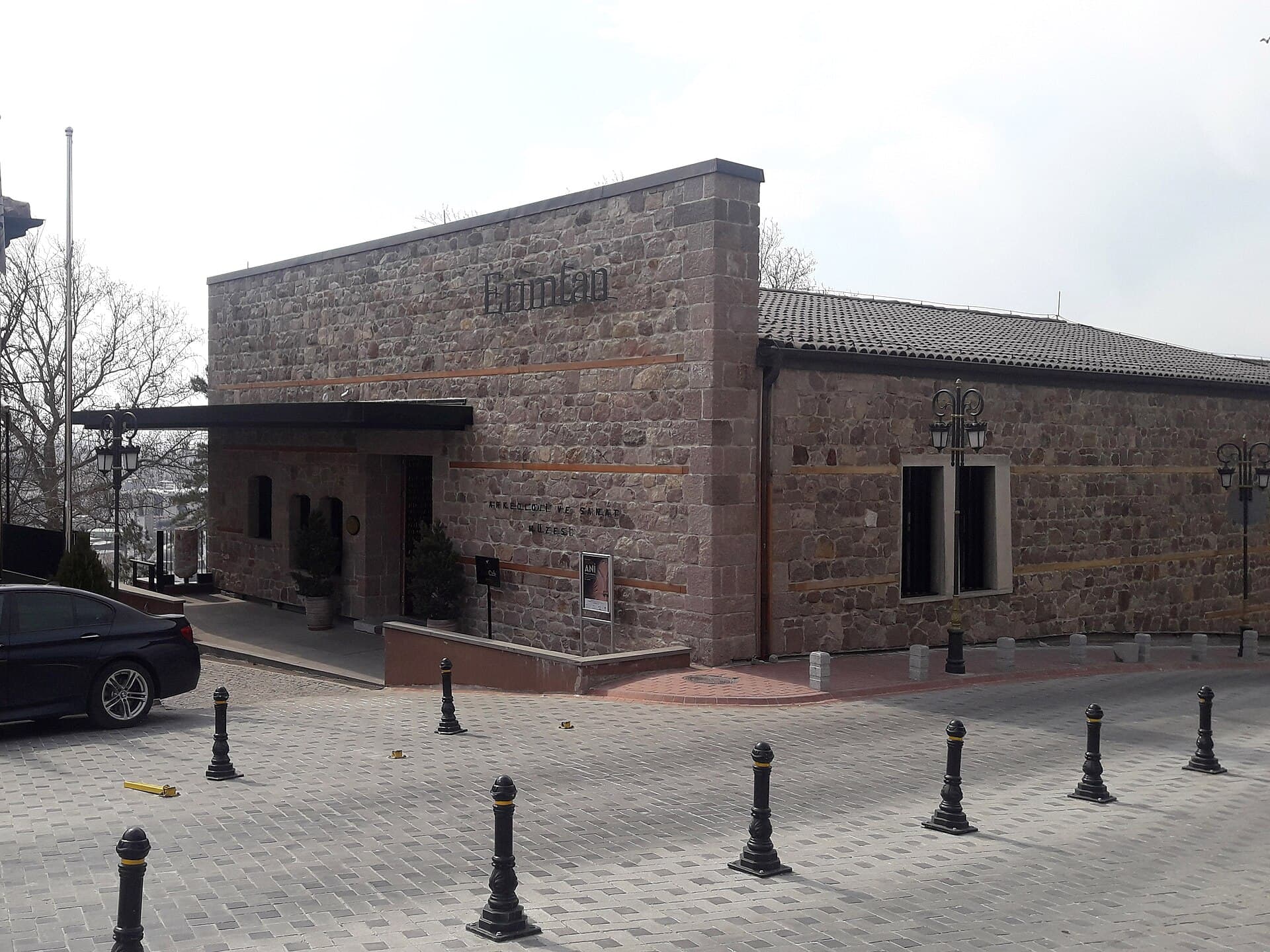 Erimtan Archaeology and Arts MuseumIt started with a few Roman ring stones, bought by a Turkish engineer in 1960, a1 min walk4.4
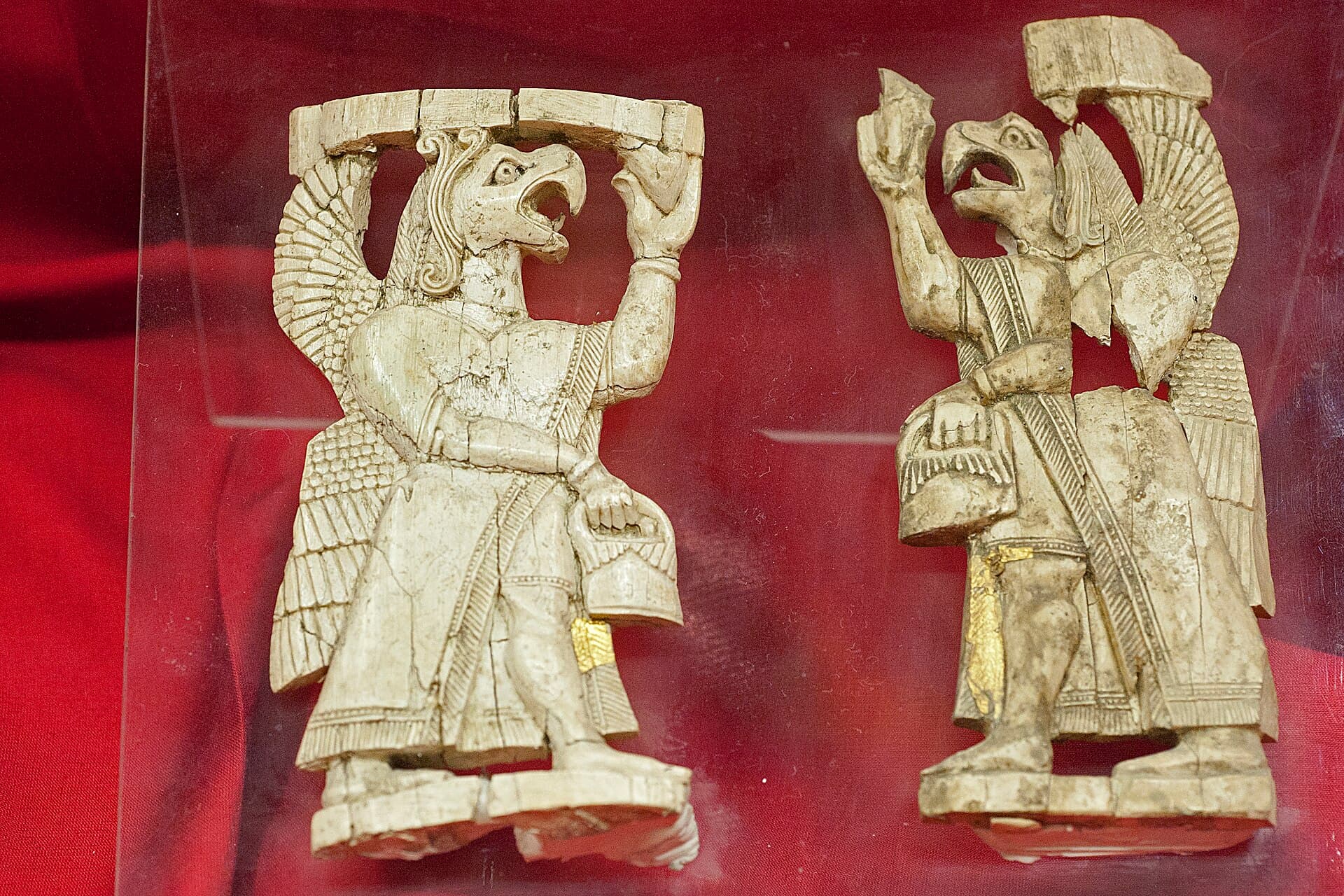 Museum of Anatolian CivilizationsUnder the ten domes of a fifteenth-century covered market where Ankara's merchan2 min walk4.7
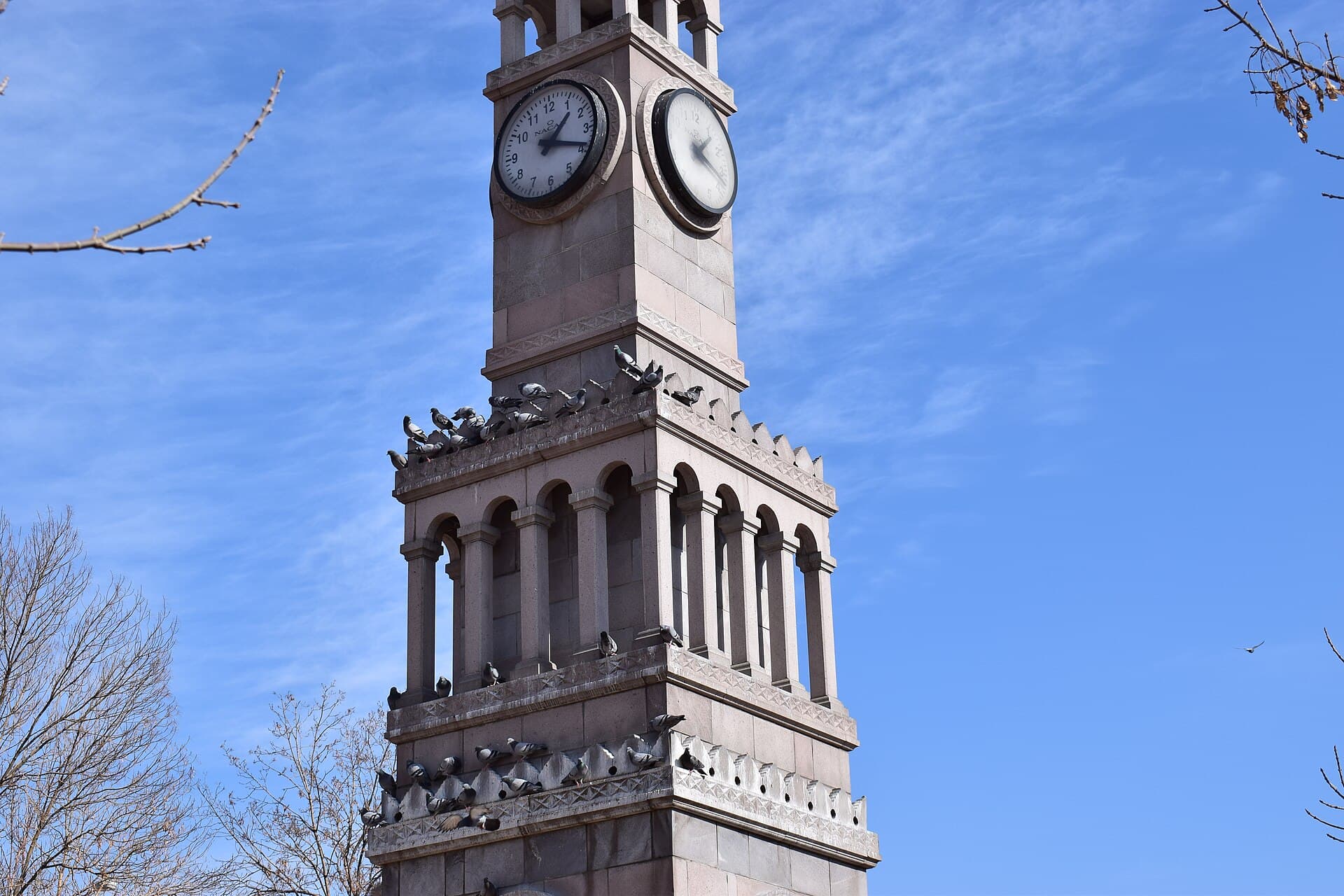 HamamönüTurkey's national anthem was written here, in a small room of a dervish lodge in6 min walk4.5
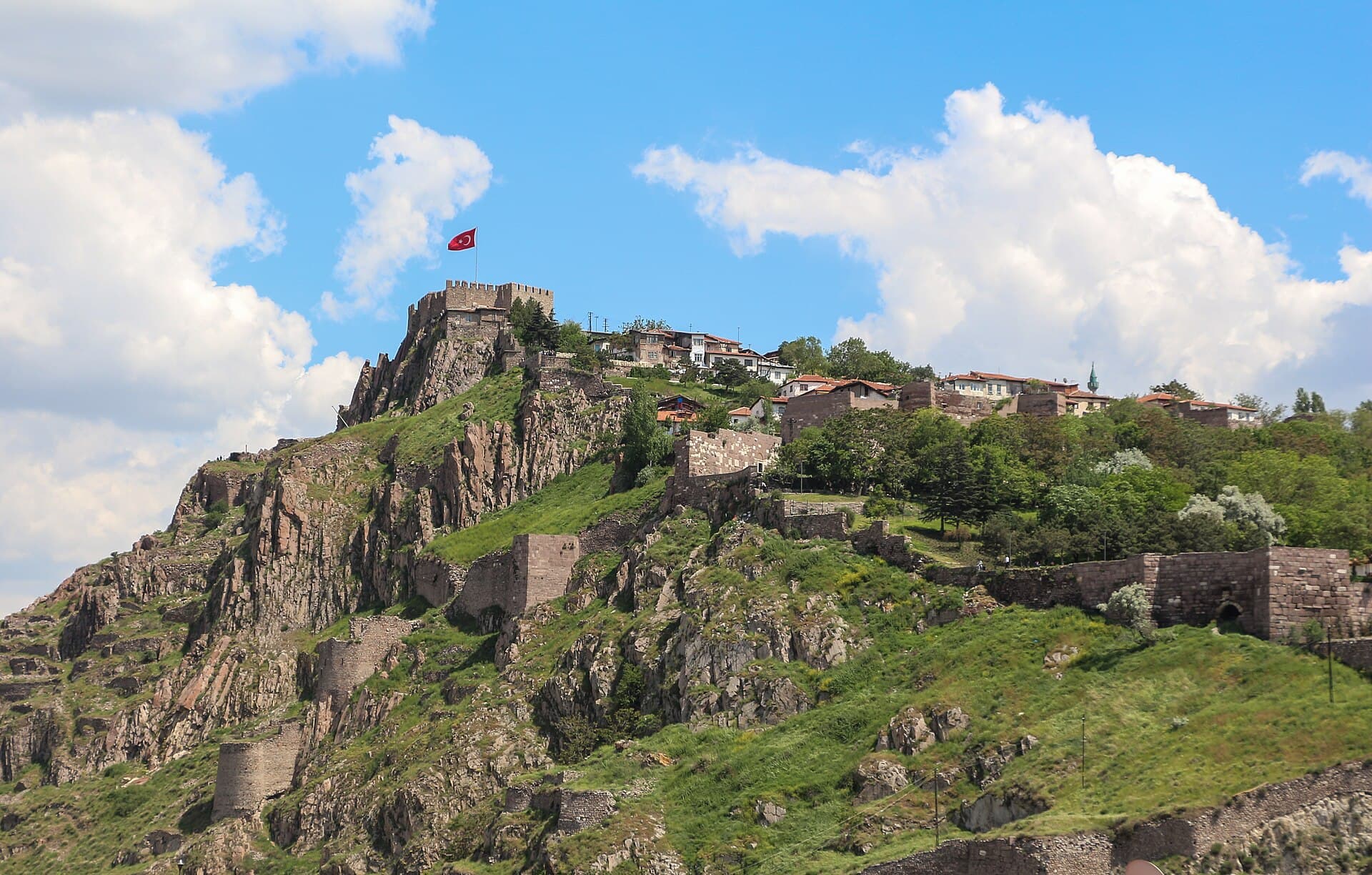 Ankara CastleLook closely at the walls of Ankara Castle and you will find Roman column drums,6 min walk4.3
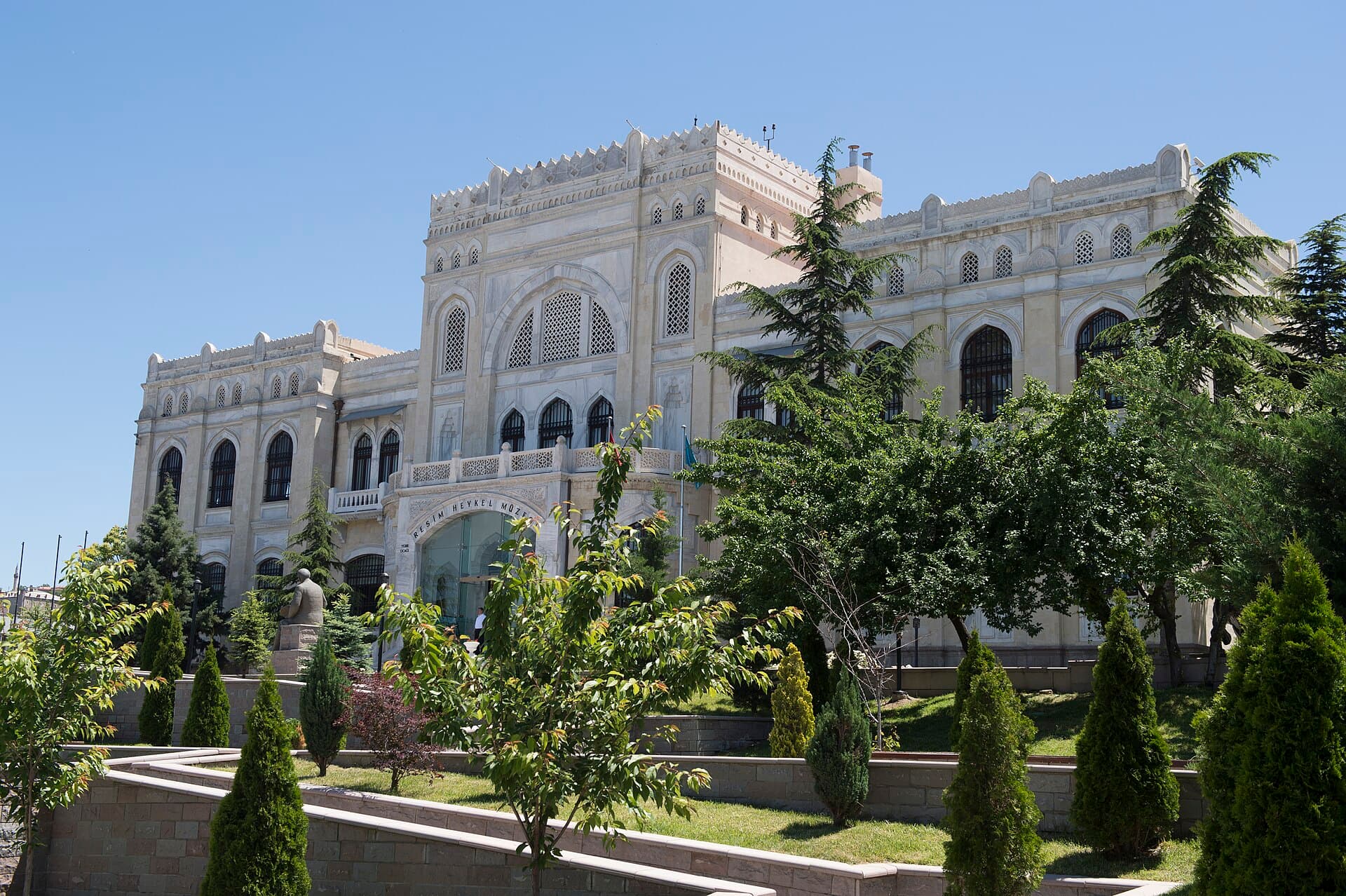 Ankara Painting and Sculpture MuseumHalf the ticket price here buys the building, not the paintings. The palace that10 min walk4.8
With children this is the most forgiving museum in Ankara: cars, miniature trains, toys and craft workshops rather than statues behind glass. The Anatolian Civilisations museum matters more archaeologically but bores young ones. Do both: the castle in the morning, then this museum and lunch at its café or at the Safranhan Brasserie next door.
Yes, much smaller: the Istanbul branch at Hasköy sprawls along the Golden Horn with a submarine, aircraft and ships, while this one is essentially a single han (the neighbouring Safranhan holds the restaurant) that you finish in two hours. It wins on one thing only: the building itself and the Vehbi Koç shop story. Do not arrive expecting anything on Istanbul's scale.
Sign in to write your review of this place.
No reviews yet — be the first.