
The Tortoise Trainer
Osman Hamdi Bey's 1906 canvas, the most famous in Turkish art, in a quiet gallery where you can stand before it as long as you like.
Tatiana Matlina — CC BY-SA 3.0 · Dosseman — CC BY-SA 4.0 · Dosseman — CC BY-SA 4.0 · Dosseman — CC BY-SA 4.0
The most famous painting in Turkish art history hangs not in a palace or a state museum but in a converted hotel from 1893, two minutes off İstiklal Avenue. Osman Hamdi Bey's «The Tortoise Trainer», an old man leaning patiently over tortoises dawdling at his feet, is the crown jewel of the Pera Museum: the Suna and İnan Kıraç Foundation bought it in 2004 for a then-record sum and opened the museum around it the following year. The canvas is larger than reproductions suggest, well over two metres tall, and standing in front of it in a quiet, half-empty gallery is a moment no crowded state museum can offer. The second floor is the whole reason to come. The Orientalist collection gathers European and Ottoman painters who depicted harems, bazaars, embassies and the Bosphorus between the seventeenth century and the early twentieth. The pleasure is double: the pictures are beautiful in their own right, and they show how Europe saw the East, and how Osman Hamdi Bey, the Ottoman painter who trained in Paris under Gérôme, answered with canvases that cast the Oriental as reader and thinker rather than decoration. The first floor holds two quieter collections, Anatolian weights and measures from prehistory to the end of the empire, and the colourful Kütahya ceramics. Twenty minutes covers both. The upper floors rotate temporary exhibitions every few months, generally of good international standard, and a small cinema screens classic and independent films regularly. The building is air-conditioned, spotless and lifted throughout, so a pushchair or wheelchair is no trouble, and the ground-floor cafe is one of the few genuinely calm spots in the whole district. Small children need half an hour; teenagers who draw will find more here than they expect. Adults pay 300 TL, children twelve and under go free, and there is no need to book. The museum closes on Monday and opens free of charge every Friday from six until ten in the evening, an ideal refuge after a stifling summer sunset on İstiklal. One caveat: the state Museum Pass Istanbul does not cover it, since it is a private foundation. Take the M2 metro to Şişhane and walk about ten minutes, or stroll down from Taksim Square in about a quarter of an hour.
Osman Hamdi Bey's 1906 canvas, the most famous in Turkish art, in a quiet gallery where you can stand before it as long as you like.
Three centuries of Europe looking at the Ottoman East, and Ottoman painters answering back, on the second floor.
Every Friday from six to ten in the evening admission is free and the temporary shows on the upper floors stay open.
Meşrutiyet Caddesi No. 65, Tepebaşı, Beyoğlu
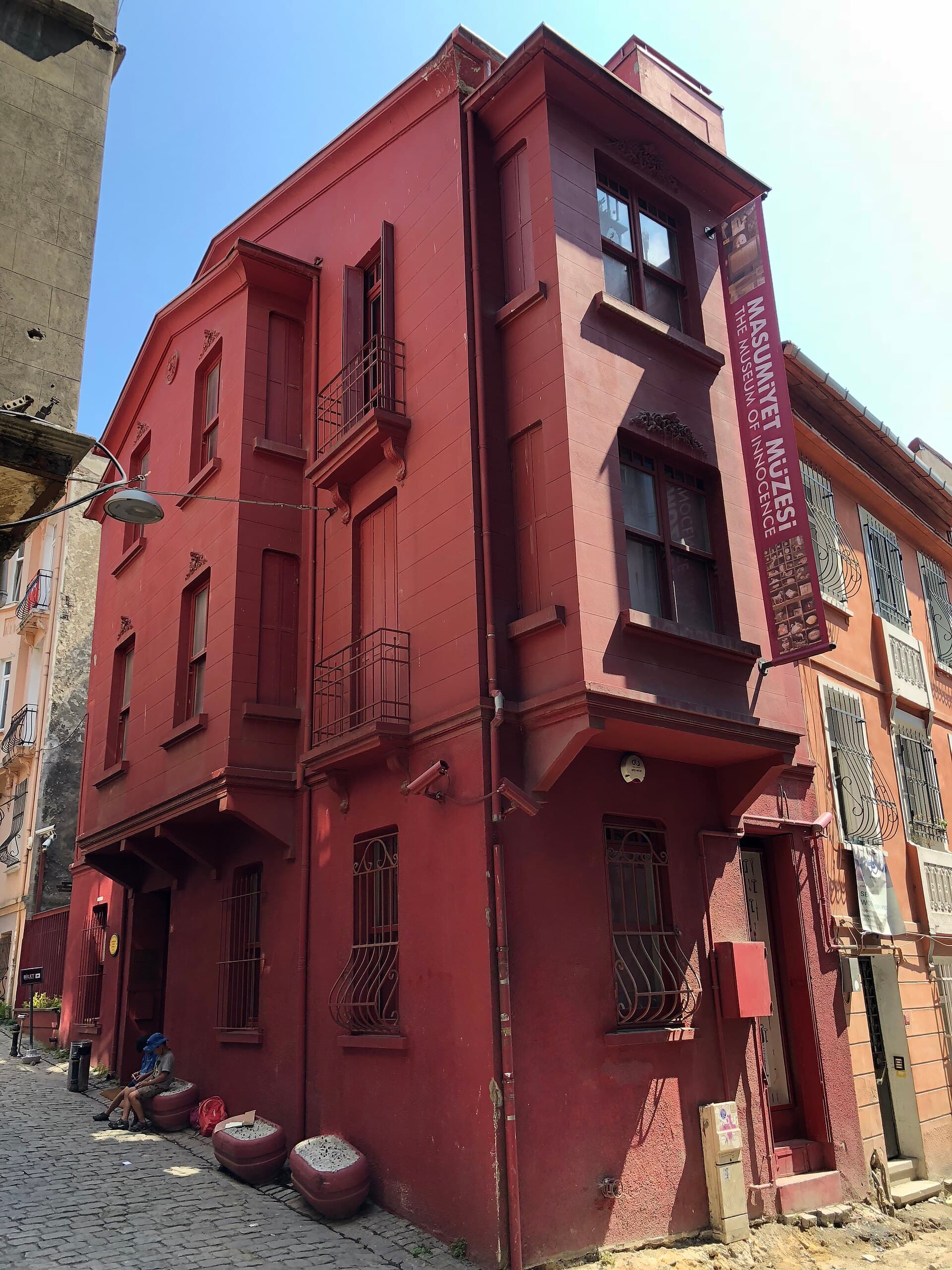 The Museum of InnocenceFour thousand two hundred and thirteen cigarette butts are pinned to one wall of5 min walk
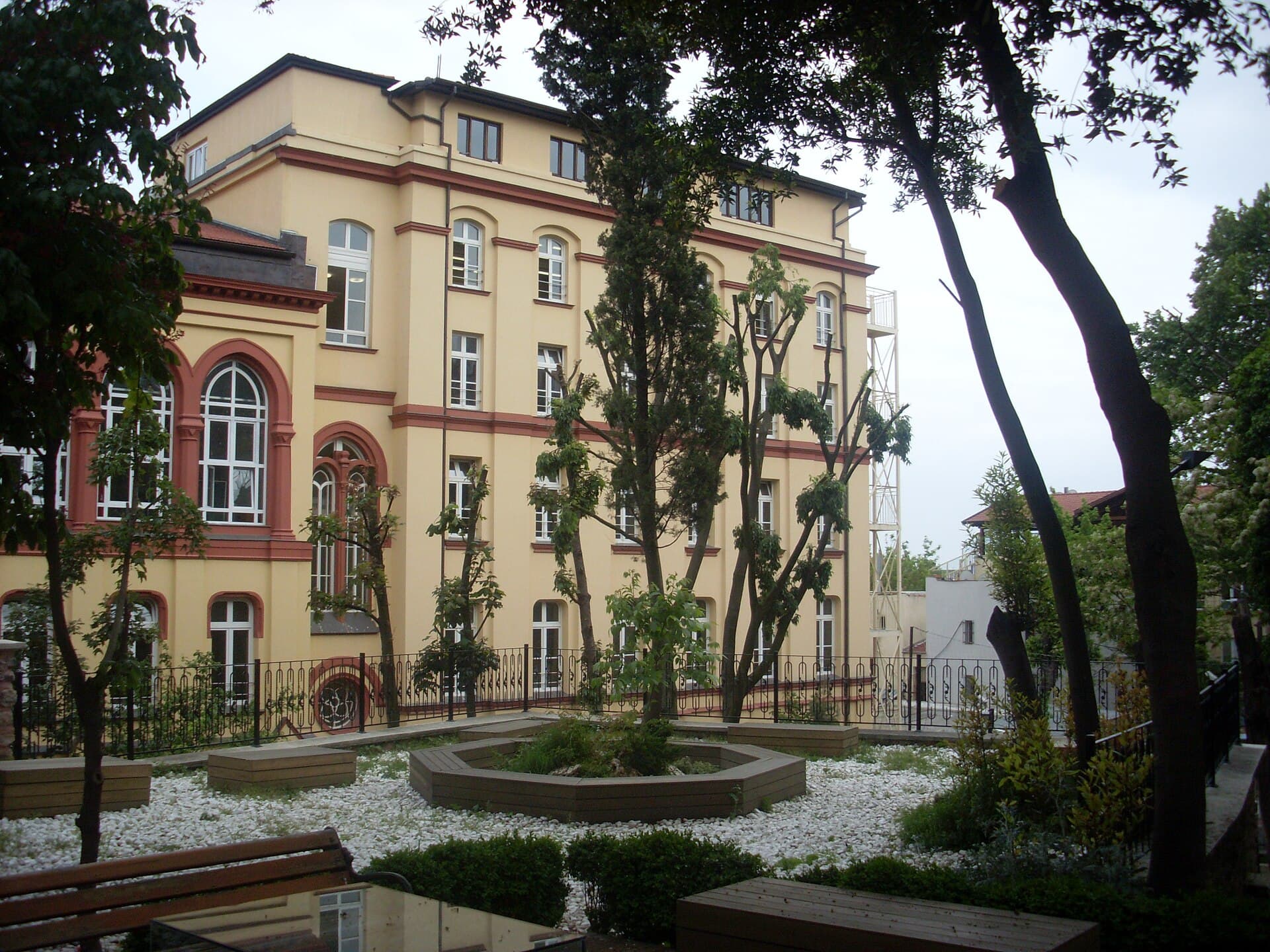 Galata Mevlevi Lodge MuseumOne minute from the Tünel funicular, behind a stone gate you could easily walk p5 min walk
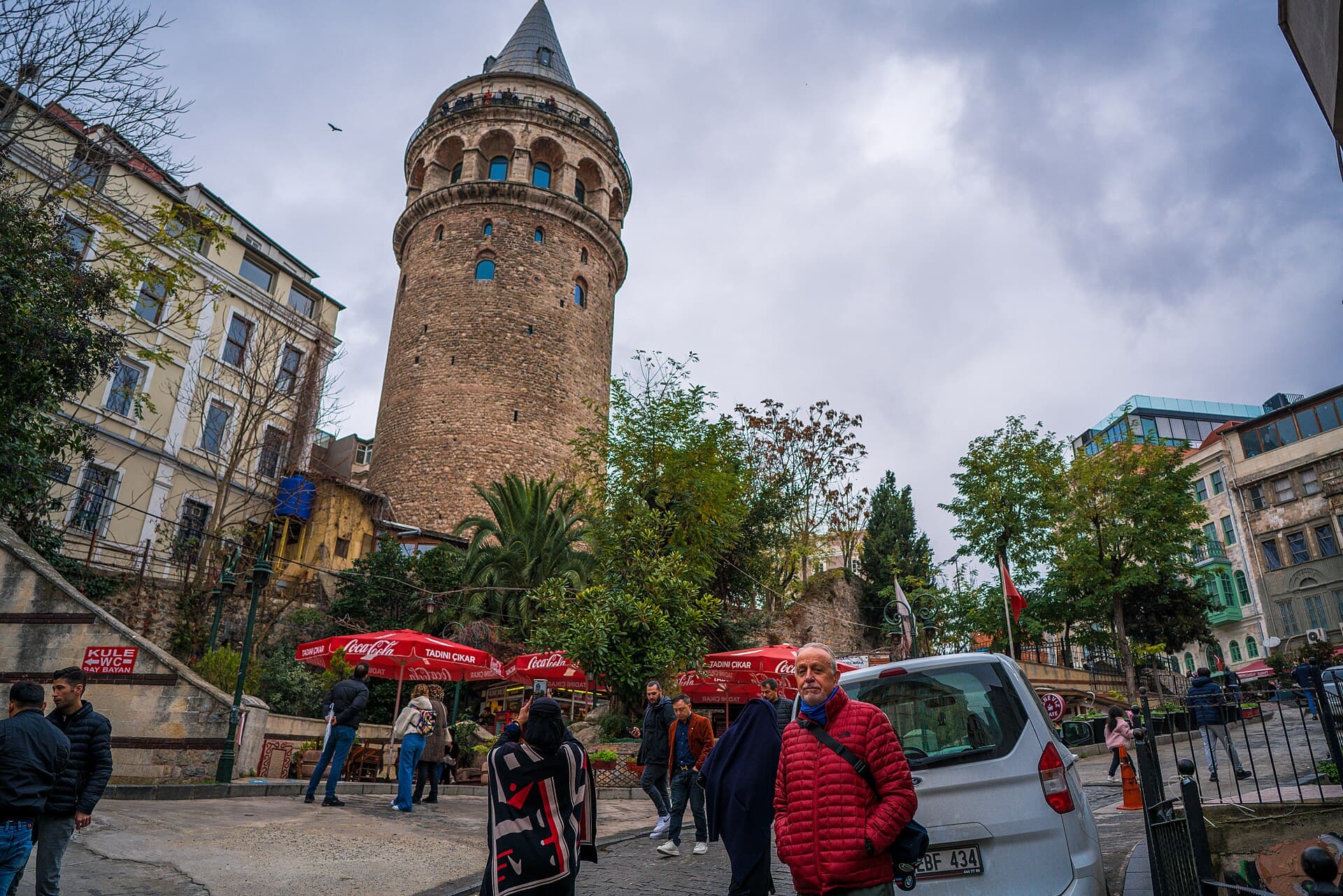 Galata TowerA fourteenth-century stone tower on the Galata hill north of the Golden Horn, am9 min walk4.7
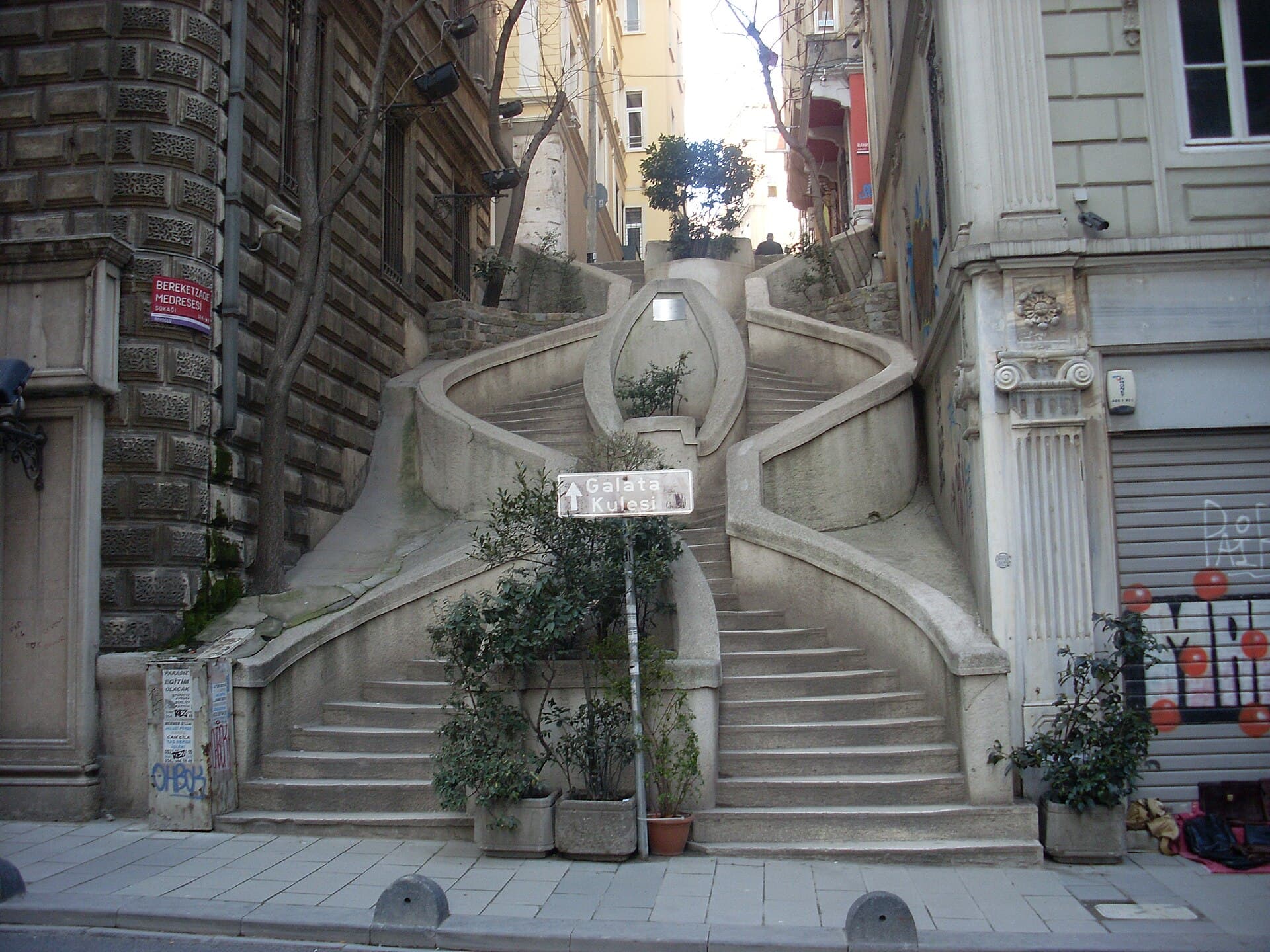 Camondo StairsA rich banker, so the story goes, built a staircase so his children could not tu11 min walk
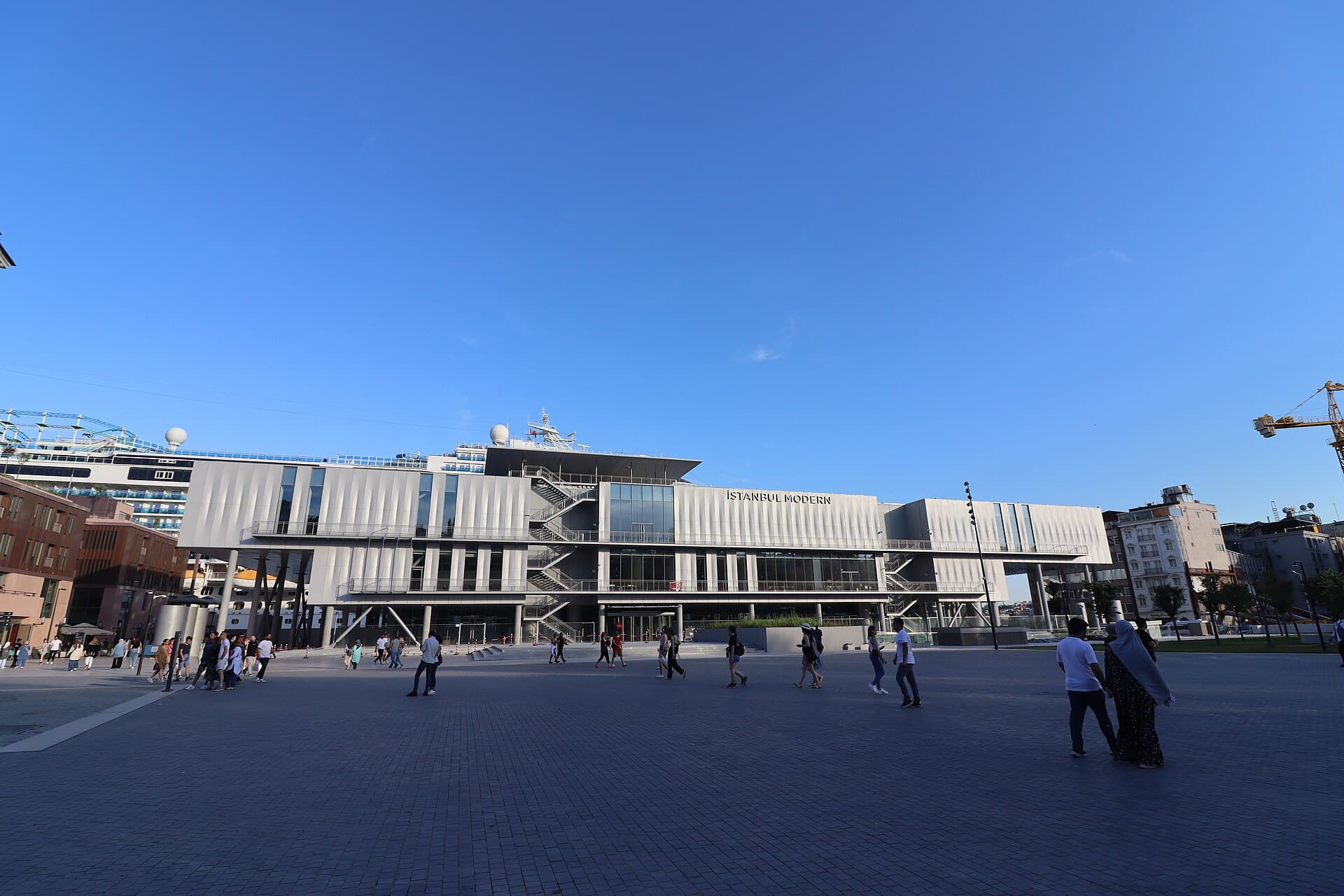 Istanbul ModernThe roof of this building is a shallow sheet of water only a few centimetres dee11 min walk
With only three days, put Hagia Sophia and Topkapı ahead of it. But if you are already on İstiklal and want a calm, air-conditioned hour among good paintings, it is the best option in Beyoğlu, and the free Friday evening makes the decision easy.
Younger ones lose interest after half an hour, but the building is easy on them: lifts to every floor, clean toilets and a calm cafe. Children twelve and under enter free, so there is nothing lost in trying.
Sign in to write your review of this place.
No reviews yet — be the first.