
The octagonal semahane
An 1859 ceremony hall with a wooden floor and galleries on three sides, now holding the dervish robes and instruments.
VikiPicture — CC BY-SA 3.0 · Dosseman — CC BY-SA 4.0 · Dosseman — CC BY-SA 4.0 · Dosseman — CC BY-SA 4.0
One minute from the Tünel funicular, behind a stone gate you could easily walk past between the guitar shops of Galip Dede Street, hides the oldest Mevlevi lodge in Istanbul. It was founded by İskender Paşa in 1491, barely forty years after the conquest, and the instant you step through the gate the noise of İstiklal drops away into a quiet courtyard of trees and tombstones. The main building with its octagonal wooden hall dates in its present form from 1859; the lodge was shut with the Sufi orders in 1925, came back as the Divan Literature Museum in 1975 and reopened after a full restoration in 2011. It closed again for restoration in May 2023 and has only recently reopened, with parts of the complex still off-limits. The museum itself is small and an hour covers it. The heart is the semahane, the ceremony hall, with its wooden floor, mihrab and pulpit, ringed on three sides by upper galleries that once held women and musicians and now hold the displays: white dervish robes and tall felt hats, ney flutes and kudüm drums, calligraphy, Qur'an manuscripts and marbled paper. To the right of the gate a small domed türbe holds the poet Şeyh Galib, the lodge's most celebrated sheikh; out in the courtyard is the hamuşan, a cemetery of turban-topped headstones, each turban carved to show the rank of the man beneath, among them İbrahim Müteferrika, who set up the first Ottoman printing press in Arabic script and whose remains were moved here in 1942. Nothing here dazzles in the tourist sense, but few places in Istanbul explain Ottoman Sufism so honestly, in its own house. The real event is the Sunday sema: the ministry's site lists it at 18:00, older visitor reports say 17:00, so confirm the time on the museum's social channels or on arrival, and check first that it has resumed since the restoration. The hall seats roughly 150, the ticket is separate from museum entry and priced in lira at a fraction of the tourist shows, and according to the ministry page it is sold online only through Biletinial rather than at the lodge, although past visitors have described buying at the lodge the Saturday before; either way it is usually gone long before the ceremony. Remember this is a genuine act of worship performed by dervishes, not a dinner show like the ones in Sultanahmet: no applause, no flash, no leaving during the whirling, and modest dress is a courtesy rather than a rule. Getting here is easy: the historic Tünel from Karaköy and a one-minute walk, or the M2 metro to Şişhane, and since it sits halfway between İstiklal and Galata Tower it slots naturally into an evening stroll. The courtyard is flat and pushchair-friendly, but the galleries are up a wooden staircase. Small children enjoy the garden and get bored by an hour of silence at the sema; over ten it is a different story. Everything is indoors or shaded, so August heat is irrelevant and a wet winter Sunday suits it perfectly.
An 1859 ceremony hall with a wooden floor and galleries on three sides, now holding the dervish robes and instruments.
A small domed tomb of the poet Şeyh Galib by the gate, and a courtyard cemetery of carved turban headstones including İbrahim Müteferrika of the first Ottoman press.
A real hour-long ritual for about 150 people whose tickets vanish fast, with no applause and no flash.
Galip Dede Cad. No:15, Şahkulu, Beyoğlu
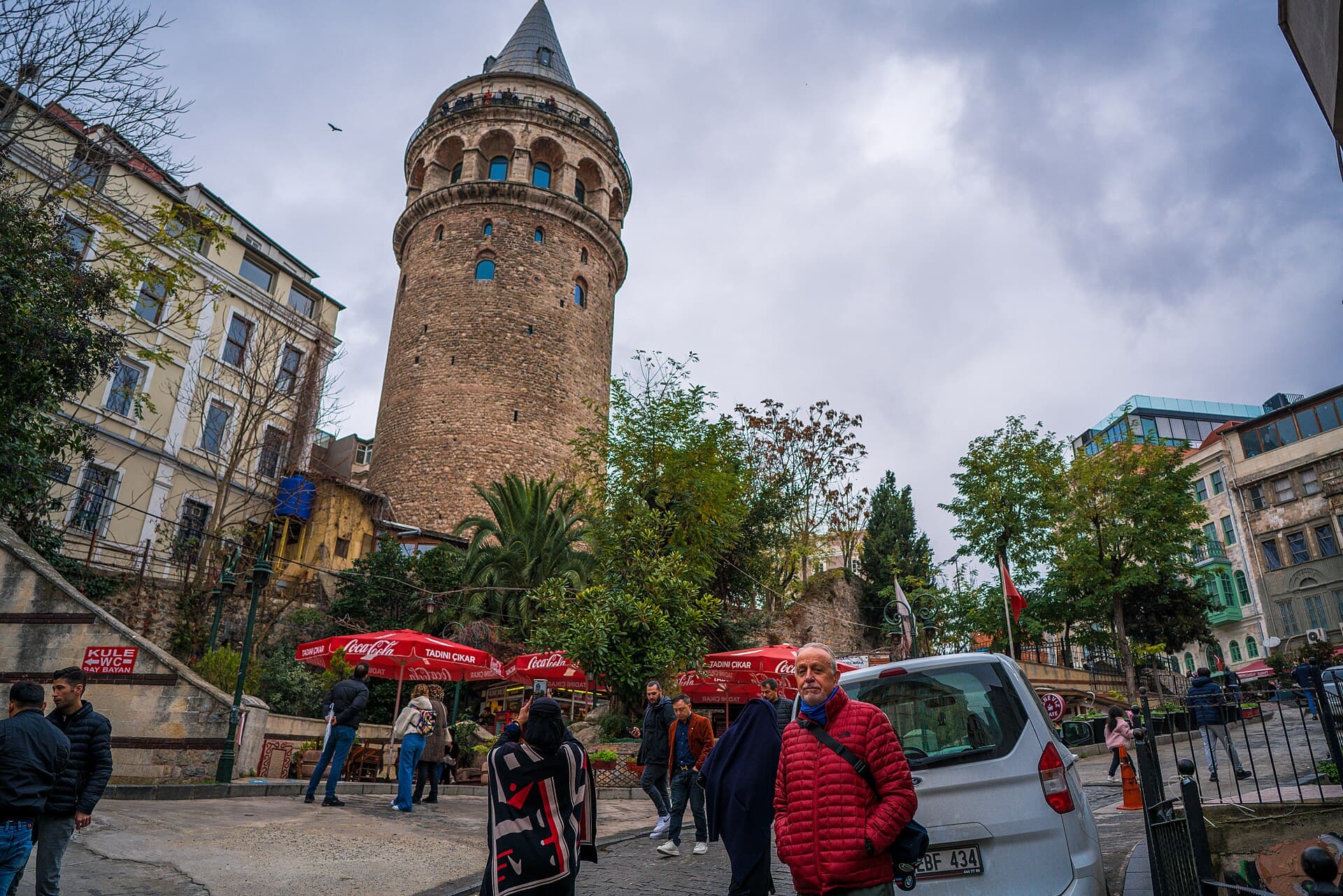 Galata TowerA fourteenth-century stone tower on the Galata hill north of the Golden Horn, am4 min walk4.7
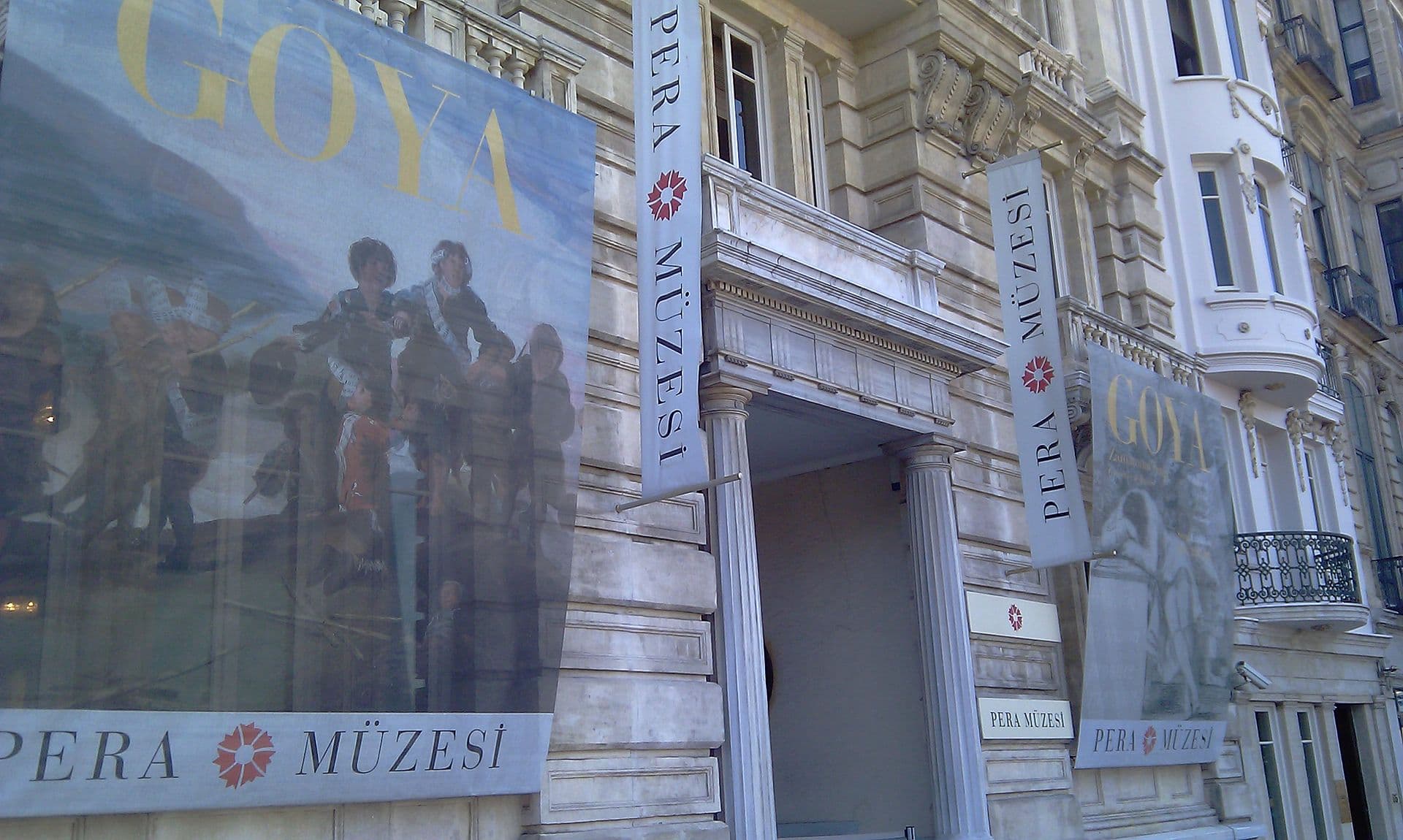 Pera MuseumThe most famous painting in Turkish art history hangs not in a palace or a state5 min walk
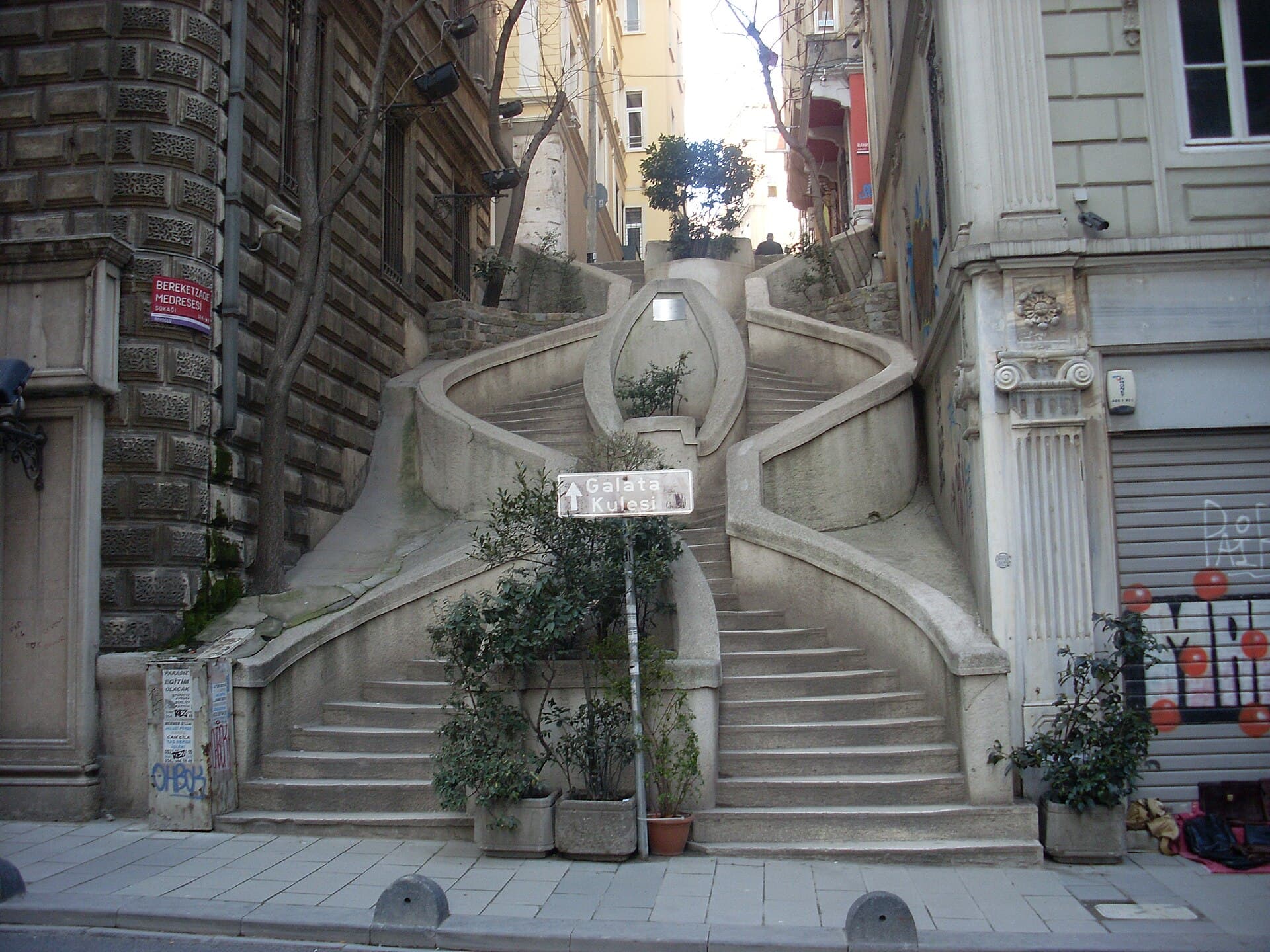 Camondo StairsA rich banker, so the story goes, built a staircase so his children could not tu6 min walk
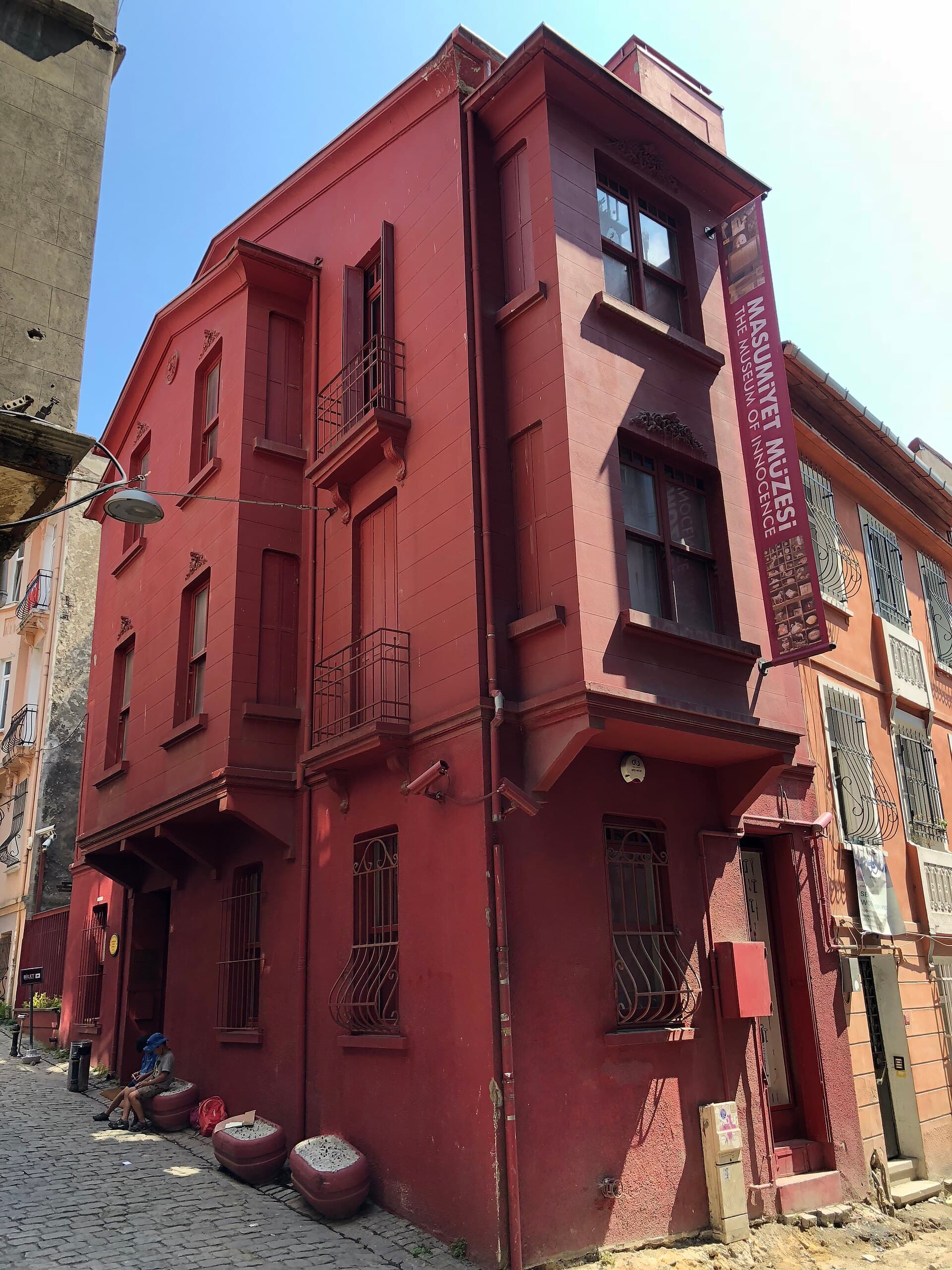 The Museum of InnocenceFour thousand two hundred and thirteen cigarette butts are pinned to one wall of6 min walk
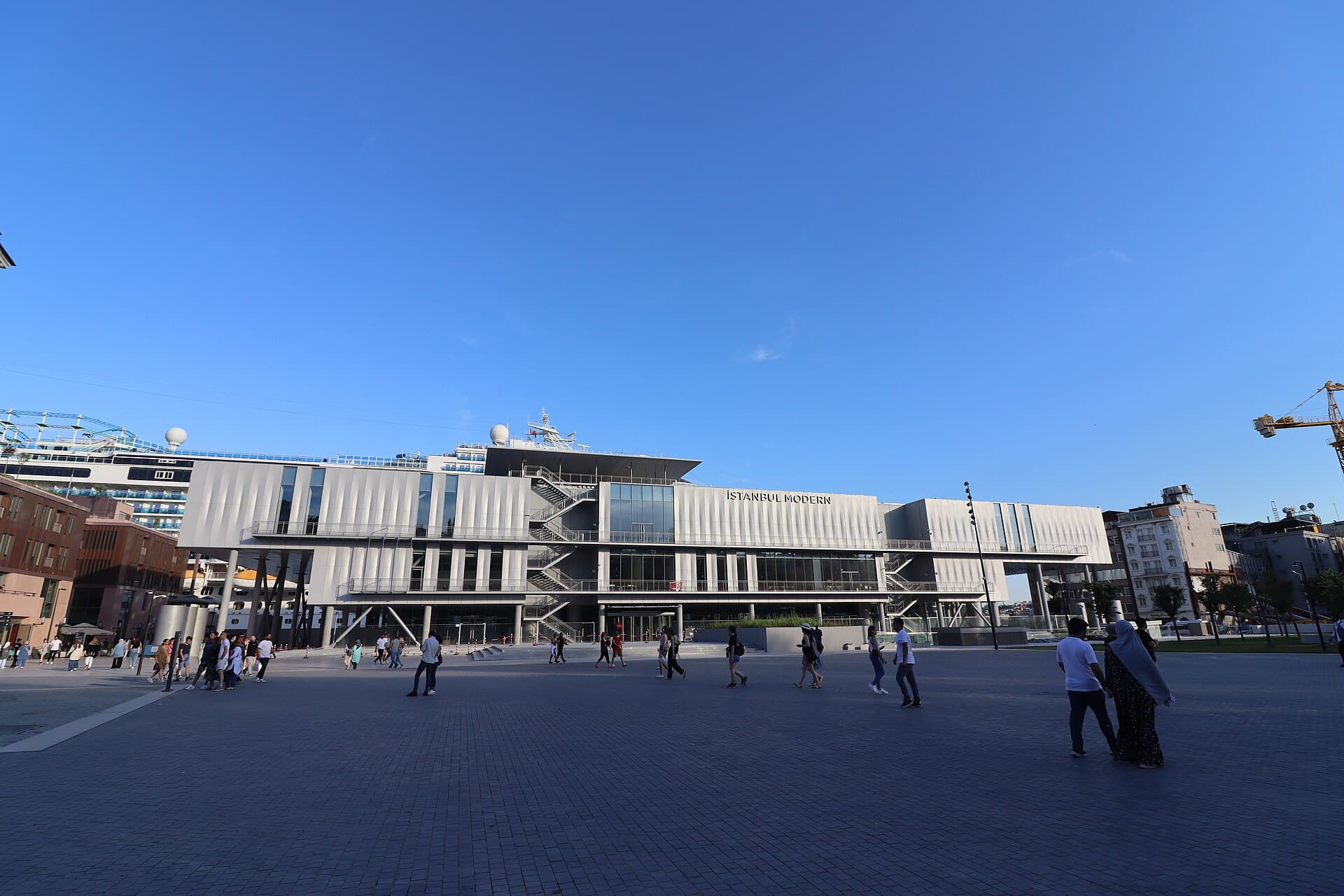 Istanbul ModernThe roof of this building is a shallow sheet of water only a few centimetres dee9 min walk
If you are in Istanbul on a Sunday and can get a ticket in time, come here without hesitation: a genuine ritual in the original lodge for very little money. But it runs once a week and sells out fast, and tickets go through the ministry's online seller Biletinial, so do not leave it to the last minute; Hodjapasha runs most nights with comfortable seats, advance booking and a much higher price (roughly 30 EUR or more), and suits families with children or anyone who cannot plan around a Sunday.
It is worth an hour if Ottoman Sufism interests you or you are passing between Tünel and Galata Tower anyway; the courtyard, hall and tombstones are lovely and calm. If your time is tight, the museum is small with limited displays and some sections still closed after the restoration, and Galata Tower or İstiklal come first.
Sign in to write your review of this place.
No reviews yet — be the first.