
The earthquake clock
Stopped since 1963.
Juan Antonio F. Segal from Madrid, Spain — CC BY 2.0 · Suicasmo — CC BY-SA 4.0 · Nikolina Hristovska — CC BY-SA 3.0 · Svik at Bulgarian Wikipedia — CC BY-SA 3.0 · Robot8A — CC BY-SA 4.0 · Tashkoskim — CC BY-SA 3.0
The City Museum occupies what is left of Skopje's old railway station, and the building itself tells the city's most important modern story. At 5:17 on the morning of 26 July 1963 an earthquake destroyed much of Skopje. The station's western wing and part of its centre survived, and the clock on the façade has been left showing the moment the earthquake struck. The museum was founded in 1949 and moved into the restored part of the station in 1970. Its permanent exhibitions follow the history of Skopje from the first settlements around 3000 BC through Roman Scupi and the Ottoman city to the rebuilding after the earthquake, across about 2,000 square metres of exhibition space. The ruined section beside it has been kept as it was, as a memorial. Entry is usually free, but opening hours differ between sources, so check before you go. It is a short walk south-west of Macedonia Square.
Stopped since 1963.
From 3000 BC.
A memorial.
Ss Cyril and Methodius Street, south-west of Macedonia Square, Skopje
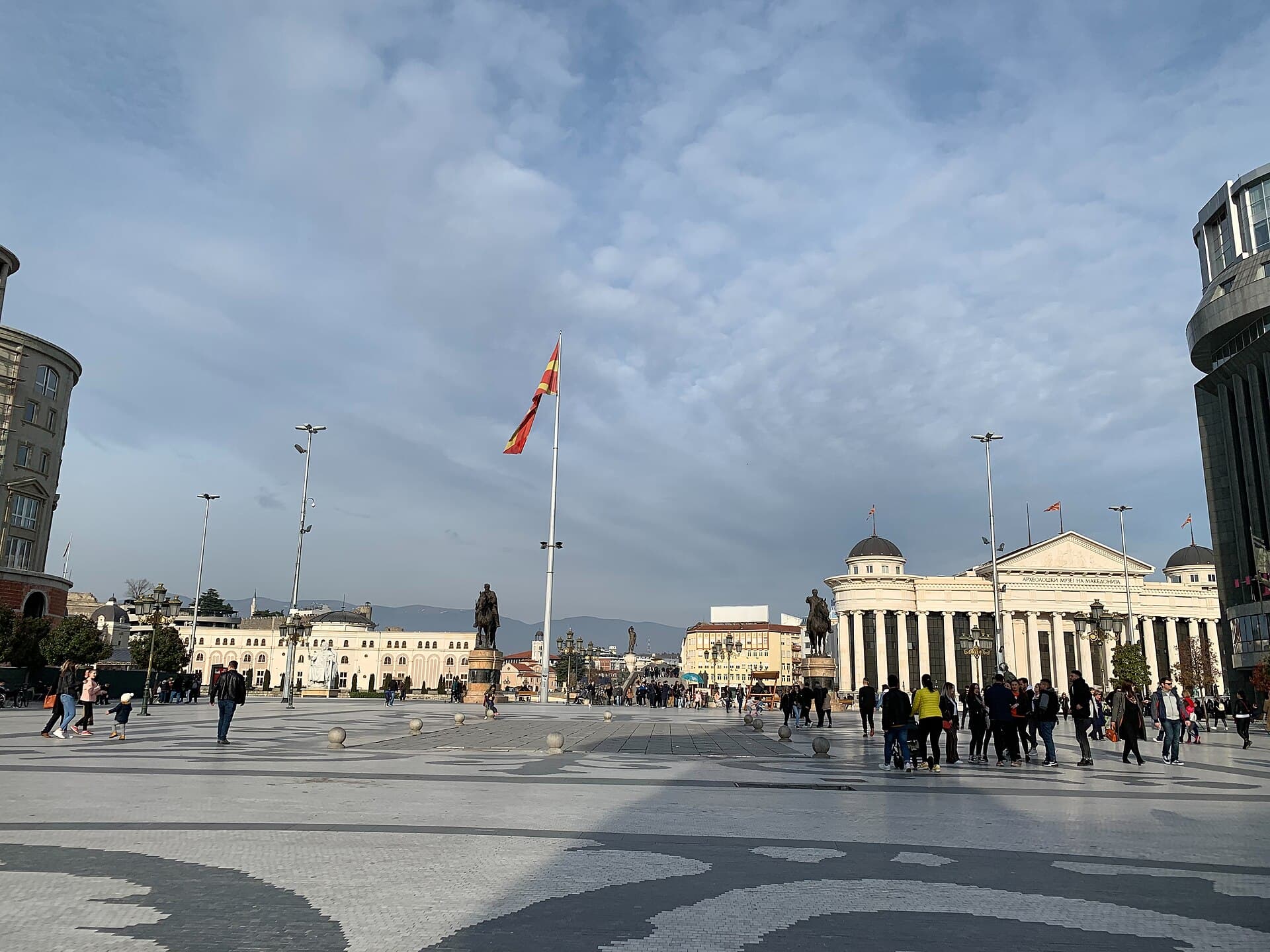 Macedonia SquareMacedonia Square is the main square of Skopje and the largest in the country, ab10 minutes walk
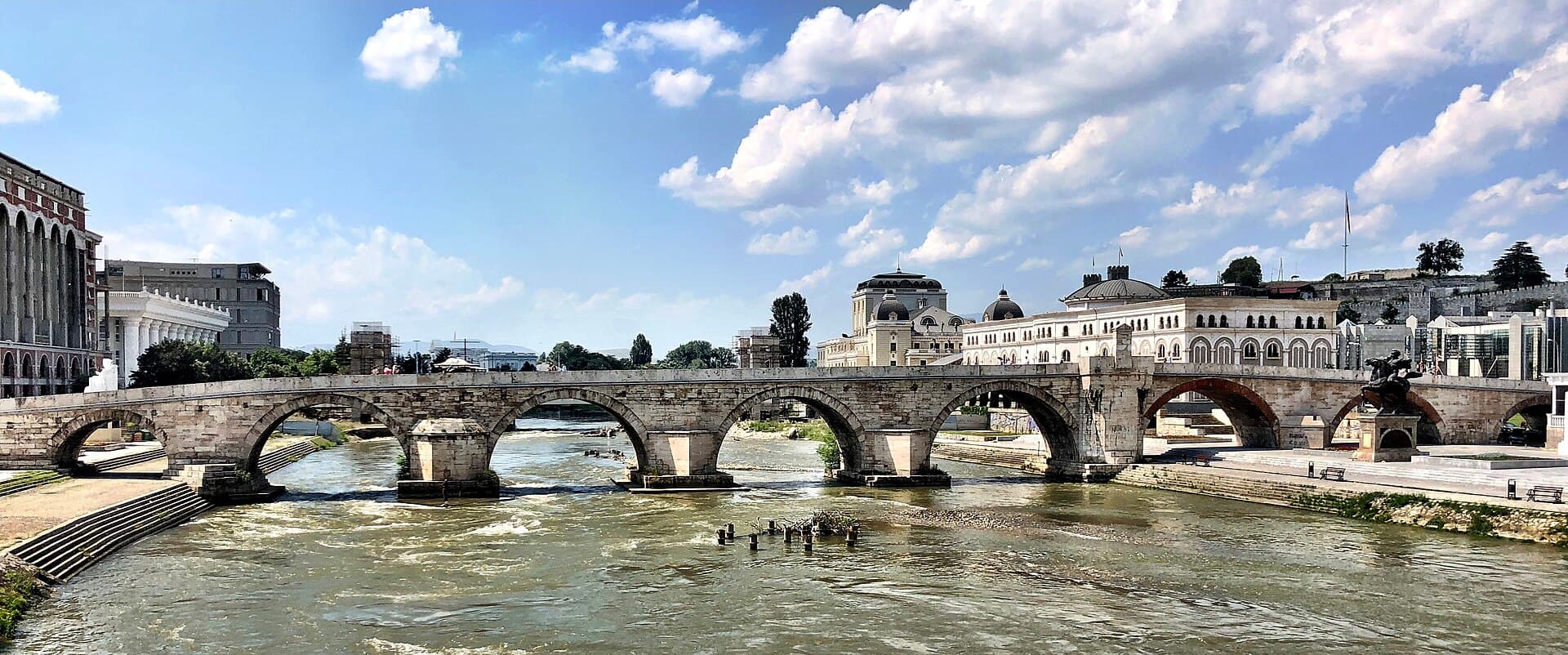 Stone BridgeThe Stone Bridge is the symbol of Skopje: a 15th-century Ottoman bridge across t10 minutes walk
 Archaeological Museum of North MacedoniaThe Archaeological Museum of North Macedonia occupies one of the large columned 10 minutes walk3.9
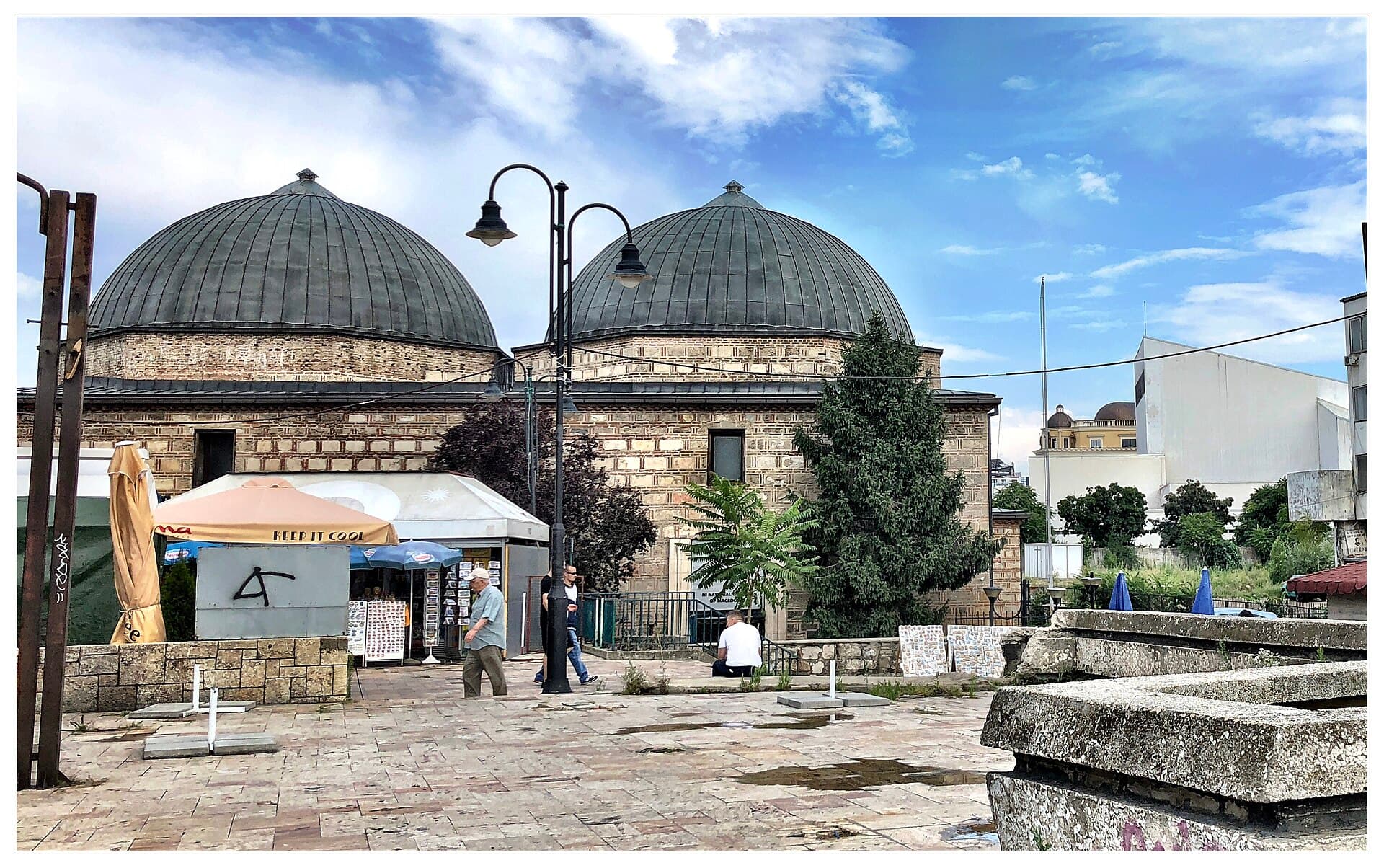 Daut Pasha HamamDaut Pasha Hamam is a 15th-century Ottoman bathhouse at the southern entrance to13 minutes walk4.5
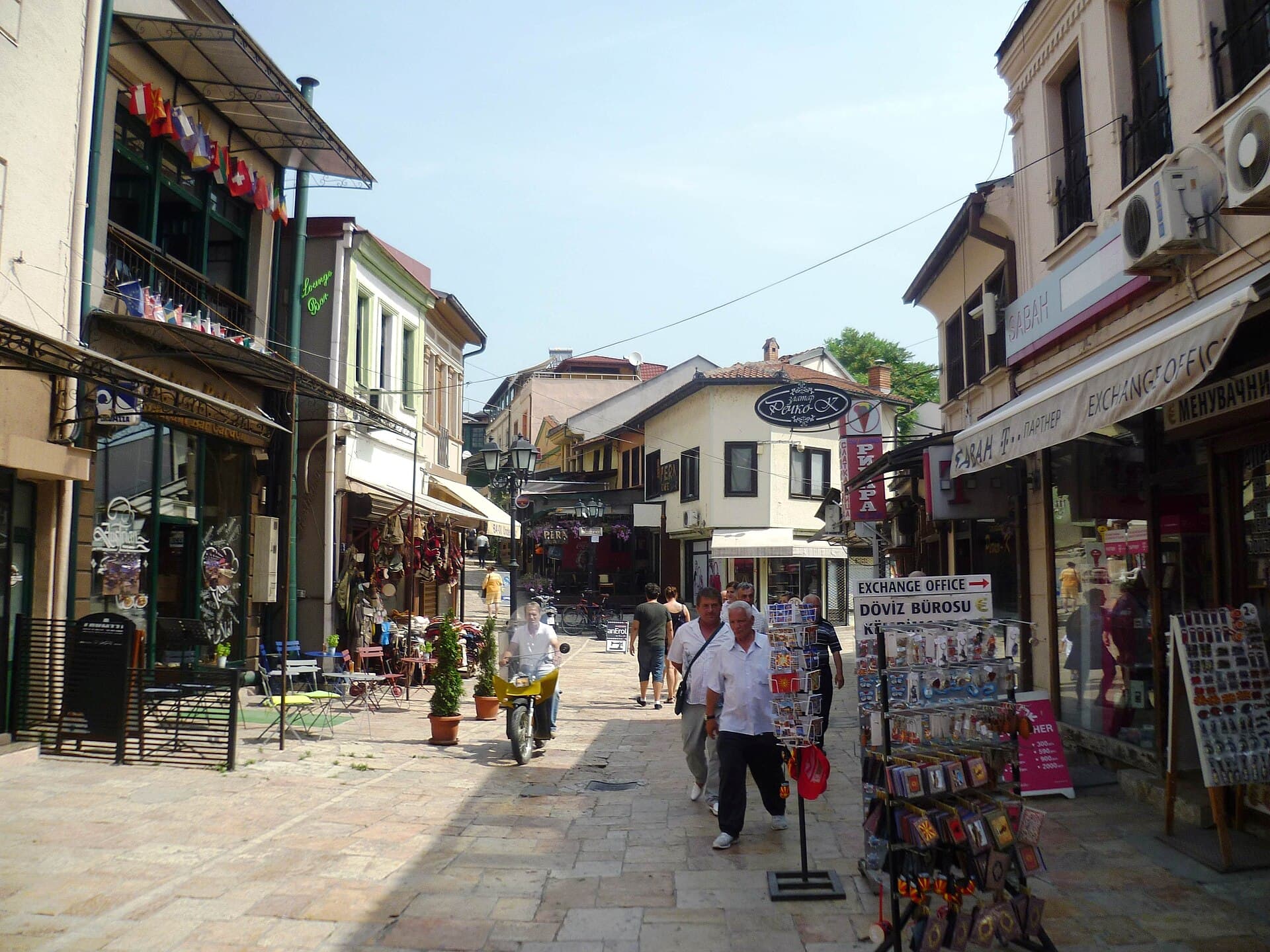 Old BazaarThe Old Bazaar, the Čaršija, spreads over the east bank of the Vardar from the S15 minutes walk4.4
It is the moment the earthquake of 26 July 1963 struck Skopje, and the clock has been left that way as a memorial.