
Icons on glass
Transylvania painting its saints in peasant colours.
Neoclassicism Enthusiast — CC BY-SA 4.0 · Chainwit. — CC BY-SA 4.0 · Chainwit. — CC BY-SA 4.0 · Chainwit. — CC BY-SA 4.0
European Museum of the Year 1996 and the Bucharest museum its own people love most: the Museum of the Romanian Peasant does not file its objects in cases but tells them as a poem — embroidered dress, icons on glass, rugs, tools and a whole timber house raised inside the hall, hung and placed by an artist's hand rather than a curator's. The basement keeps the memory of what communism erased: the Red Plague room with its Lenins and Stalins and the relics of forced collectivisation — the deliberate opposite of what stands above. The small courtyard market sells genuine crafts at fair prices, and the restaurant in the back garden is simple country cooking the neighbourhood favours. It neighbours the Antipa museum, so both fit one morning.
Transylvania painting its saints in peasant colours.
A whole home raised inside the gallery.
The memory of forced collectivisation in the basement.
Șoseaua Kiseleff 3, Bucharest
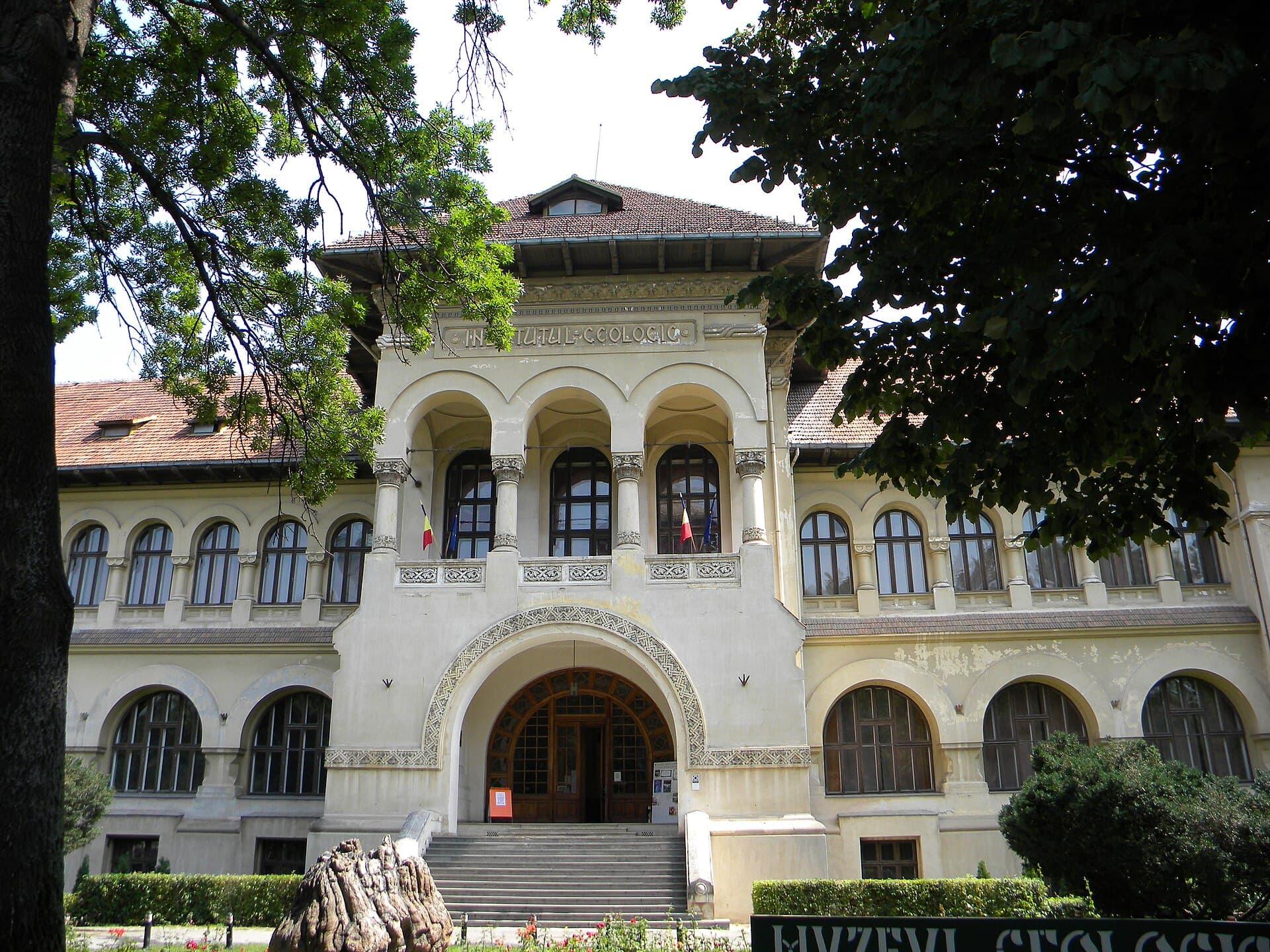 The National Geology MuseumThe National Geology Museum occupies a building of 1906 on Kiseleff avenue, dire2 minutes walk4.3
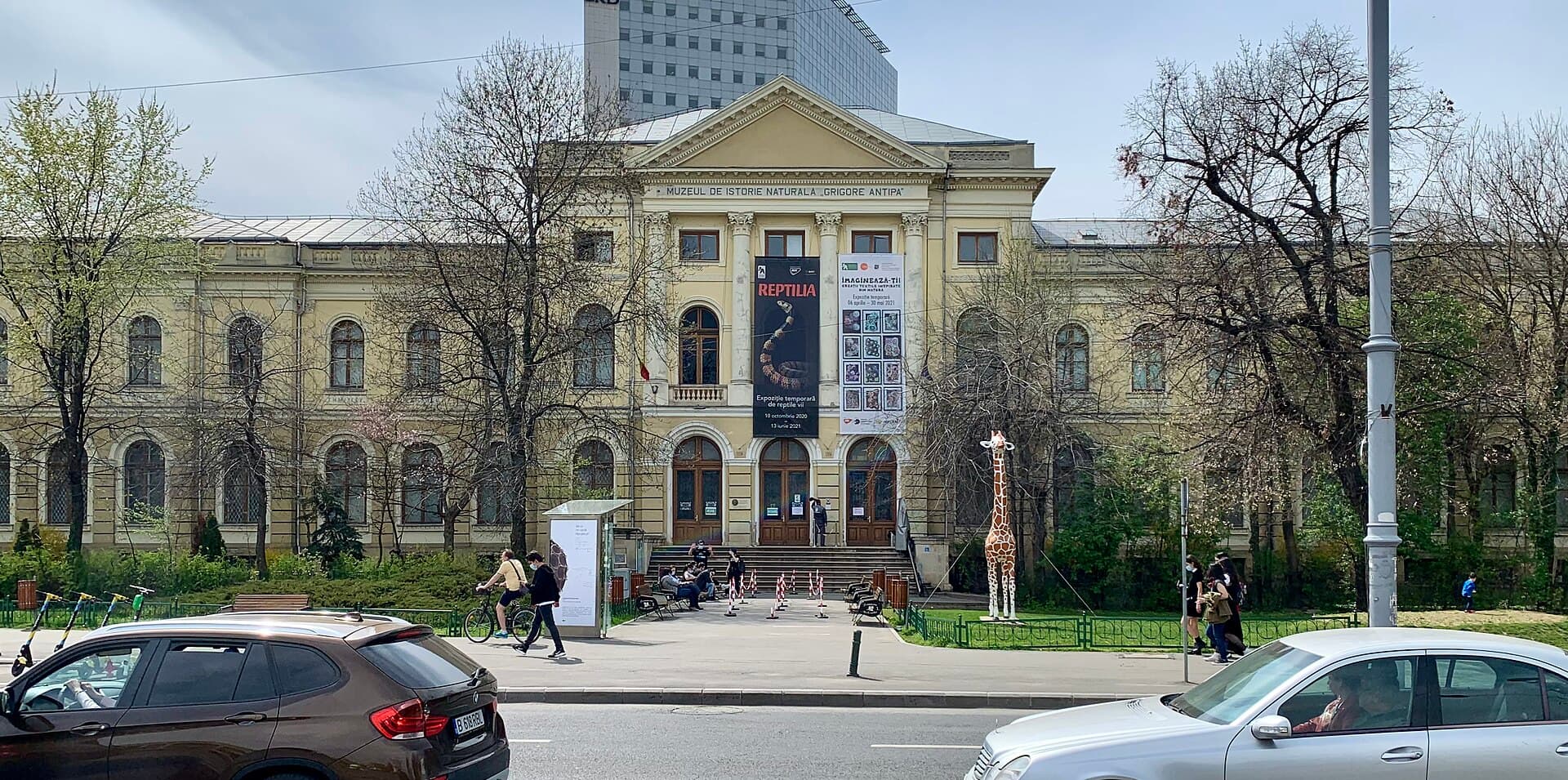 Grigore Antipa Natural History MuseumBucharest's best-loved museum for children and its most modern in display: the G2 minutes walk4.9
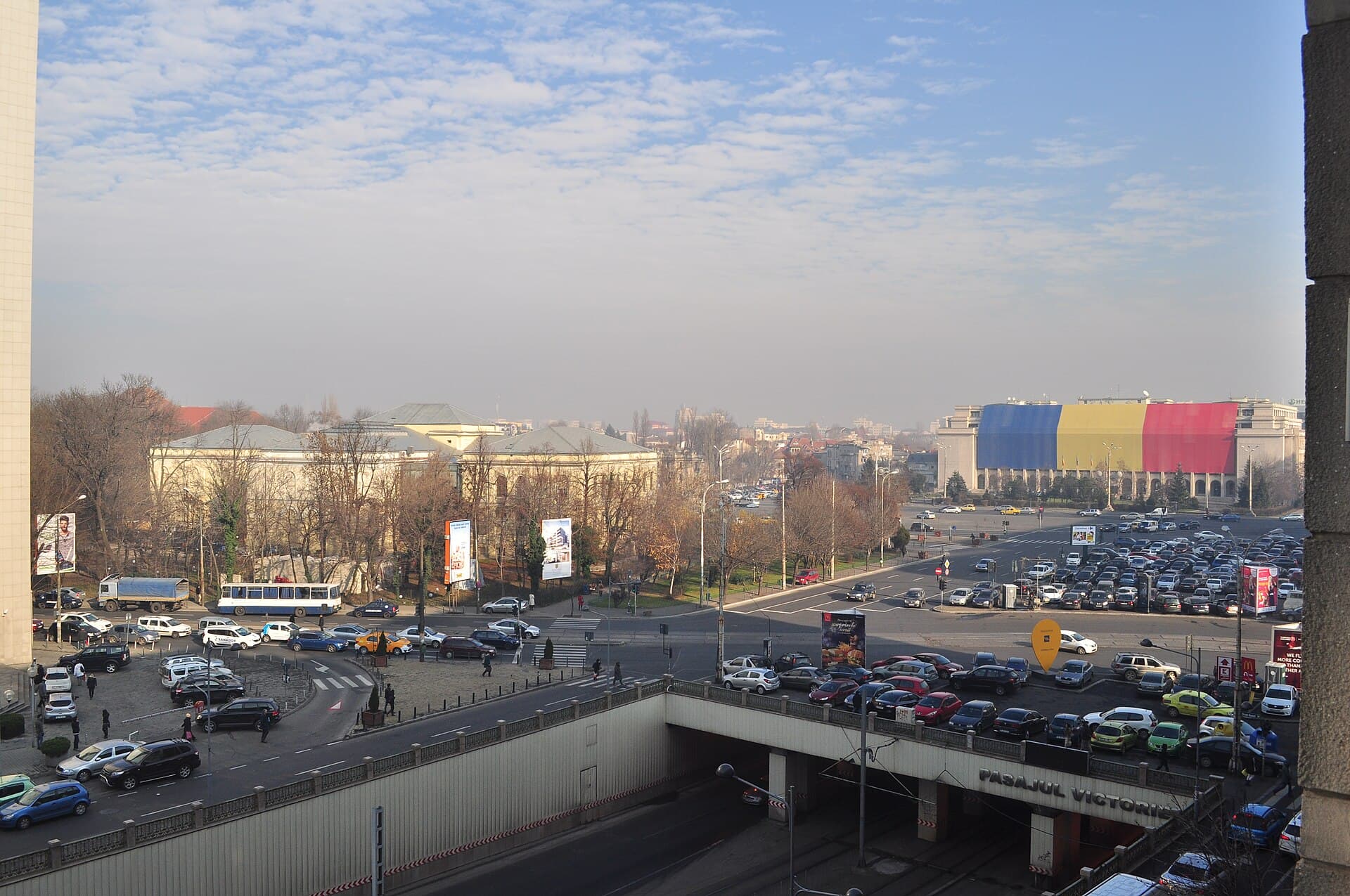 Piața VictorieiPiața Victoriei is a large junction north of central Bucharest where four main a3 minutes walk4.5
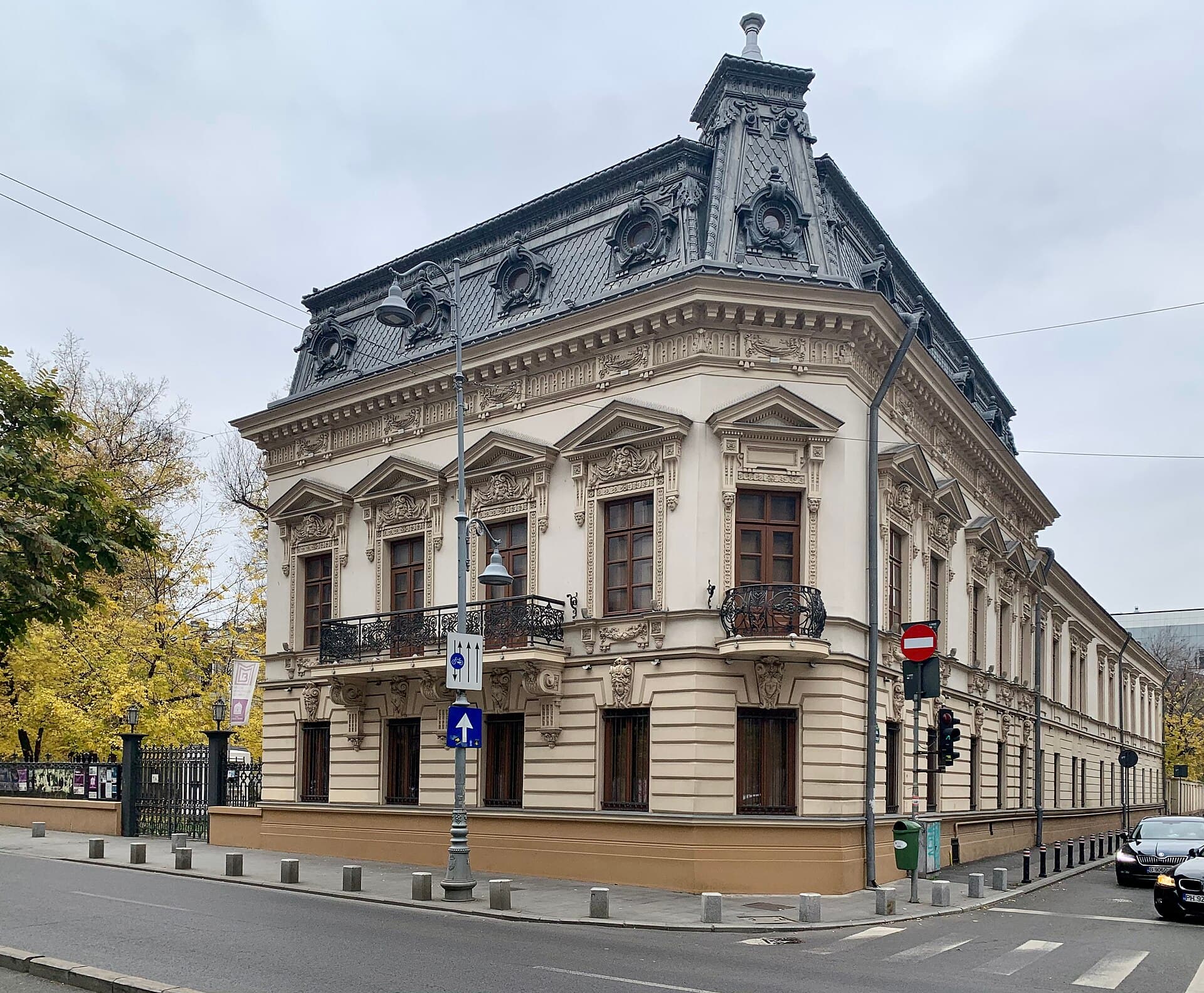 The Museum of Ages, Filipescu-Cesianu HouseA museum in a nineteenth-century town mansion on Calea Victoriei with an unusual7 minutes walk4.8
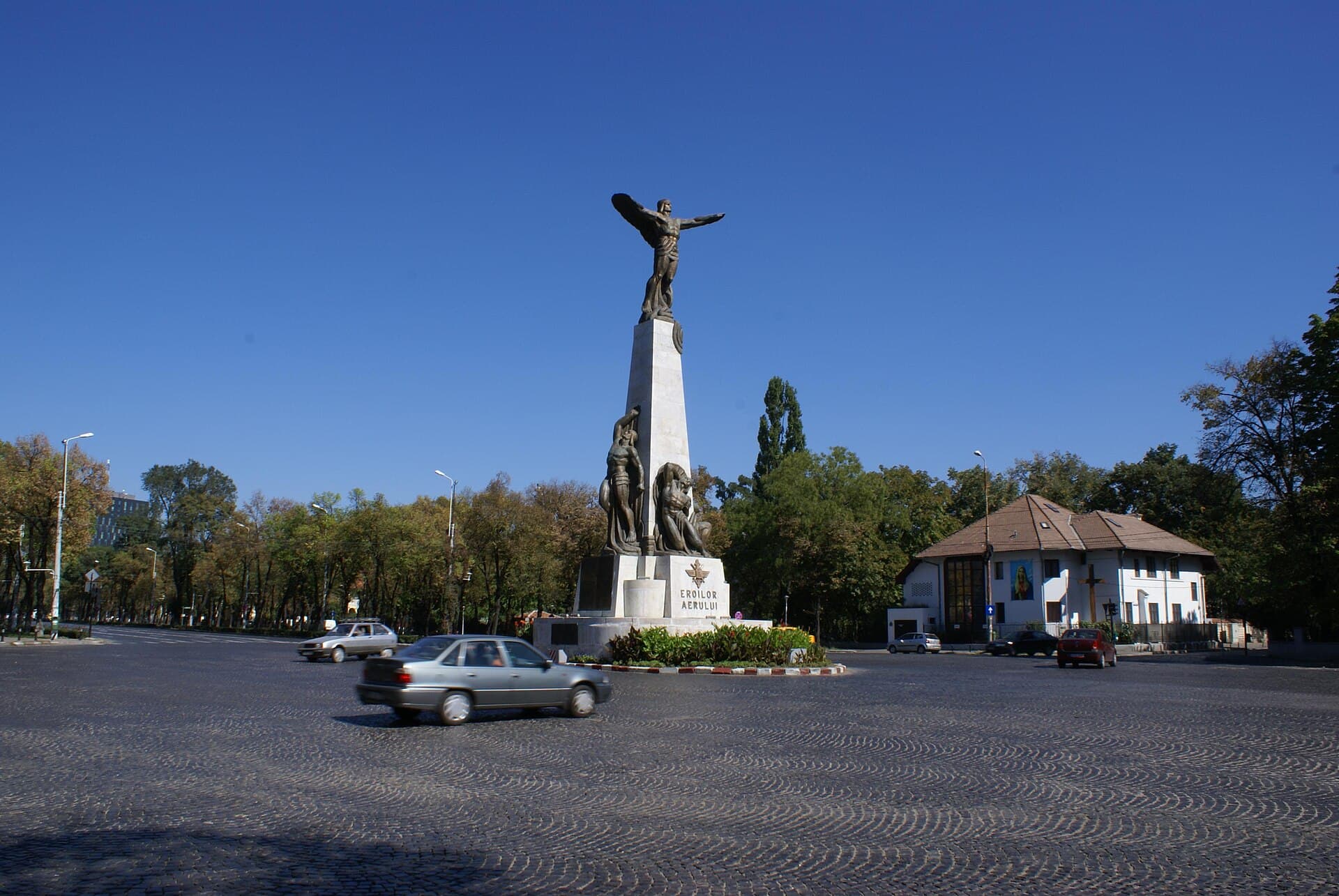 The Monument to the Heroes of the AirThe Monument to the Heroes of the Air stands at the centre of a roundabout on Bu8 minutes walk4.6
Right here in the courtyard: embroidered blouses, Horezu pottery and glass icons from their makers — more honest than the Old Town kiosks.