
The crystal hall
Baia Mare minerals among the finest found anywhere.
Britchi Mirela — CC BY-SA 3.0 ro · Britchi Mirela — CC BY-SA 3.0 ro · Britchi Mirela — CC BY-SA 3.0 ro
The National Geology Museum occupies a building of 1906 on Kiseleff avenue, directly opposite the Museum of the Romanian Peasant — and the building itself is handsome, with an ornamented white front. The collection is large and well arranged: minerals, crystals, fossils and rocks, most of them from Romania itself. That is the point — Romania is exceptionally rich geologically, the mines of Transylvania produced gold from Roman times, and the Baia Mare region yielded mineral crystals counted among the finest found anywhere. The hall worth the visit on its own is the one of crystals and native gold: natural gold in branching and leaf-like forms from the Transylvanian mines. For children there is a fossil section with skeletons and footprints. **The building is cool and quiet**, which makes it a good choice on a hot summer day, and the entry charge is low.
Baia Mare minerals among the finest found anywhere.
Skeletons and footprints that suit children.
Șoseaua Kiseleff 2, Bucharest
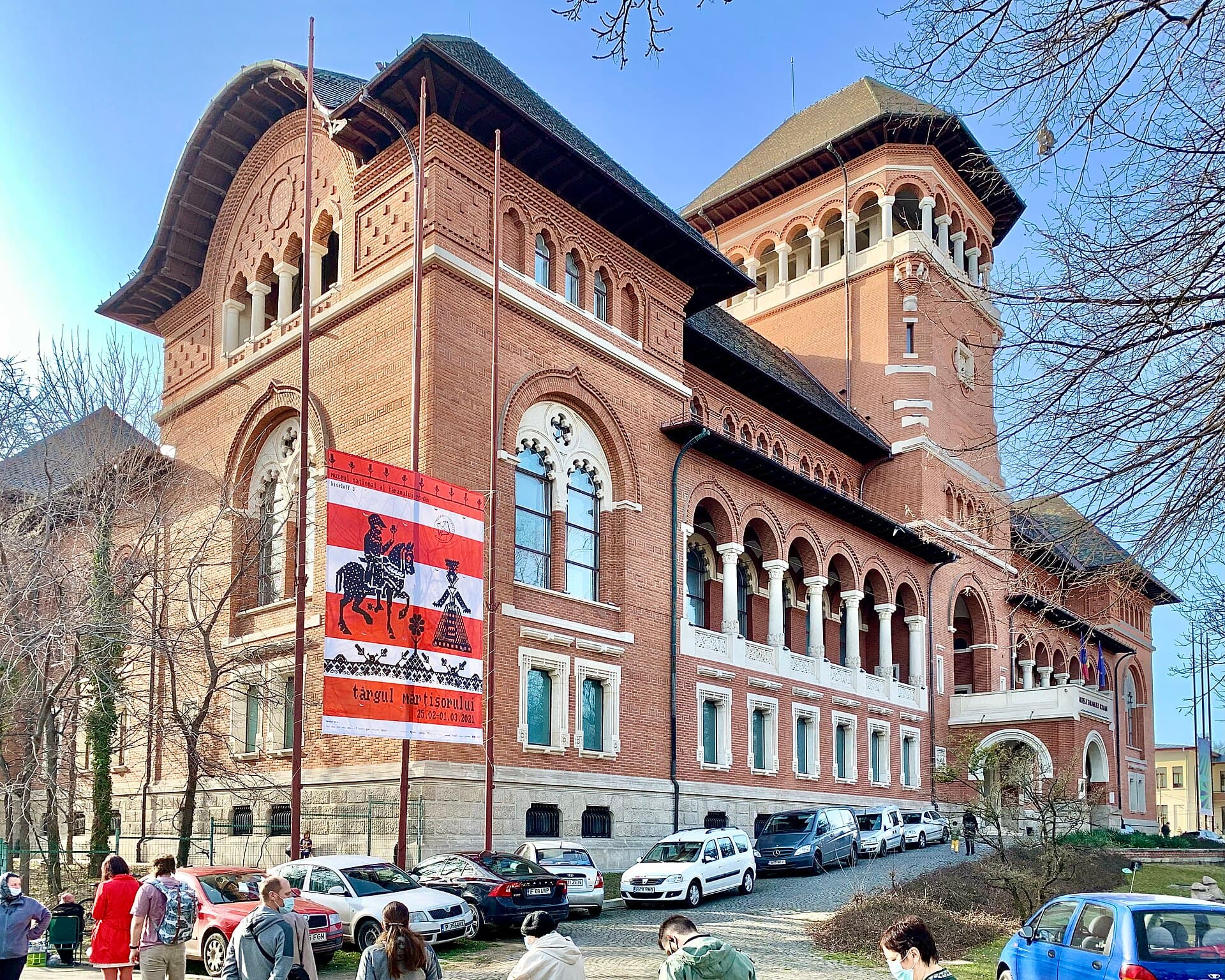 Museum of the Romanian PeasantEuropean Museum of the Year 1996 and the Bucharest museum its own people love mo2 minutes walk4.5
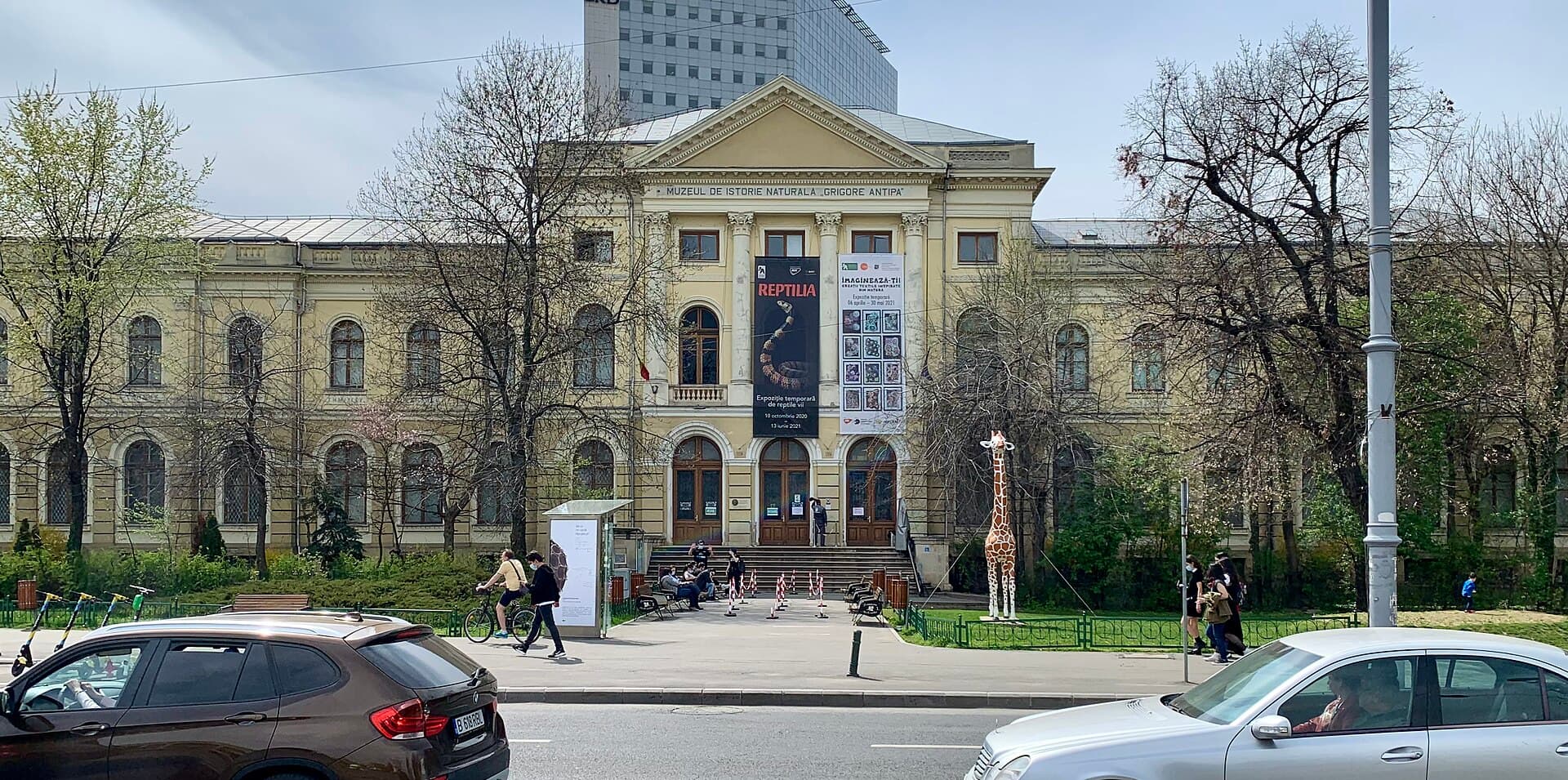 Grigore Antipa Natural History MuseumBucharest's best-loved museum for children and its most modern in display: the G3 minutes walk4.9
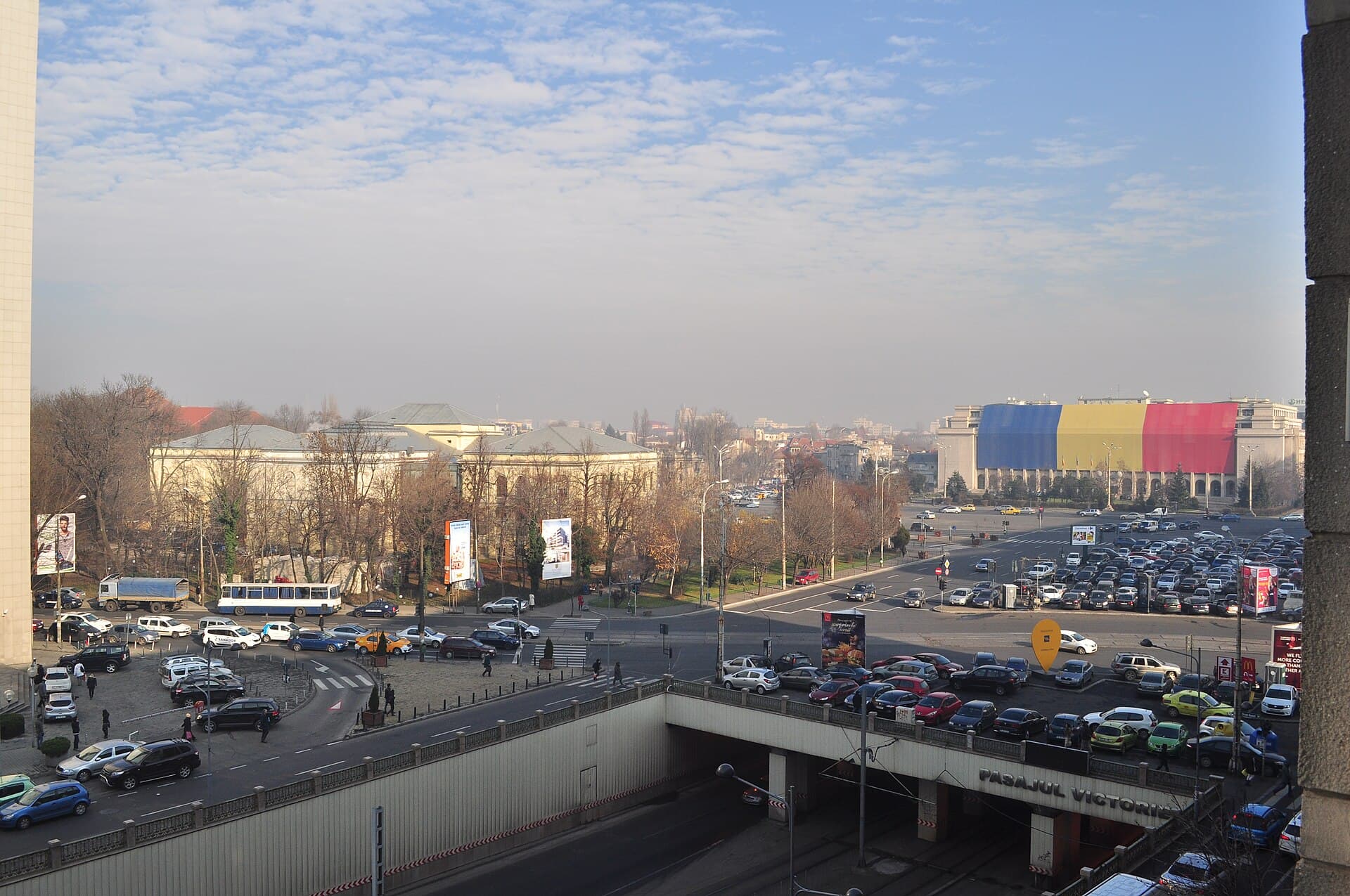 Piața VictorieiPiața Victoriei is a large junction north of central Bucharest where four main a3 minutes walk4.5
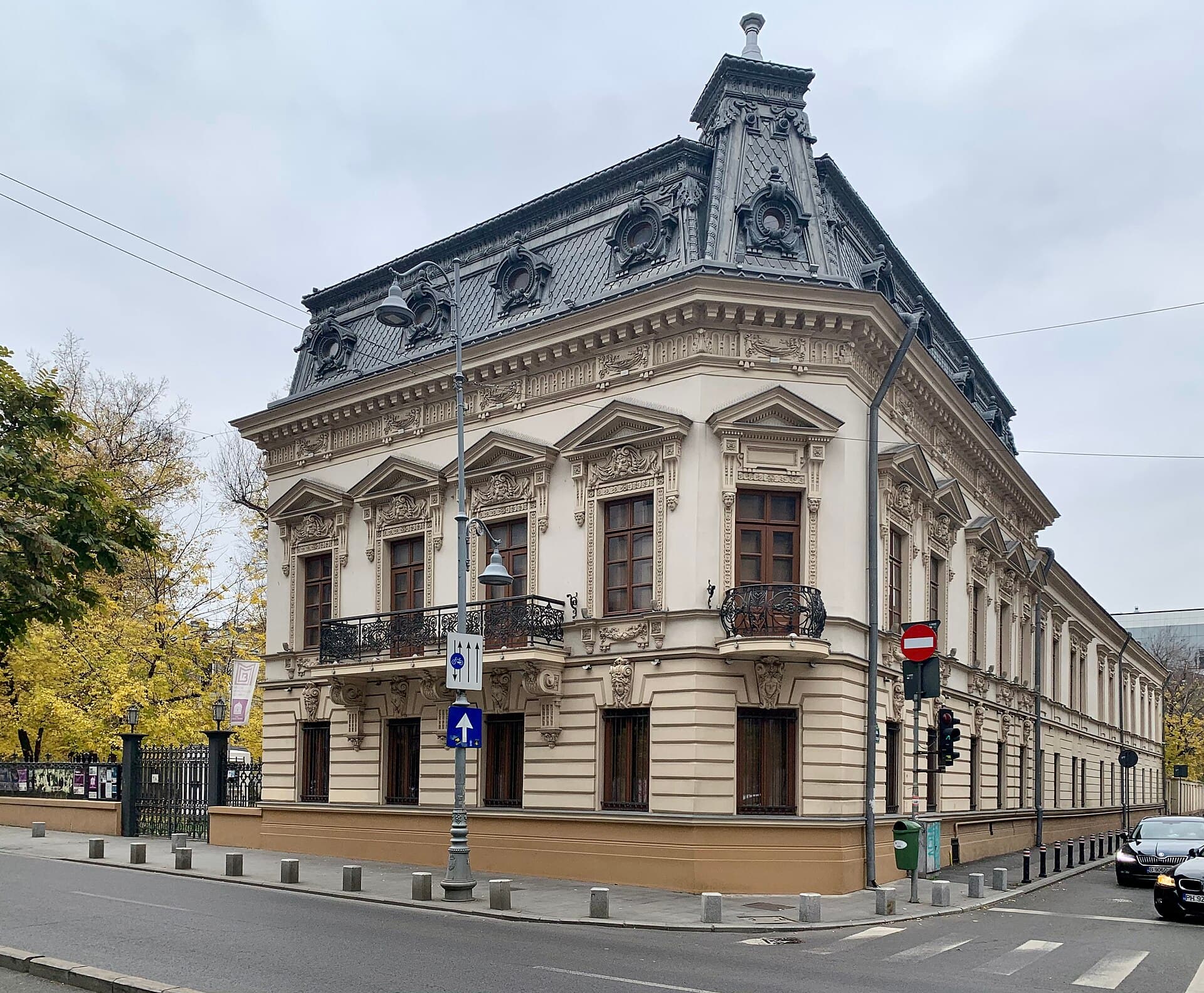 The Museum of Ages, Filipescu-Cesianu HouseA museum in a nineteenth-century town mansion on Calea Victoriei with an unusual6 minutes walk4.8
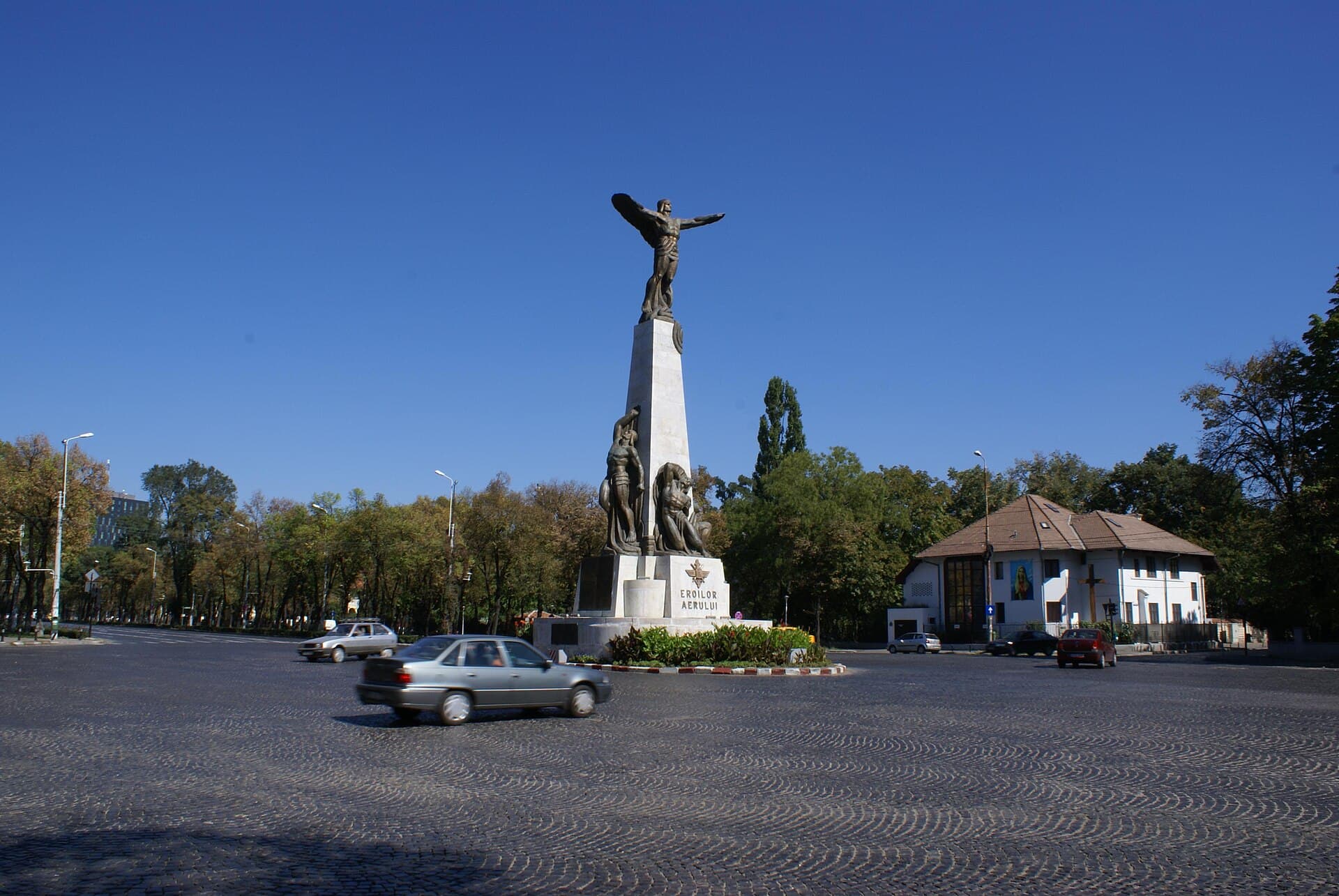 The Monument to the Heroes of the AirThe Monument to the Heroes of the Air stands at the centre of a roundabout on Bu7 minutes walk4.6
Because their gold is the reason for the Roman conquest in the first place. The emperor Trajan fought two hard wars against the kingdom of Dacia between AD 101 and 106, and the stated and actual motive was the gold of the Apuseni mountains. After the victory enormous quantities were carried to Rome, funding a wide building programme and a hundred and twenty-three days of games. The Roman workings at Roșia Montană still exist with their hand-cut galleries and are on the World Heritage list, and they were the subject of a long environmental dispute over reopening them for cyanide mining.