
History through life
The city told by the life cycle rather than by rulers' dates.
A museum in a nineteenth-century town mansion on Calea Victoriei with an unusual subject: the stages of human life — childhood, youth, maturity and old age — as Bucharest lived them across two centuries. The idea is to tell the city through the life cycle rather than through political dates. The rooms show children's clothes and toys, the rituals of engagement and marriage, the furniture of bourgeois houses, family photographs, and the implements of daily life at its different stages. The result is a tangible social history, closer to people than the history of rulers. The house itself is part of the display: built by the Filipescu and then the Cesianu families in the French eclectic manner that dominated Bucharest in the late nineteenth century — the style that earned the city the label Paris of the East, a label reflecting that class's ambition more than the city's reality. It is relatively small and visited in an hour to ninety minutes.
The city told by the life cycle rather than by rulers' dates.
The style that earned Bucharest the label Paris of the East.
Clothes, toys, furniture and family photographs instead of texts.
Calea Victoriei, Bucharest
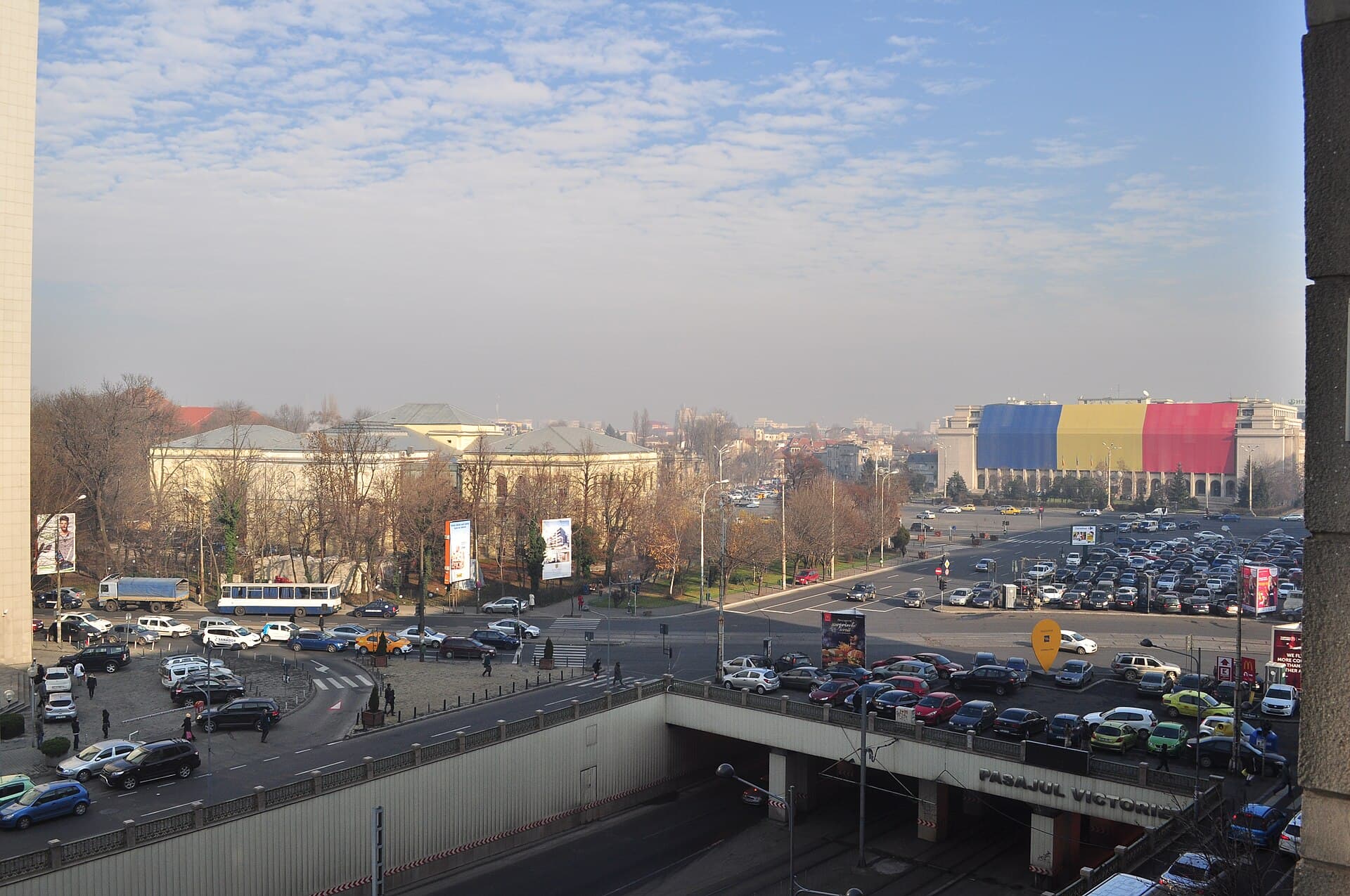 Piața VictorieiPiața Victoriei is a large junction north of central Bucharest where four main a4 minutes walk4.5
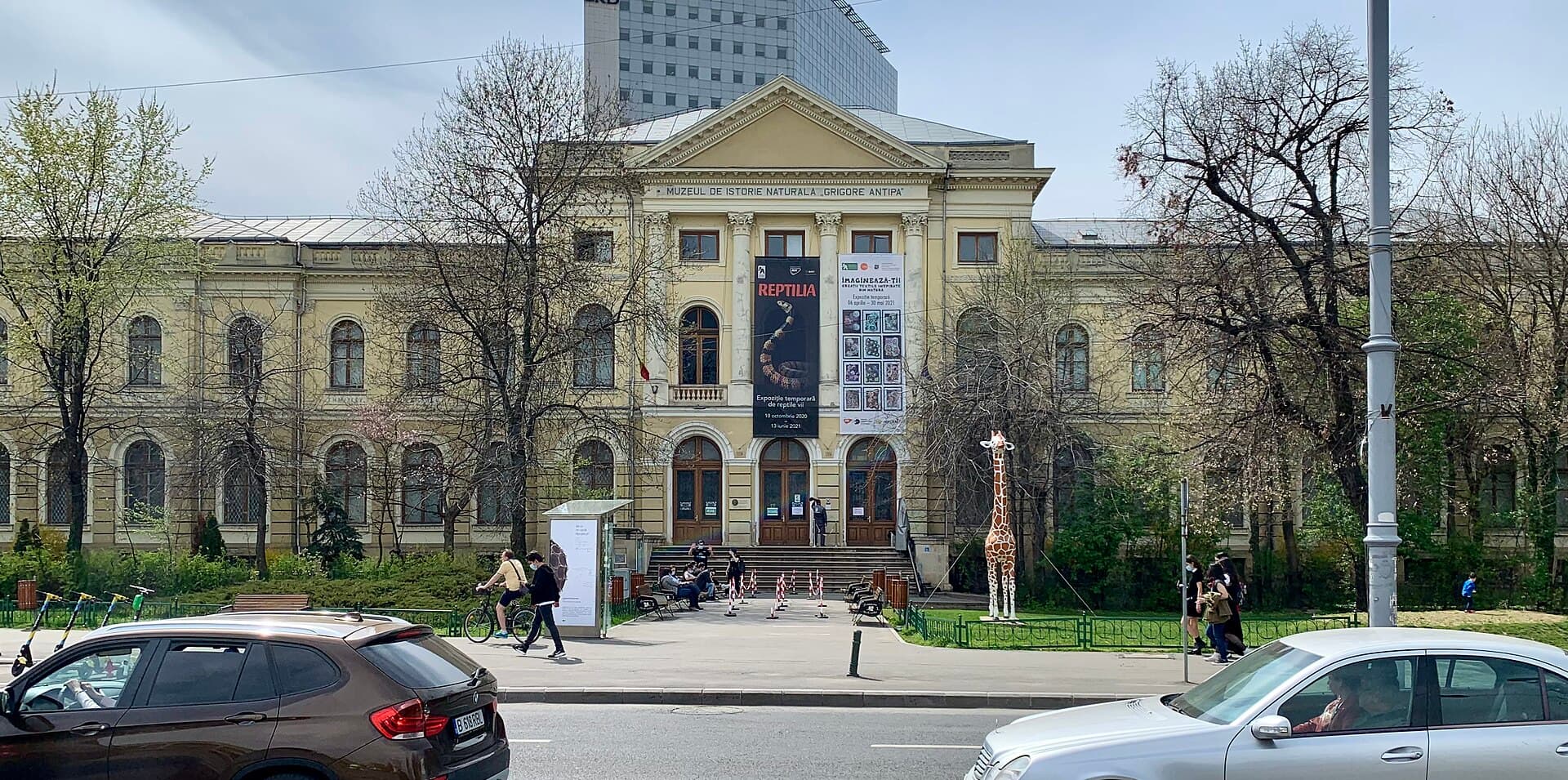 Grigore Antipa Natural History MuseumBucharest's best-loved museum for children and its most modern in display: the G5 minutes walk4.9
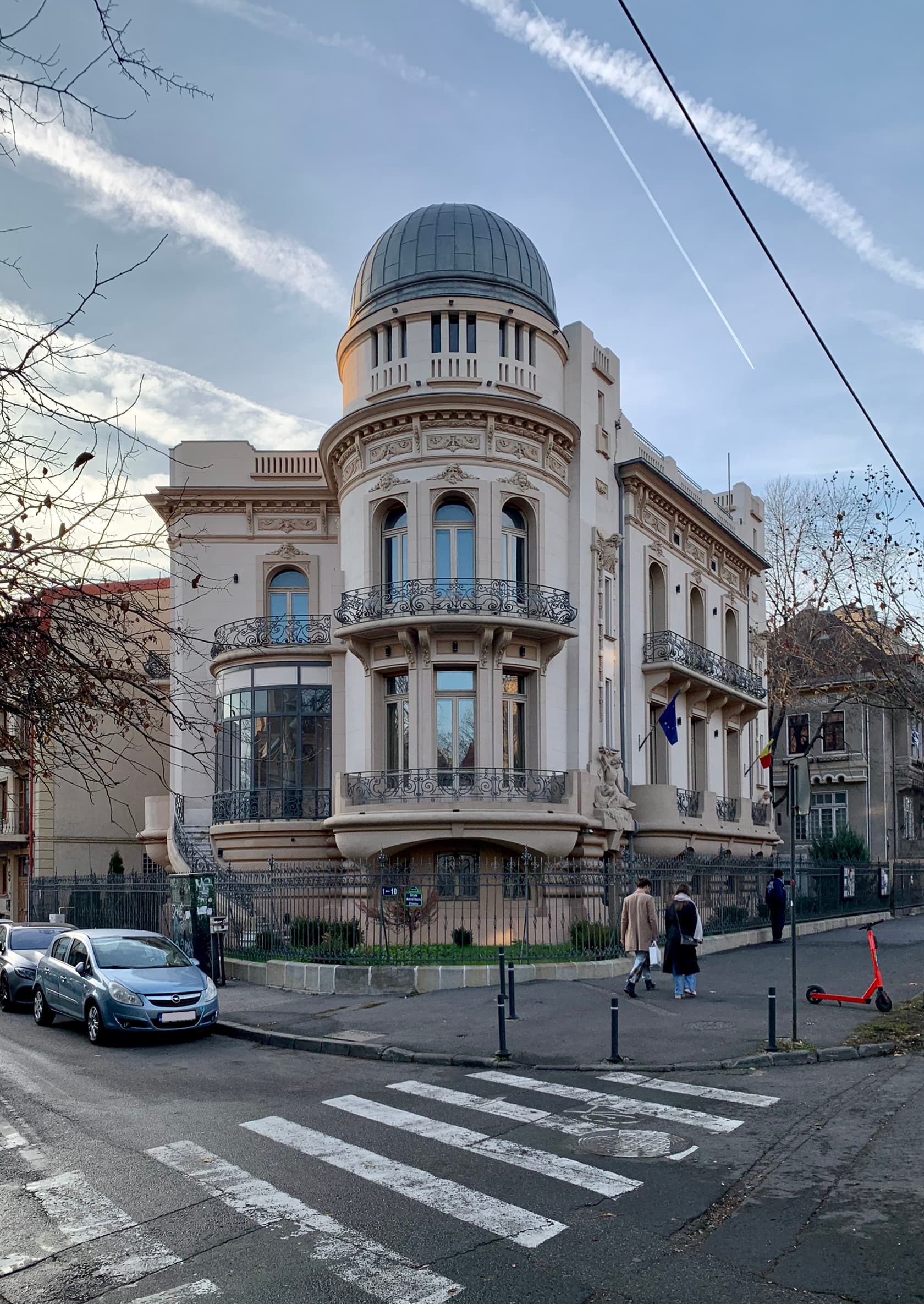 The Vasile Urseanu Astronomical ObservatoryA public astronomical observatory in an oddly shaped Bucharest house, built in 16 minutes walk4.3
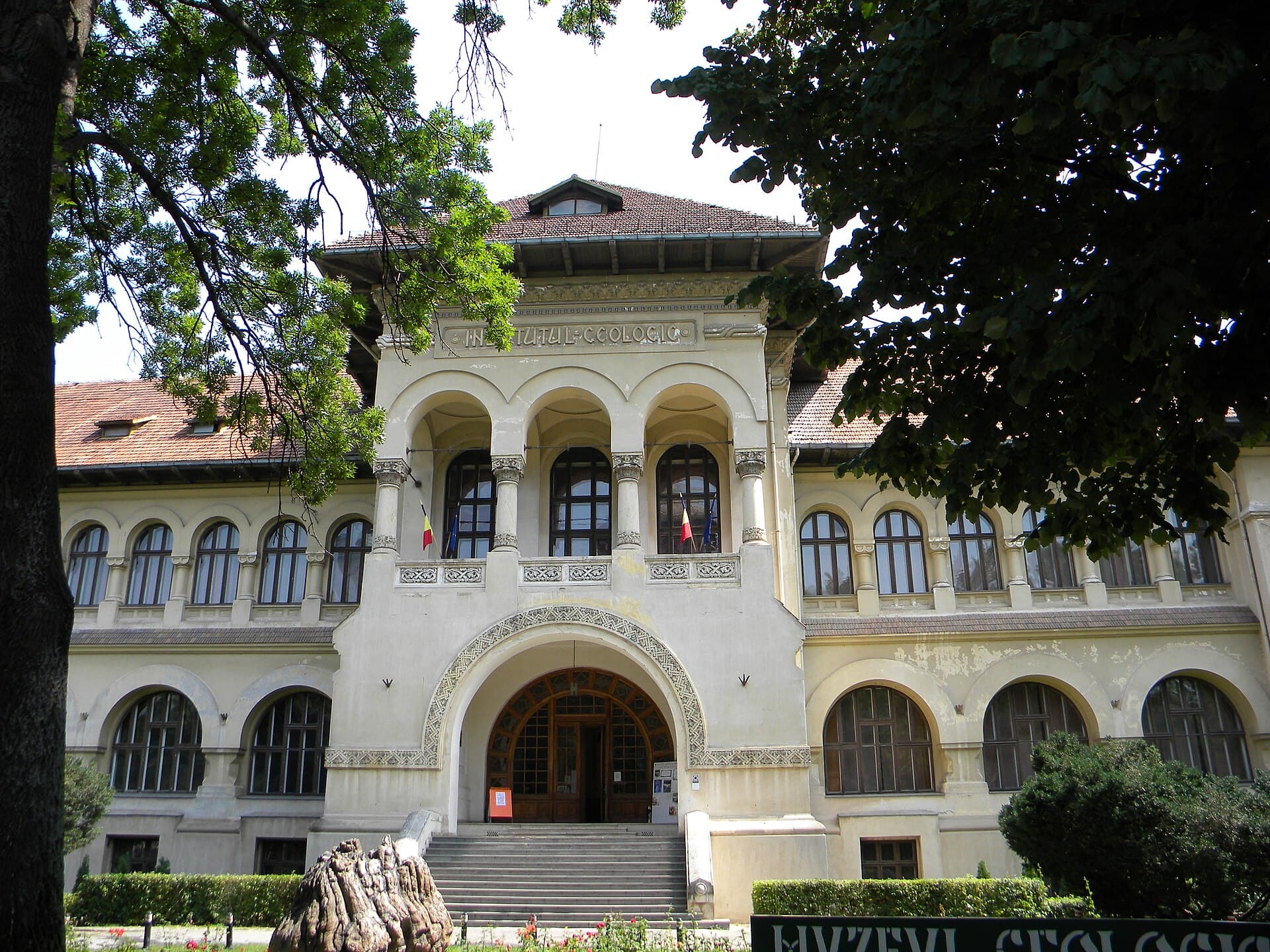 The National Geology MuseumThe National Geology Museum occupies a building of 1906 on Kiseleff avenue, dire6 minutes walk4.3
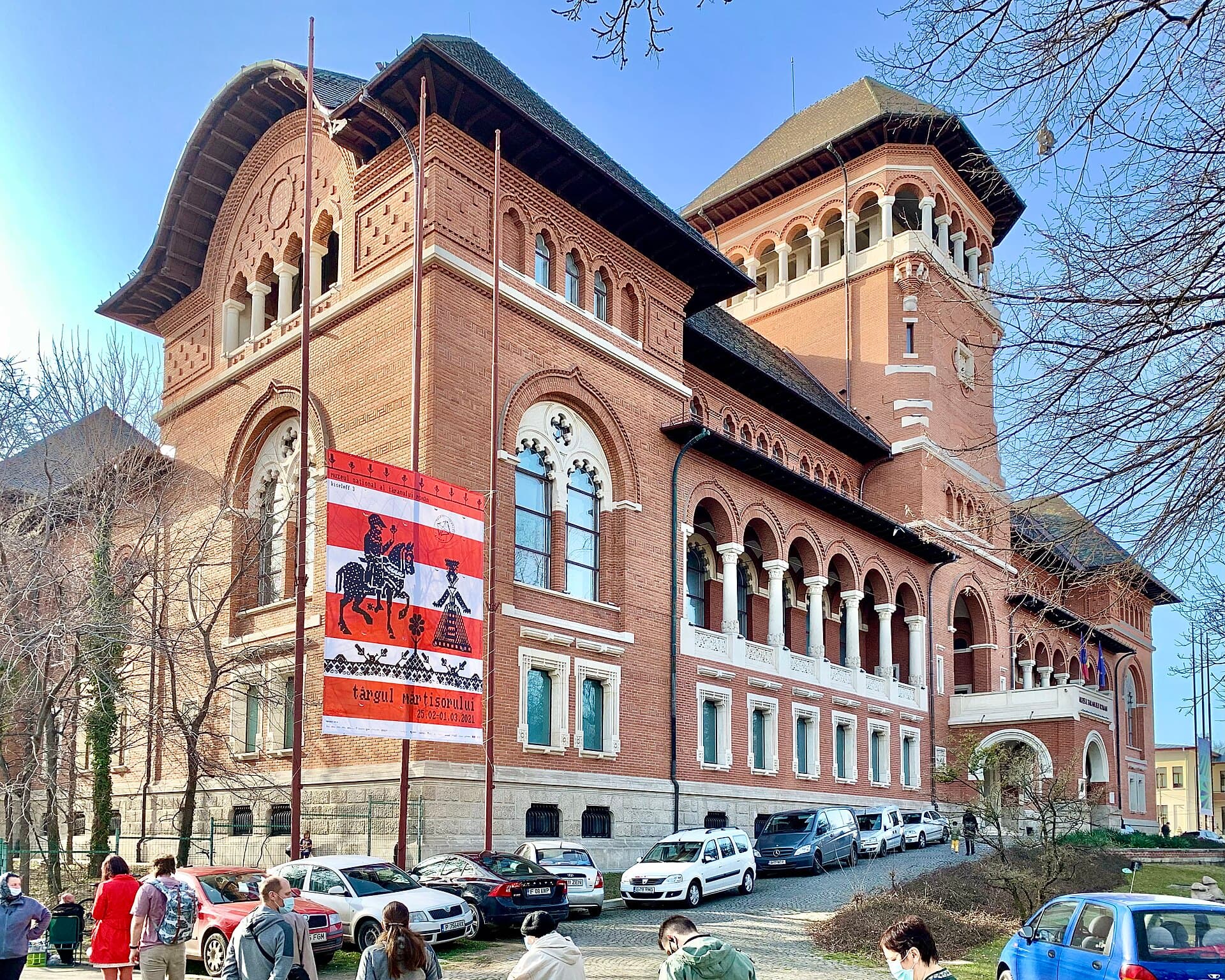 Museum of the Romanian PeasantEuropean Museum of the Year 1996 and the Bucharest museum its own people love mo7 minutes walk4.5
Because its late nineteenth-century elite was educated in France and returned to build a city in the French image: broad avenues, eclectic mansions, a triumphal arch, cafés and an opera. The label was an ambition rather than a description — most of the city lay outside that centre. Then the 1977 earthquake and the wide demolitions of the 1980s destroyed much of that fabric. What survives is concentrated on Calea Victoriei and in a few districts.
The Bucharest Municipality Museum in the Suțu Palace is the parent institution, with memorial houses of writers and artists and small specialist museums distributed across the city — among them the Pallady, Severeanu and Vasile Grigore museums. A combined ticket for several is sometimes available, and is better value if you intend to visit more than one.