
Villa Wesendonck
A silk merchant's house; Wagner worked on Tristan next door.
Ikiwaner — CC BY-SA 3.0 · Gre regiment — CC BY-SA 4.0 · Gre regiment — CC BY-SA 4.0 · Chrisi1964 — CC0
Switzerland's largest museum devoted to art from outside Europe — Asia, Africa, the Americas and Oceania — with a collection of some twenty-three thousand objects. Its foundation is the collection Baron Eduard von der Heydt gave to the city of Zurich in 1945, and the museum opened in 1952 inside the **Villa Wesendonck** in the Rieterpark. This is not the place for European painting; for that, the Kunsthaus is the address. The villa has its own story: it was built for the silk merchant Otto Wesendonck, and **Richard Wagner** lived from 1857 in a small house on the neighbouring plot that he called the "Asyl", where he worked on *Tristan und Isolde* and set five poems by Mathilde Wesendonck — the Wesendonck Lieder. In 2007 a largely underground extension called the "Smaragd" (emerald), entered through a green glass pavilion in the park, more than doubled the exhibition space. The museum is quiet and rarely crowded, and two hours cover it. Around it lies the **Rieterpark**, at some 67,000 square metres the largest surviving nineteenth-century landscape park in Zurich, entirely free and with a view over the city — plenty of people come for the park alone. Tram 7 to the "Museum Rietberg" stop, then five minutes on foot.
A silk merchant's house; Wagner worked on Tristan next door.
Underground galleries entered from a glass pavilion in the park.
Zurich's largest surviving 19th-century landscape park, with a city view.
Gablerstrasse 15, 8002 Zurich
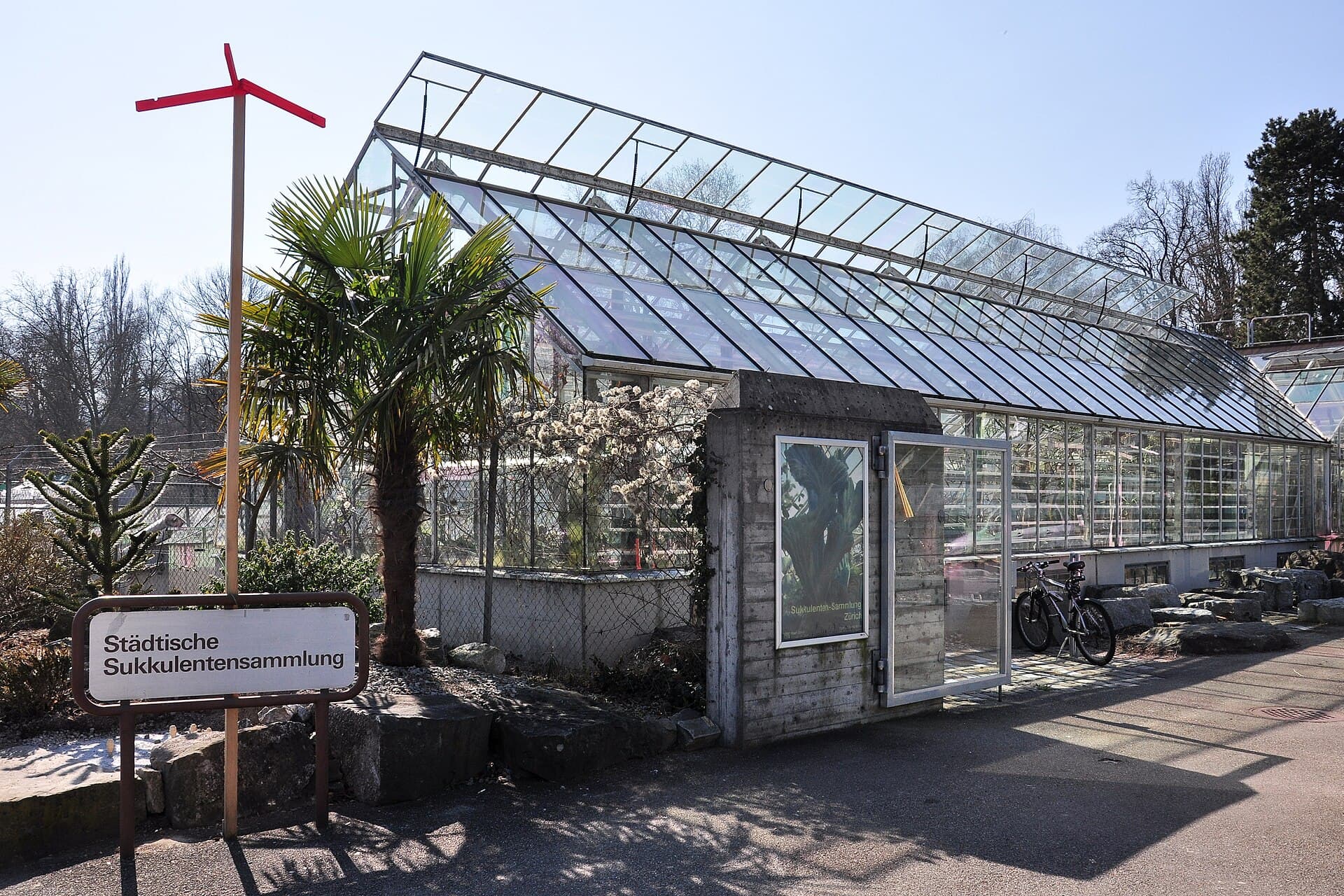 Zurich Succulent Plant CollectionA municipal plant collection on the left shore of Lake Zurich in the Enge quarte6 minutes walk4.7
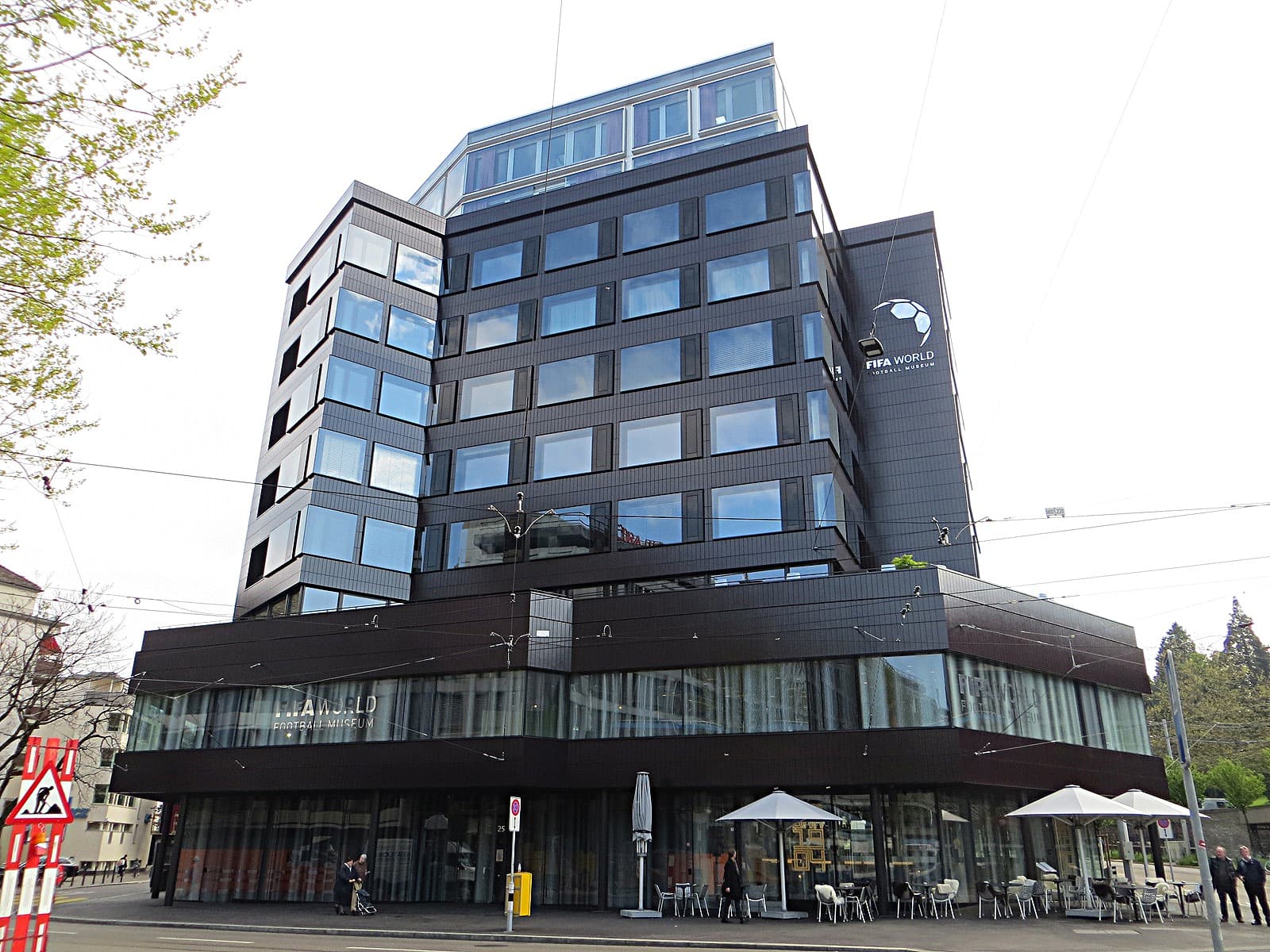 FIFA MuseumFIFA opened this museum in February 2016 in the city where it is headquartered: 7 minutes walk4.5
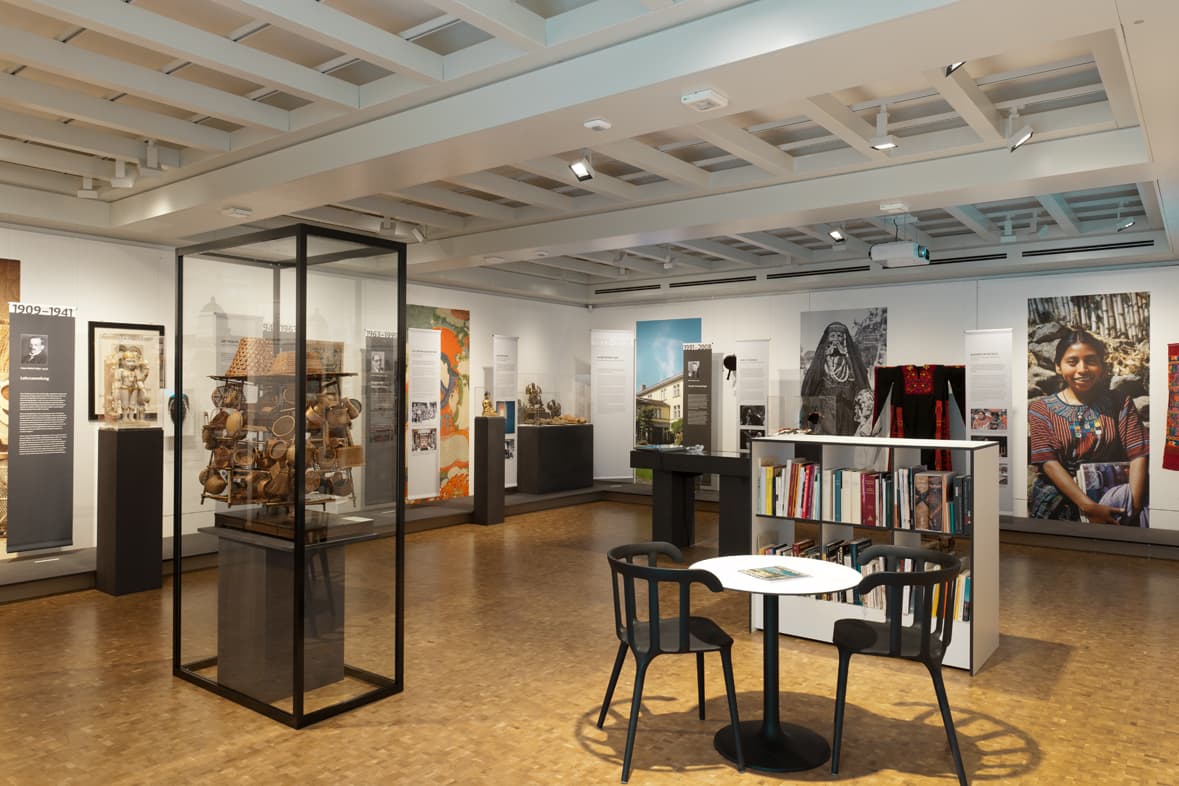 Ethnographic Museum at the University of ZurichA scientific museum of social anthropology belonging to the University of Zurich17 minutes walk4.3
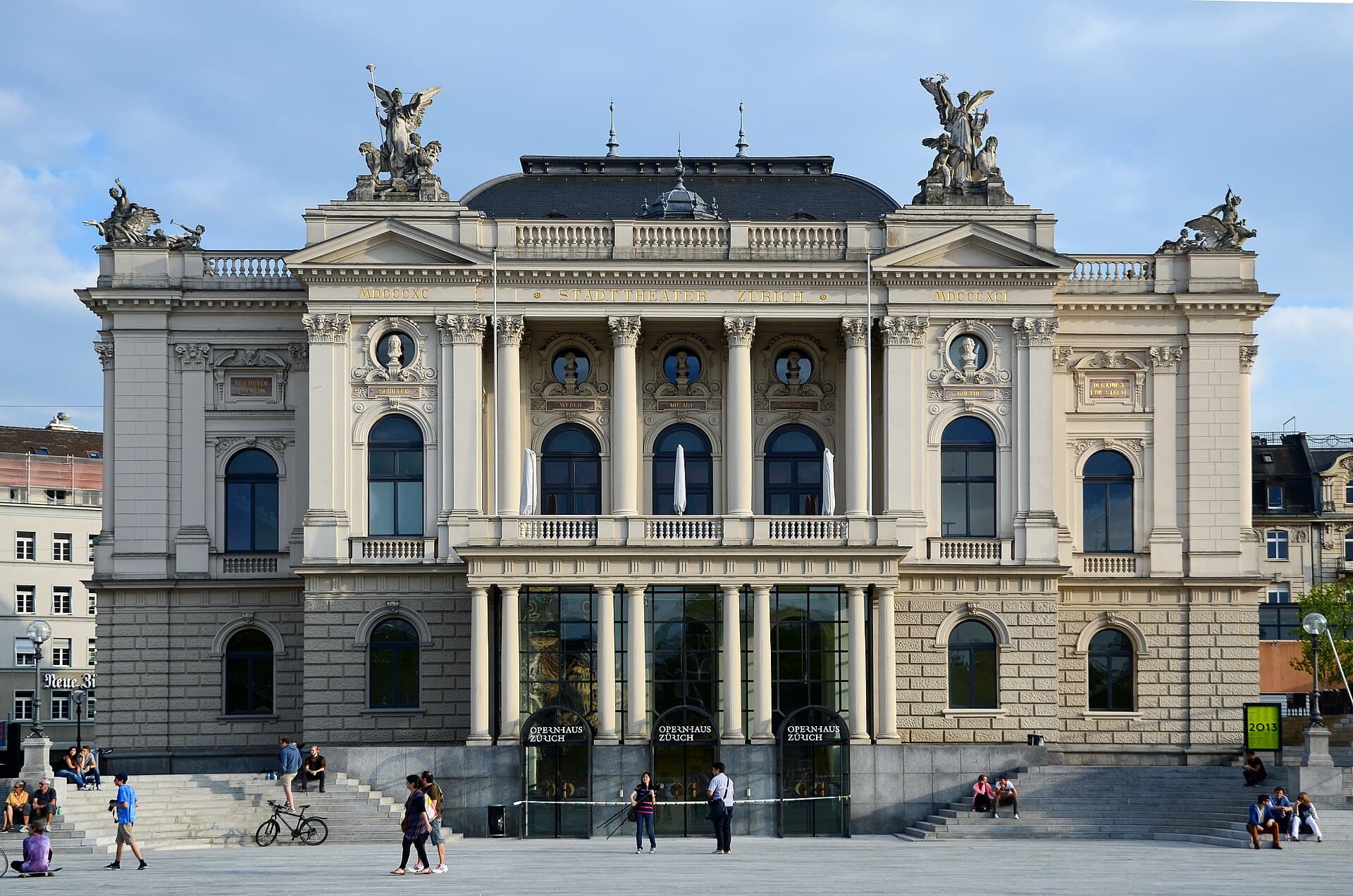 Zurich Opera HouseAn opera house on the lakeshore: Zurich's opera was built in 1891 after the city18 minutes walk4.8
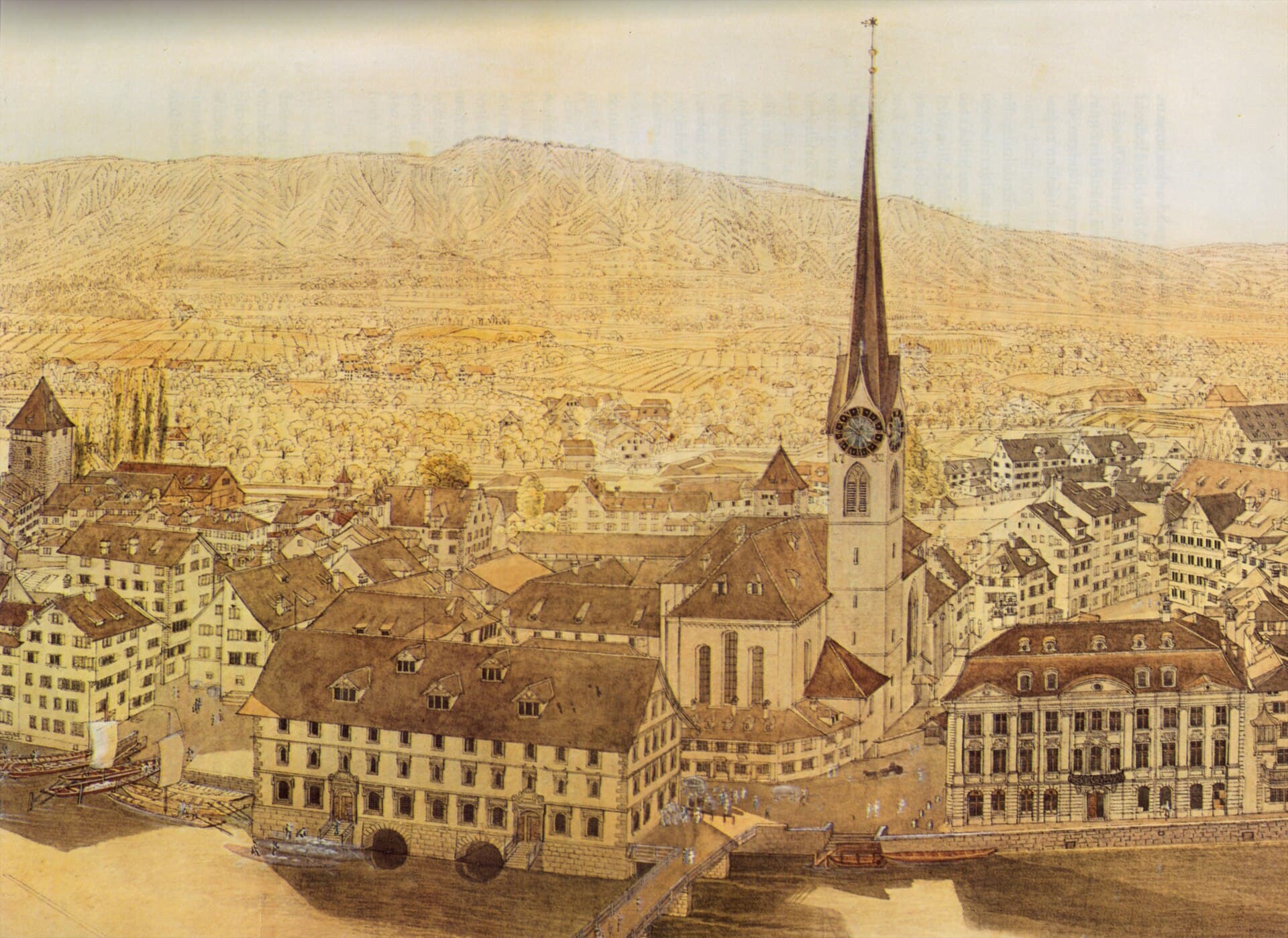 FraumünsterIts slim green spire is one of the best-known shapes on Zurich's skyline, but it18 minutes walk4.6
It depends on your taste rather than on which is "better". The **Kunsthaus** is the city's main art museum, covering European painting from the medieval period to the modern — pick it if European painting is what you are after. **Rietberg** covers Asian, African and American art in a historic villa inside a park; it is far quieter and less crowded, and it suits a summer day because the park is part of the visit. If you have time for only one museum and no particular interest in Asian art, take the Kunsthaus first.
If you like Asian or African art: yes, without hesitation — this is the most important collection of its kind in Switzerland. If you are unsure, at least go for the free **Rieterpark**: a short tram ride from the centre, a wide quiet park with a view, and you can decide at the door whether to go in. Do not go on a Monday; the museum is closed, though the park is not.