
The marble facade
Wagner, Weber and Mozart on the balustrade.
Roland zh — CC BY-SA 3.0 · Torbjorn Toby Jorgensen — CC BY-SA 2.0 · martin_vmorris — CC BY-SA 2.0 · kuhnmi — CC BY 2.0
An opera house on the lakeshore: Zurich's opera was built in 1891 after the city theatre burned, its Neo-Renaissance white marble front carrying statues of Wagner, Weber and Mozart, and it is today among the busiest houses in German-speaking Europe with some three hundred performances a season. Its history carries weight: the world premieres of works the Nazis banned in Germany were given here — Berg's Lulu and Hindemith's Mathis der Maler — when Zurich became the refuge of fleeing musicians in the 1930s, which gave the house a standing beyond the size of its city. The facade and the square before it, Sechseläutenplatz, are free at all times, and the square itself stages festivals, a Christmas market and the burning of the Böögg in Zurich's spring rite. Performance prices are tiered from reasonable upper seats, and backstage tours book at set times.
Wagner, Weber and Mozart on the balustrade.
Festivals, the Christmas market and the Böögg.
Falkenstrasse 1, Zurich
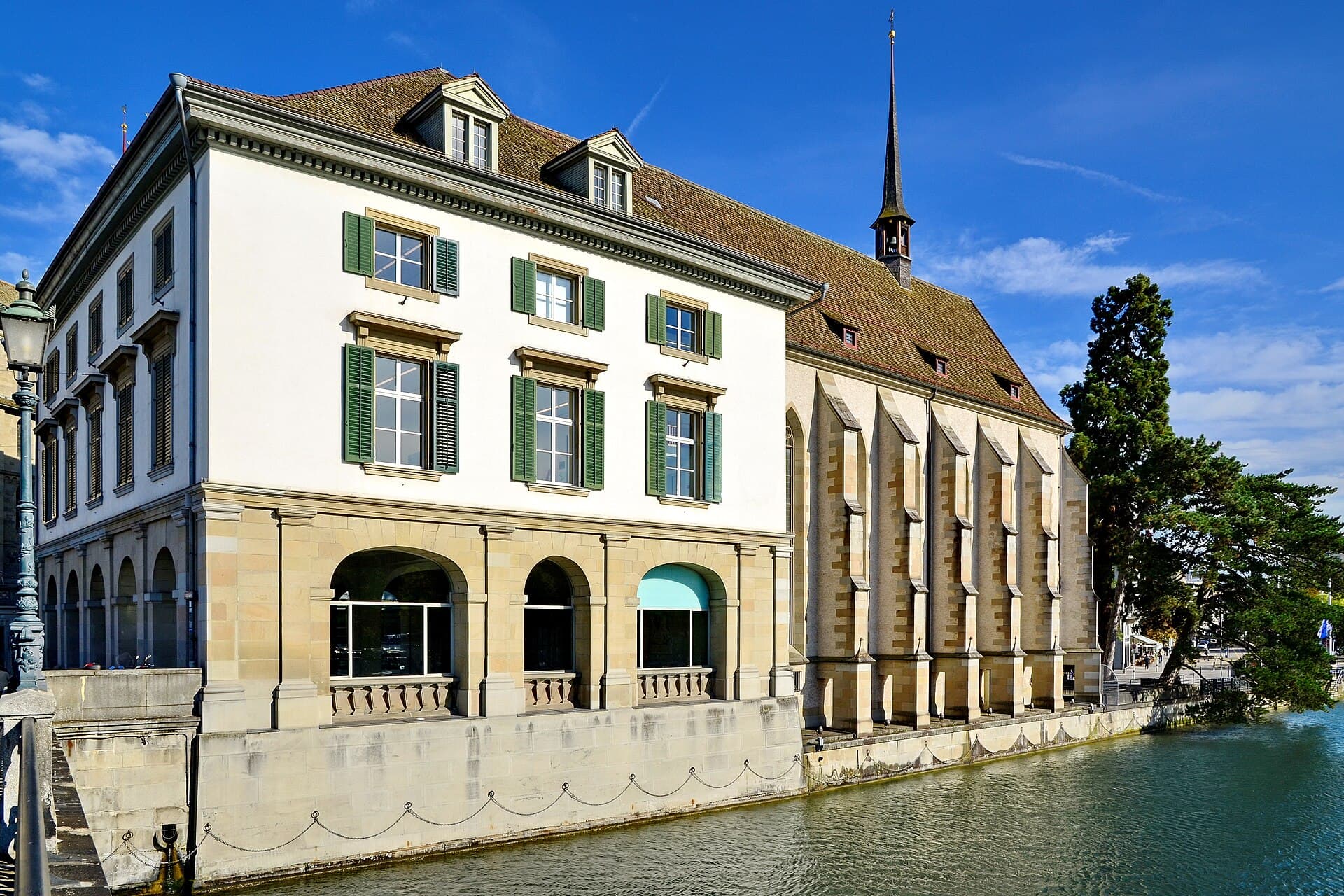 Wasserkirche (Water Church)A small late-Gothic church on the bank of the Limmat between the Grossmünster an7 minutes walk4.5
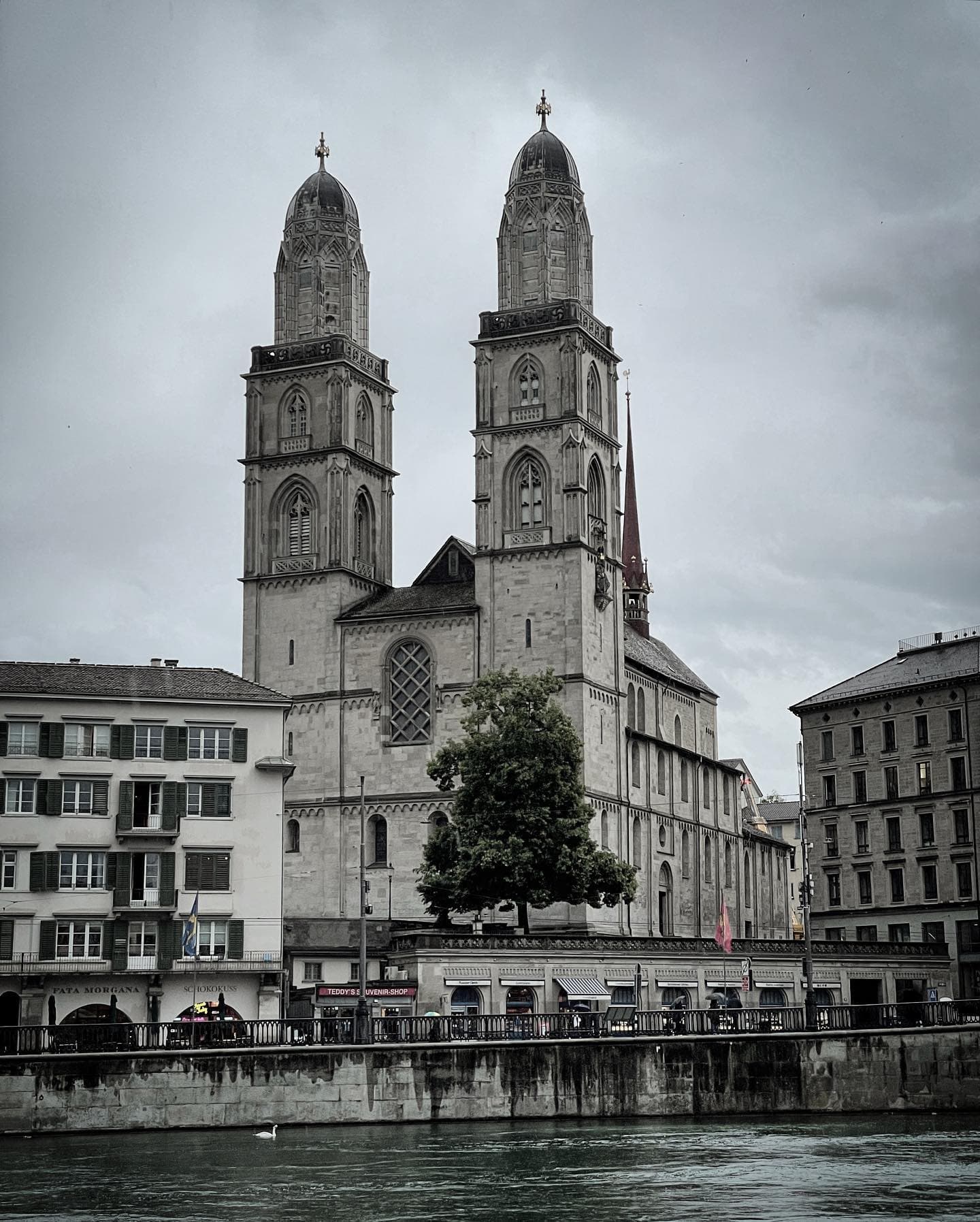 GrossmünsterThe Grossmünster's twin domed towers sign every Zurich skyline — a twelfth-centu8 minutes walk4.4
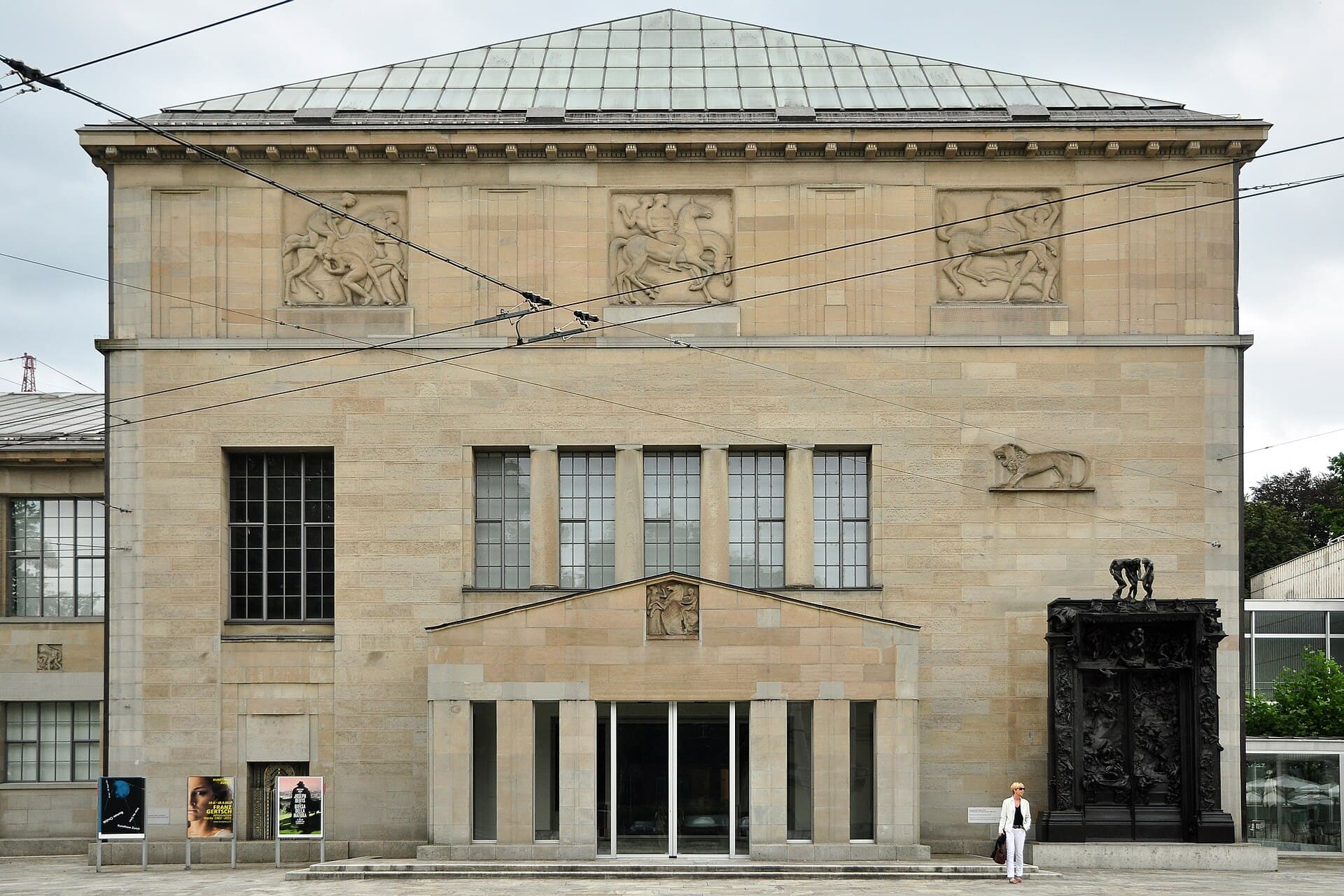 Kunsthaus ZürichThe Kunsthaus is Switzerland's largest art museum: the historic building and Chi8 minutes walk4.8
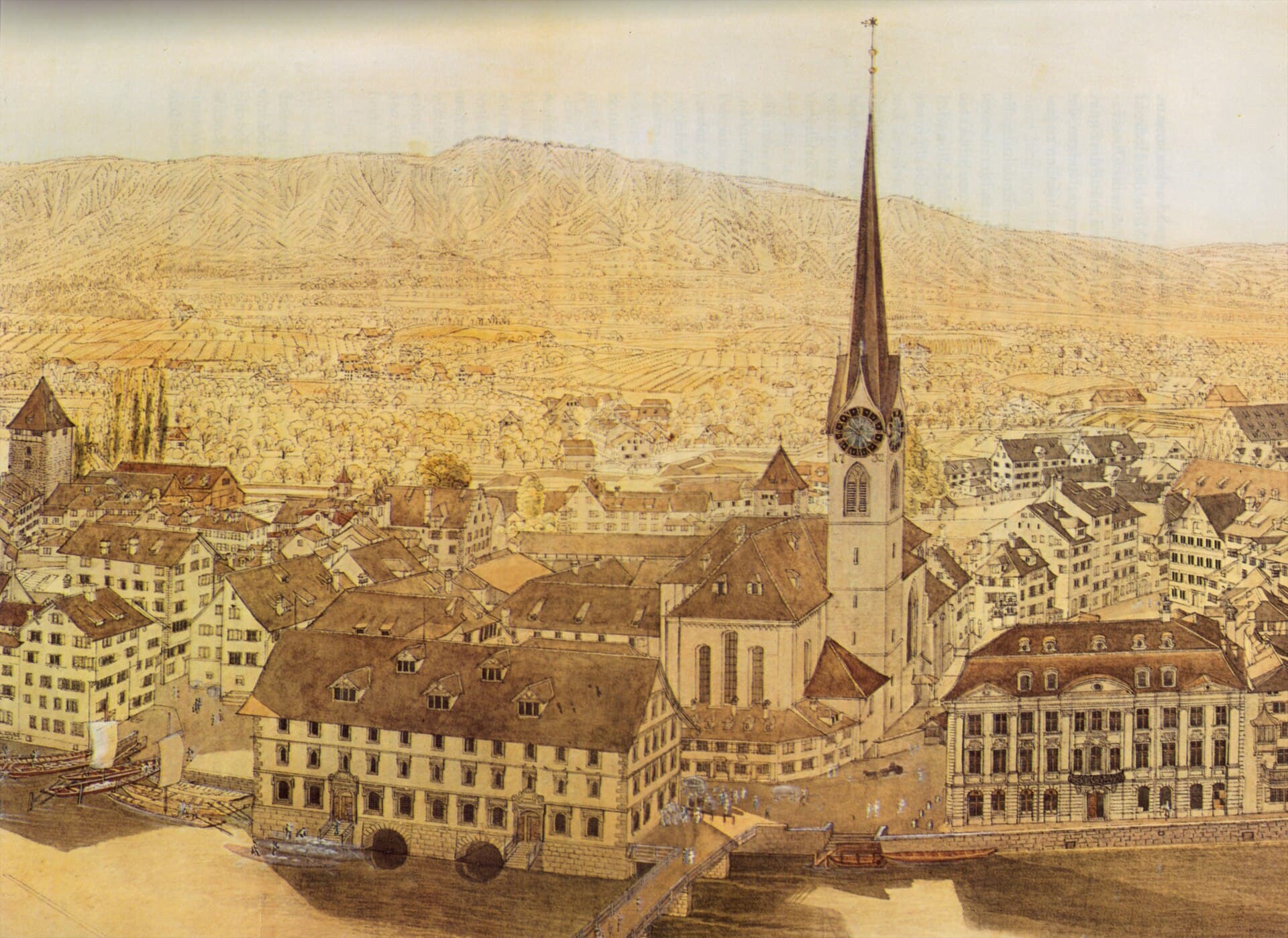 FraumünsterIts slim green spire is one of the best-known shapes on Zurich's skyline, but it9 minutes walk4.6
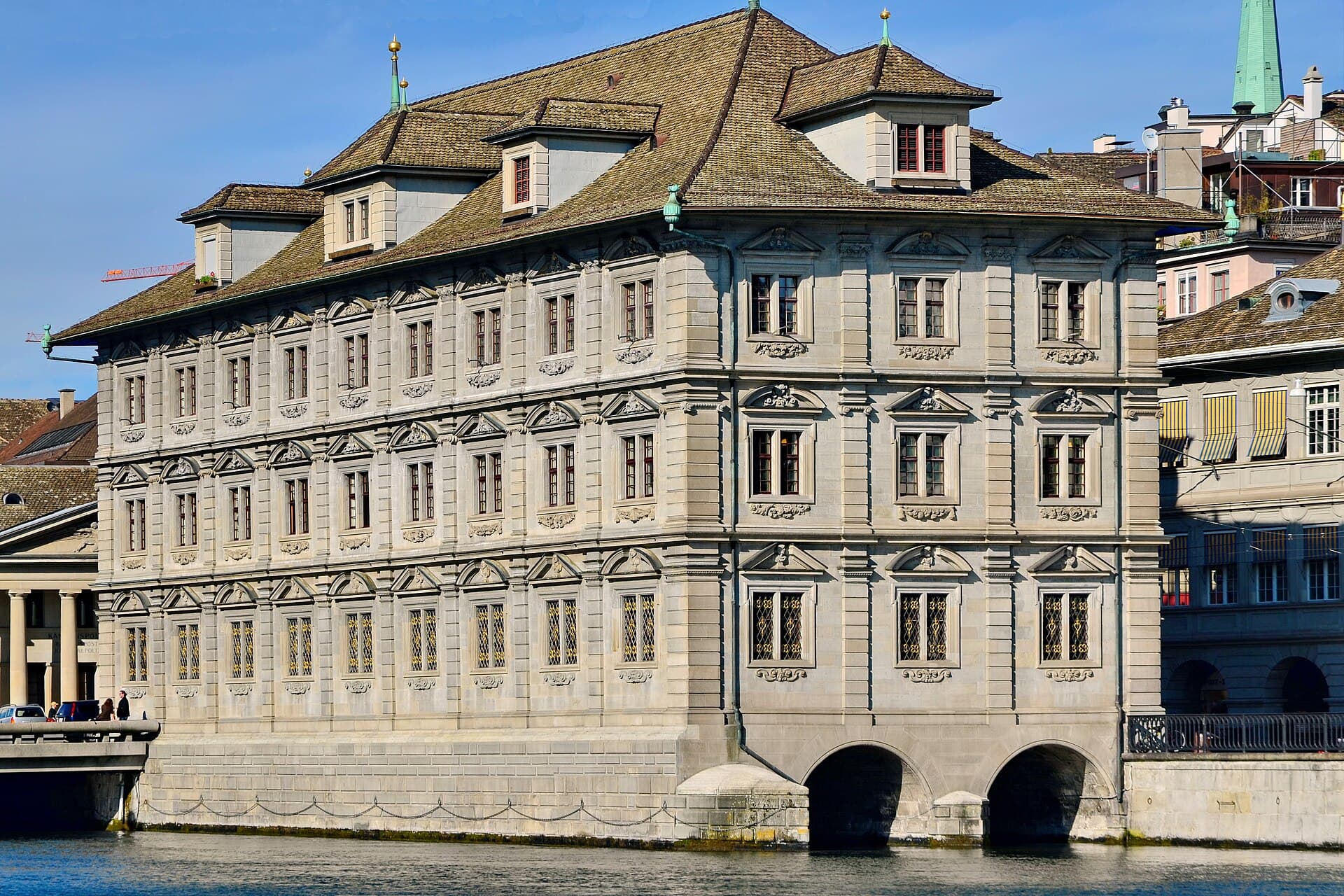 Zurich Town Hall (Rathaus)The Rathaus is a restrained baroque building put up between **1694 and 1698** in10 minutes walk4.5
Zurich's April spring festival: the guilds burn a giant snowman, the Böögg, in the square, and the speed with which its head explodes is said to predict the summer — the city's most famous folk tradition.