
The Jan Žižka statue
Among the largest bronze equestrian statues anywhere, standing on the site of the battle he won in 1420.
Michal Kmínek — CC BY-SA 3.0 · ŠJů — CC BY 4.0 · BugWarp — CC BY-SA 4.0 · BugWarp — CC BY-SA 4.0
On the Vítkov hill east of central Prague stands an enormous bronze knight on horseback: Jan Žižka, the Hussite commander who defeated a crusading army on this very hill in 1420. It is one of the largest bronze equestrian statues in the world, weighing tens of tonnes. Behind it stands the National Monument, a severe granite building put up in the 1930s to honour the Czechoslovak legions. It was then reused under communism in a strange way: converted into a mausoleum for the leader Klement Gottwald, his body embalmed and displayed as Lenin's had been — except the embalming failed, the body deteriorated, and it was quietly removed in 1962. Today the building is a branch of the National Museum presenting the Czechoslovak 20th century: the founding of 1918, the Nazi occupation, the communist coup of 1948, the Prague Spring and the Velvet Revolution. The interior is visually startling, all marble, mosaic and vast halls. On the roof an open terrace gives a wide view of Prague from an unusual eastern angle. The walk up the hill takes about fifteen minutes.
Among the largest bronze equestrian statues anywhere, standing on the site of the battle he won in 1420.
Huge spaces of marble, mosaic and high ceilings — official 1930s architecture at full weight.
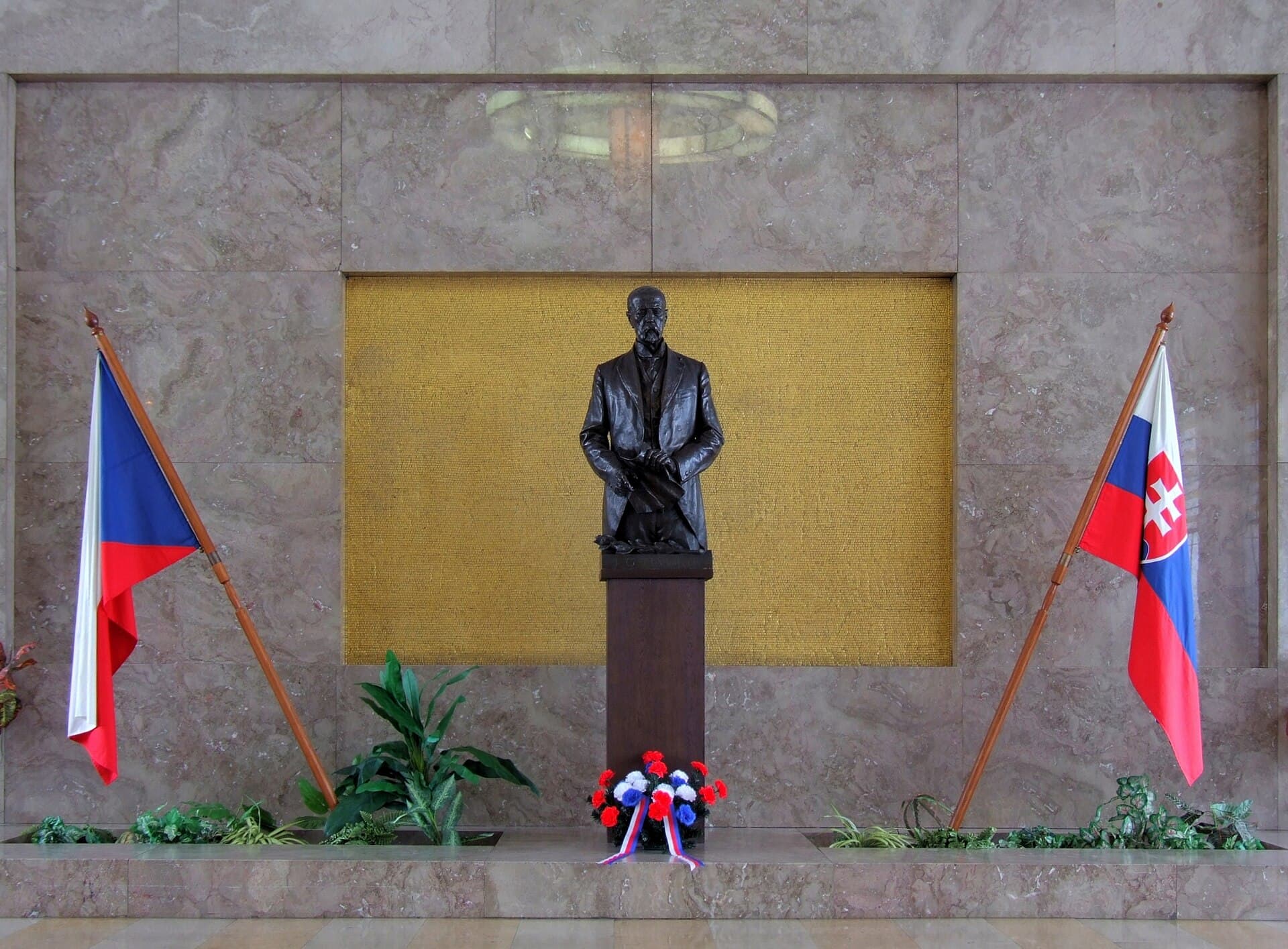
The space where Gottwald's embalmed body was displayed until 1962 — a bizarre chapter of the period.
A wide view of Prague from the east: the castle on the horizon, the Žižkov tower close by, and the city's districts spread beneath you.
U Památníku 1900, Prague 3 — Žižkov
 Army Museum ŽižkovThe Czech military history museum in Žižkov, reopened in 2022 after a full renov4 minutes walk4.8
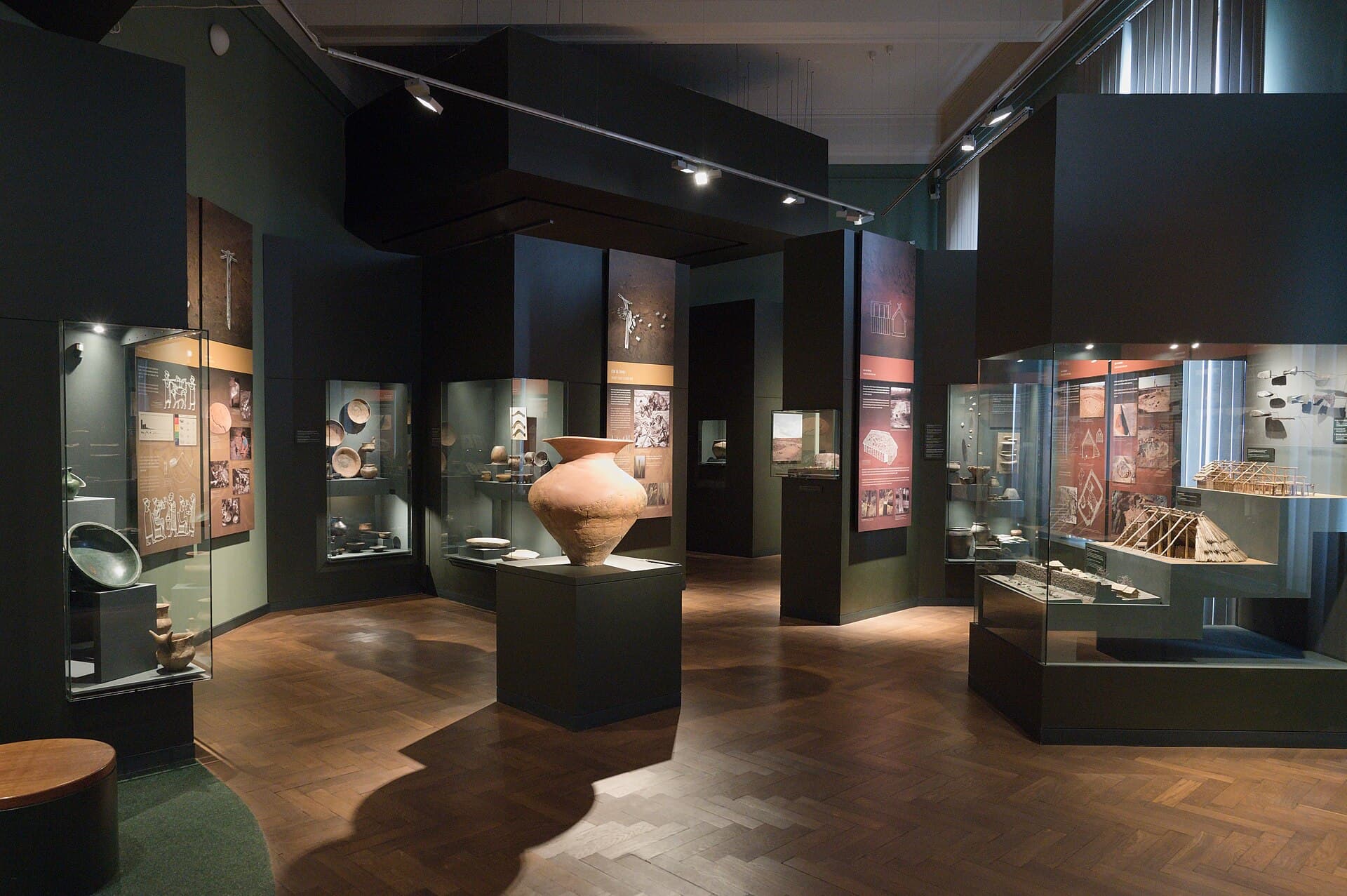 Museum of the City of PraguePrague's official city-history museum, in a neo-Renaissance building of 1898 nea10 minutes walk4.2
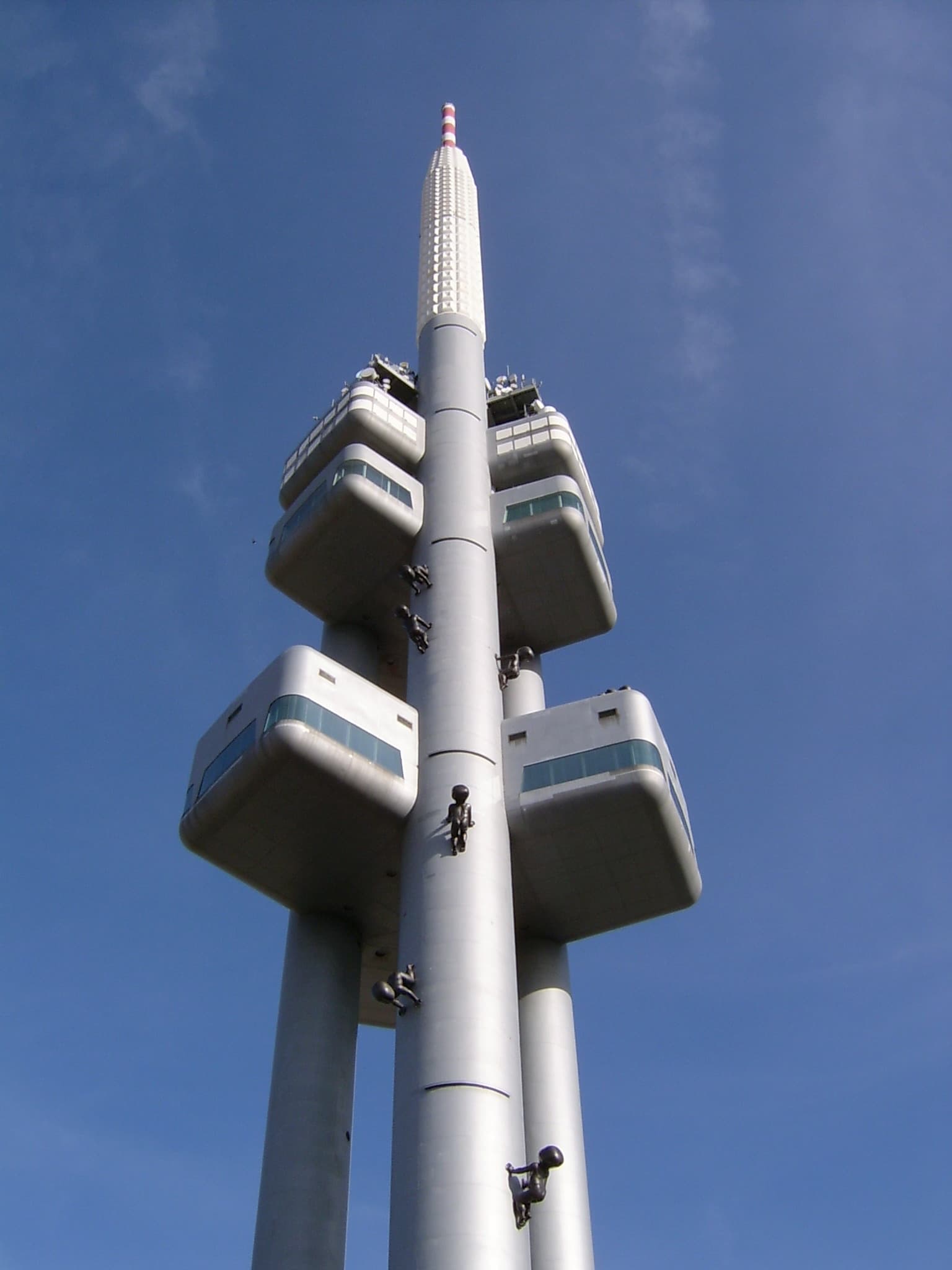 Žižkov Television TowerThe Žižkov television tower is the tallest structure in the Czech Republic at ab11 minutes walk4.5
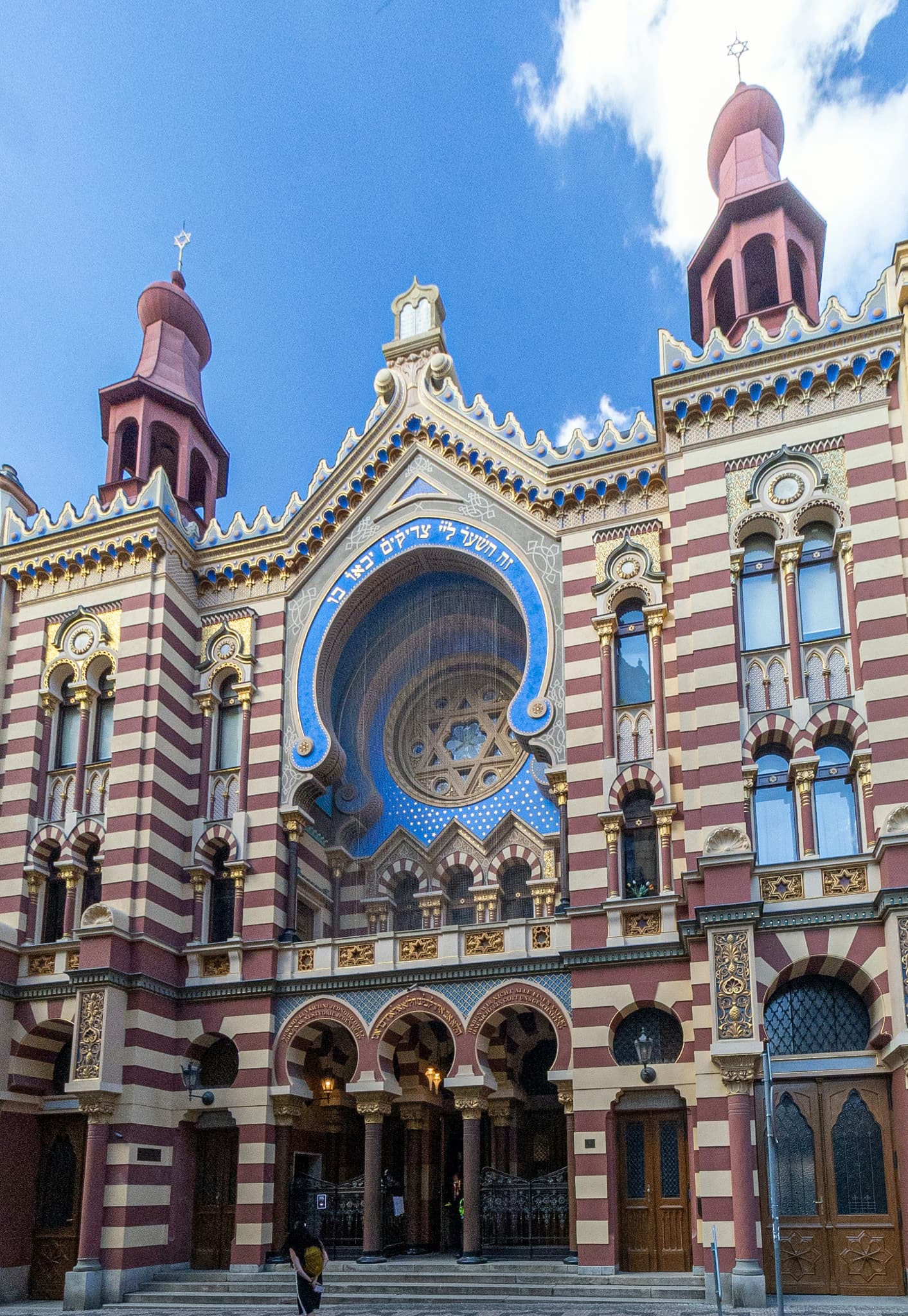 Jubilee SynagogueThe Jubilee Synagogue — also called the Jerusalem Synagogue, after the street it17 minutes walk4.7
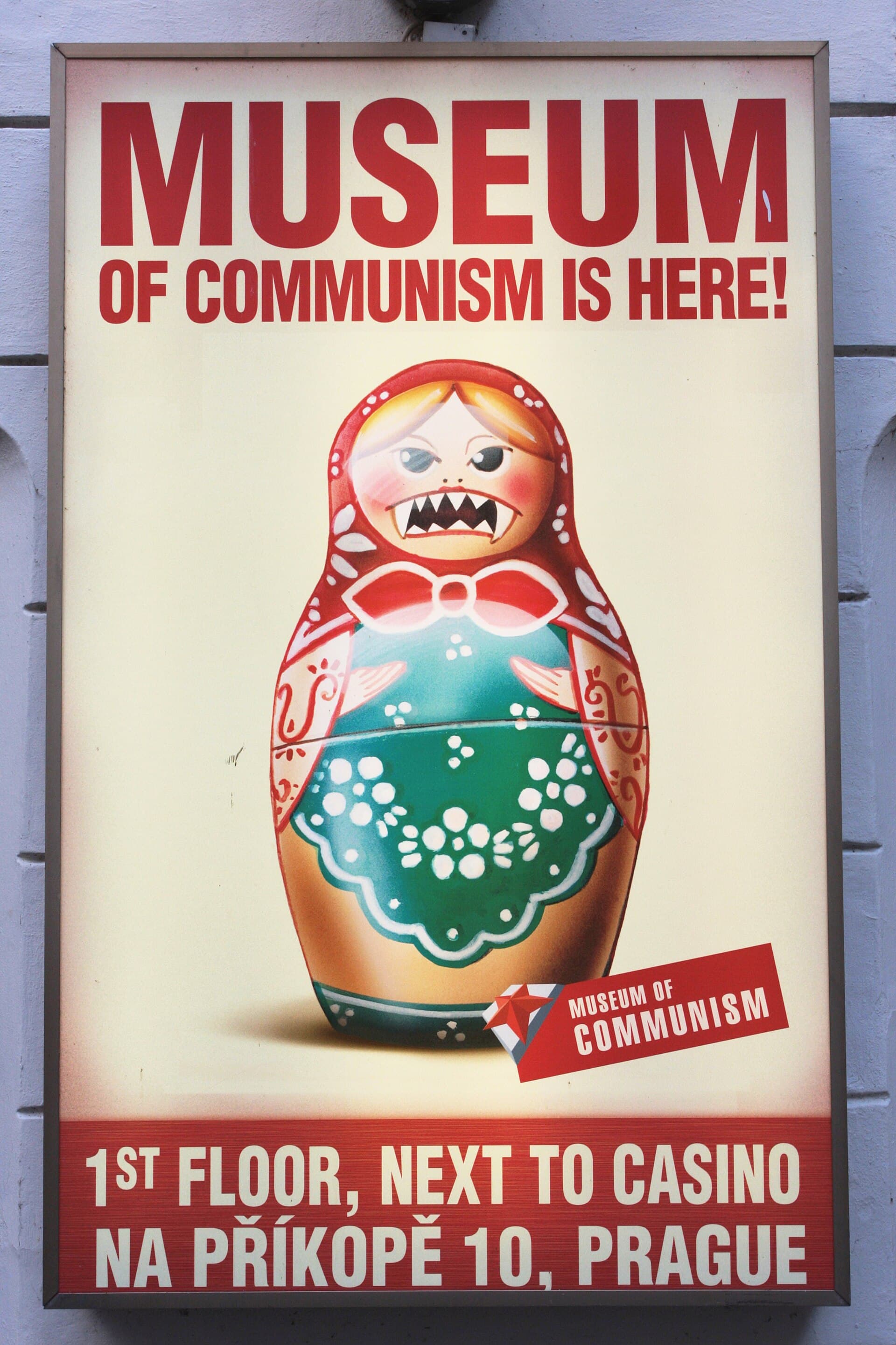 Museum of CommunismThe Museum of Communism tells forty years of Czechoslovak history, from 1948 to 17 minutes walk4.1
A 15th-century Czech commander who led the Hussite movement militarily and was never defeated in battle, despite losing his sight late in life. He is among the foremost Czech national symbols, and the battle of Vítkov in 1420 was one of his best-known victories.
Yes if 20th-century history or viewpoints interest you: the exhibition is among the best explanations of Czechoslovakia, and the roof is a different view from anything else in Prague. On a very tight schedule, leave it.
The exhibition is self-guided with Czech and English captions and needs no guide. Special tours of parts not normally open are sometimes offered — ask at the ticket desk.
The Žižkov television tower is about twenty minutes' walk in the same district, and the Museum of Communism is in the centre — together they make a full day on the Czech 20th century.