
Red building
Khmer style.
Marcin Konsek — CC BY-SA 4.0 · Marcin Konsek — CC BY-SA 4.0 · Marcin Konsek — CC BY-SA 4.0 · Marcin Konsek — CC BY-SA 4.0
Cambodia's largest museum of cultural history and its leading archaeological collection, holding one of the world's largest collections of Khmer art: more than fourteen thousand pieces from prehistory through the eras before, during and after the Khmer empire. The building is a treasure in itself: a red terracotta structure in traditional Khmer style with tiered roofs and upswept eaves, opened in the 1920s, its wings around a quiet courtyard of lotus ponds, shade trees and benches. The galleries show stone sculpture from Angkor and earlier temples, fine bronzes, ceramics, tools and royal objects, with labels tracing how Khmer art developed over the centuries. A visit before or after Angkor adds a great deal. Tickets are USD 10 for adults and USD 5 for ages 10 to 17; last entry is at 4.30 pm. The heat is fierce most of the year, so go out in the morning or before sunset, with water and a hat.
Khmer style.
Lotus ponds.
Fine craft.
Street 13, north of the Royal Palace, central Phnom Penh
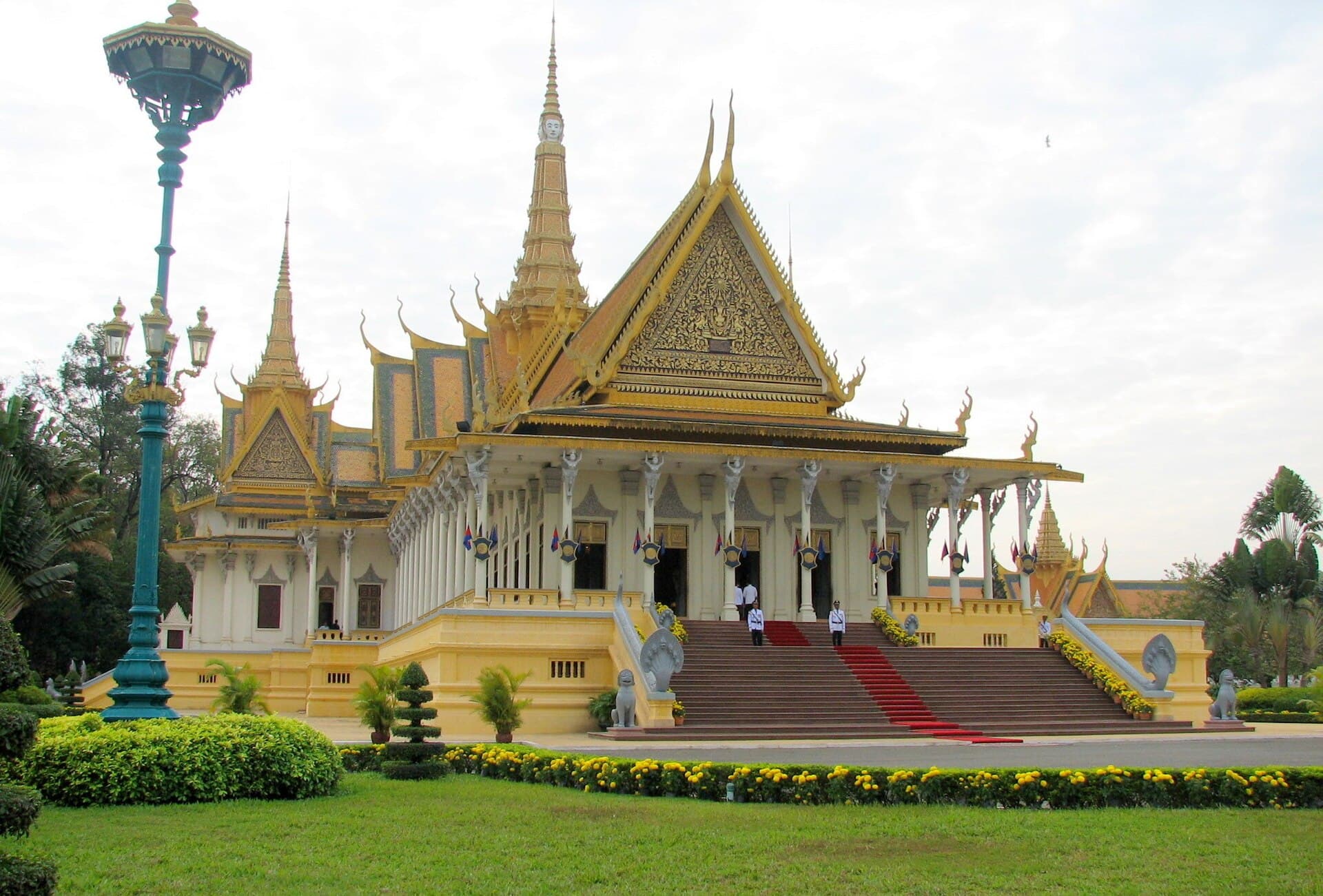 Royal Palace, Phnom PenhThe official residence of the King of Cambodia, a complex of palaces and halls b3 minutes walk4.2
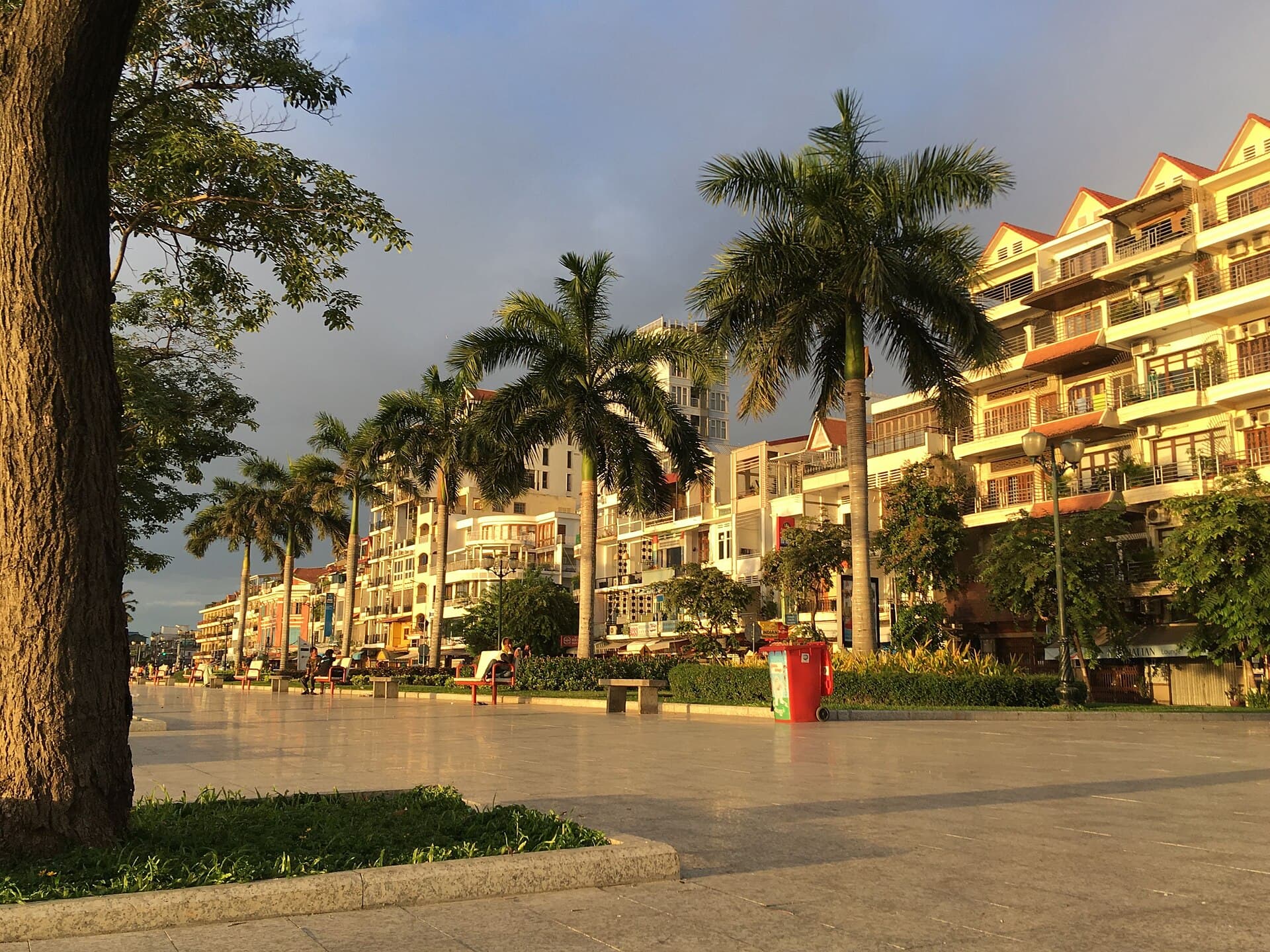 Sisowath QuayThe capital's riverfront, a broad promenade along the Tonle Sap from in front of6 minutes walk4.5
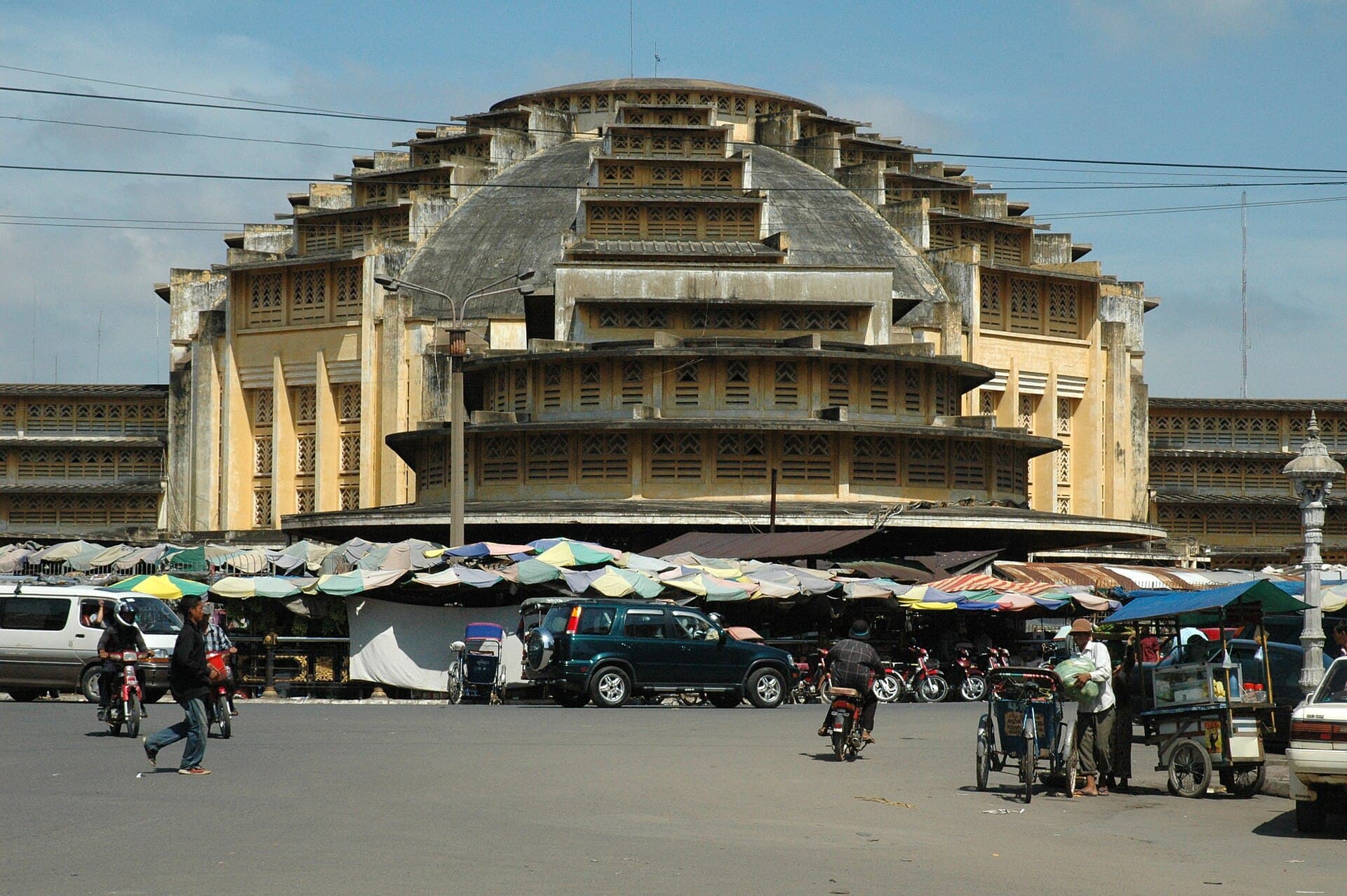 Central Market, Phnom PenhA market and art deco landmark: a bright yellow building completed in 1937, crow13 minutes walk4.3
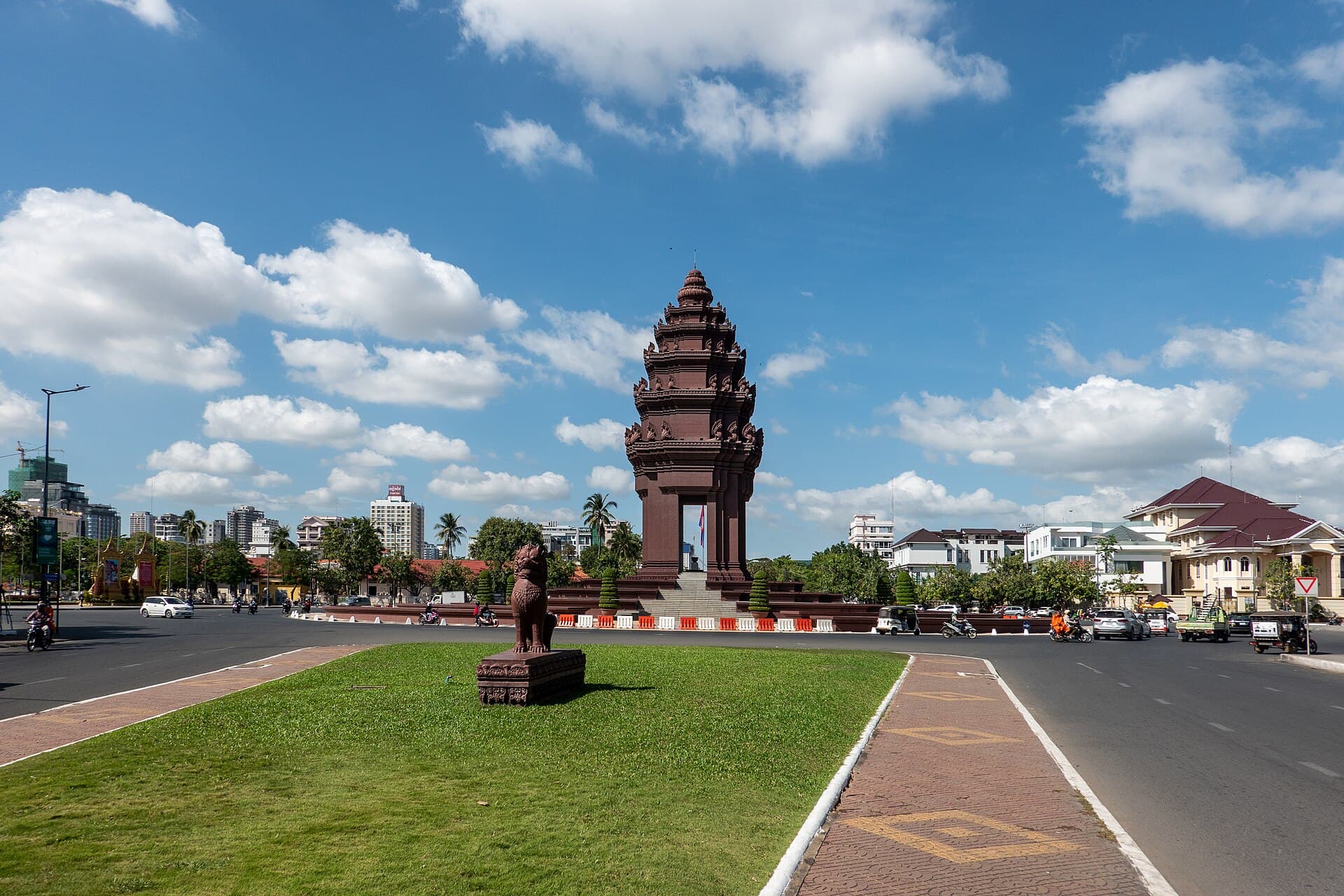 Independence Monument, Phnom PenhA monument built in 1958 to mark Cambodia's independence from France in 1953, st13 minutes walk4.6
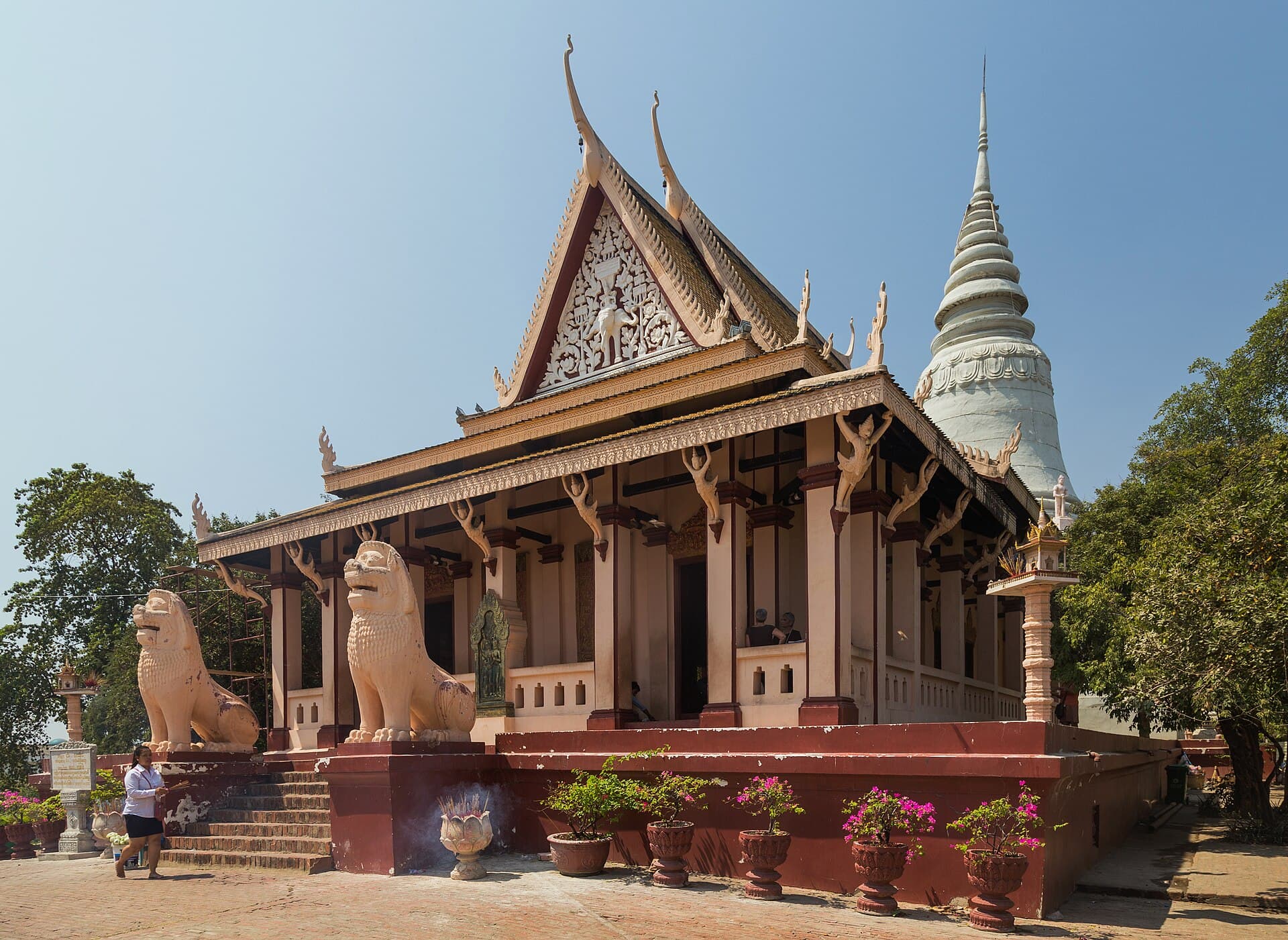 Wat PhnomThe temple that gave the capital its name, on a small wooded hill about 46 metre17 minutes walk4.5
Either works: before, it tells the story; after, it shows sculptures moved from temples you saw.