
Three continents on three floors
Africa, the Americas and Asia — the Philippines above all: dress, masks, everyday tools and musical instruments.
Zarateman — CC0 · Burkhard Mücke — CC BY-SA 4.0 · Juan Carlos Fonseca Mata — CC BY-SA 4.0 · Kabu Sawsaw — CC BY-SA 4.0
The museum opened in 1875 around the private collection of the physician Pedro González de Velasco, and occupies a small building on Calle de Alfonso XII, opposite Atocha station. Three floors cover Asia and the Philippines above all, a legacy of Spanish colonial rule, then Africa and the Americas, plus a physical-anthropology section: clothing, masks, tools and musical instruments. The presentation is traditional: glass cases, short labels mostly in Spanish. It does not match the National Archaeological Museum on budget or staging, but it is quiet, rarely crowded and takes about an hour; as much as it shows world cultures, it reveals how nineteenth-century Europe collected them. Its best-known holding is the skeleton and plaster cast of Agustín Luengo Capilla, the Giant of Extremadura, who stood about 2.35 m, in the physical-anthropology section. With limited time in Madrid, the Prado, Reina Sofía and the National Archaeological Museum come first. If you are near Atocha or leaving Retiro by its southern end, it is a cheap indoor stop of about an hour.
Africa, the Americas and Asia — the Philippines above all: dress, masks, everyday tools and musical instruments.
Purpose-built in 1873-75 by the architect Francisco de Cubas to hold Dr Velasco's collection, it reads as a nineteenth-century museum as much as a modern display.
It sits beside Atocha station, the south end of Retiro, the Botanical Garden and the Reina Sofía, so it slots easily into half a day in the area.
Calle de Alfonso XII, 68, 28014 Madrid
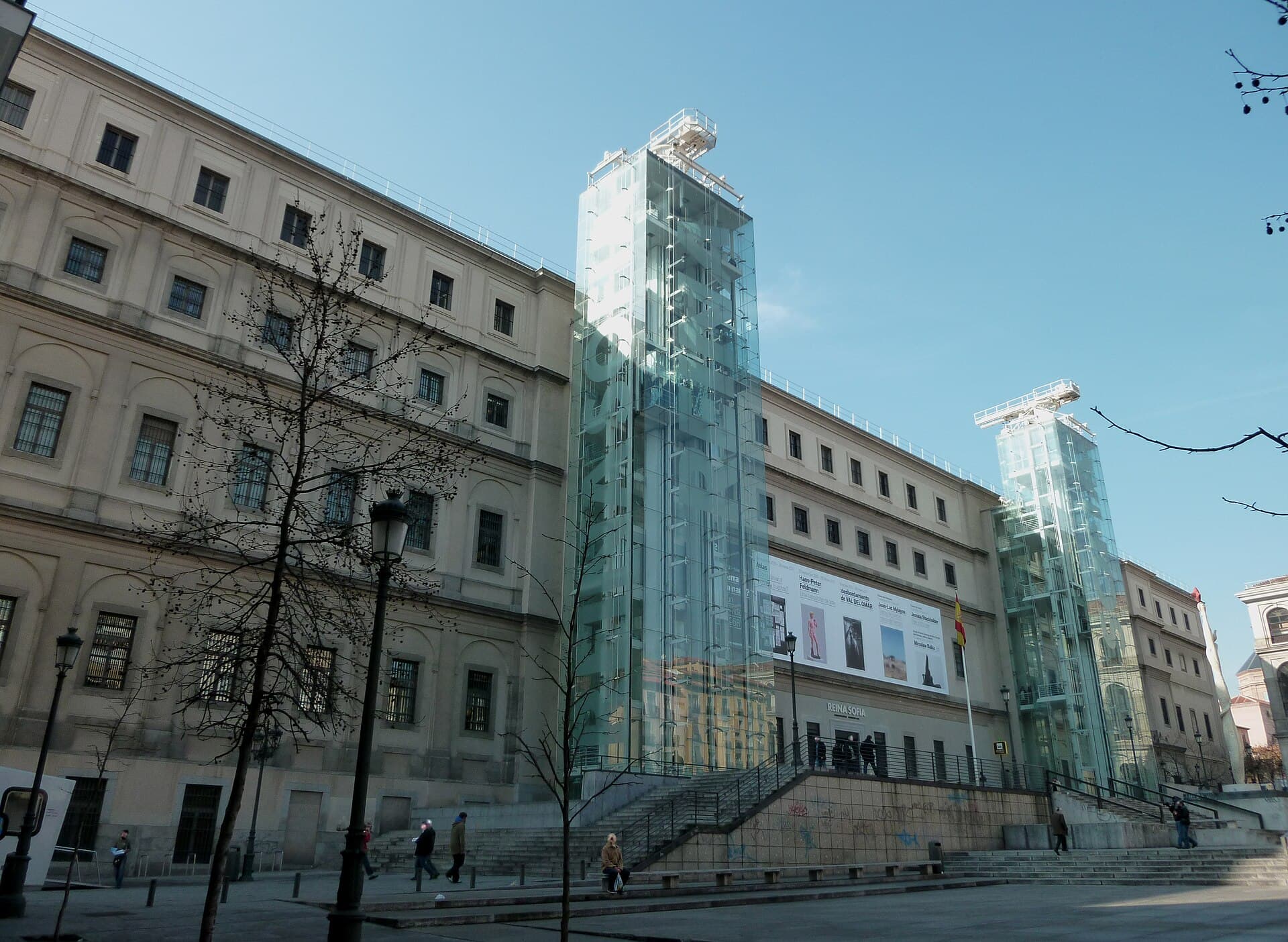 Museo Reina SofíaThe Reina Sofía is Spain's museum of modern art — its centre of gravity a single5 minutes walk4.6
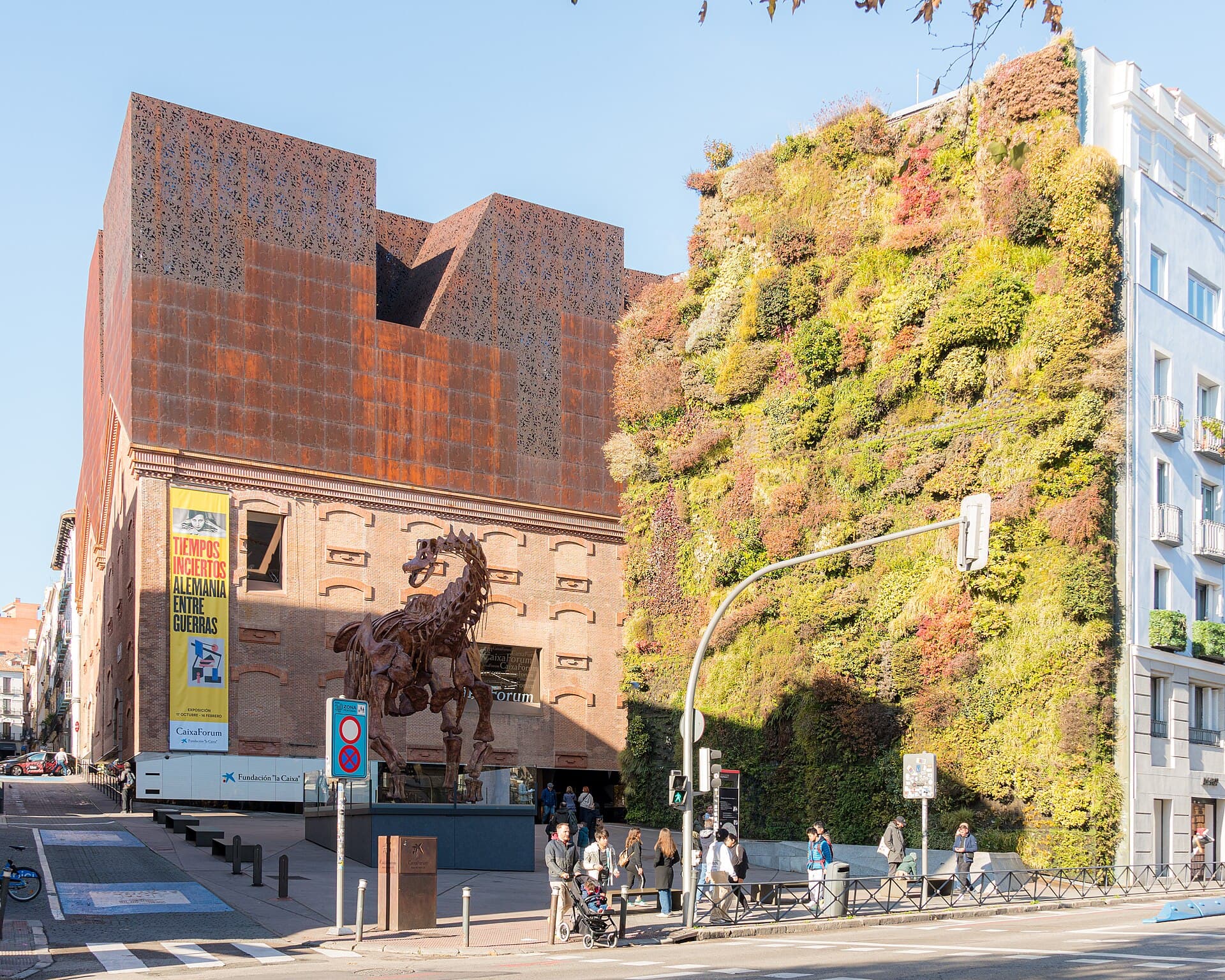 CaixaForum MadridA cultural centre inside the Central Electrica del Mediodia, a turn-of-the-centu6 minutes walk4.4
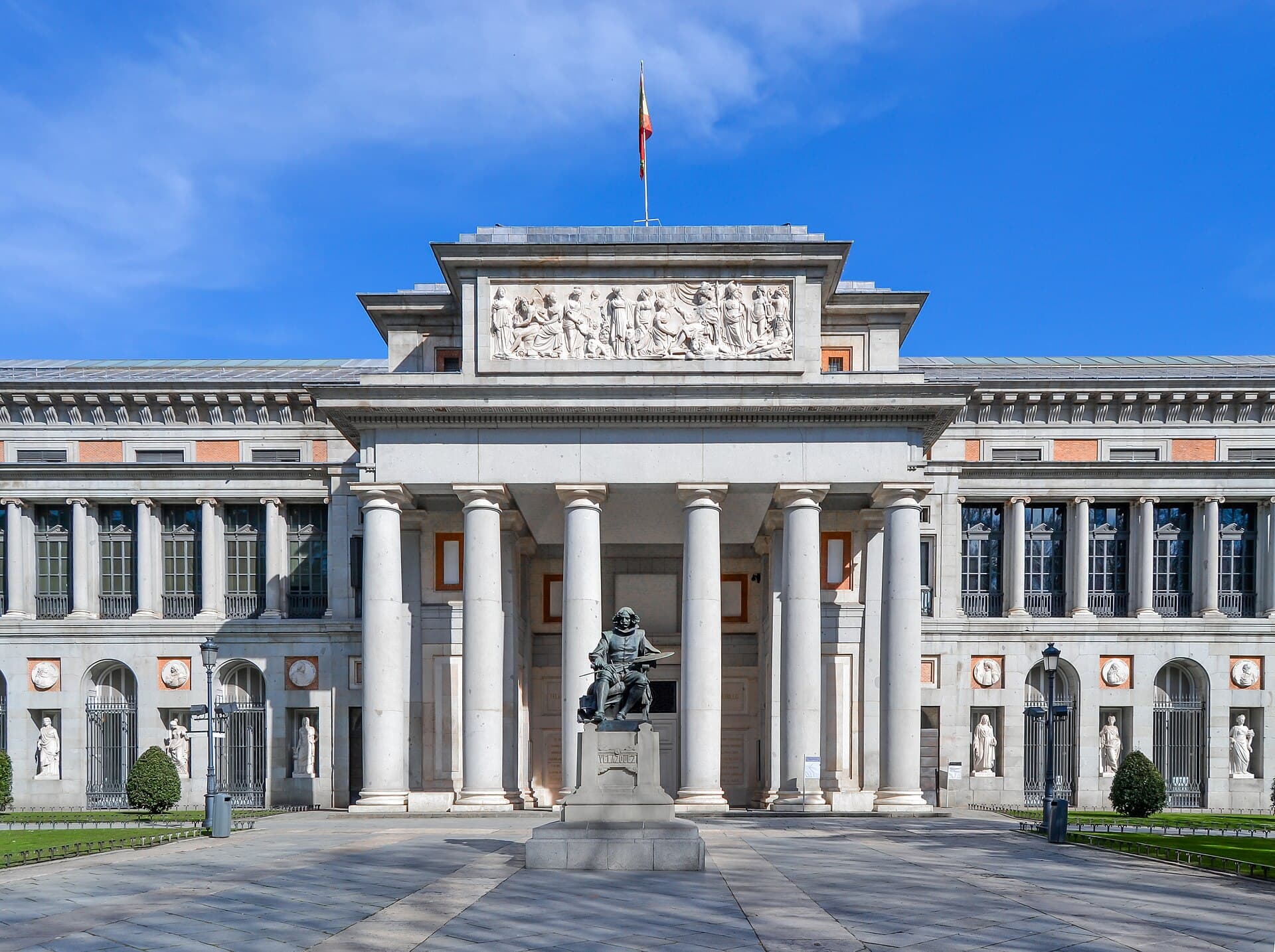 Museo del PradoThe Prado is one of the three greatest art museums on earth, its treasure unmatc9 minutes walk4.8
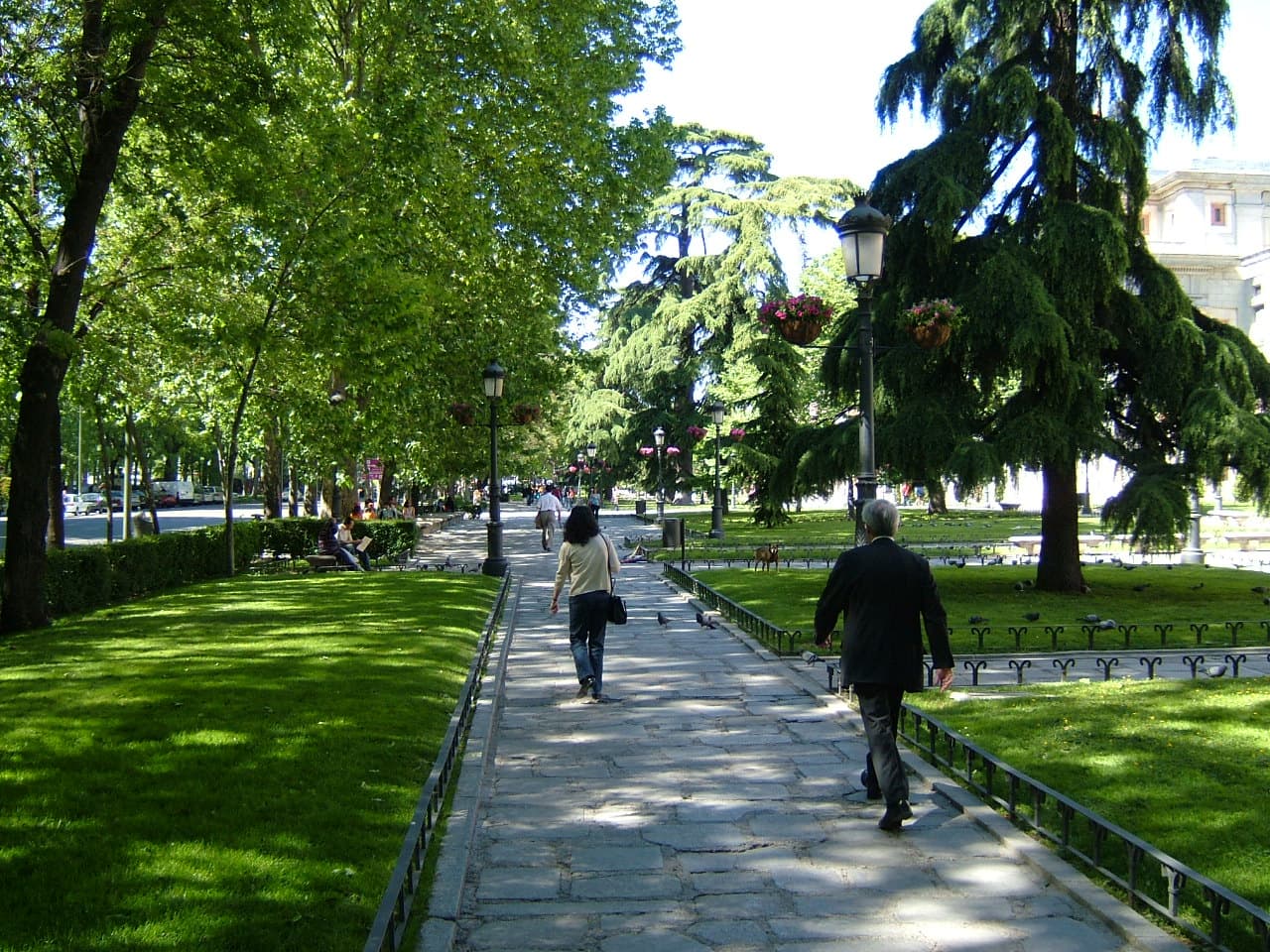 Paseo del PradoA tree-lined avenue running between Plaza de Cibeles and Atocha, the oldest plan10 minutes walk4.5
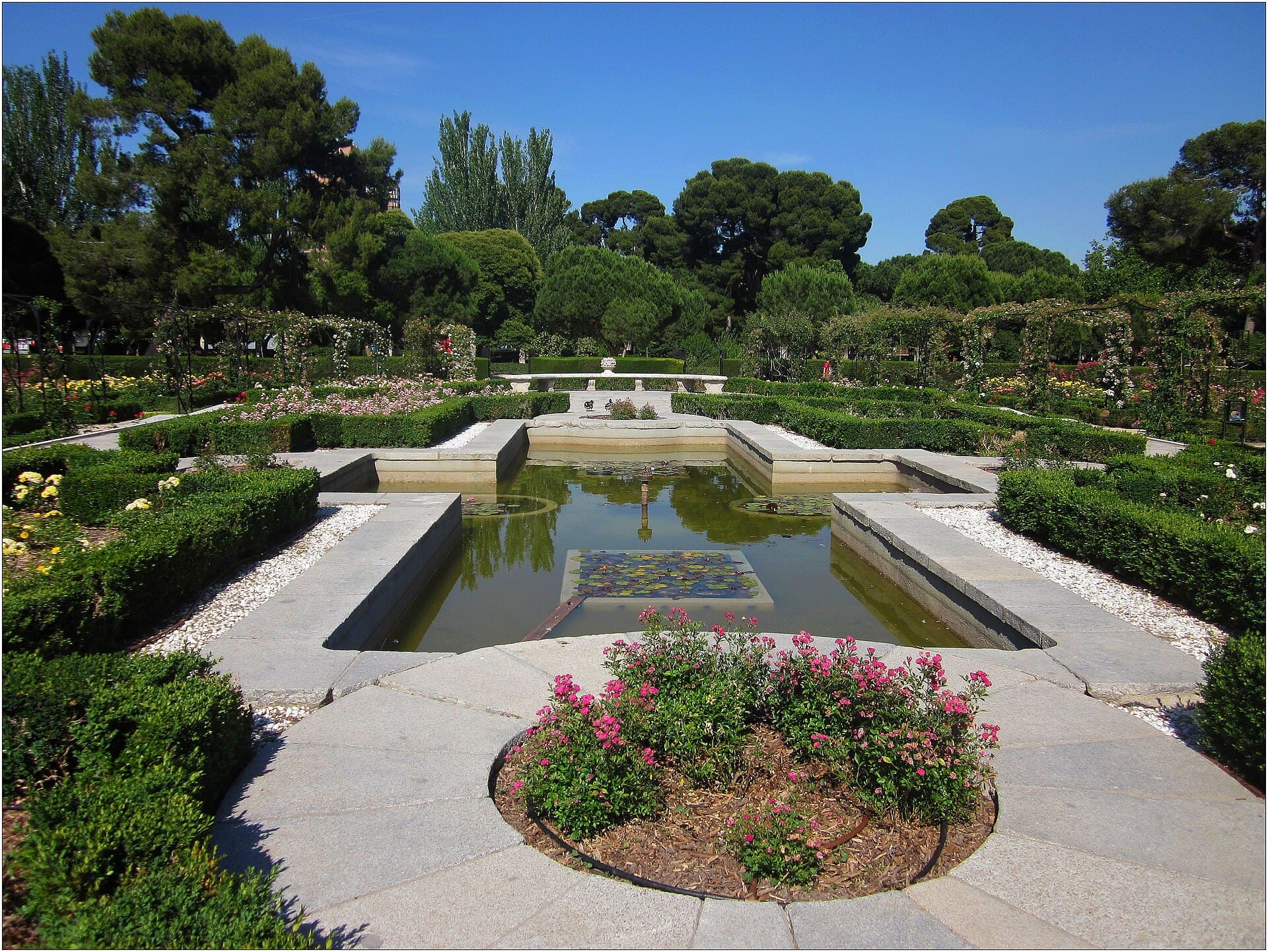 El Retiro ParkThe Retiro is Madrid's green paradise and social heart: 125 hectares of former r11 minutes walk4.7
Probably not. The Prado, the Reina Sofía and the National Archaeological Museum are clearly ahead of it in scale and presentation. Keep it for a specific interest in world cultures, or for a spare hour when you are already around Atocha.
Atocha on Line 1, the station next to the mainline terminal and formerly called Atocha Renfe, is a few minutes' walk away. Estación del Arte on the same line is also close, and the walk from the southern end of Retiro Park takes about five minutes.
Forty-five to ninety minutes covers all the floors. Labels are mostly in Spanish with limited English, so use your phone's camera translation if you want the detail on individual objects. The streets around Atocha are full of cafés and restaurants for afterwards.