
Guernica
The century's mural — war's grey scream since 1937.
Luis García (Zaqarbal) — CC BY-SA 3.0 · Joseolgon — CC BY 4.0 · Joseolgon — CC BY 4.0 · Joseolgon — CC BY 4.0
The Reina Sofía is Spain's museum of modern art — its centre of gravity a single painting worth the journey alone: Picasso's Guernica, the giant grey war mural that became art history's most famous cry for peace. Standing before it you grasp why Picasso refused its return to Spain until freedom's return — and around it hang its studies and letters. Around that summit spreads the full Spanish avant-garde: Dalí's major surrealist canvases before Hollywood fame, Miró, the Cubist Juan Gris — inside a vast eighteenth-century hospital extended by glass towers and Nouvel's red modern wing. It is the southern corner of the Golden Triangle with the Prado and Thyssen on one axis, and its long evening hours (to nine) make it the ideal museum after a walking day.
The century's mural — war's grey scream since 1937.
Picasso's studies and Dora Maar's photos of the painting's birth.
The Enigma of Desire and his first great surrealism.
Calle de Santa Isabel 52, 28012 Madrid
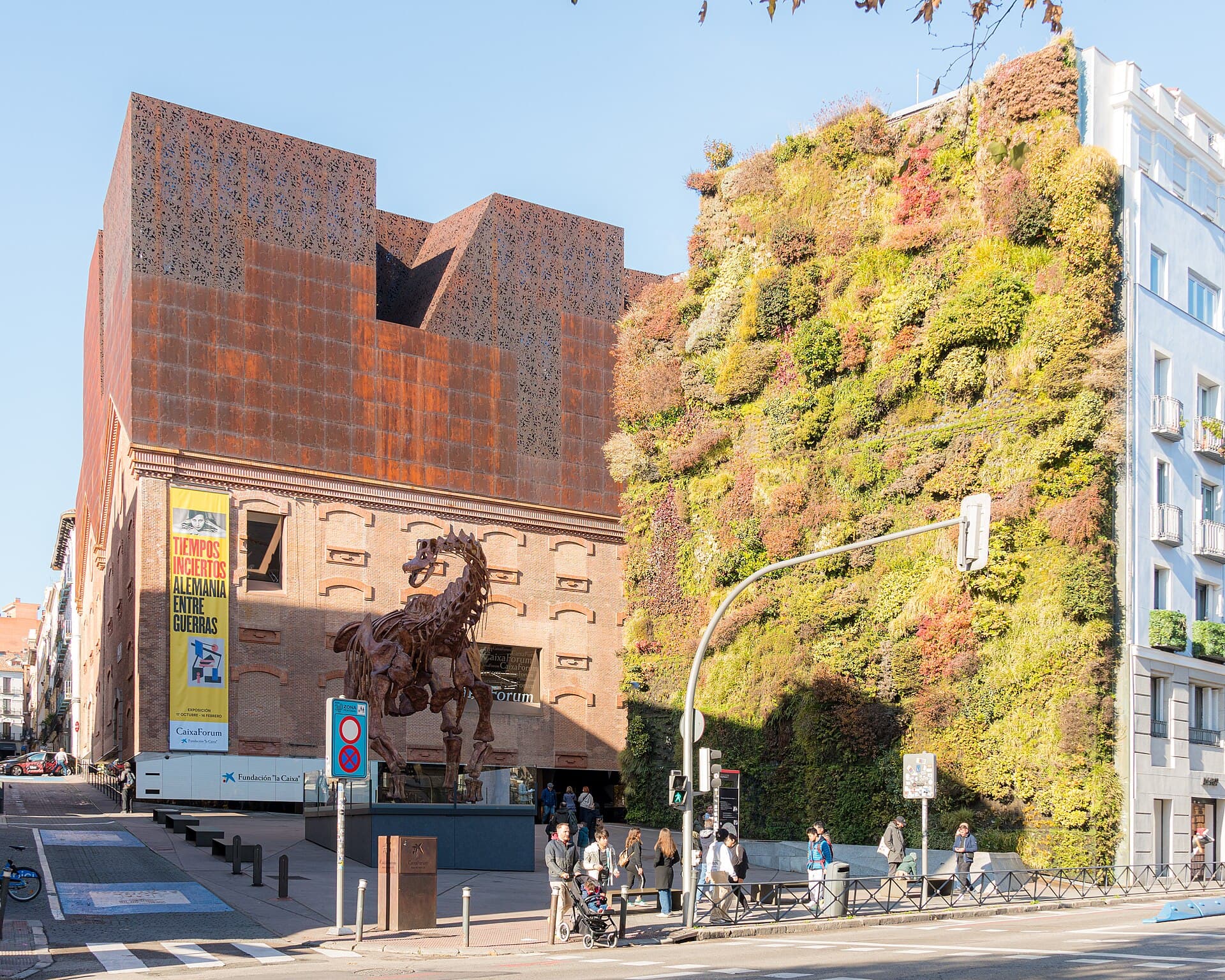 CaixaForum MadridA cultural centre inside the Central Electrica del Mediodia, a turn-of-the-centu3 minutes walk4.4
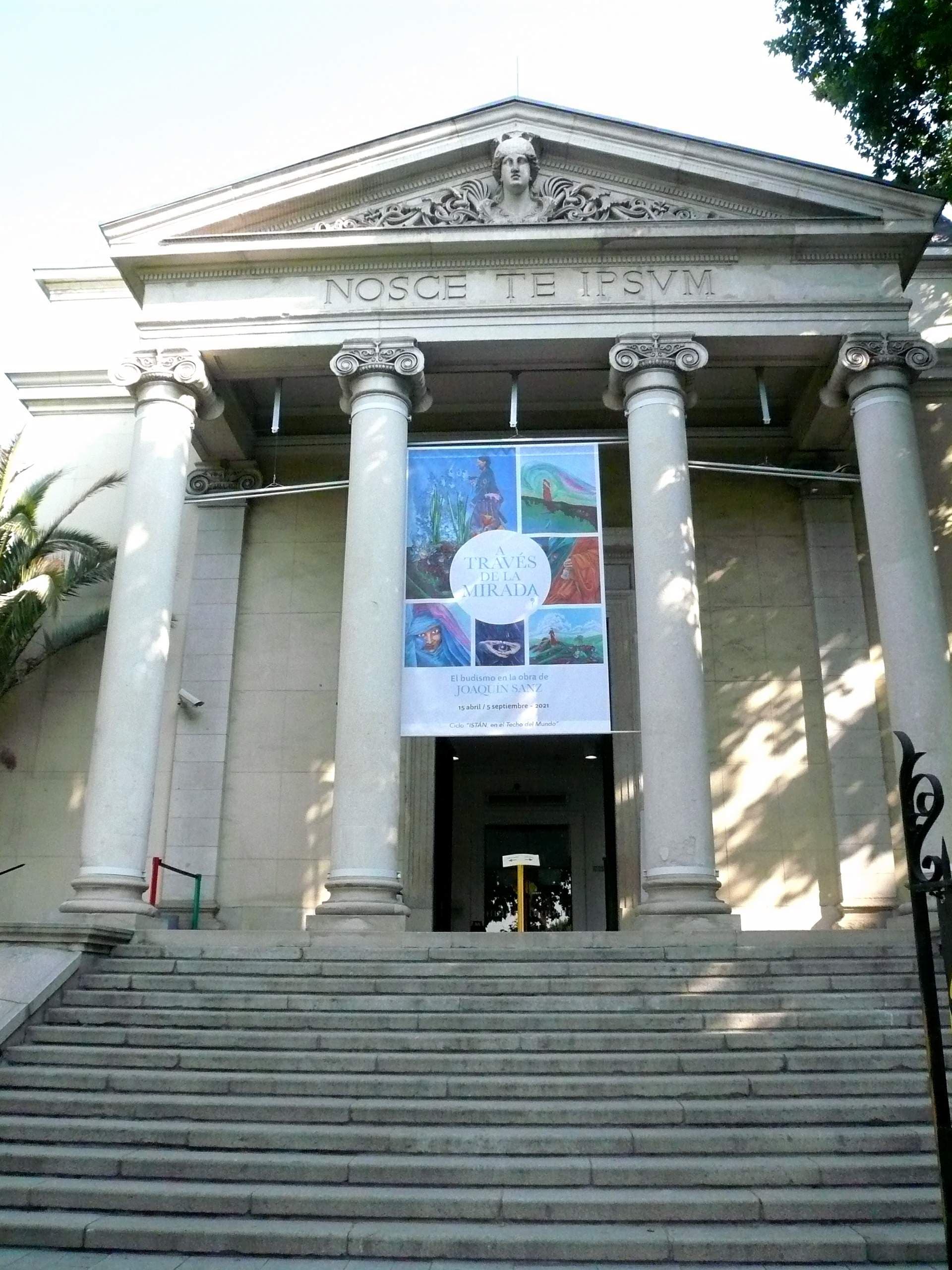 National Museum of AnthropologyThe museum opened in 1875 around the private collection of the physician Pedro G5 minutes walk4.4
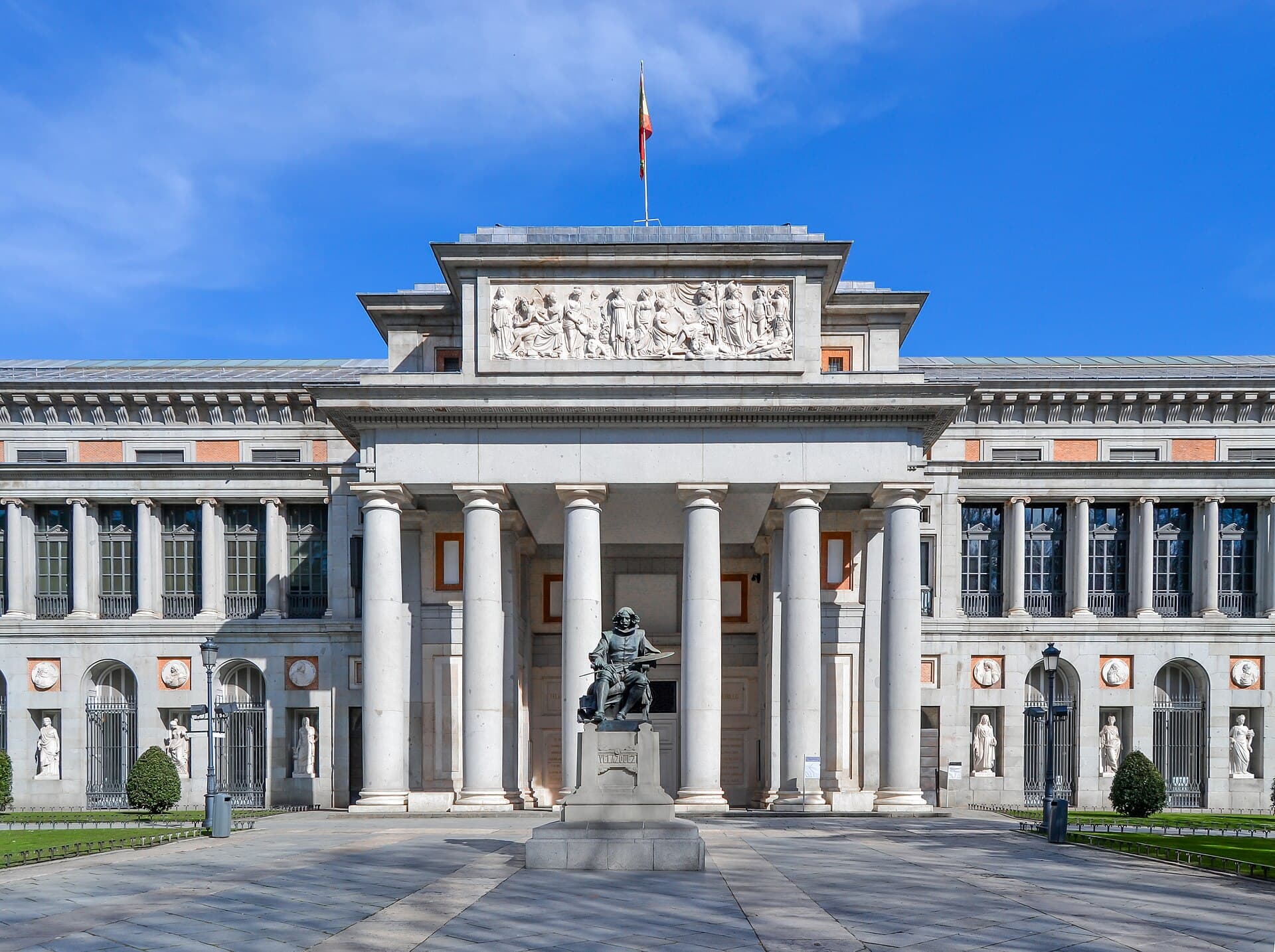 Museo del PradoThe Prado is one of the three greatest art museums on earth, its treasure unmatc8 minutes walk4.8
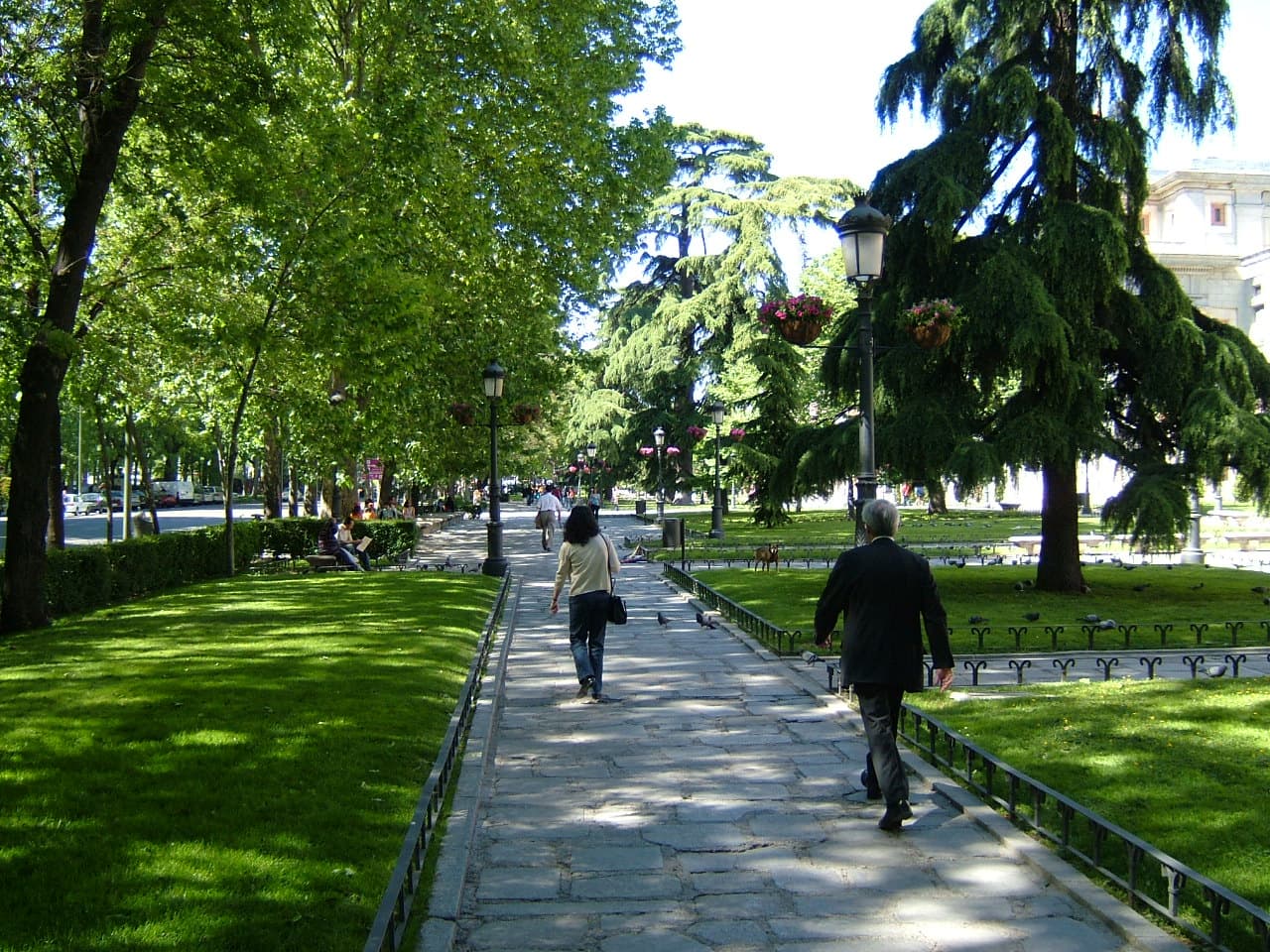 Paseo del PradoA tree-lined avenue running between Plaza de Cibeles and Atocha, the oldest plan8 minutes walk4.5
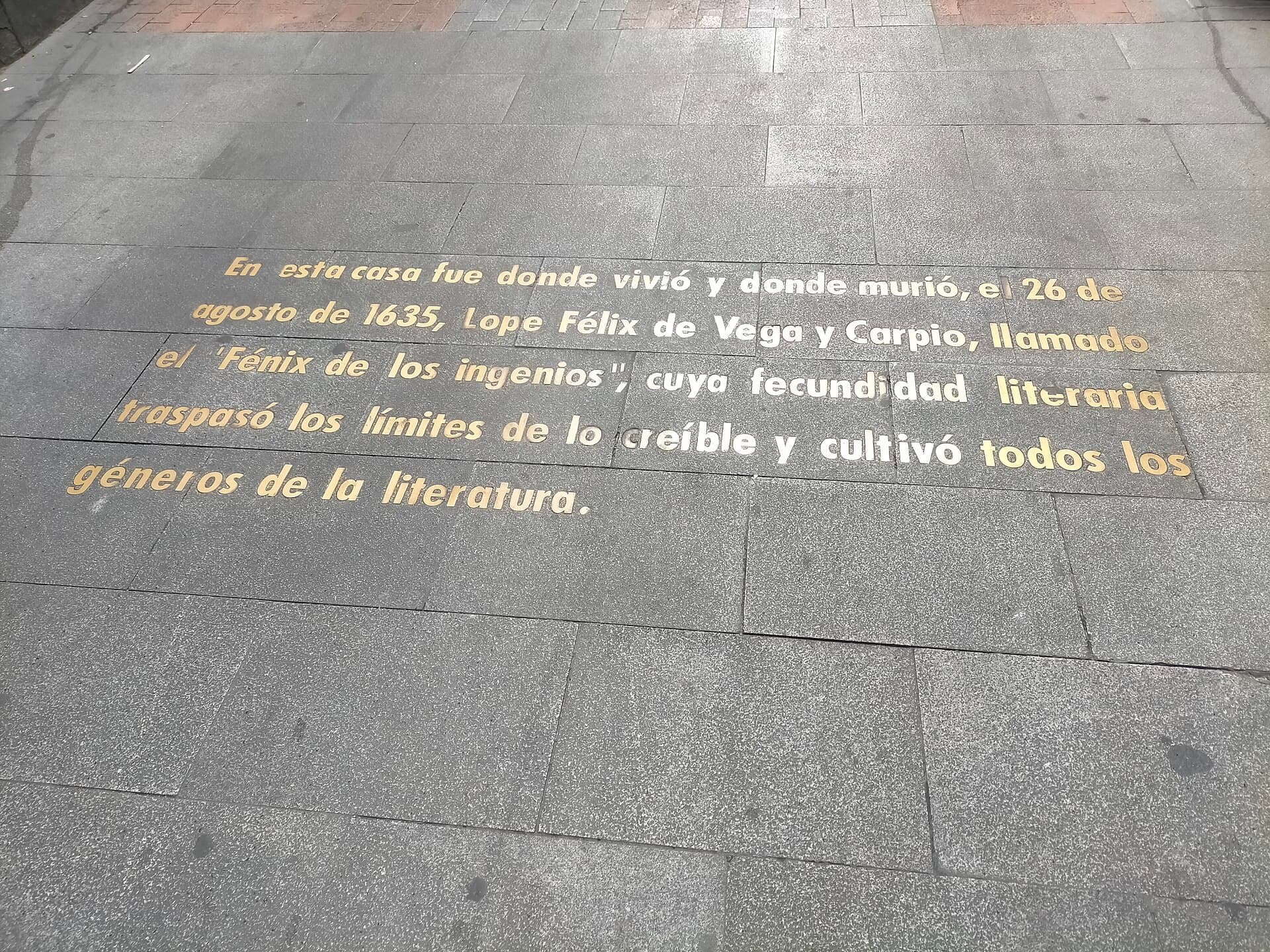 House Museum of Lope de VegaThe house in the Barrio de las Letras where Lope de Vega, one of the leading pla9 minutes walk4.8
Nazi planes bombed the Basque town of Gernika in 1937 as an urban-war experiment; within weeks Picasso answered with the grey terror-mural for Spain's Paris pavilion — the painting itself becoming a political event, exiled by his will until democracy in 1981. It is art that changed function: an eternal witness for the prosecution.
Ninety minutes covers Guernica with its court, Dalí and Miró; further floors are for conceptual appetites. The optimal formula: full Prado morning, Retiro rest, then Guernica in the free evening slot — Madrid's immortal art day.